2026 Vol. 50, No. 9
Display Method: |


2026, 50(9): 091001. doi: 10.1088/1674-1137/ae74bd
Abstract:
γ-ray pulsar halos are produced by electron-positron pairs that diffuse away from the pulsar and scatter off background photons. Their morphology serves as an ideal probe for studying cosmic-ray propagation on scales of several tens of parsecs. However, the number of firmly identified pulsar halos remains limited, primarily because current γ-ray experiments, constrained by angular resolution, struggle to resolve the diffusion signatures of distant candidates (\begin{document}$>1$\end{document} \begin{document}$\approx1.5$\end{document}
γ-ray pulsar halos are produced by electron-positron pairs that diffuse away from the pulsar and scatter off background photons. Their morphology serves as an ideal probe for studying cosmic-ray propagation on scales of several tens of parsecs. However, the number of firmly identified pulsar halos remains limited, primarily because current γ-ray experiments, constrained by angular resolution, struggle to resolve the diffusion signatures of distant candidates (


2026, 50(9): 091002. doi: 10.1088/1674-1137/ae7dbf
Abstract:
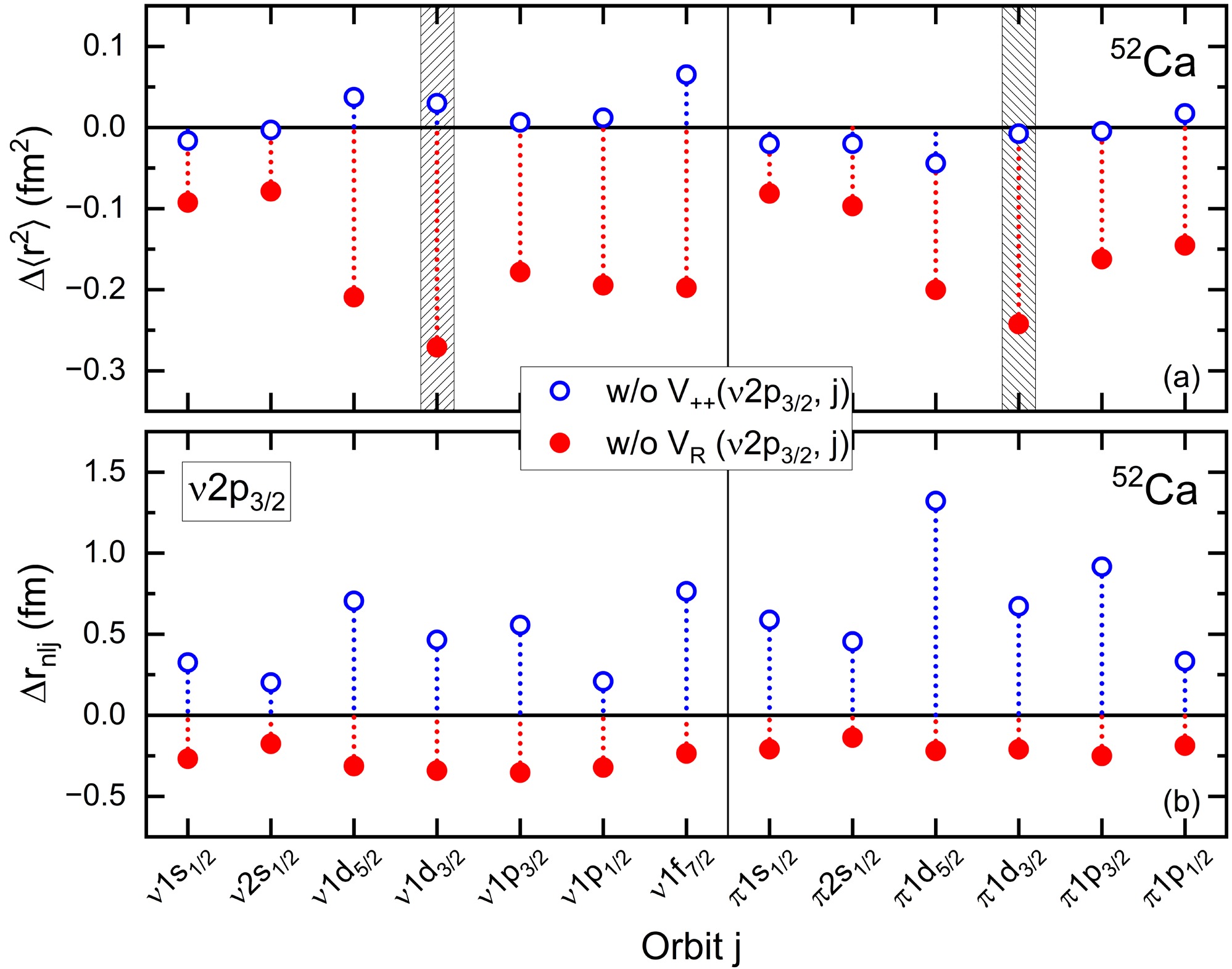
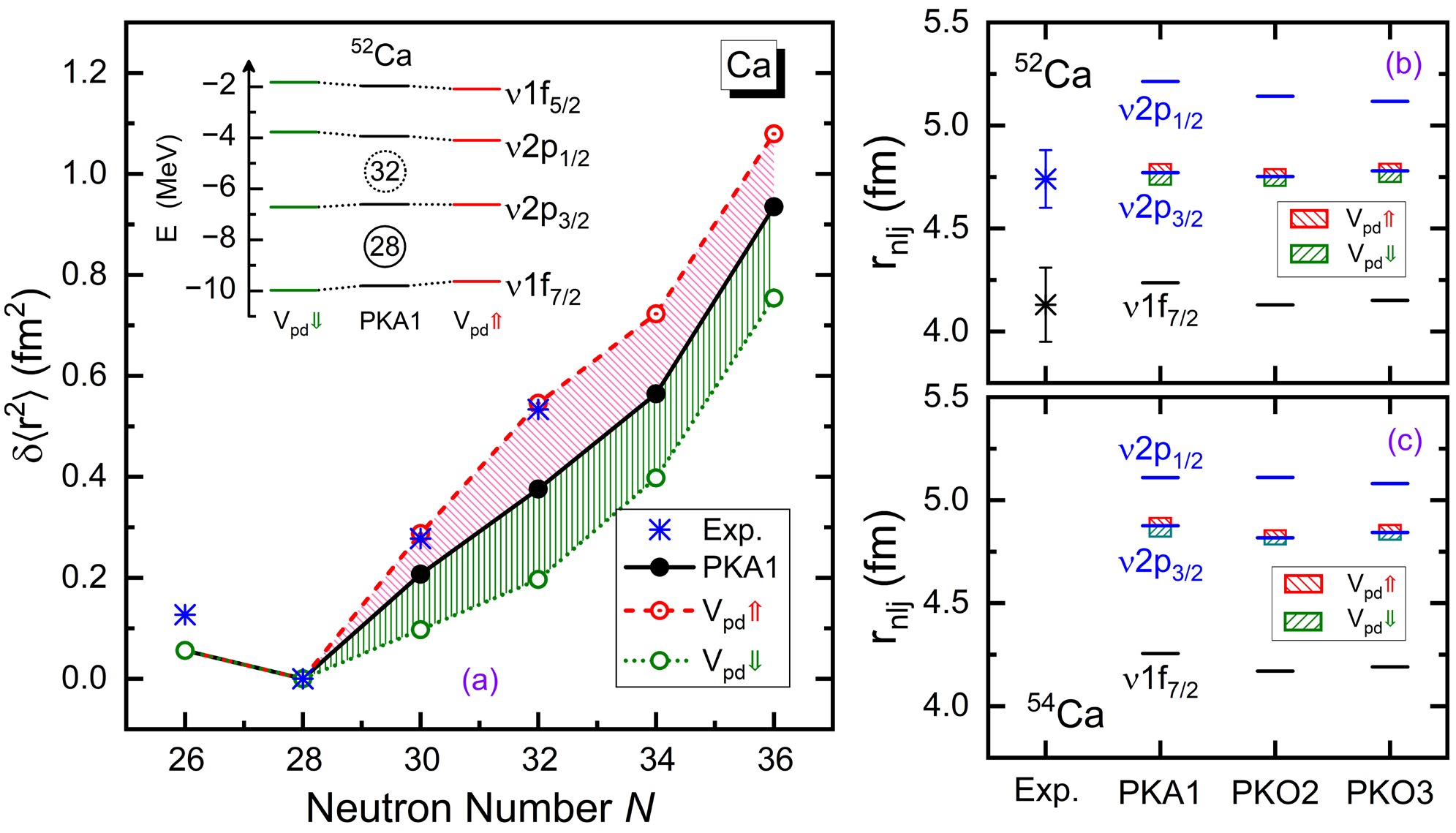
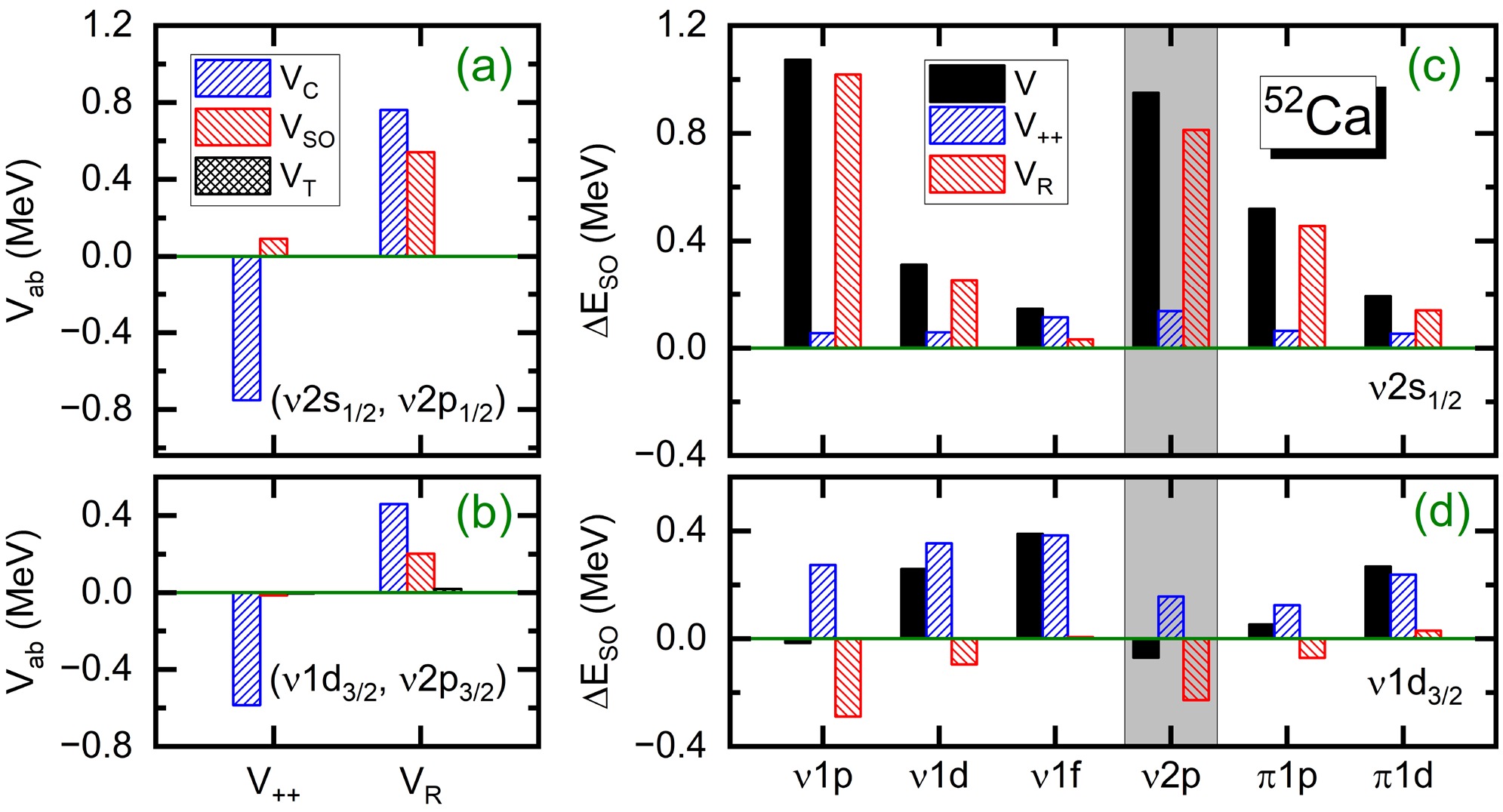
The remarkable isotope shift of the charge radius of 52Ca relative to 48Ca presents a significant challenge to the magic nature of\begin{document}$ N=32 $\end{document} \begin{document}$ N=32 $\end{document} \begin{document}$ \nu2p_{3/2} $\end{document} \begin{document}$ \nu1f_{7/2} $\end{document} \begin{document}$ \nu2p_{3/2} $\end{document} \begin{document}$ \nu2p $\end{document} \begin{document}$ N=32 $\end{document}
The remarkable isotope shift of the charge radius of 52Ca relative to 48Ca presents a significant challenge to the magic nature of

2026, 50(9): 091003. doi: 10.1088/1674-1137/ae74be
Abstract:
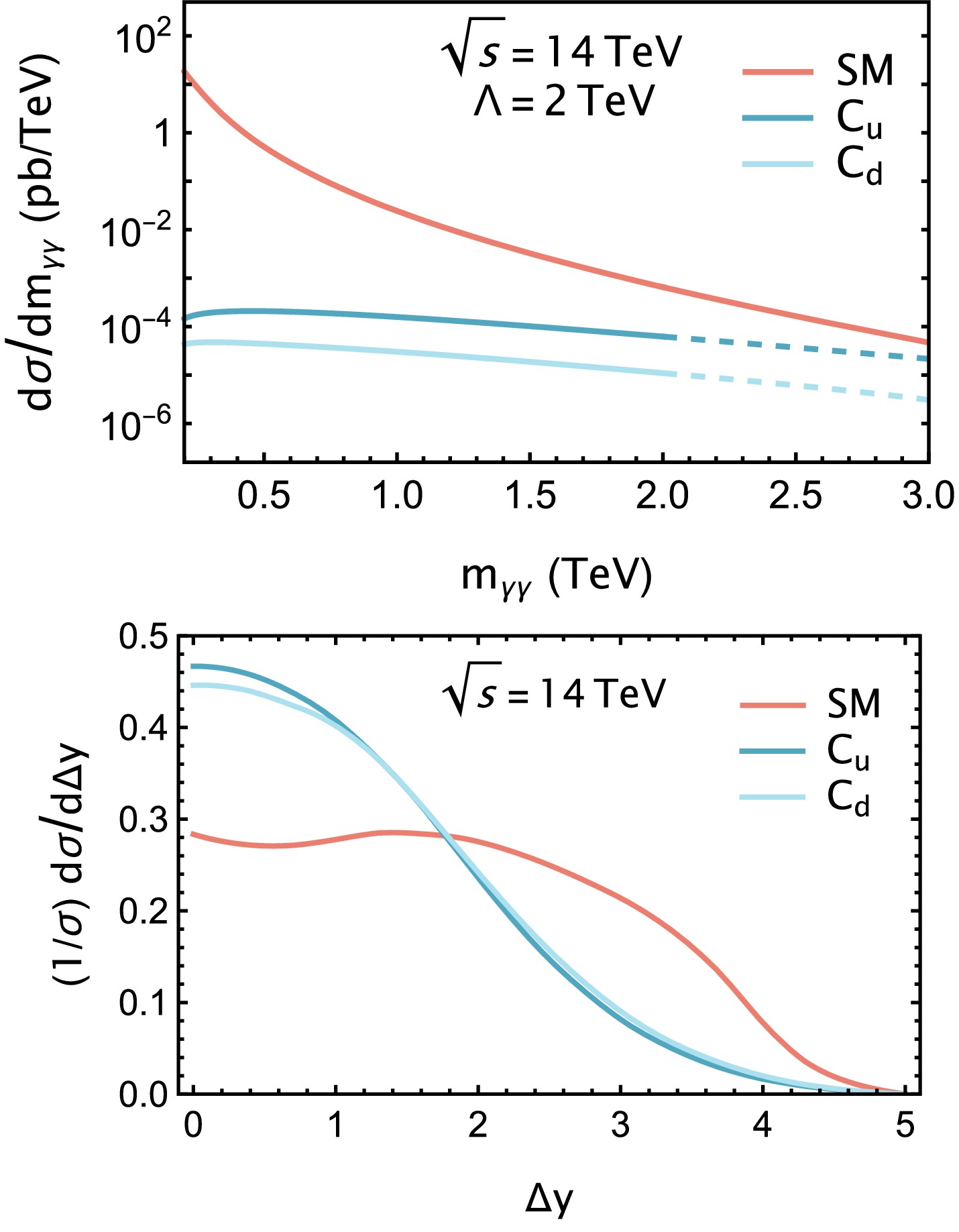
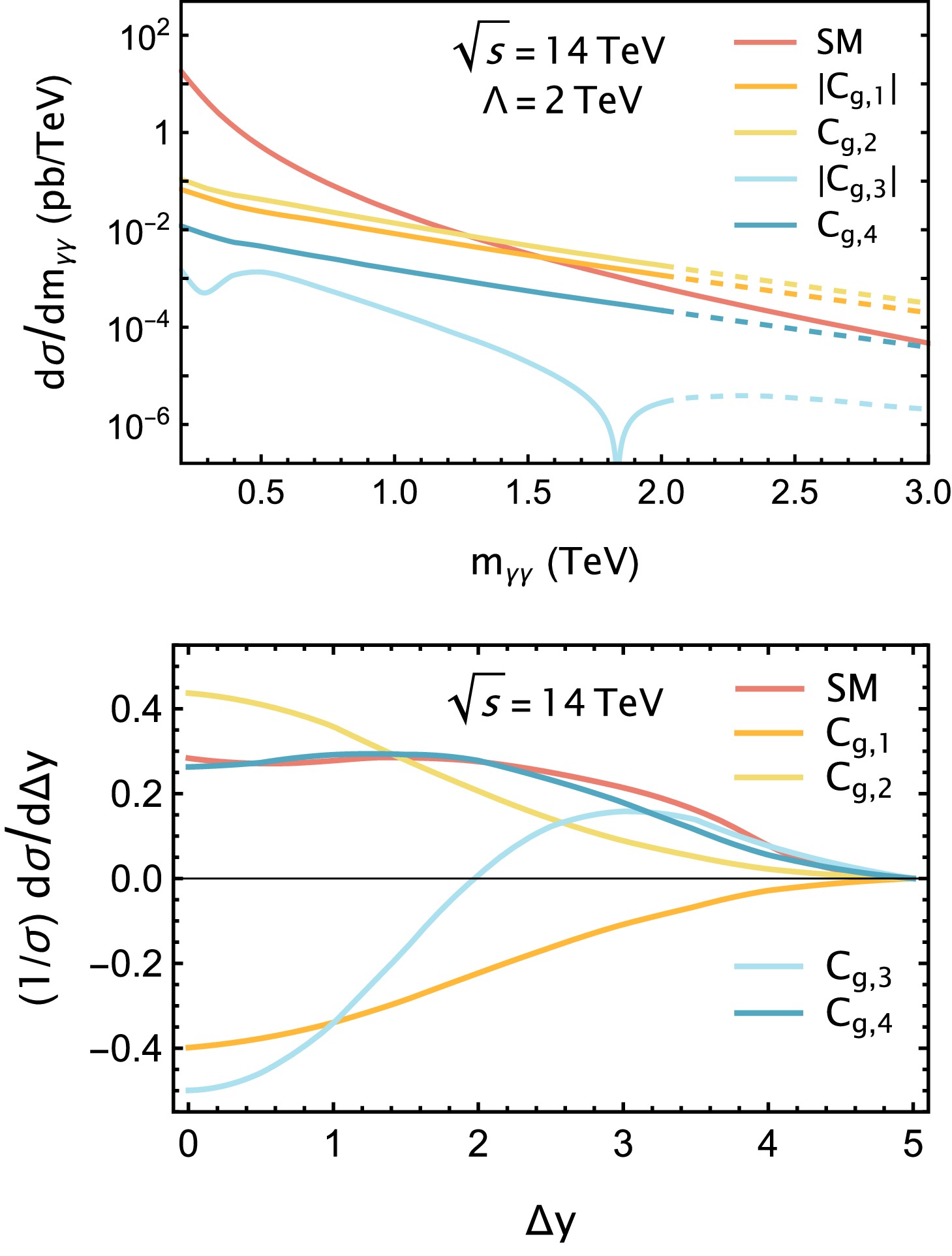
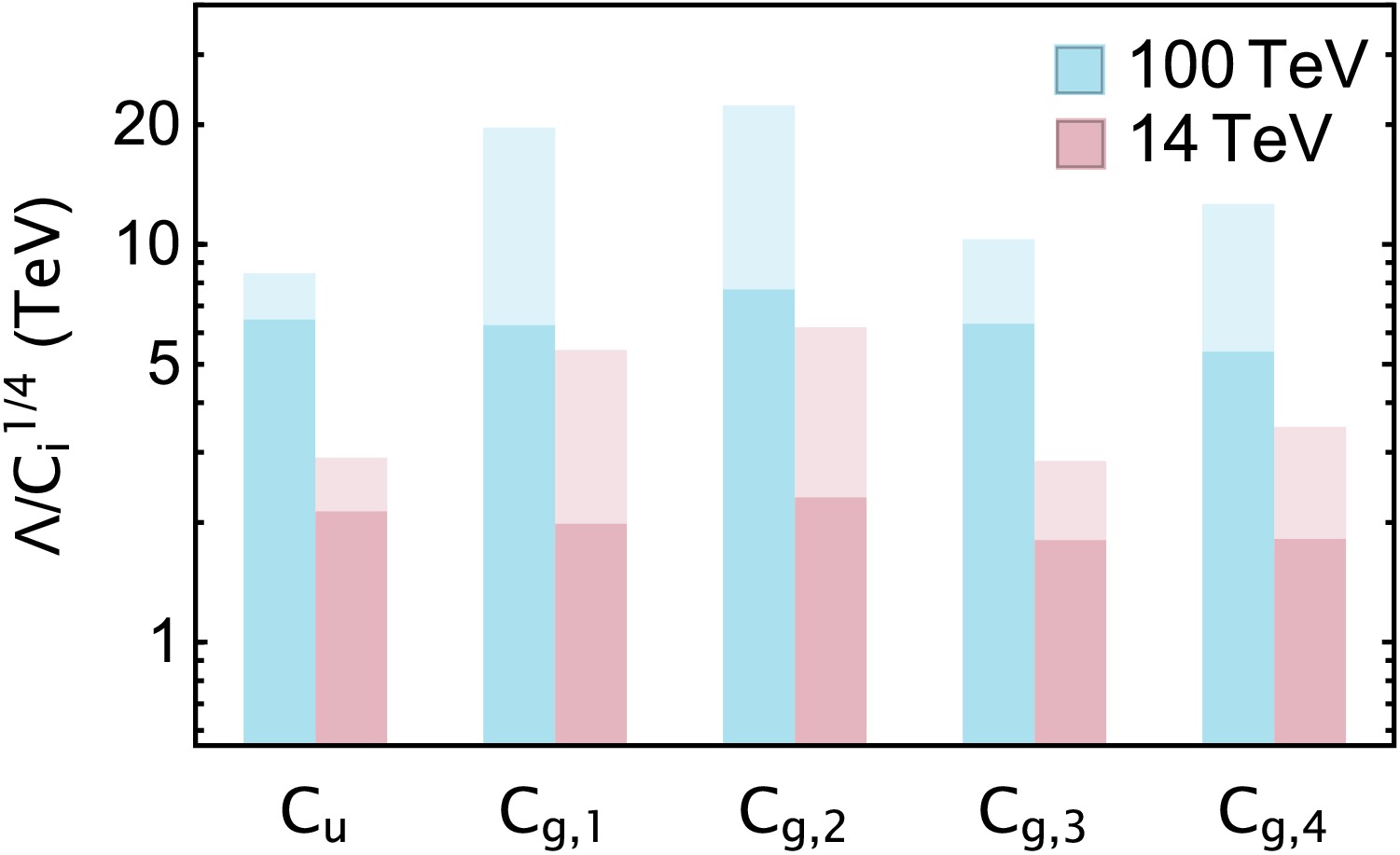
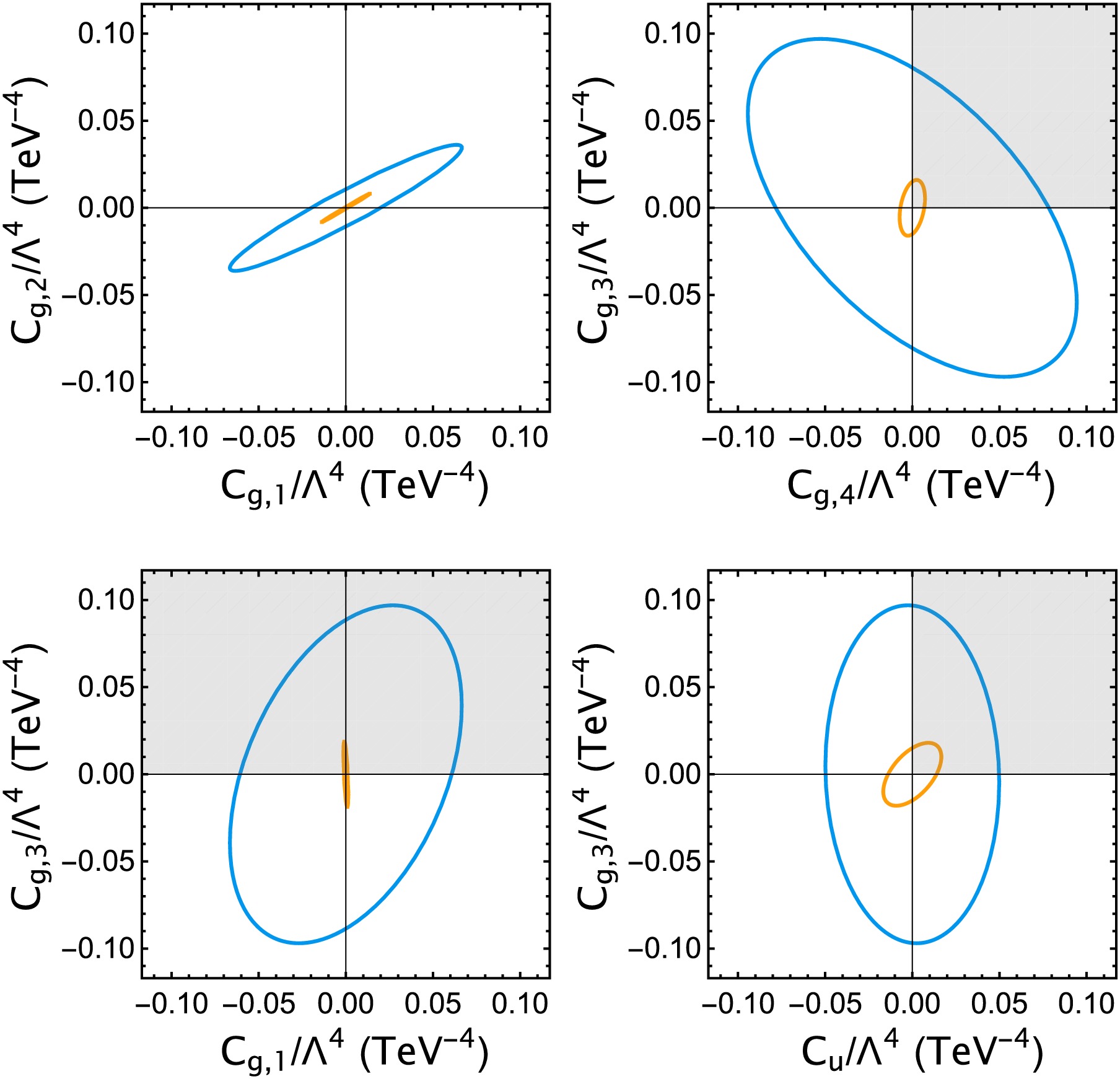
We show that hadron colliders have an excellent reach for positivity tests on a class of diphoton operators. Due to the helicity selection rules, the relevant dimension-6 operators either do not contribute or are highly constrained by other experimental observables. We demonstrate, for the first time, that the LHC can probe the positivity of the dimension-8 operators involving colored particles. The kinematic differential distributions of the diphoton final states are utilized to perform the\begin{document}$ \chi^2$\end{document}
We show that hadron colliders have an excellent reach for positivity tests on a class of diphoton operators. Due to the helicity selection rules, the relevant dimension-6 operators either do not contribute or are highly constrained by other experimental observables. We demonstrate, for the first time, that the LHC can probe the positivity of the dimension-8 operators involving colored particles. The kinematic differential distributions of the diphoton final states are utilized to perform the
2026, 50(9): 093001. doi: 10.1088/1674-1137/ae68ef
Abstract:
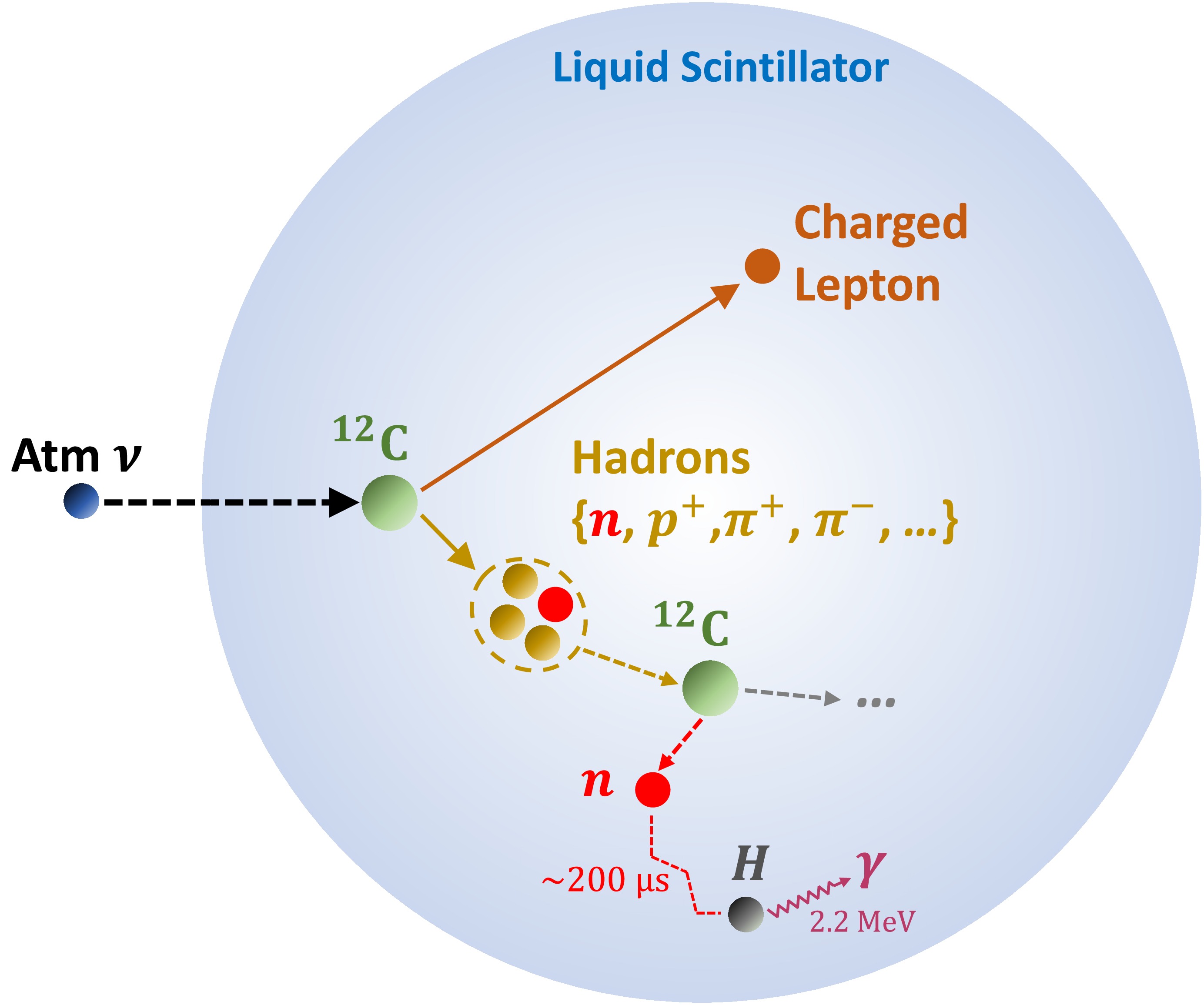
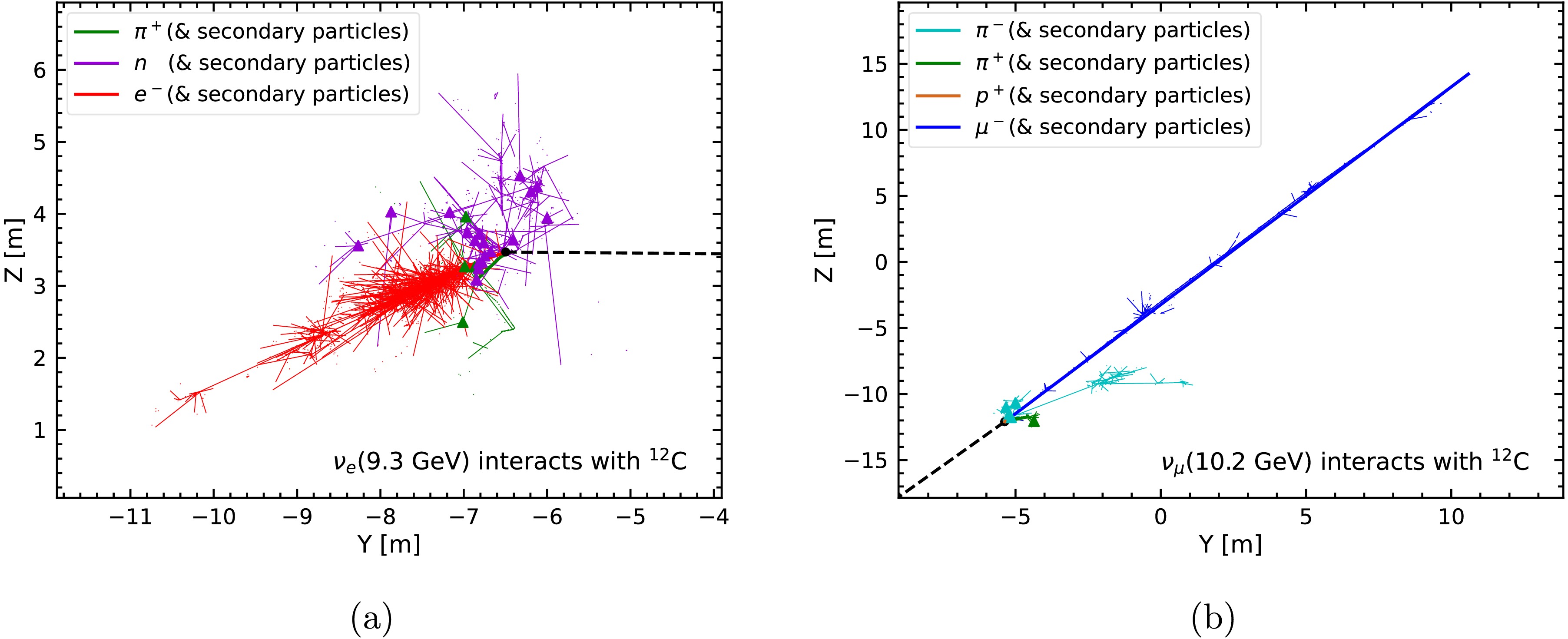
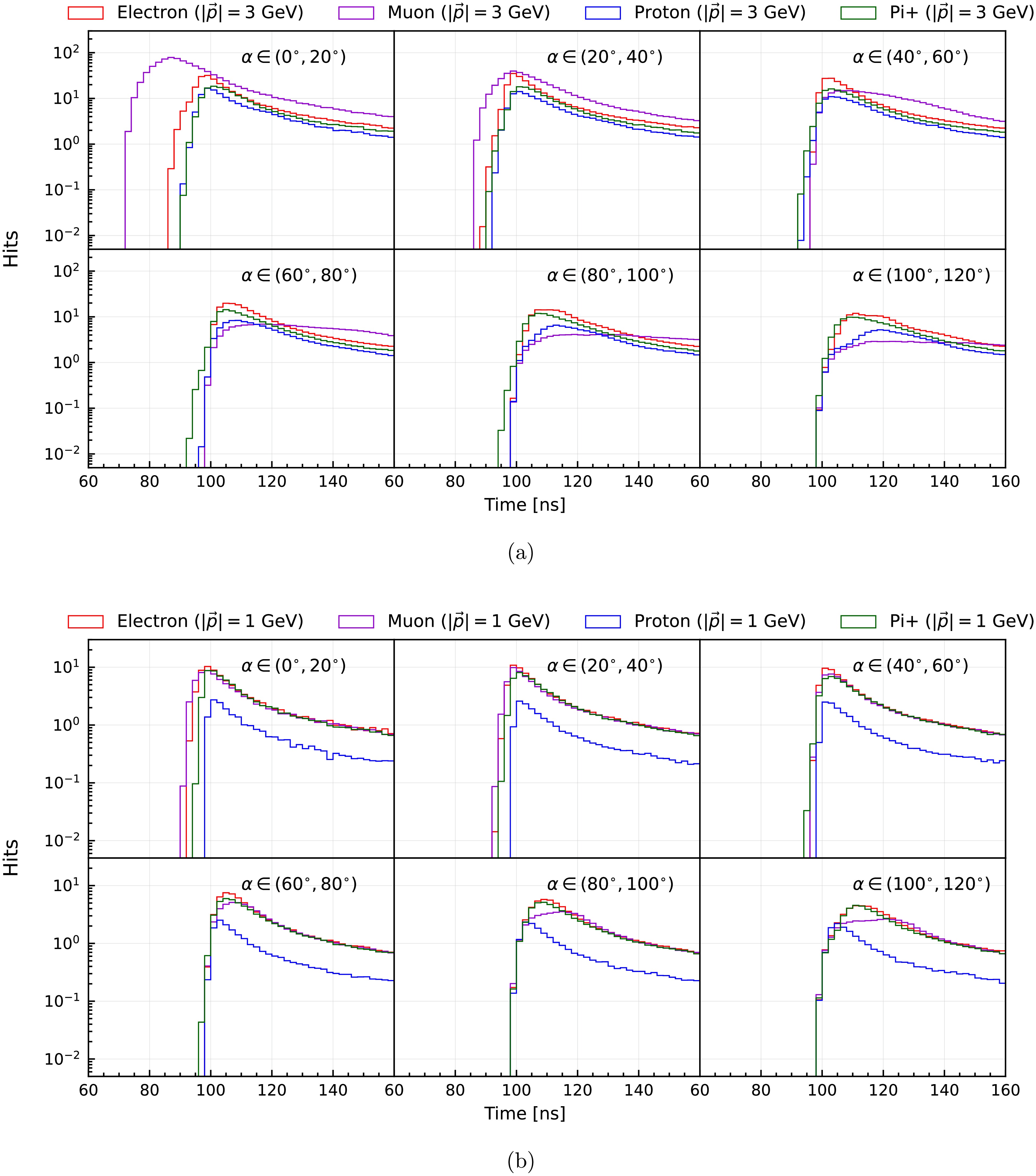
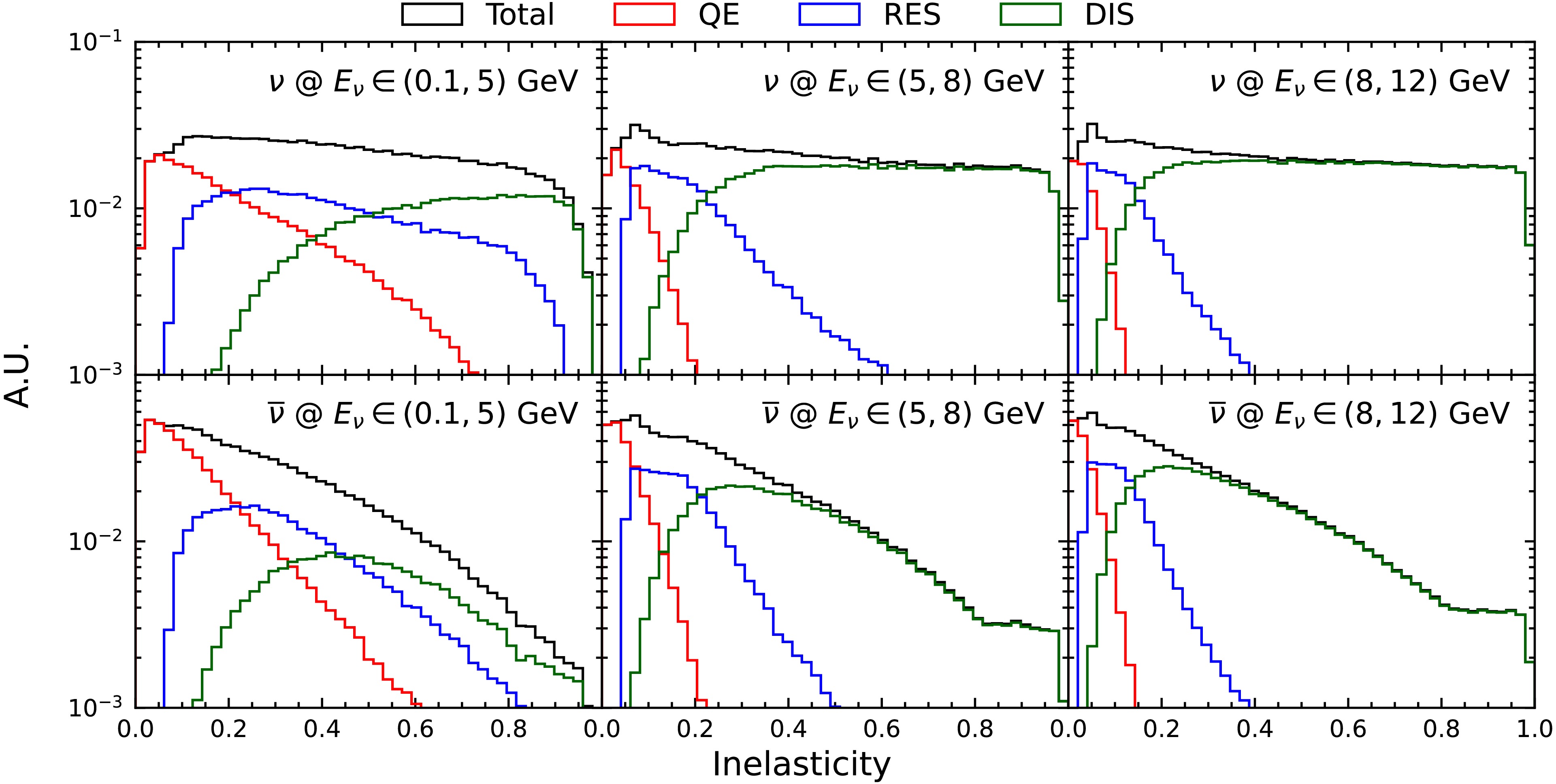
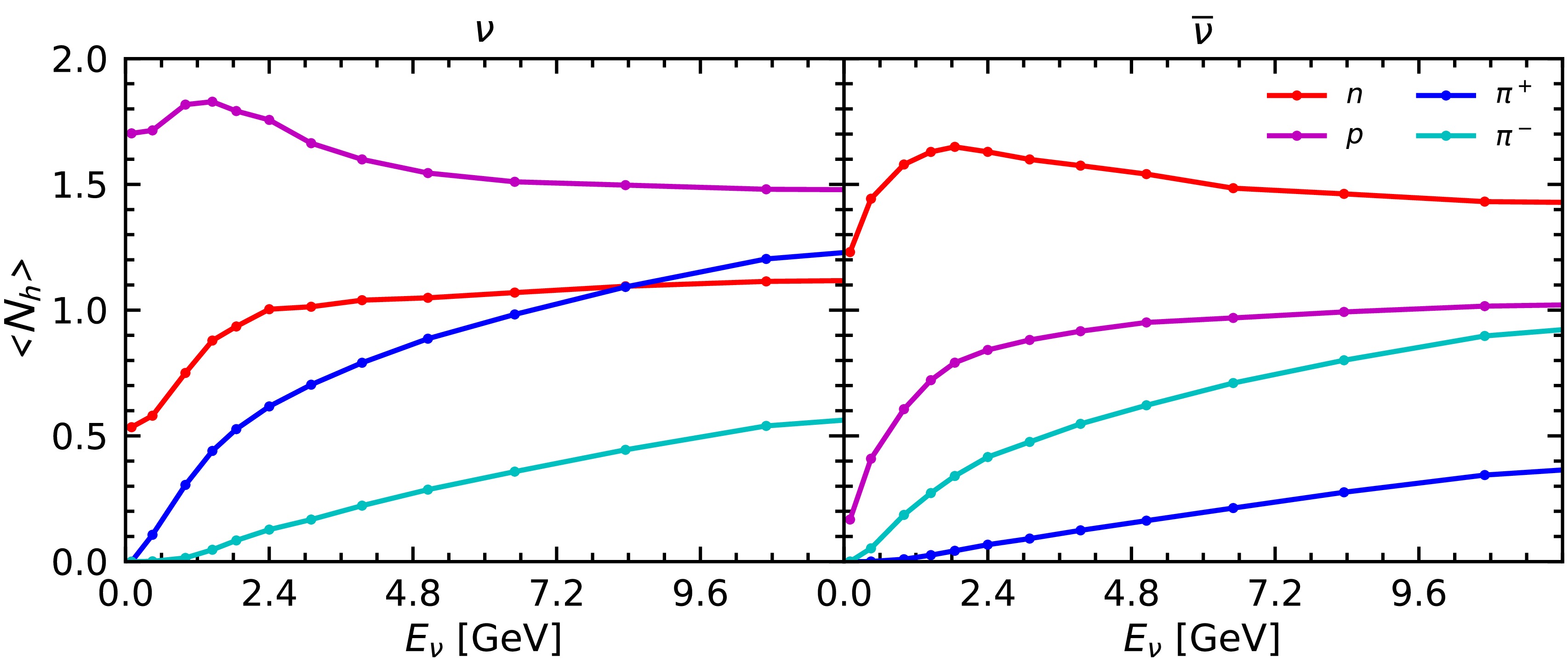
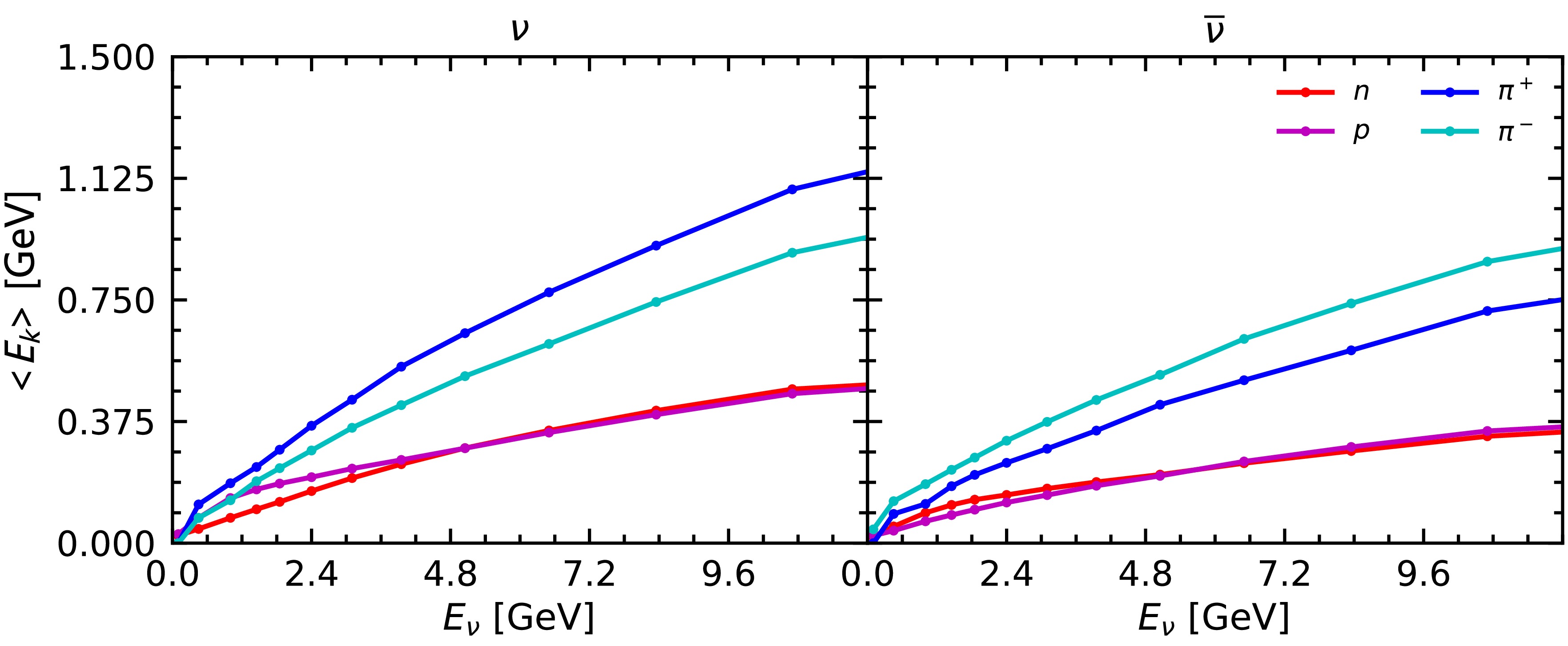
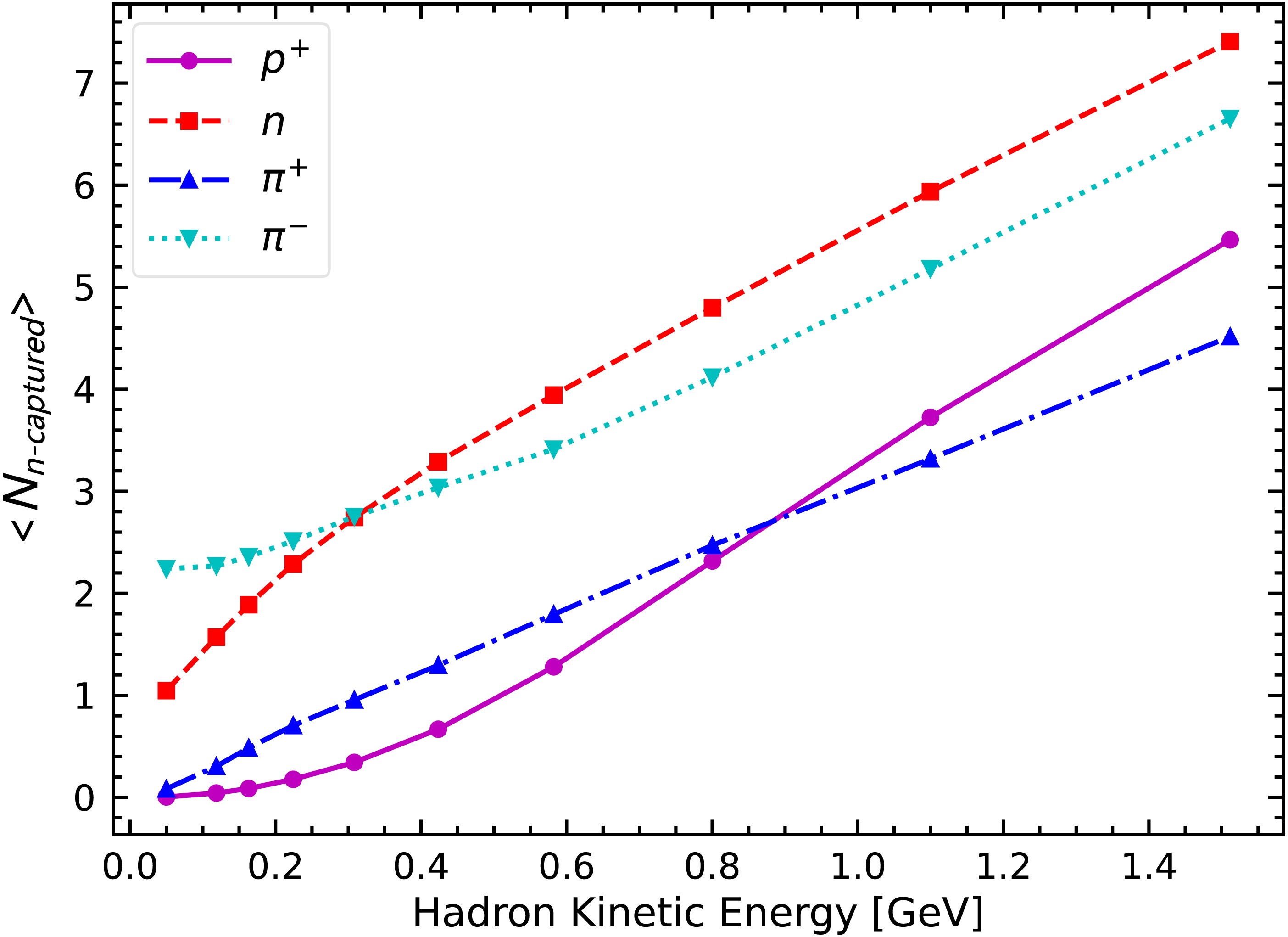
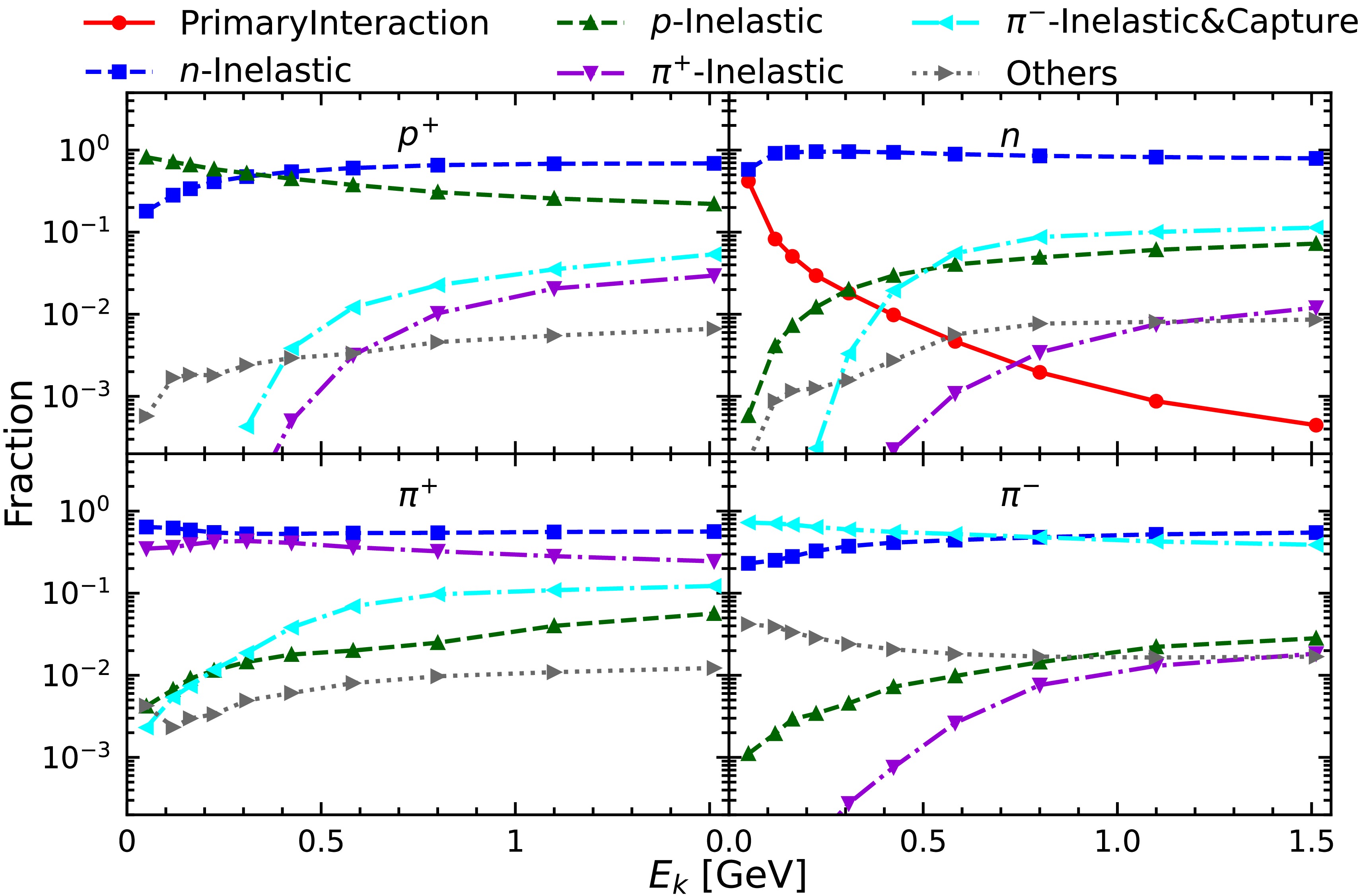
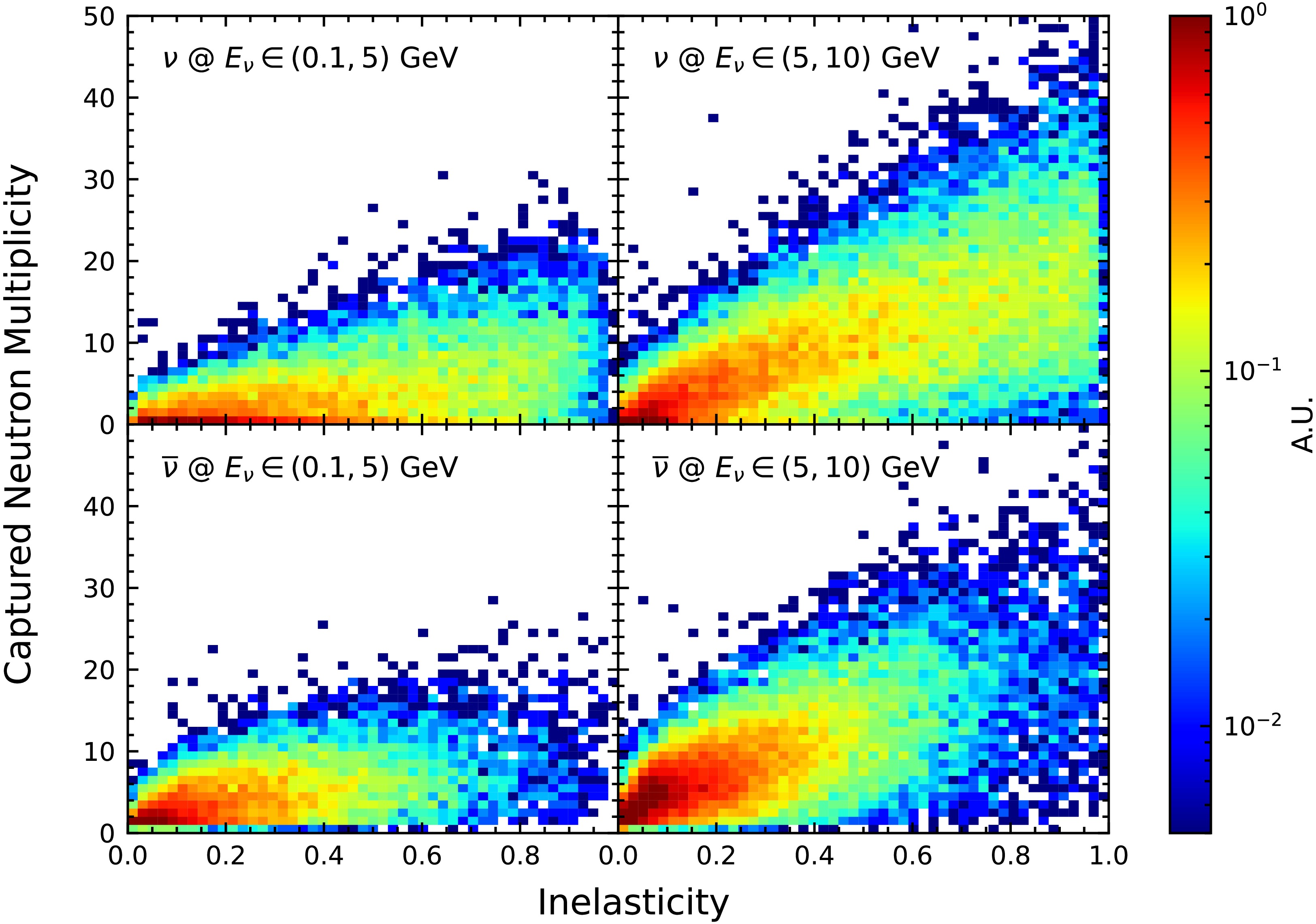
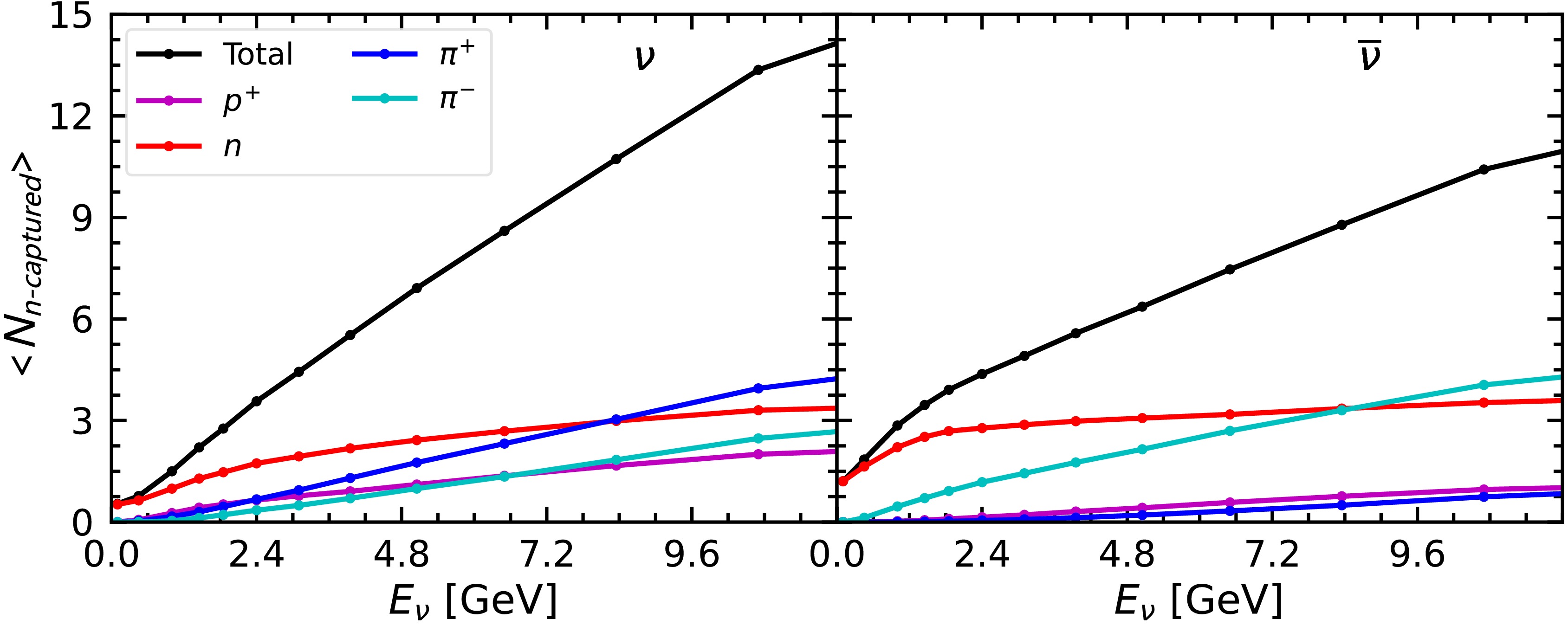
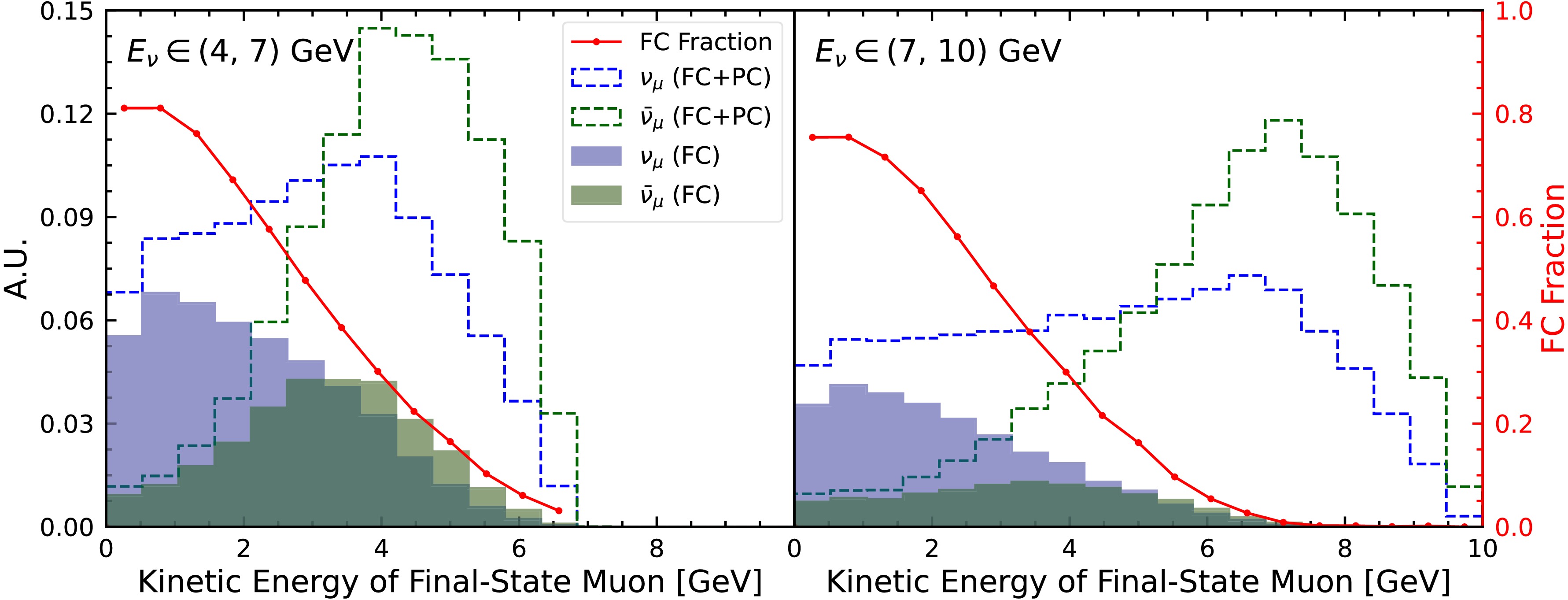
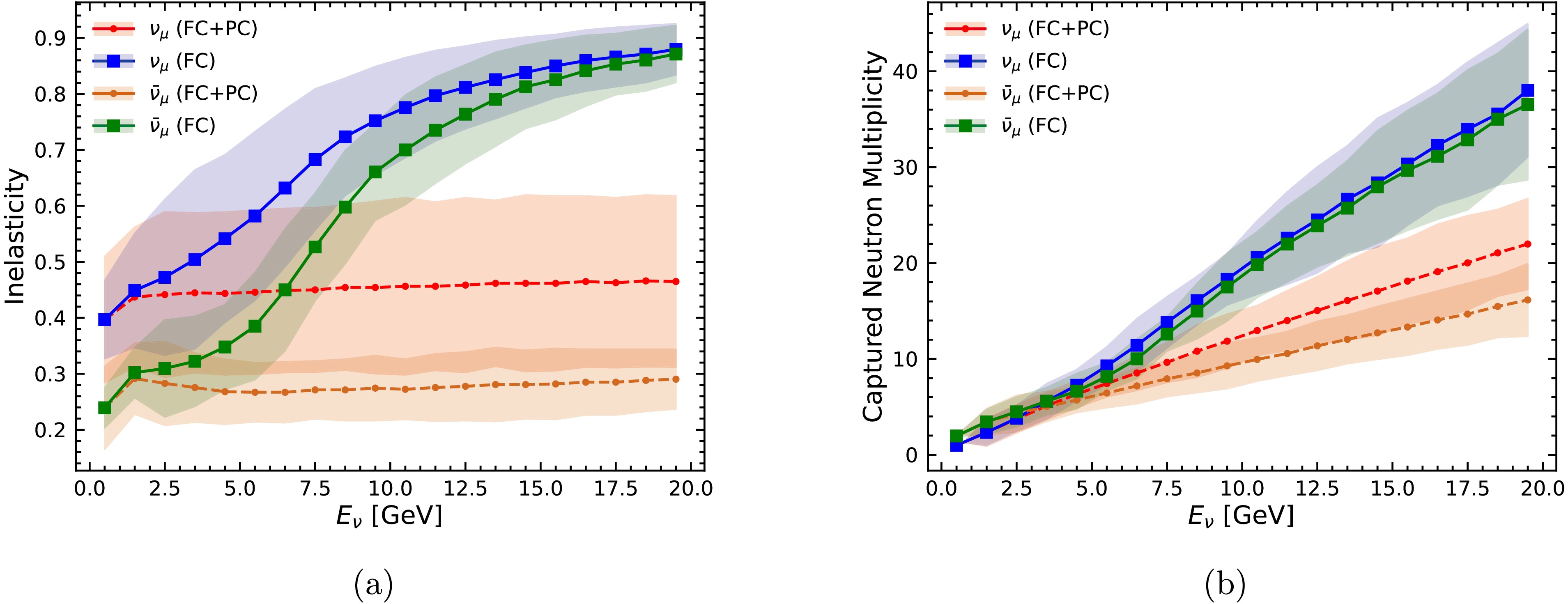
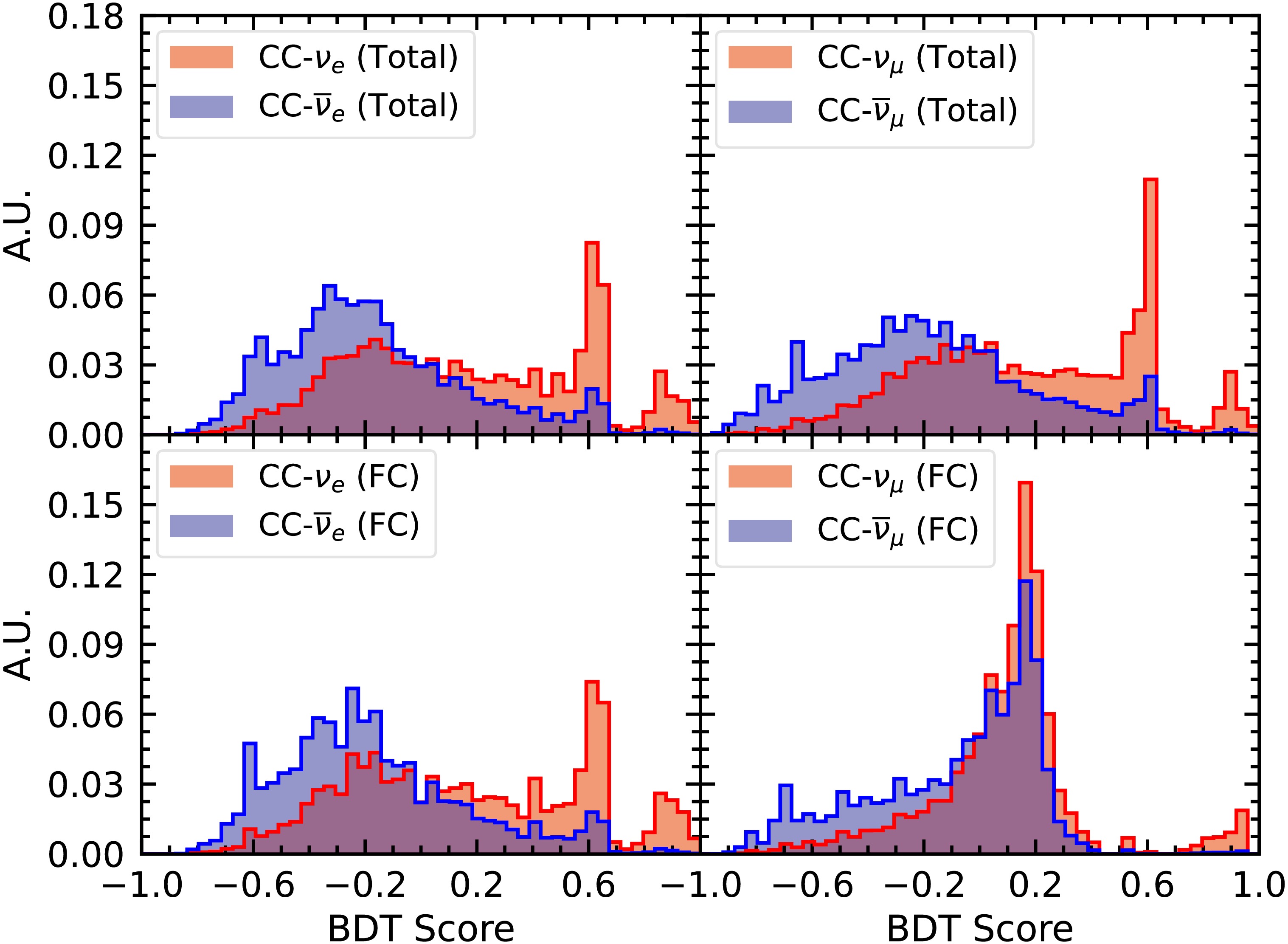
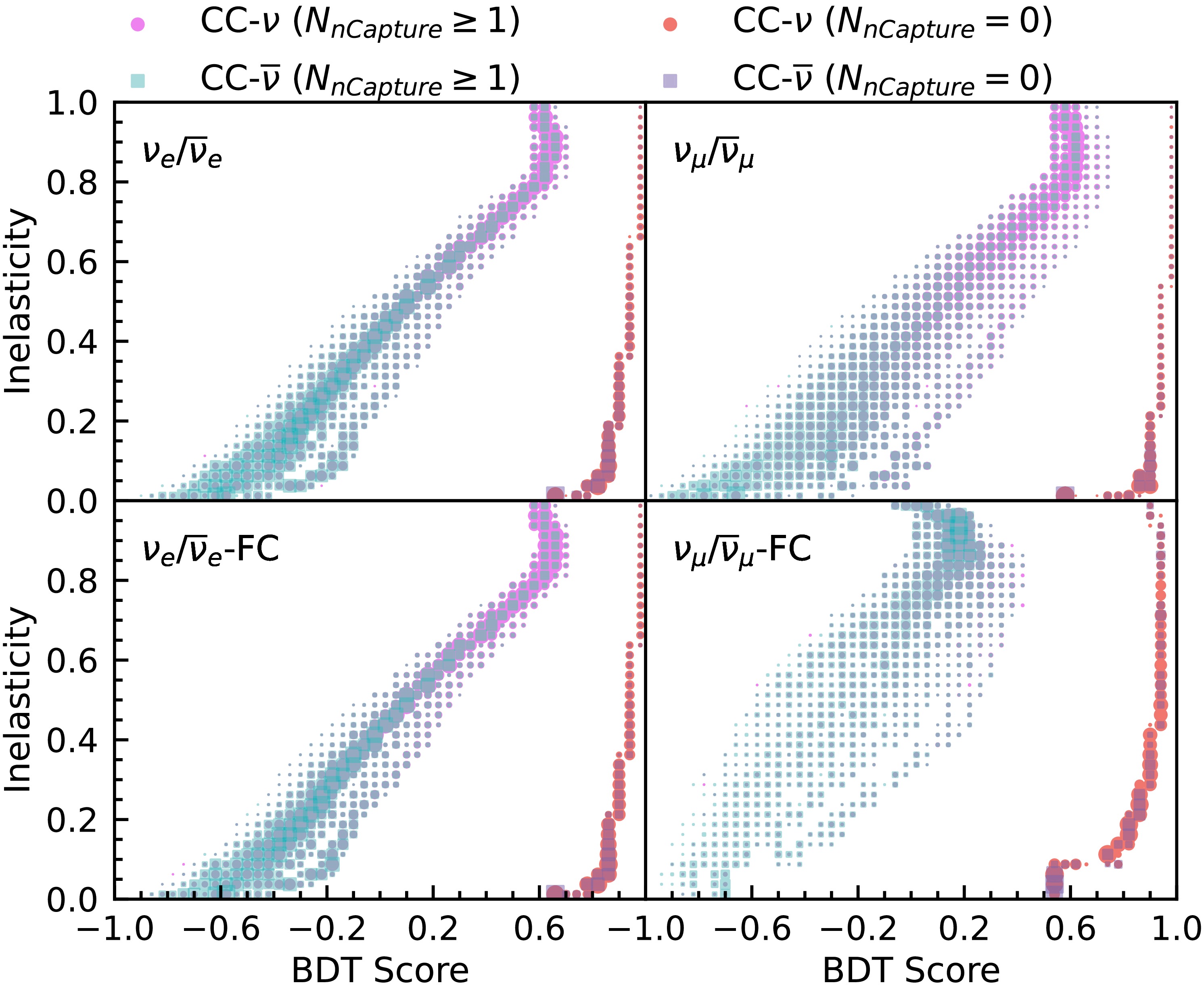
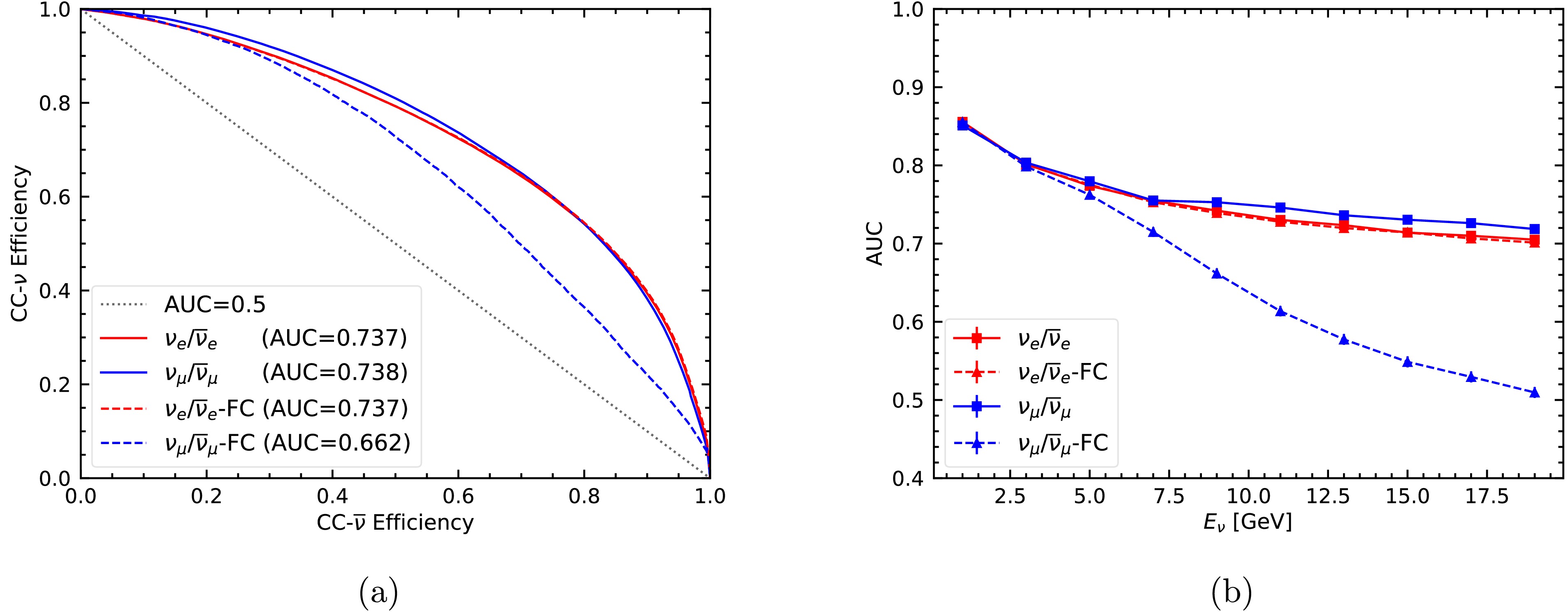
In this work, we present a systematic study of the event characteristics and underlying physics relevant to neutrino-antineutrino discrimination in atmospheric neutrino charged-current interactions in large liquid scintillator detectors. This study encompasses the primary neutrino interactions, the subsequent secondary interactions of final-state particles, and the ensuing neutron captures. We investigate in detail the properties of final-state charged leptons and hadrons, deriving distinct distributions of inelasticity and neutron-capture multiplicity for both neutrino and antineutrino interactions. These distributions are used to quantify the performance of neutrino-antineutrino discrimination. Our findings lay the groundwork for atmospheric neutrino oscillation studies in large liquid scintillator detectors, particularly for determining the neutrino mass ordering.
In this work, we present a systematic study of the event characteristics and underlying physics relevant to neutrino-antineutrino discrimination in atmospheric neutrino charged-current interactions in large liquid scintillator detectors. This study encompasses the primary neutrino interactions, the subsequent secondary interactions of final-state particles, and the ensuing neutron captures. We investigate in detail the properties of final-state charged leptons and hadrons, deriving distinct distributions of inelasticity and neutron-capture multiplicity for both neutrino and antineutrino interactions. These distributions are used to quantify the performance of neutrino-antineutrino discrimination. Our findings lay the groundwork for atmospheric neutrino oscillation studies in large liquid scintillator detectors, particularly for determining the neutrino mass ordering.


2026, 50(9): 093002. doi: 10.1088/1674-1137/ae7962
Abstract:
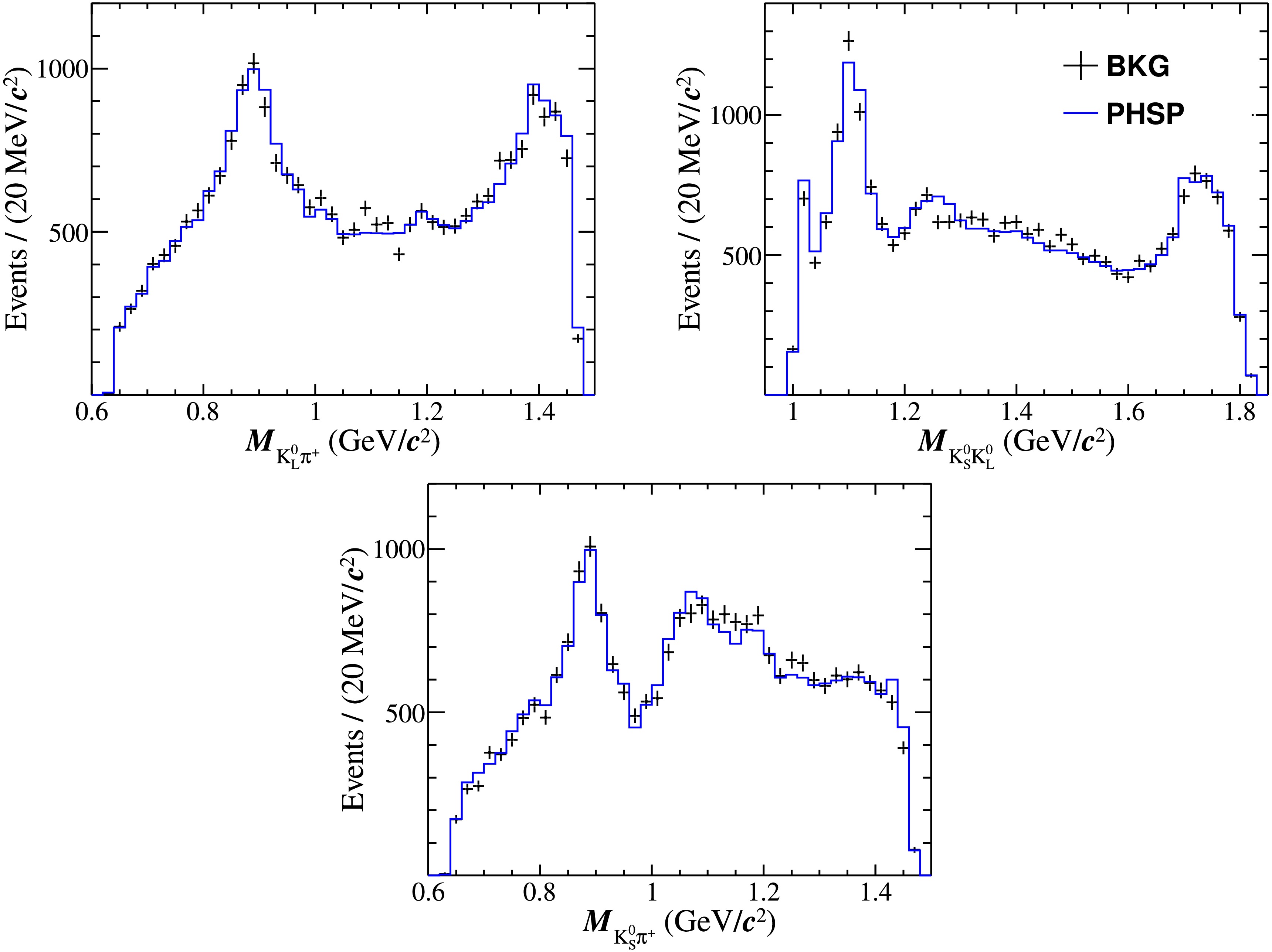
Amplitude analysis can bridge the gap between the experimental measurements of multibody charmed-meson decays and the theoretical predictions of intermediate two-body processes. This study presents a comprehensive overview of the amplitude-analysis methodology employed by the BESIII Collaboration, with an emphasis on practical implementation. We detail the construction of the probability density function and likelihood function for unbinned maximum-likelihood fits. The topics include Monte Carlo integration techniques for normalization, the incorporation of detection efficiency and resolution effects, and multidimensional background modeling utilizing extreme gradient boosting classifiers. Furthermore, we describe an amplitude formalism for both hadronic and semileptonic decays, incorporating standard resonance-propagator parametrizations. Key analytical aspects including the evaluation of fit fractions, generation of kinematic projections, and estimation of statistical uncertainties are also discussed.
Amplitude analysis can bridge the gap between the experimental measurements of multibody charmed-meson decays and the theoretical predictions of intermediate two-body processes. This study presents a comprehensive overview of the amplitude-analysis methodology employed by the BESIII Collaboration, with an emphasis on practical implementation. We detail the construction of the probability density function and likelihood function for unbinned maximum-likelihood fits. The topics include Monte Carlo integration techniques for normalization, the incorporation of detection efficiency and resolution effects, and multidimensional background modeling utilizing extreme gradient boosting classifiers. Furthermore, we describe an amplitude formalism for both hadronic and semileptonic decays, incorporating standard resonance-propagator parametrizations. Key analytical aspects including the evaluation of fit fractions, generation of kinematic projections, and estimation of statistical uncertainties are also discussed.
2026, 50(9): 093101. doi: 10.1088/1674-1137/ae740d
Abstract:
We investigate the frame dependence of distribution functions within the framework of generalized chiral kinetic theory. Based on the derived transformation rules governing the choice of frame, we analytically obtain the global equilibrium solutions in the presence of vorticity and electromagnetic fields. Our results show that, under the assumption of varying electromagnetic fields, these equilibrium solutions can be uniquely determined.
We investigate the frame dependence of distribution functions within the framework of generalized chiral kinetic theory. Based on the derived transformation rules governing the choice of frame, we analytically obtain the global equilibrium solutions in the presence of vorticity and electromagnetic fields. Our results show that, under the assumption of varying electromagnetic fields, these equilibrium solutions can be uniquely determined.
2026, 50(9): 093102. doi: 10.1088/1674-1137/ae6ed2
Abstract:
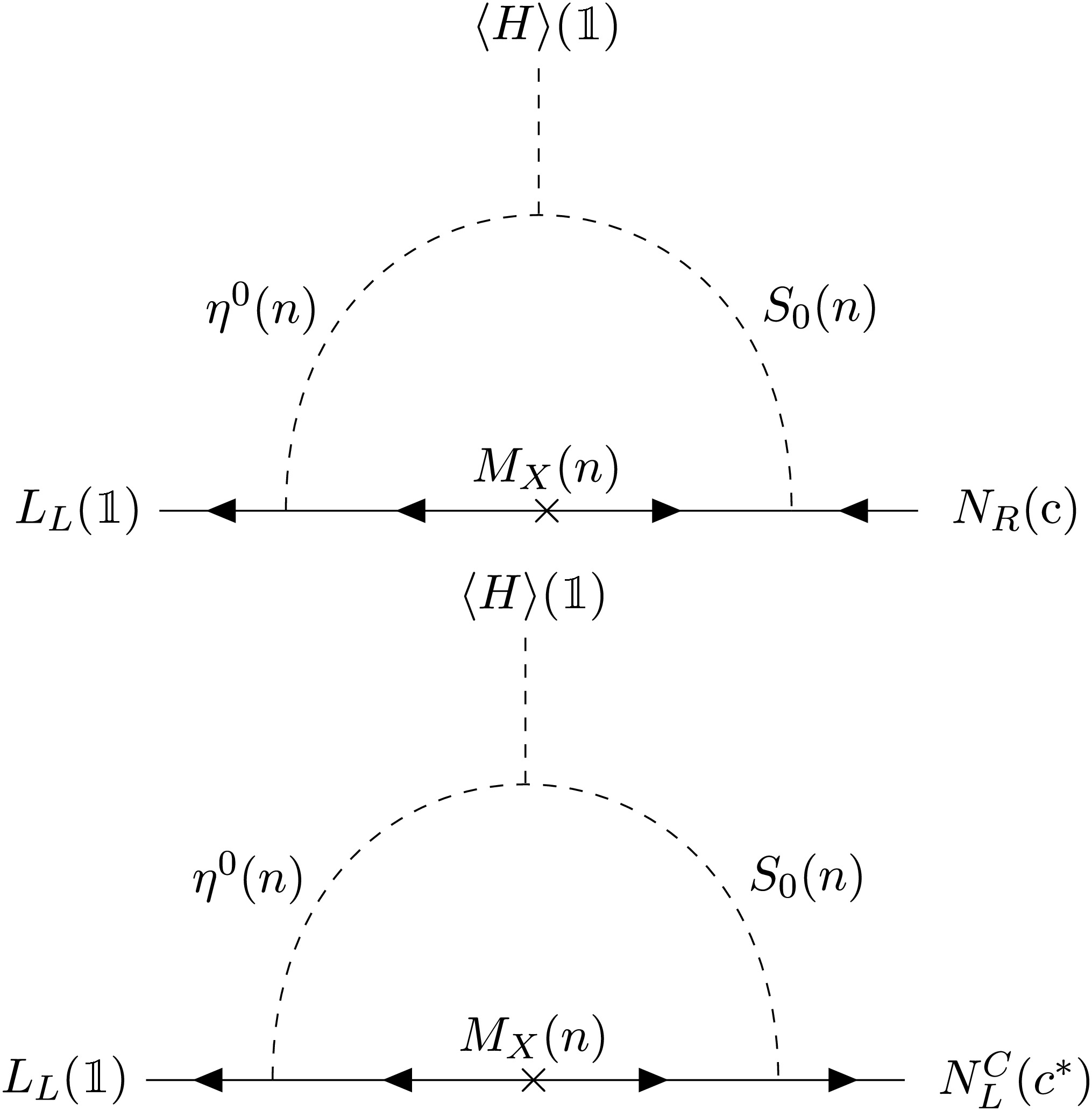
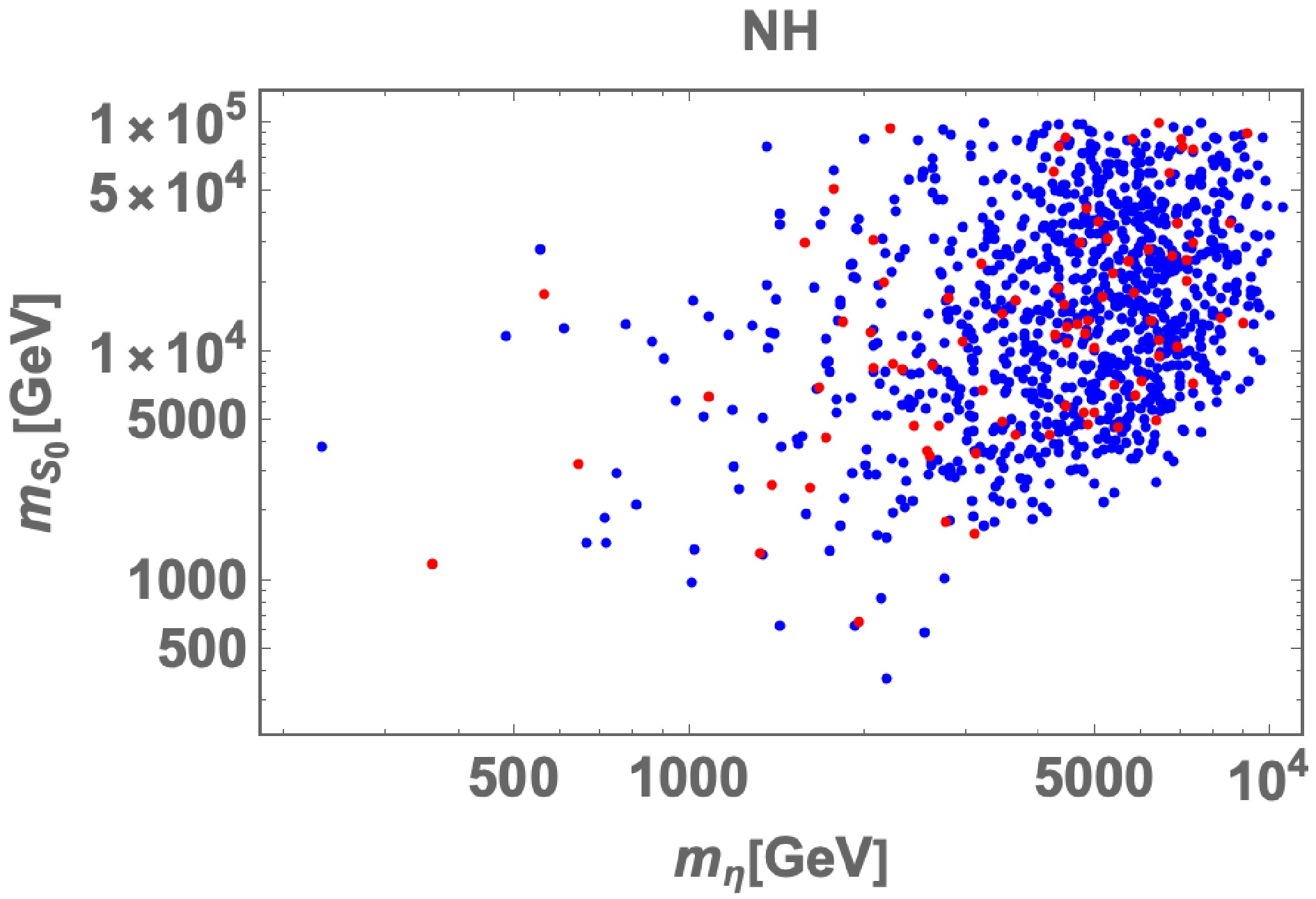
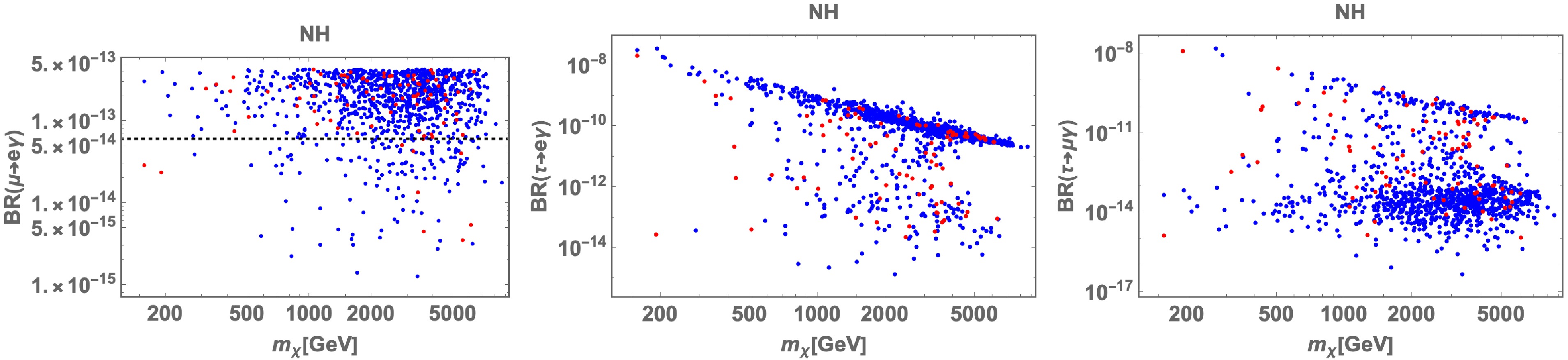
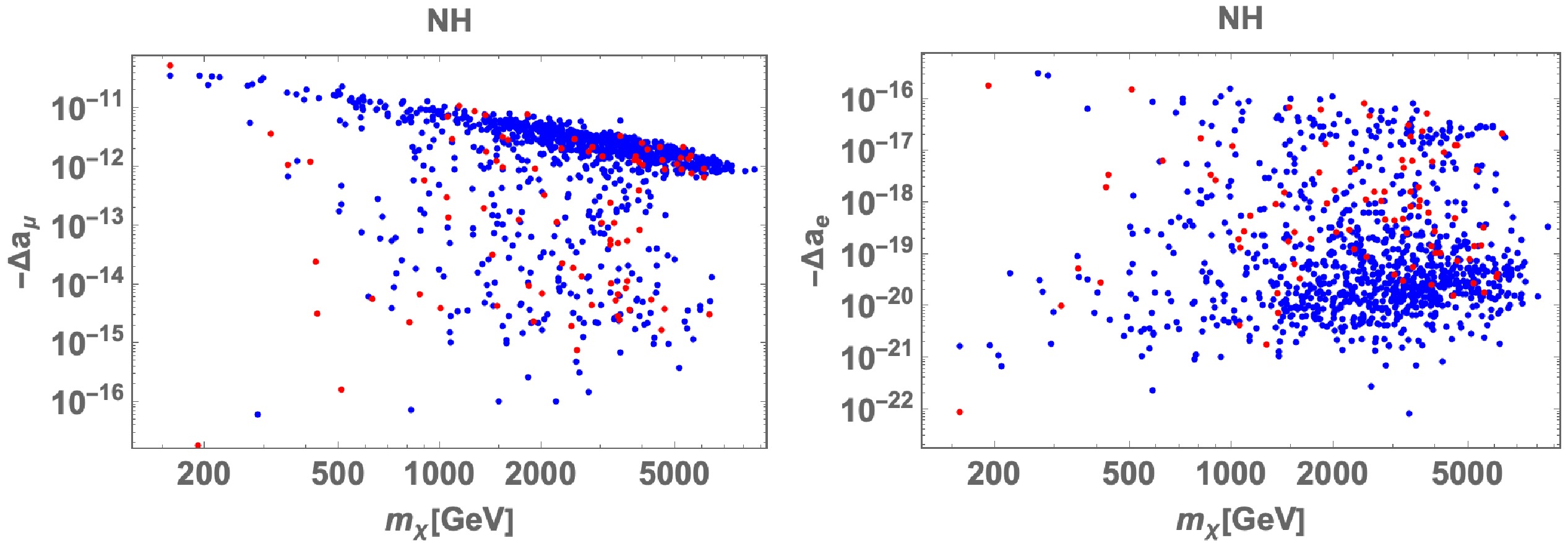
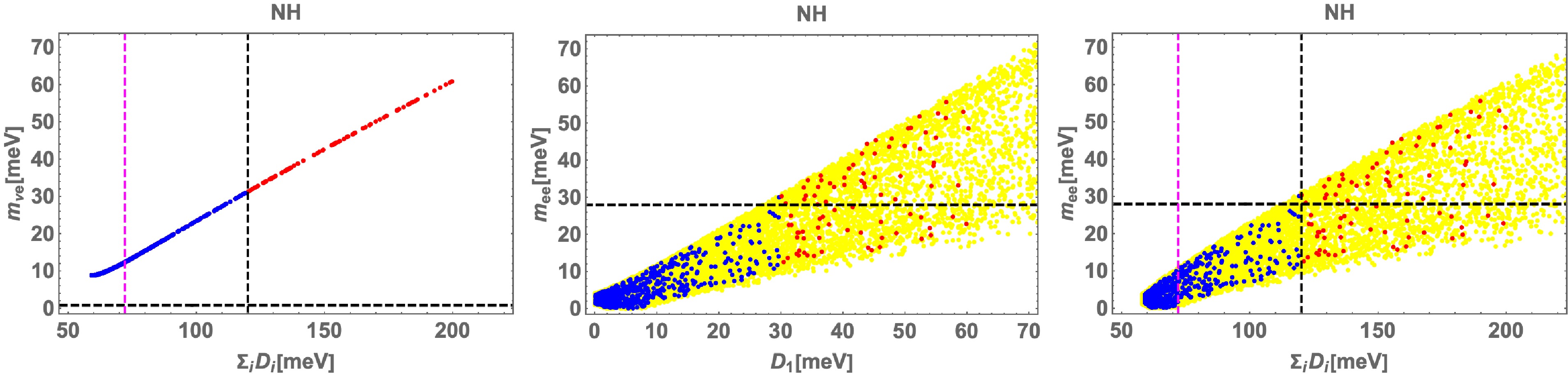
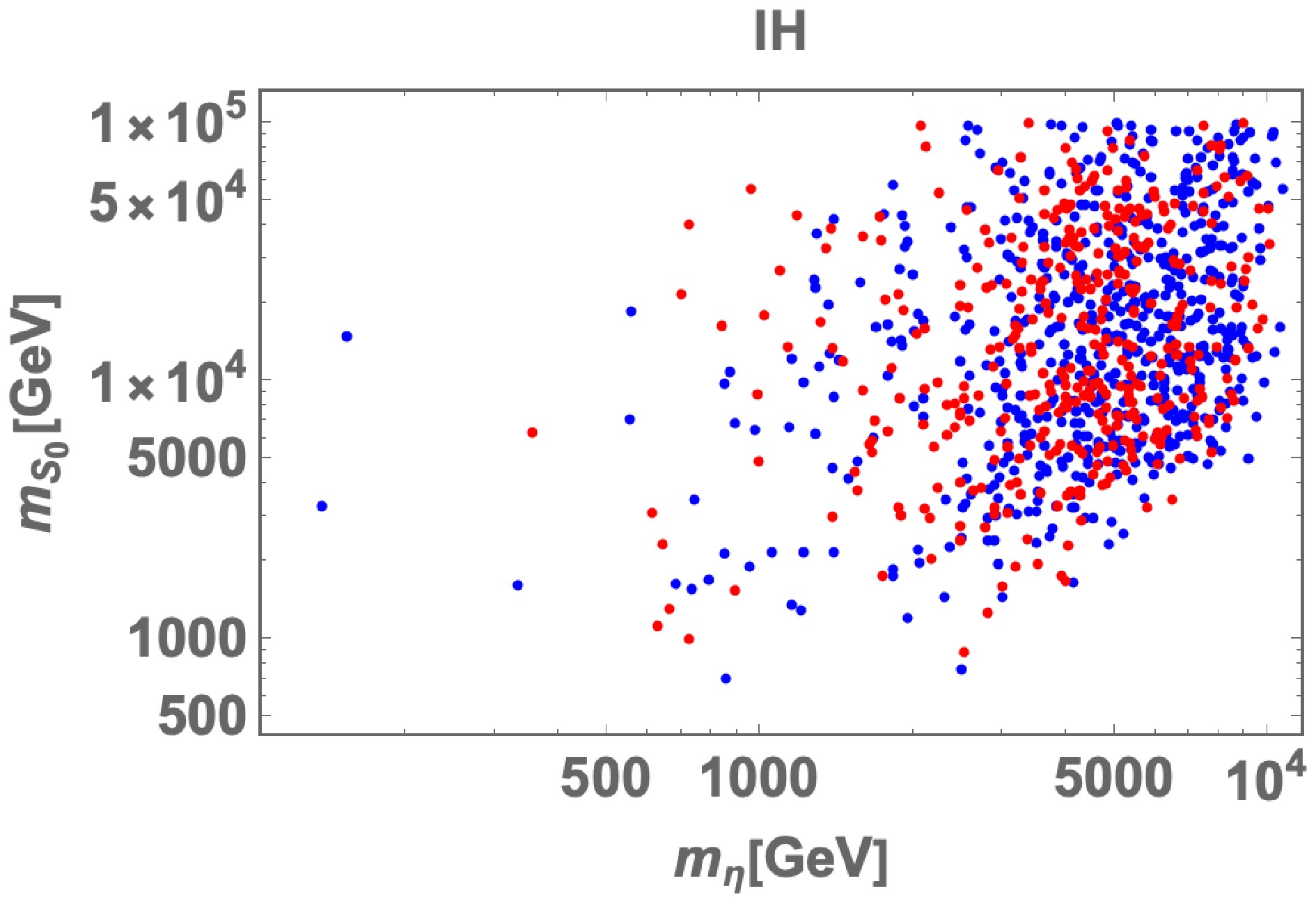
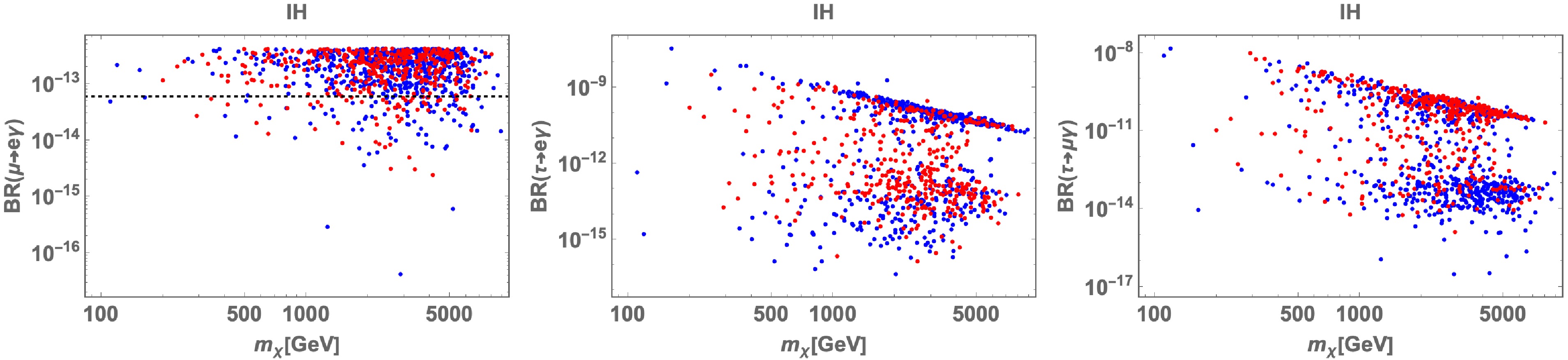
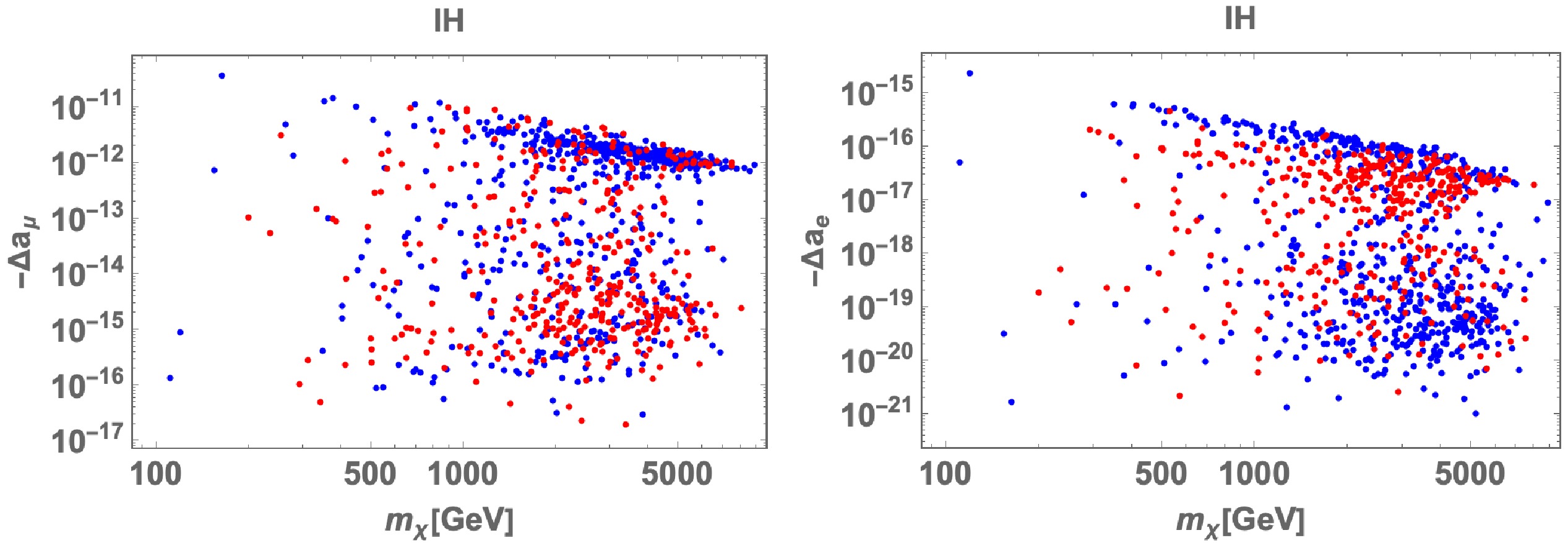
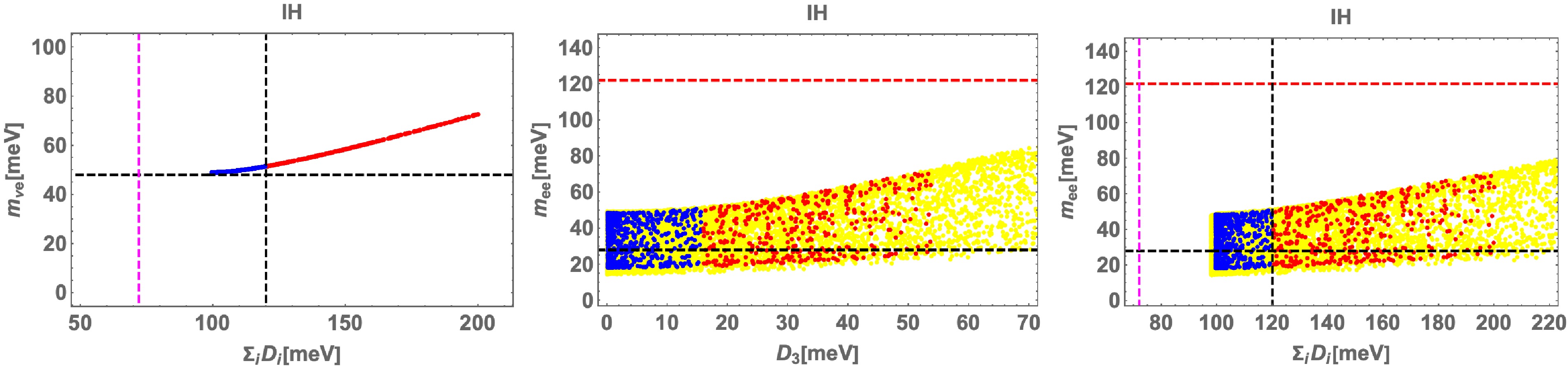
We propose a novel realization of the linear seesaw model with a non-invertible selection rule, assisted by\begin{document}$\mathbb{Z}_3$\end{document}
We propose a novel realization of the linear seesaw model with a non-invertible selection rule, assisted by
2026, 50(9): 093103. doi: 10.1088/1674-1137/ae6da1
Abstract:
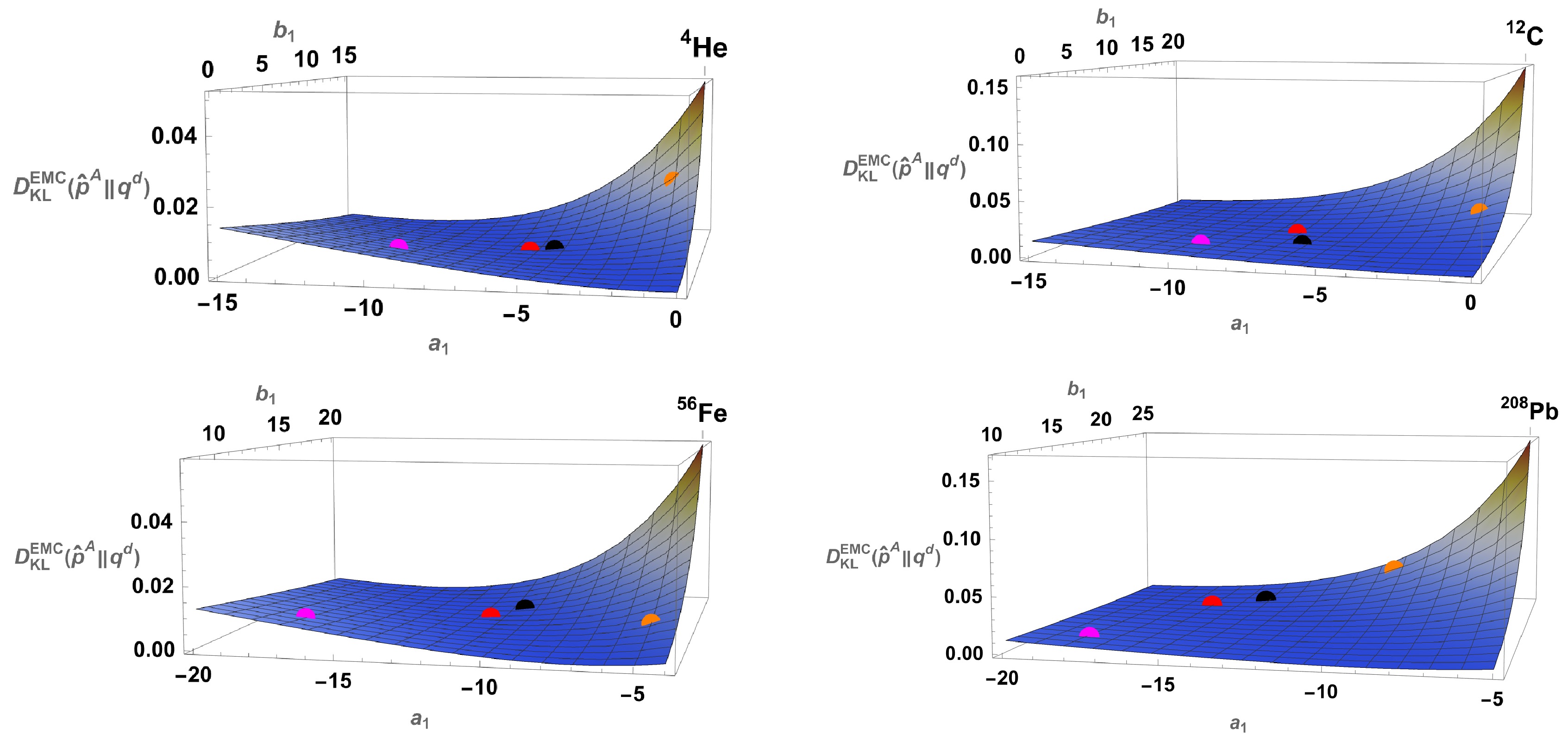
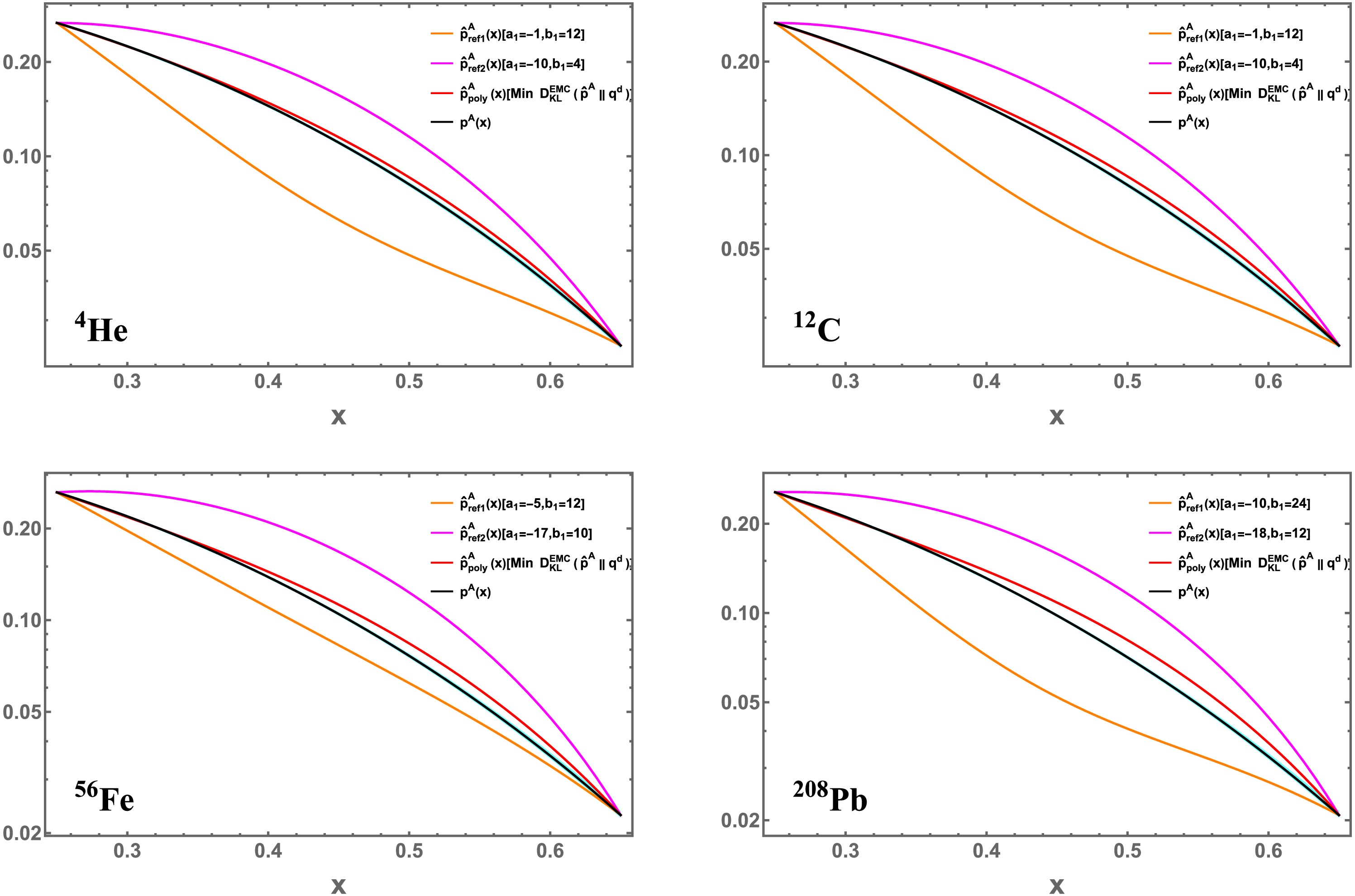
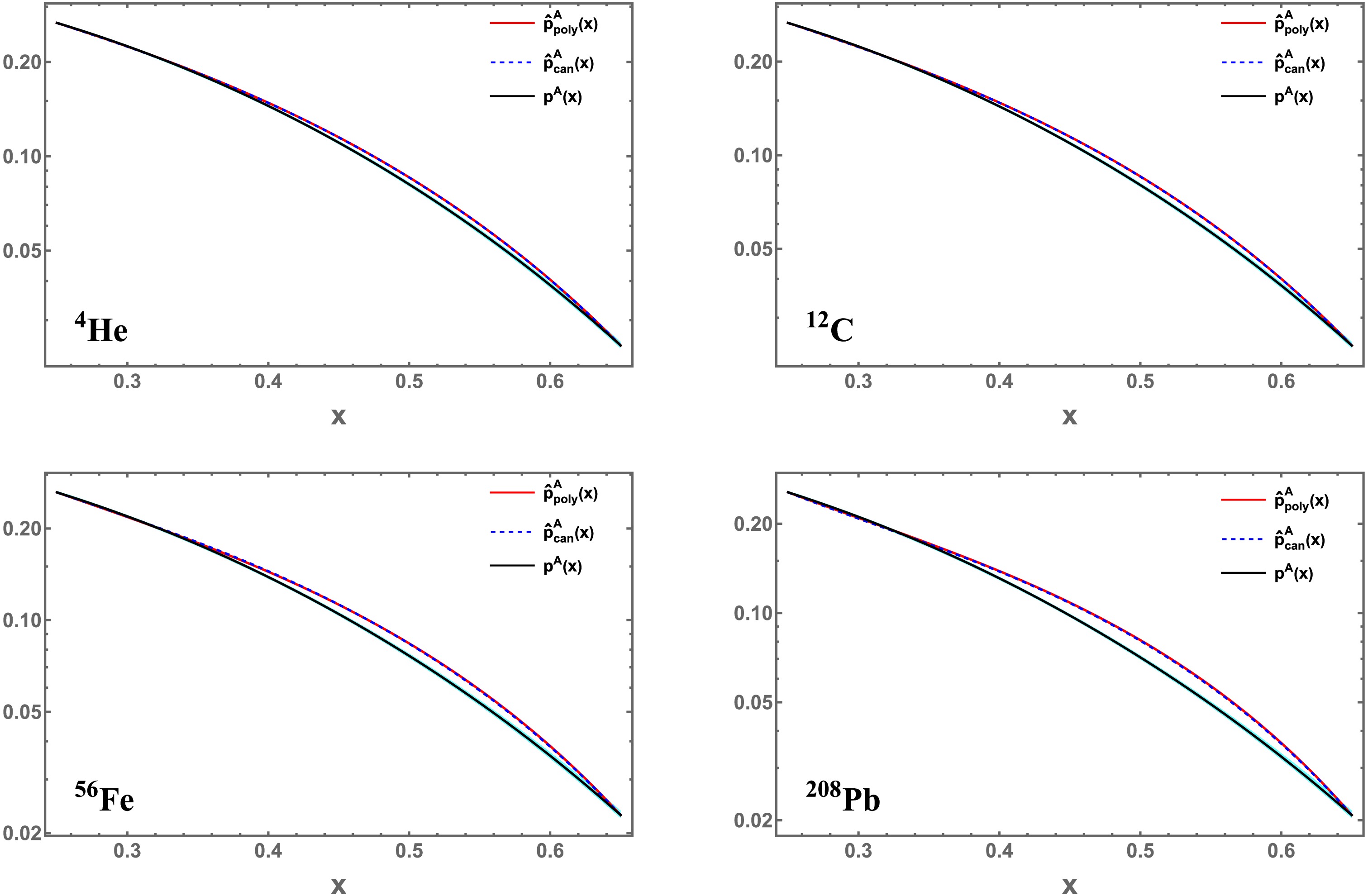
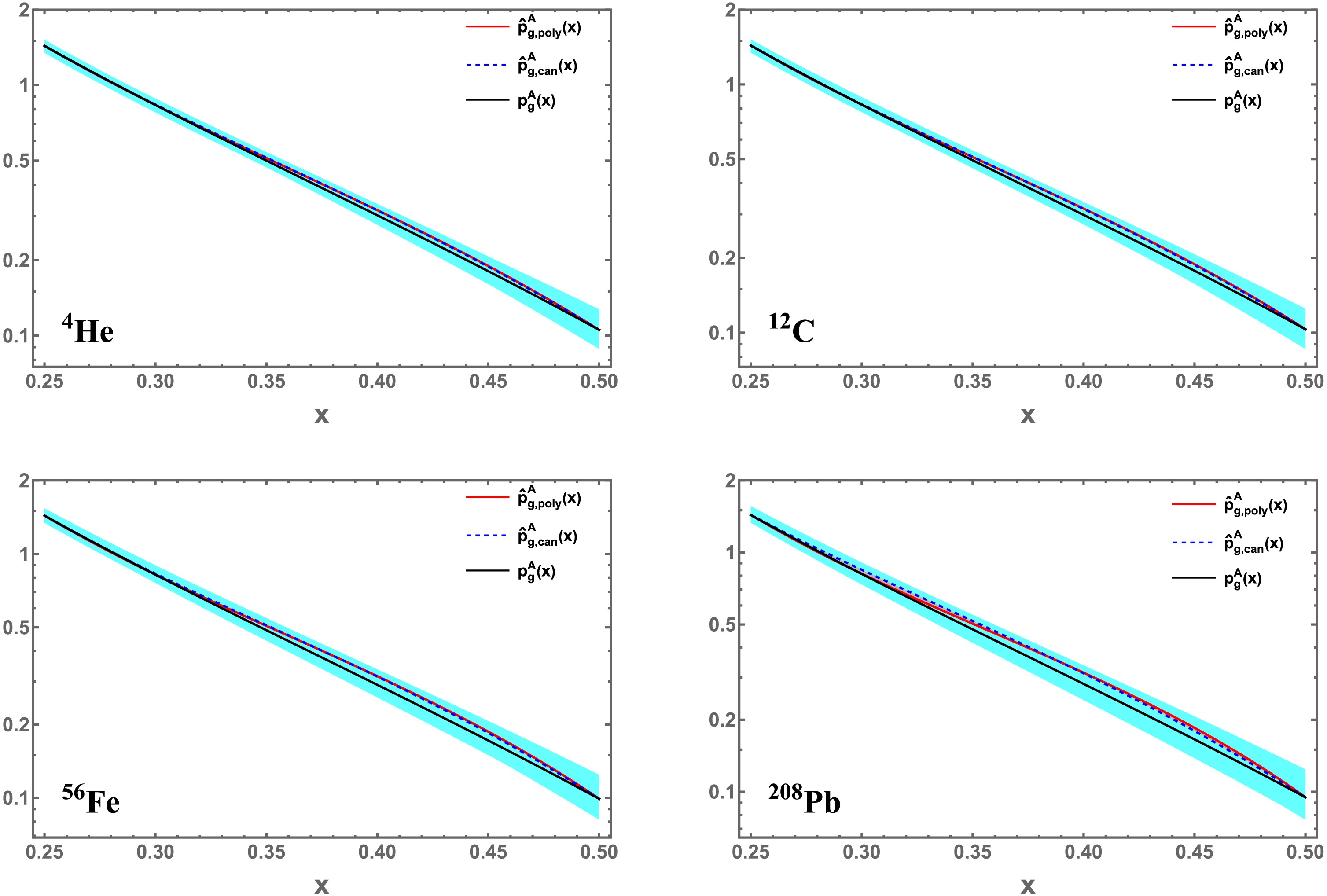
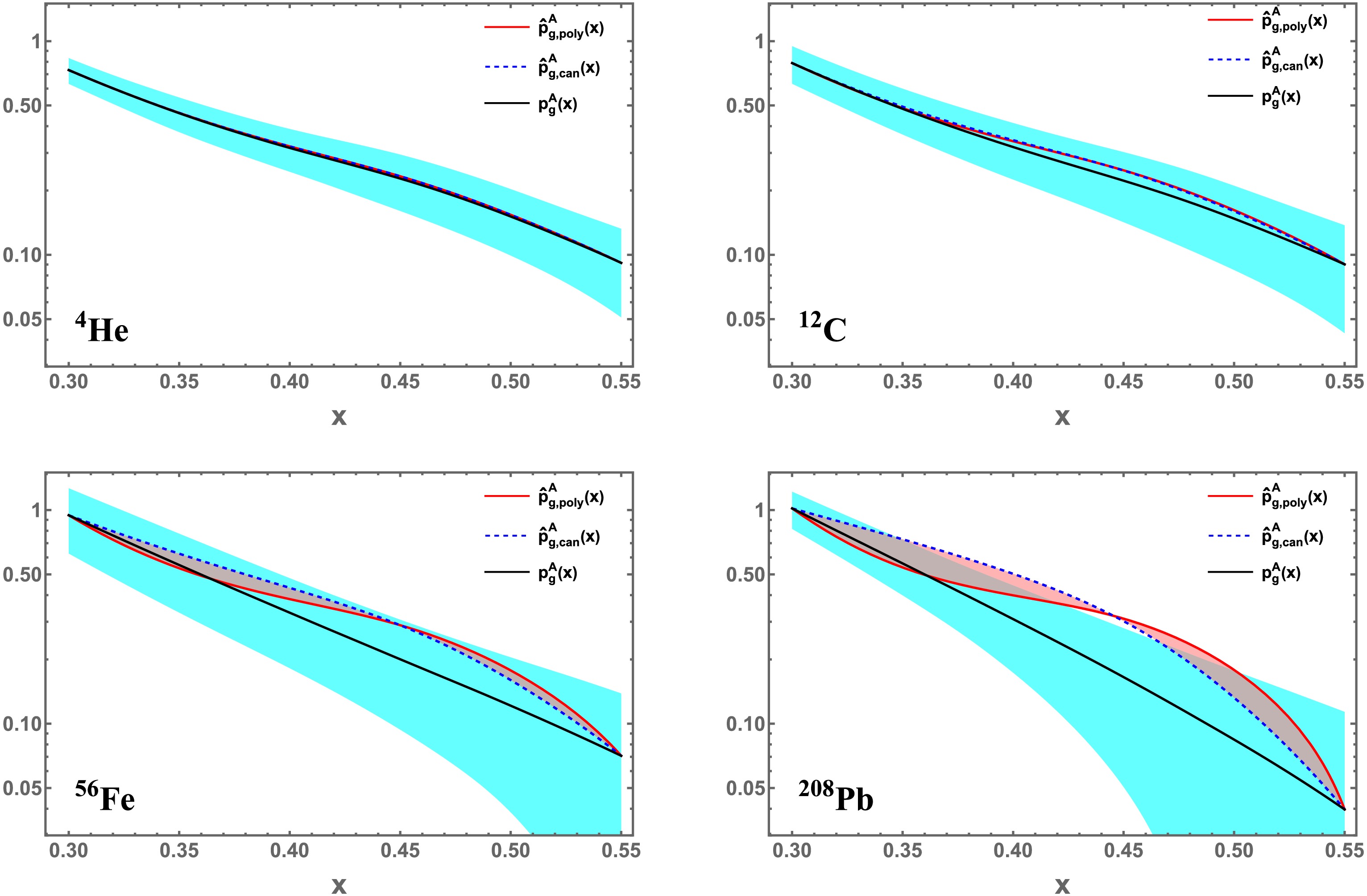
In this work, we propose a method for quantifying the difference between nuclear parton distribution functions in different nuclei and parton distribution functions in free nucleons using relative entropy (also known as the Kullback-Leibler divergence), a measure widely employed in quantum information theory. By introducing certain constraints and the ''minimum relative entropy'' hypothesis, we can determine the shape of the structure function in the intermediate-x region, which is closely connected to the renowned EMC effect. For quark structure functions, our results are consistent with the latest global fits to experimental data. This agreement suggests that the relative entropy-based methodology may provide novel insights into nucleon structure, particularly in cases where experimental data and theoretical QCD constraints are limited, such as those relevant to gluon nPDFs. Therefore, we apply this methodology to gluon nPDFs, analyzing the results from two commonly used global fitting groups, EPPS21 and nNNPDF3.0. Our analysis suggests that the central values of EPPS21 align more closely with the ''minimum relative entropy'' hypothesis. This finding underscores the utility of the proposed method and provides a valuable reference for future global fits of nPDFs.
In this work, we propose a method for quantifying the difference between nuclear parton distribution functions in different nuclei and parton distribution functions in free nucleons using relative entropy (also known as the Kullback-Leibler divergence), a measure widely employed in quantum information theory. By introducing certain constraints and the ''minimum relative entropy'' hypothesis, we can determine the shape of the structure function in the intermediate-x region, which is closely connected to the renowned EMC effect. For quark structure functions, our results are consistent with the latest global fits to experimental data. This agreement suggests that the relative entropy-based methodology may provide novel insights into nucleon structure, particularly in cases where experimental data and theoretical QCD constraints are limited, such as those relevant to gluon nPDFs. Therefore, we apply this methodology to gluon nPDFs, analyzing the results from two commonly used global fitting groups, EPPS21 and nNNPDF3.0. Our analysis suggests that the central values of EPPS21 align more closely with the ''minimum relative entropy'' hypothesis. This finding underscores the utility of the proposed method and provides a valuable reference for future global fits of nPDFs.
2026, 50(9): 093104. doi: 10.1088/1674-1137/ae71a6
Abstract:
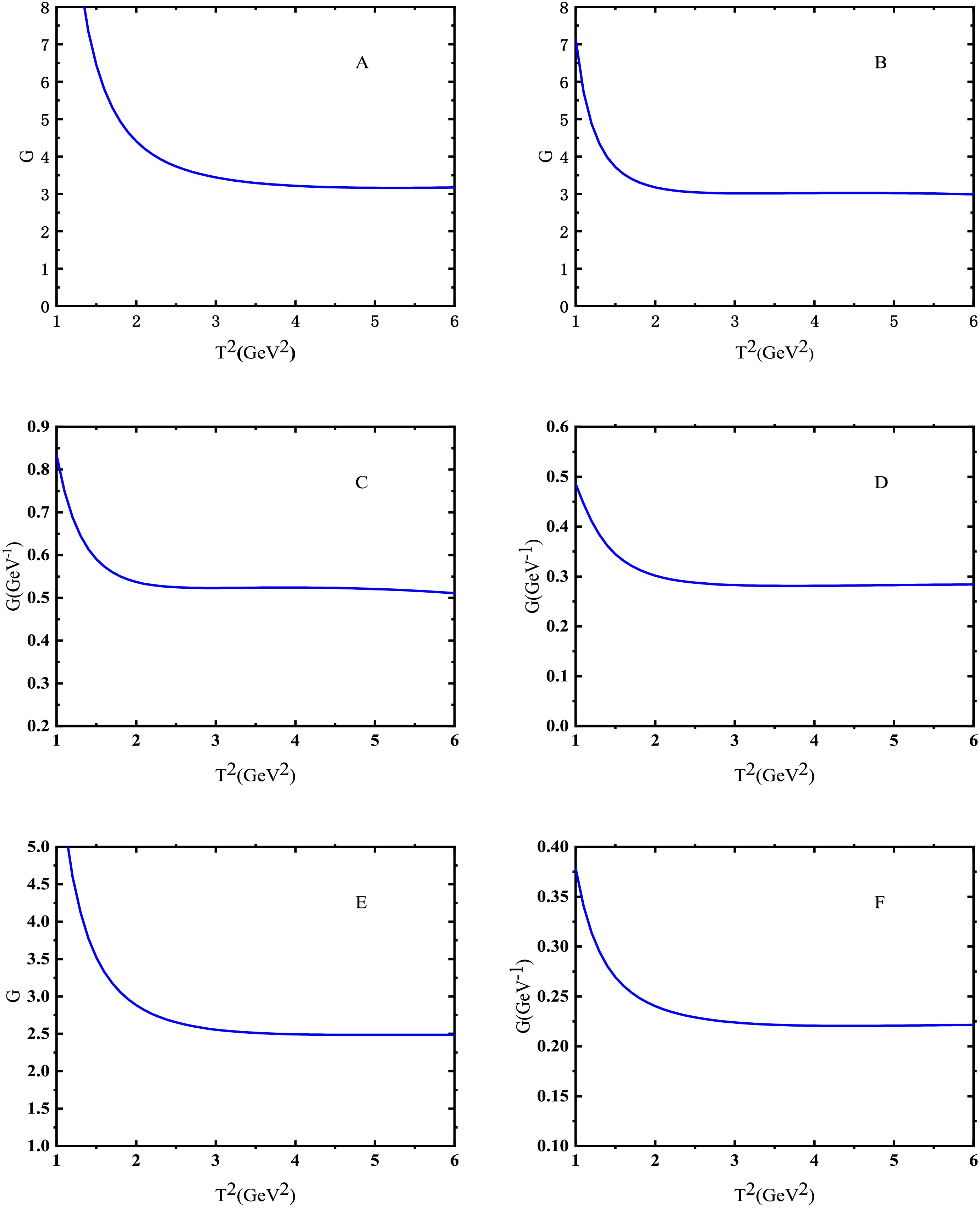
Motivated by the enigmatic vector charmonium-like states, we investigate the strong decay behaviors of four types of vector tetraquark states, which are possible candidates for the\begin{document}$Y(4660)$\end{document} \begin{document}$61.5\pm7.3\,{\rm{MeV}}$\end{document} \begin{document}$Y(4660)$\end{document} \begin{document}$[sc][\bar{s}\bar{c}]$\end{document} \begin{document}$J^{PC}=1^{--}$\end{document}
Motivated by the enigmatic vector charmonium-like states, we investigate the strong decay behaviors of four types of vector tetraquark states, which are possible candidates for the
2026, 50(9): 093105. doi: 10.1088/1674-1137/ae76fa
Abstract:
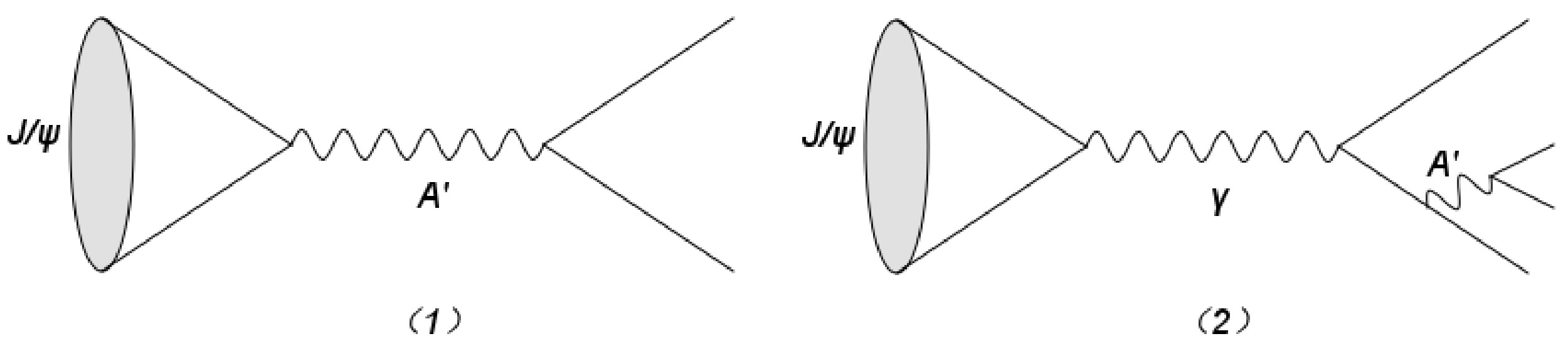
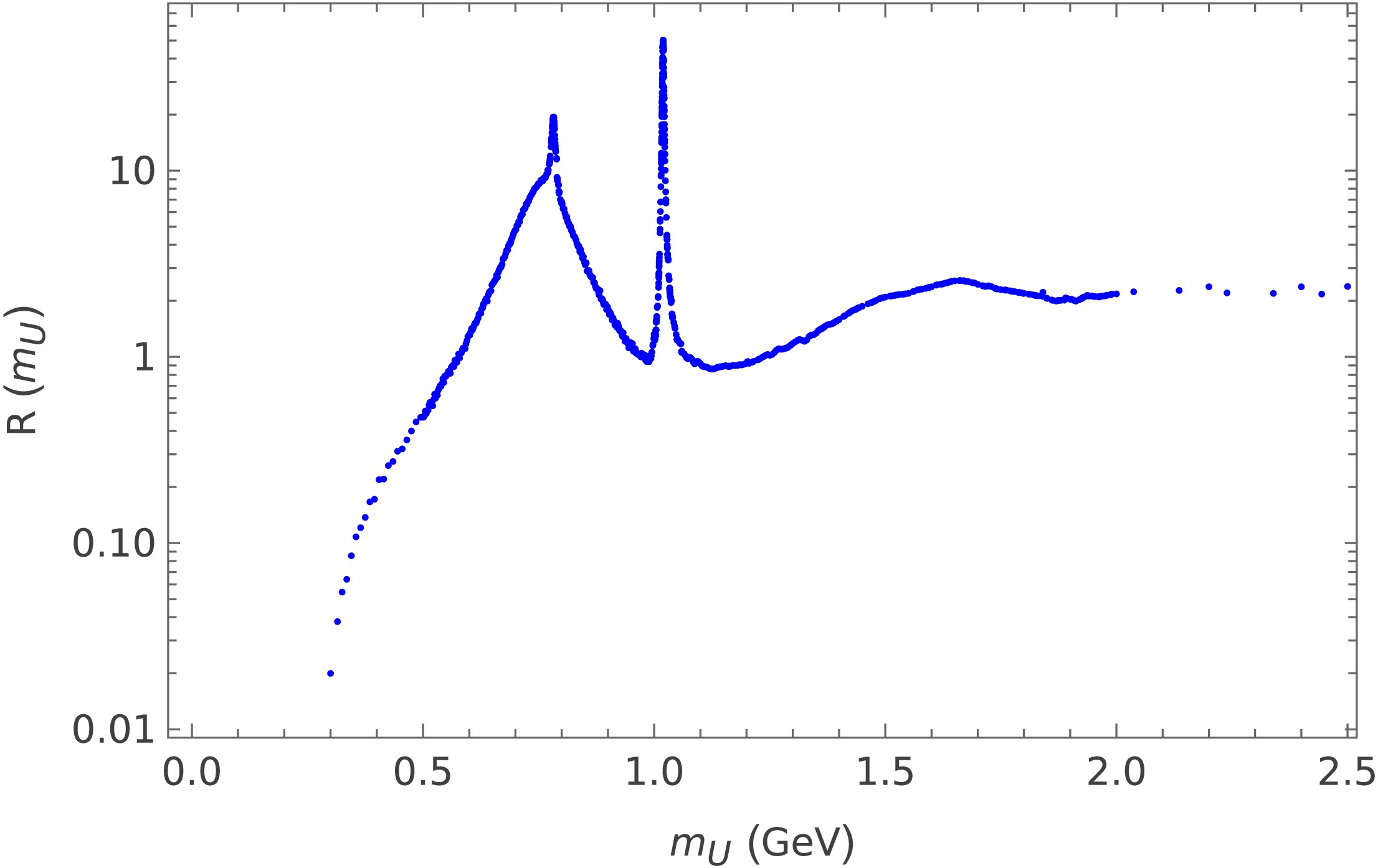
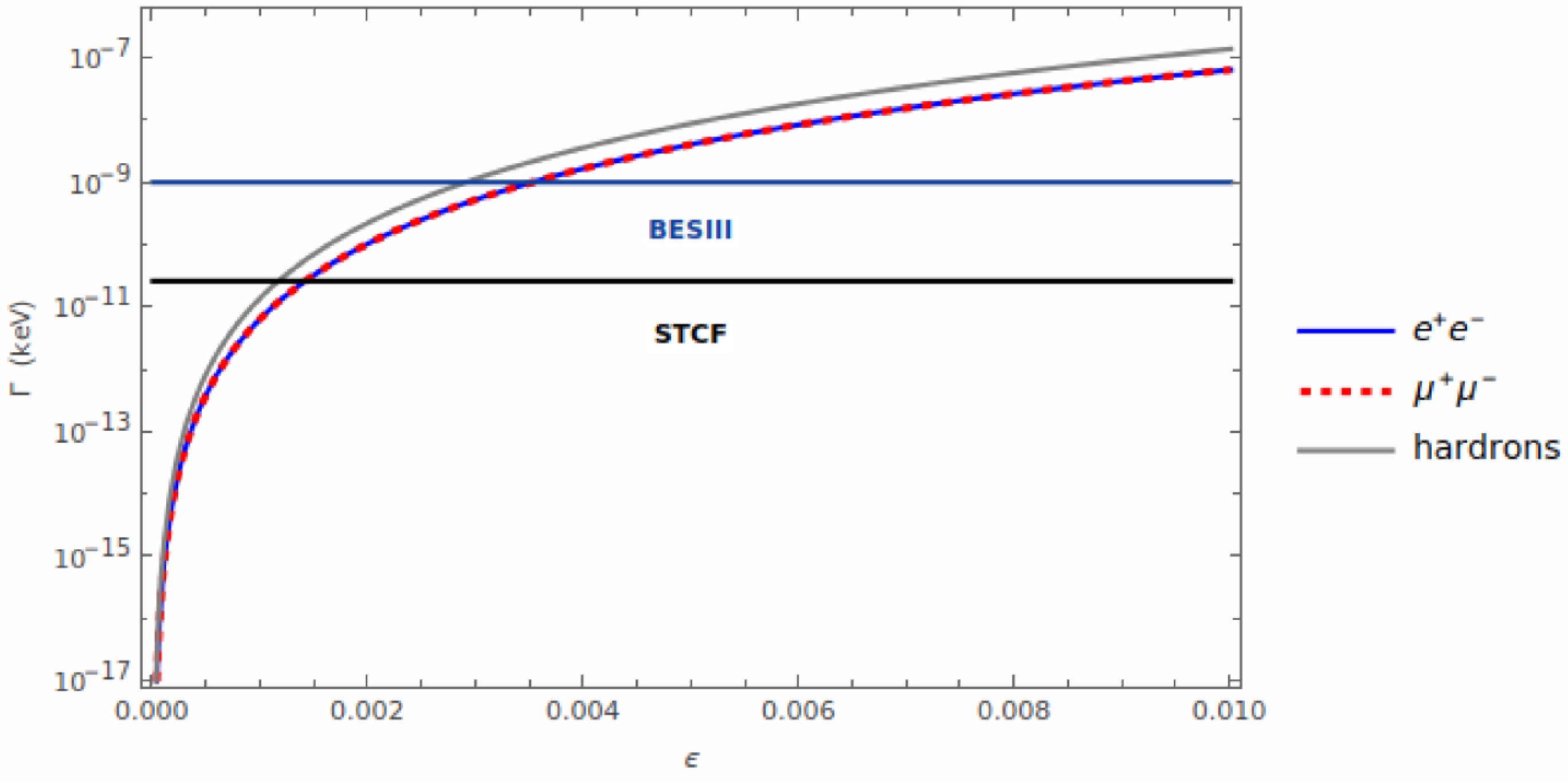
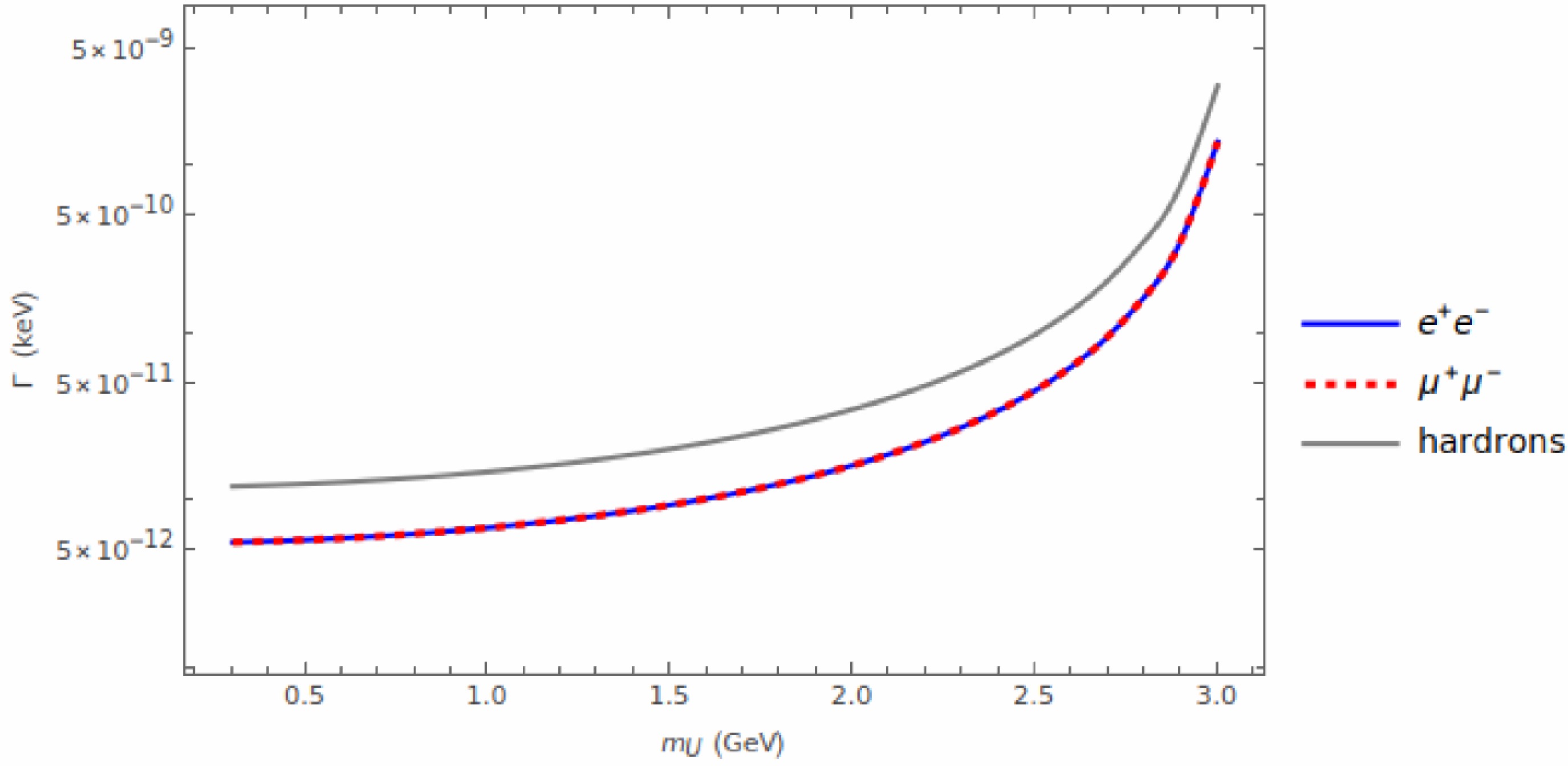
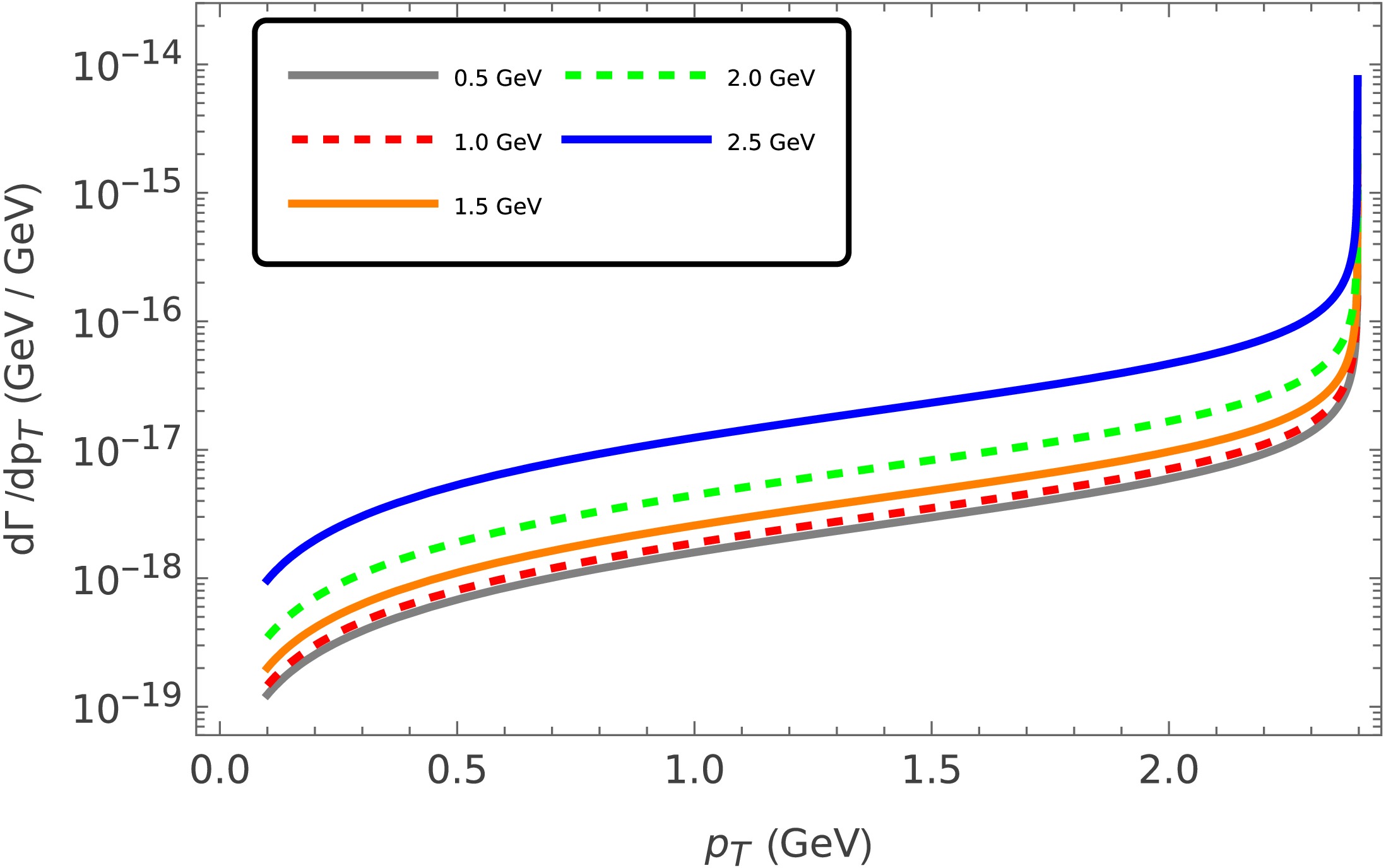
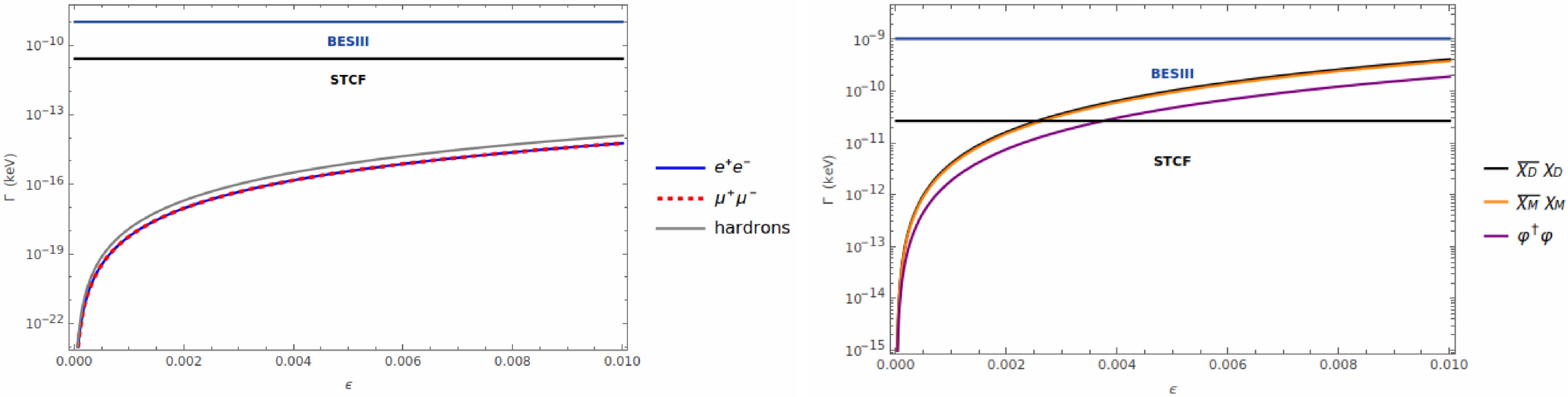
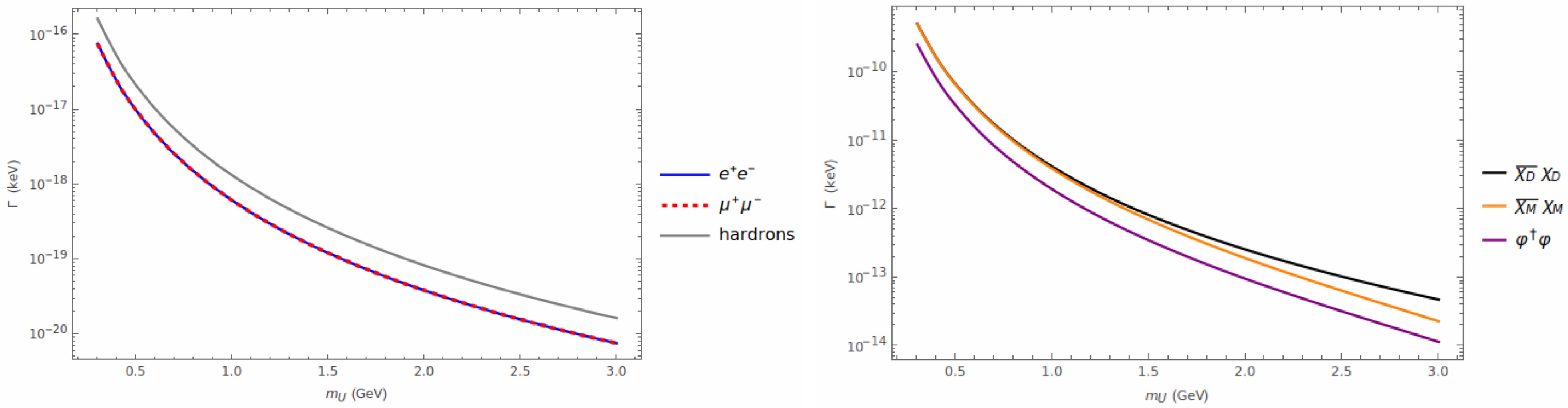
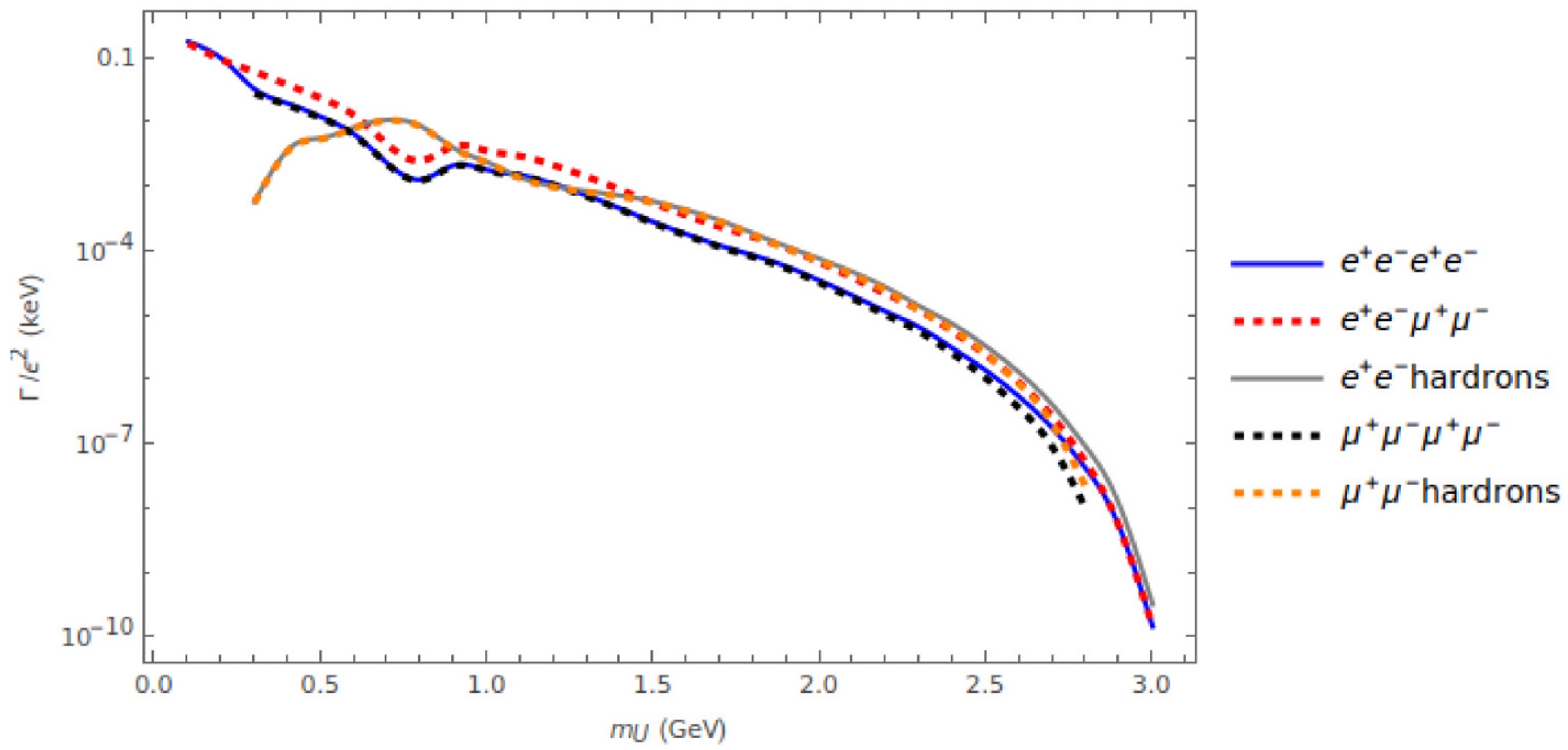
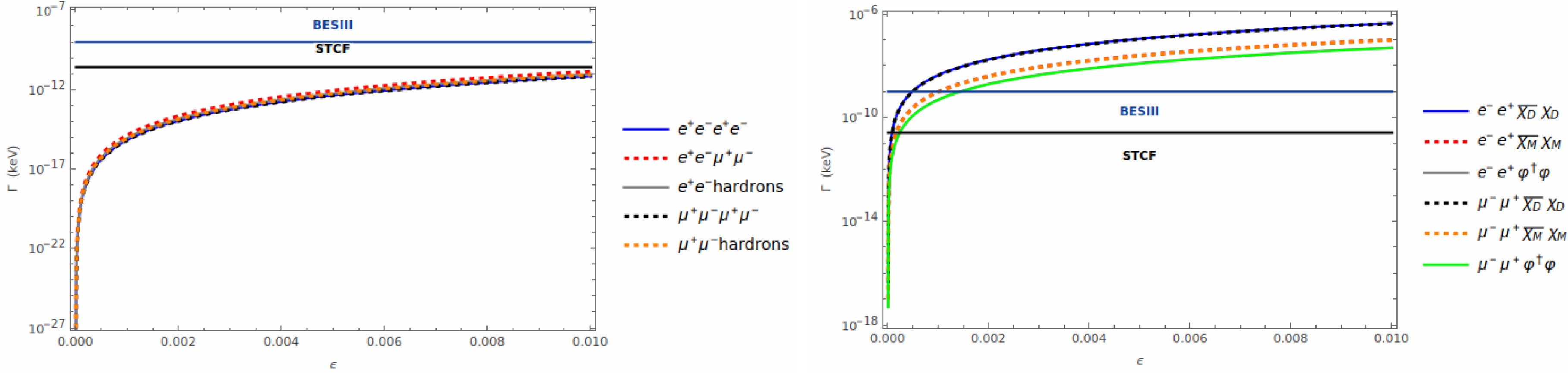
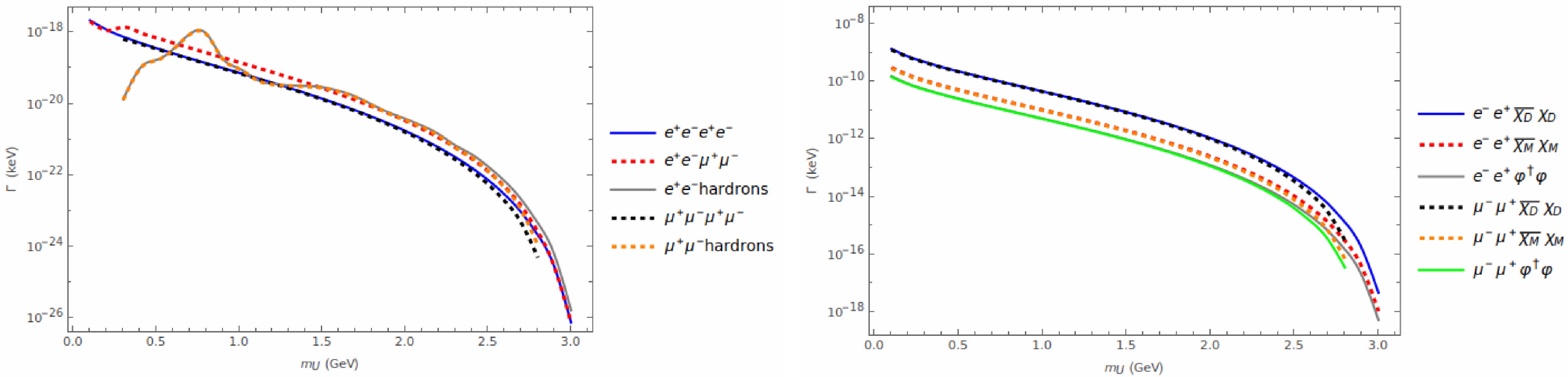
A dark photon is an Abelian gauge boson arising from a new\begin{document}$ U(1)_D $\end{document} \begin{document}$ g_\chi $\end{document} \begin{document}$ J/\psi $\end{document} \begin{document}$ m_U \lt 3.0 $\end{document} \begin{document}$ m_U $\end{document} \begin{document}$ m_U<2m_\chi $\end{document} \begin{document}$ 9.3\times10^{-4} $\end{document} \begin{document}$ 7.6\times10^{-4} $\end{document} \begin{document}$ 3.7\times10^{-4} $\end{document} \begin{document}$ 3.1\times10^{-4} $\end{document} \begin{document}$ m_U\ge 2m_\chi $\end{document} \begin{document}$ 1.4\times10^{-3} $\end{document} \begin{document}$ 0.3\sim0.8 $\end{document} \begin{document}$ 2.3\times10^{-4} $\end{document} \begin{document}$ 0.3\sim1.9 $\end{document} \begin{document}$ 7.6\times10^{-5} $\end{document} \begin{document}$ m_U<2.2 $\end{document} \begin{document}$ 1.2\times10^{-5} $\end{document} \begin{document}$ m_U\ge 2m_\chi $\end{document} \begin{document}$ 8.8\times10^{-5} $\end{document} \begin{document}$ m_U \lt 2.4 $\end{document} \begin{document}$ 1.4\times10^{-5} $\end{document} \begin{document}$ m_U \lt 2.8 $\end{document} \begin{document}$ 9.3\times10^{-4} $\end{document} \begin{document}$ \Gamma/\Gamma_{J/\psi} $\end{document} \begin{document}$ S/\sqrt{B} $\end{document} \begin{document}$ p_T $\end{document}
A dark photon is an Abelian gauge boson arising from a new
2026, 50(9): 093106. doi: 10.1088/1674-1137/ae740b
Abstract:
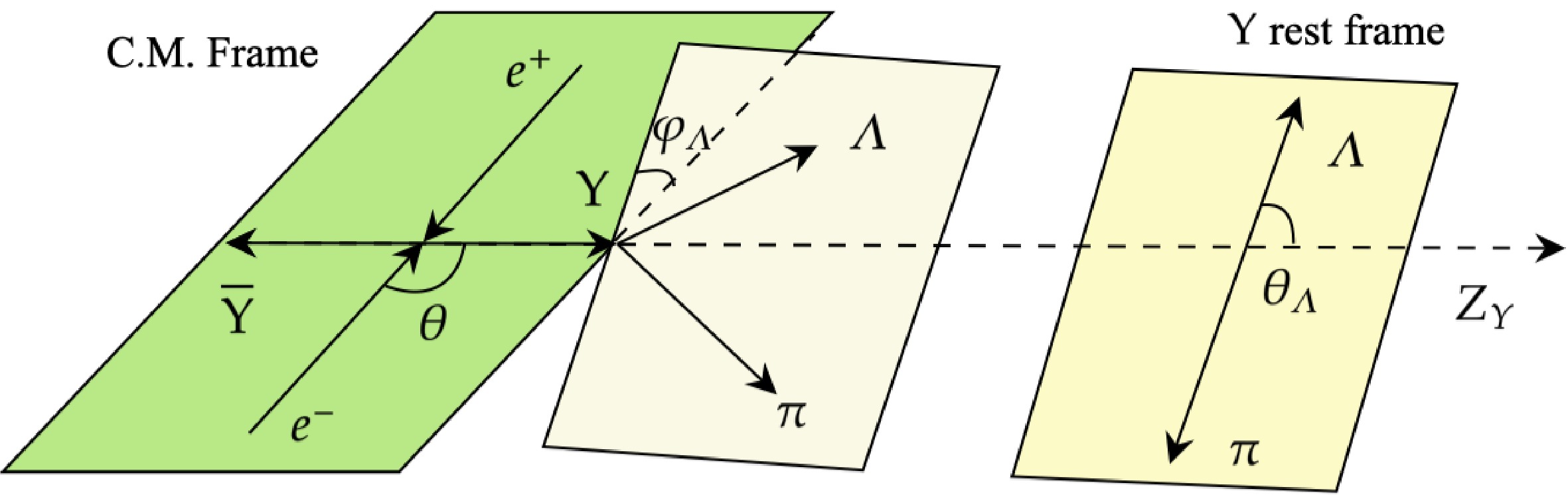
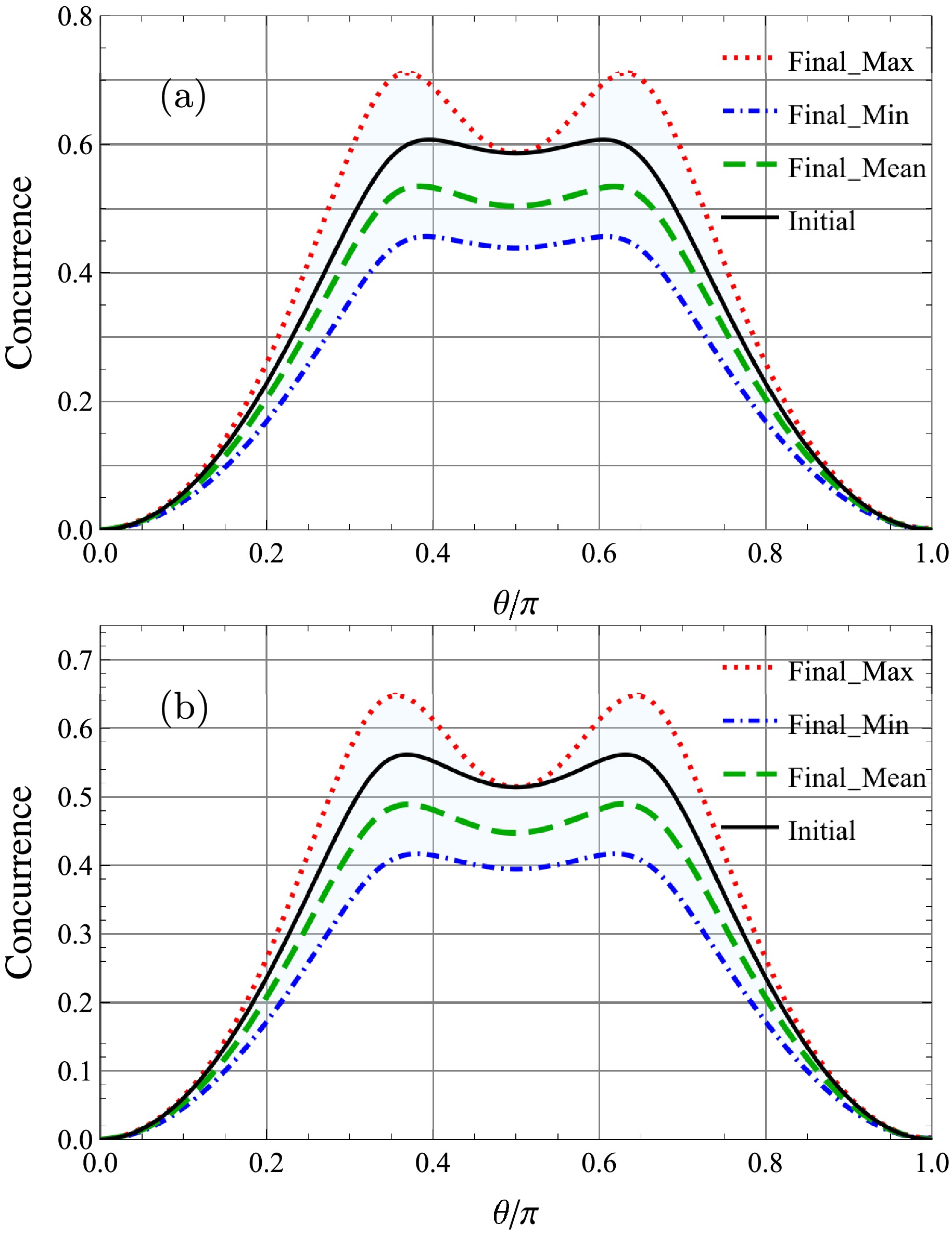
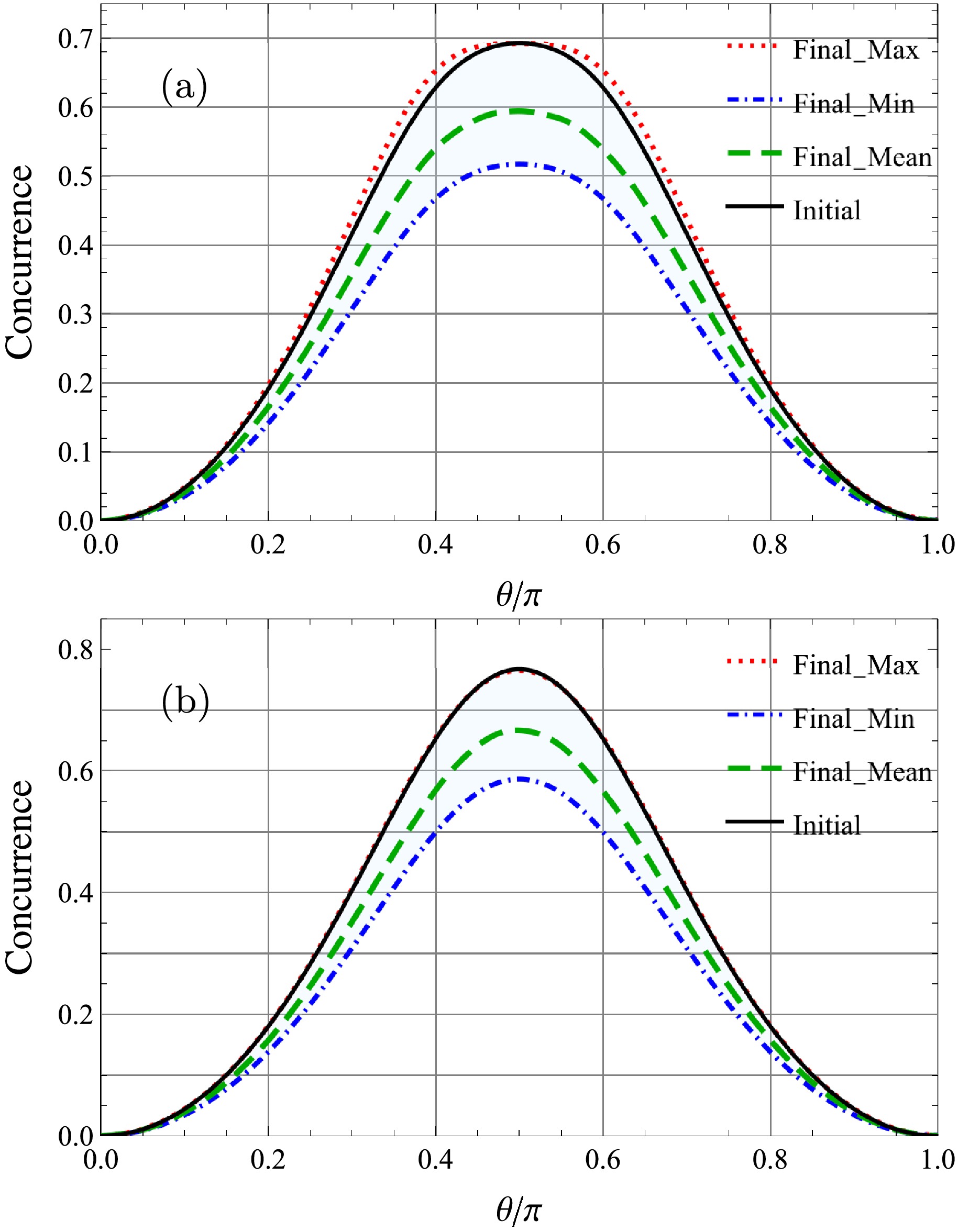
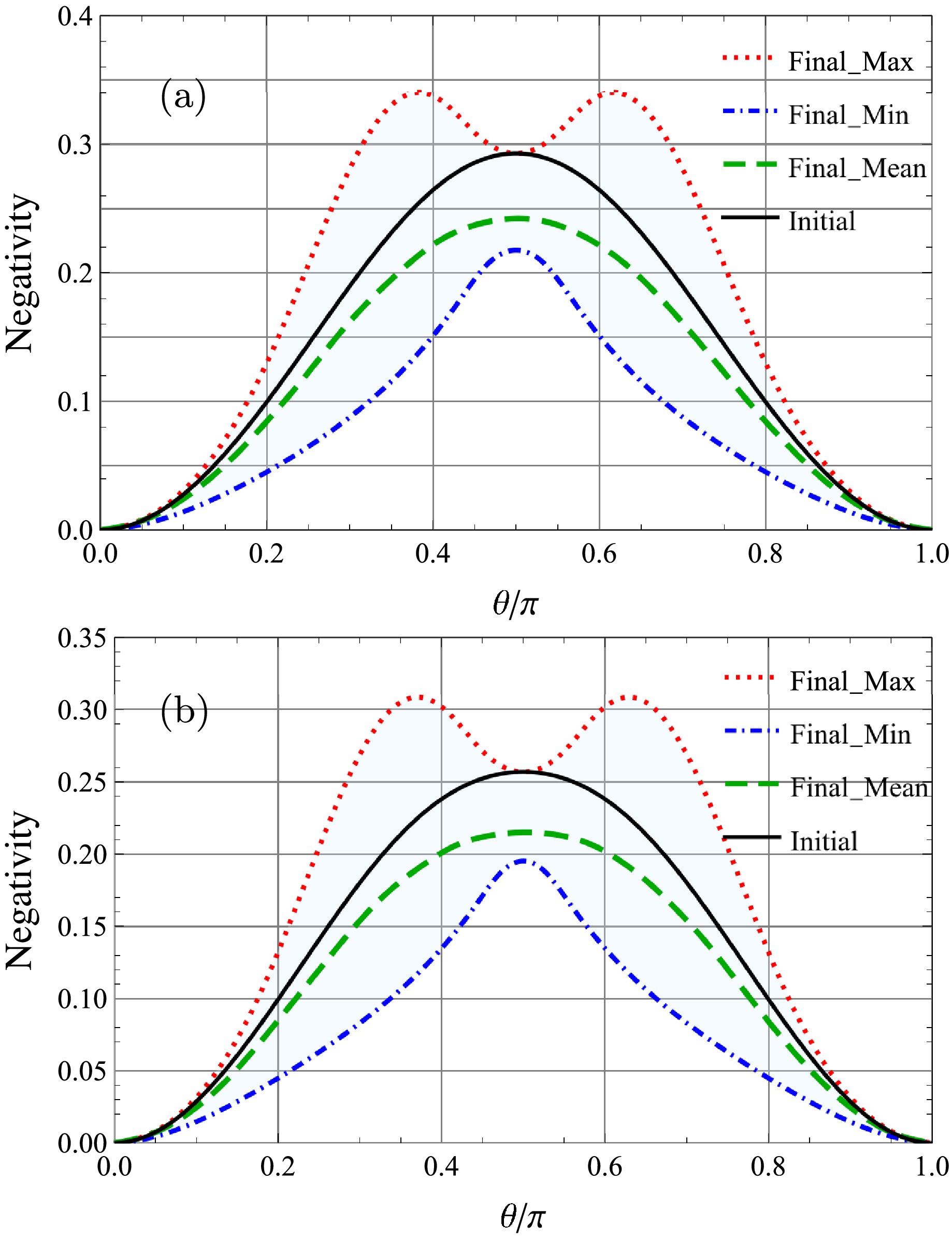
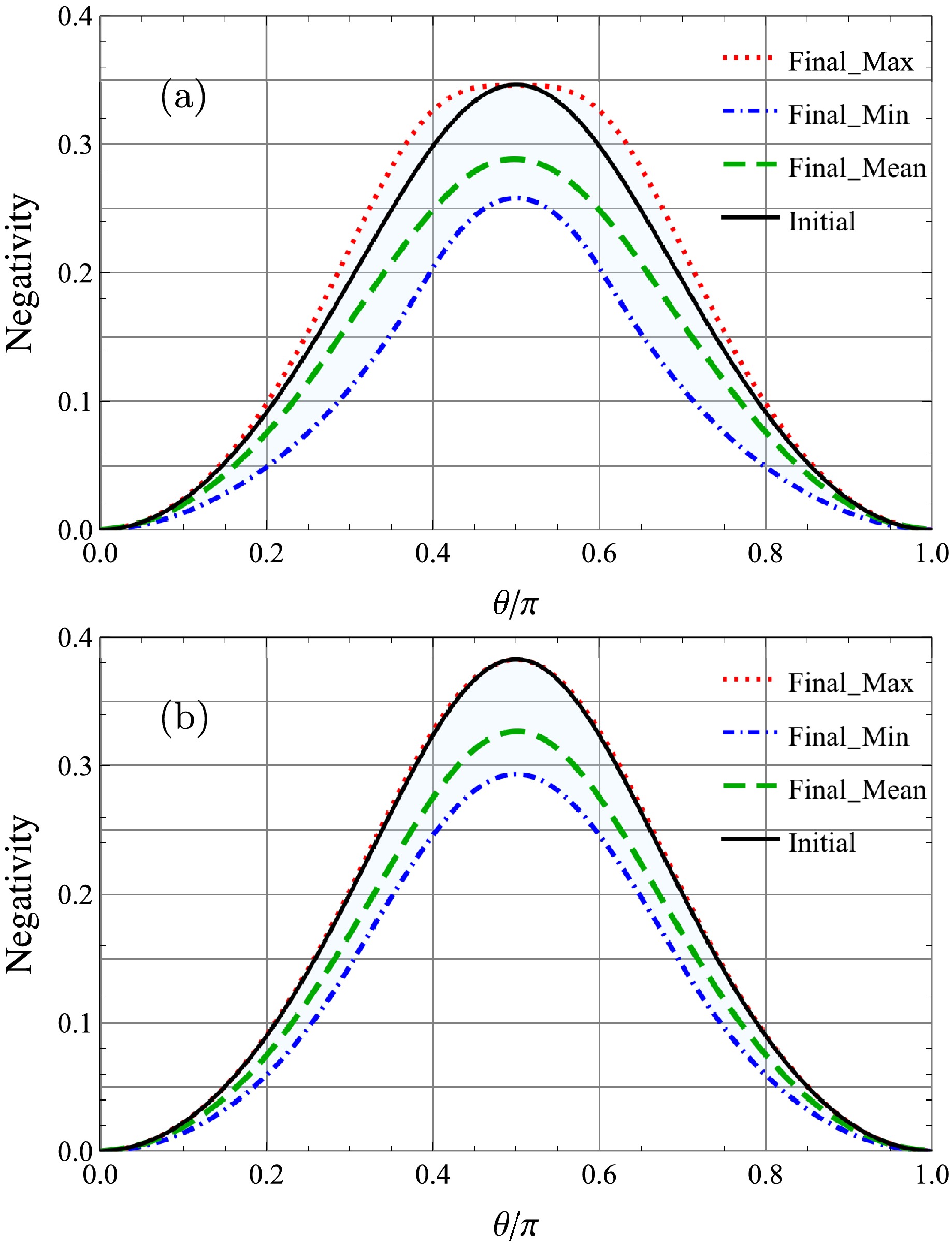
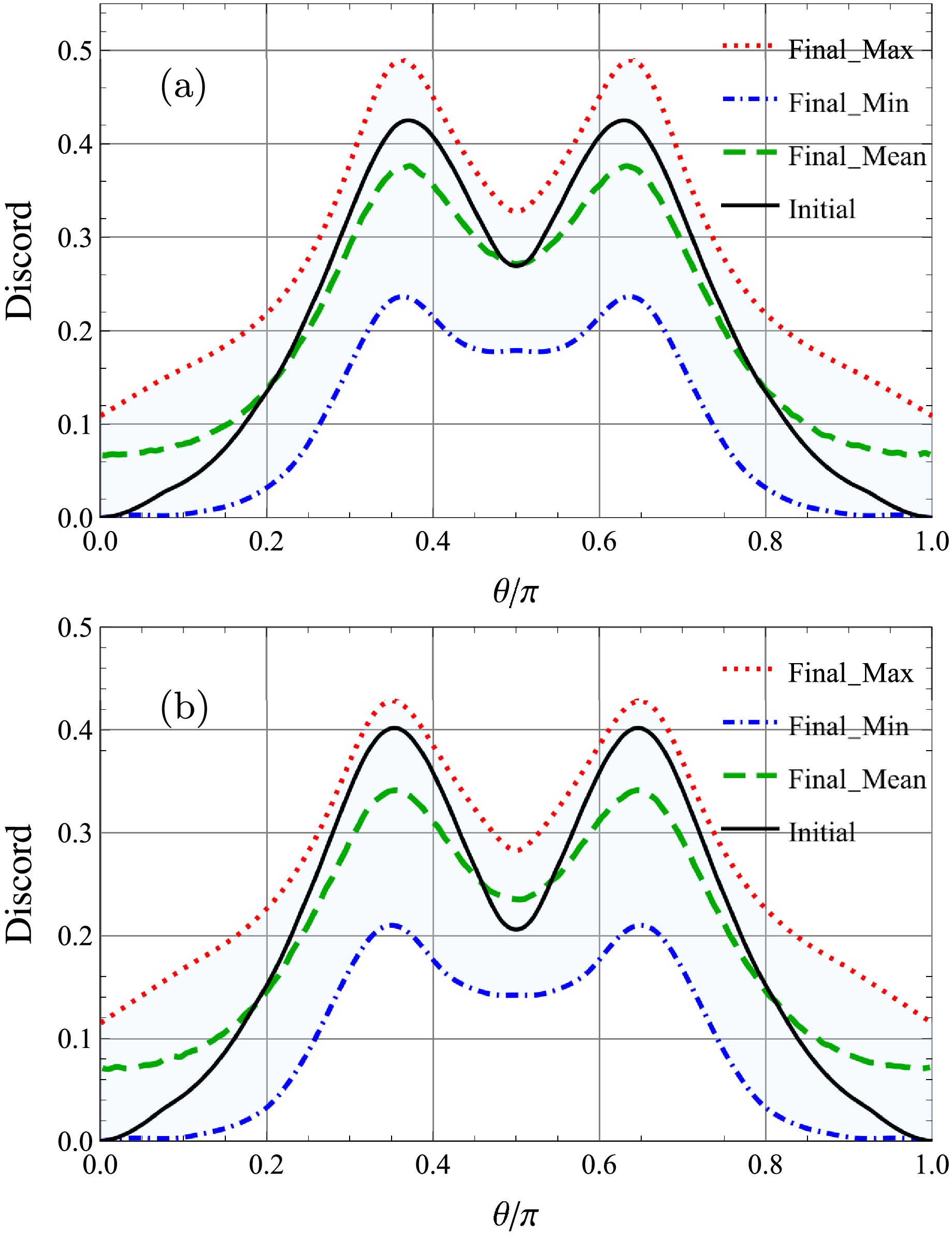
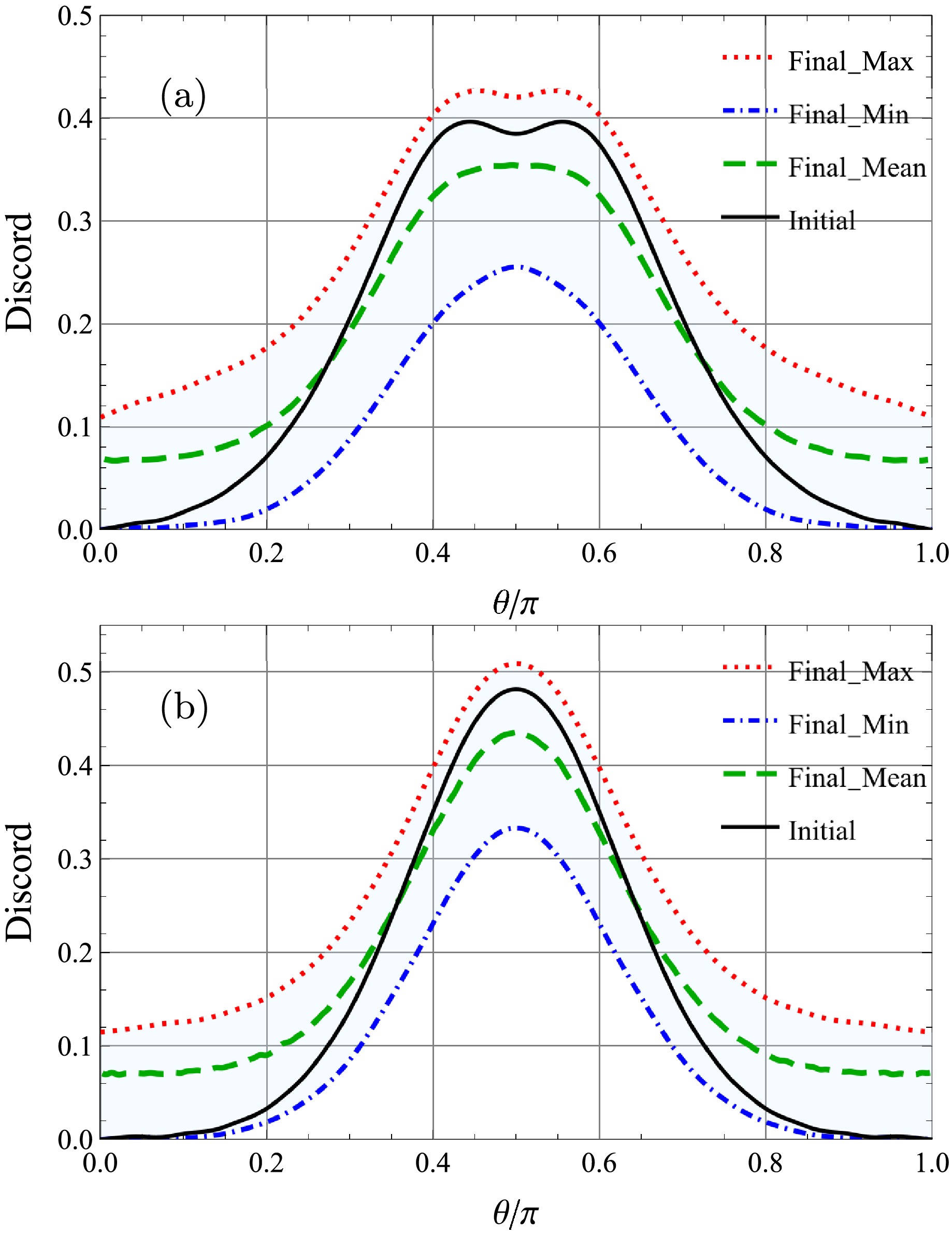
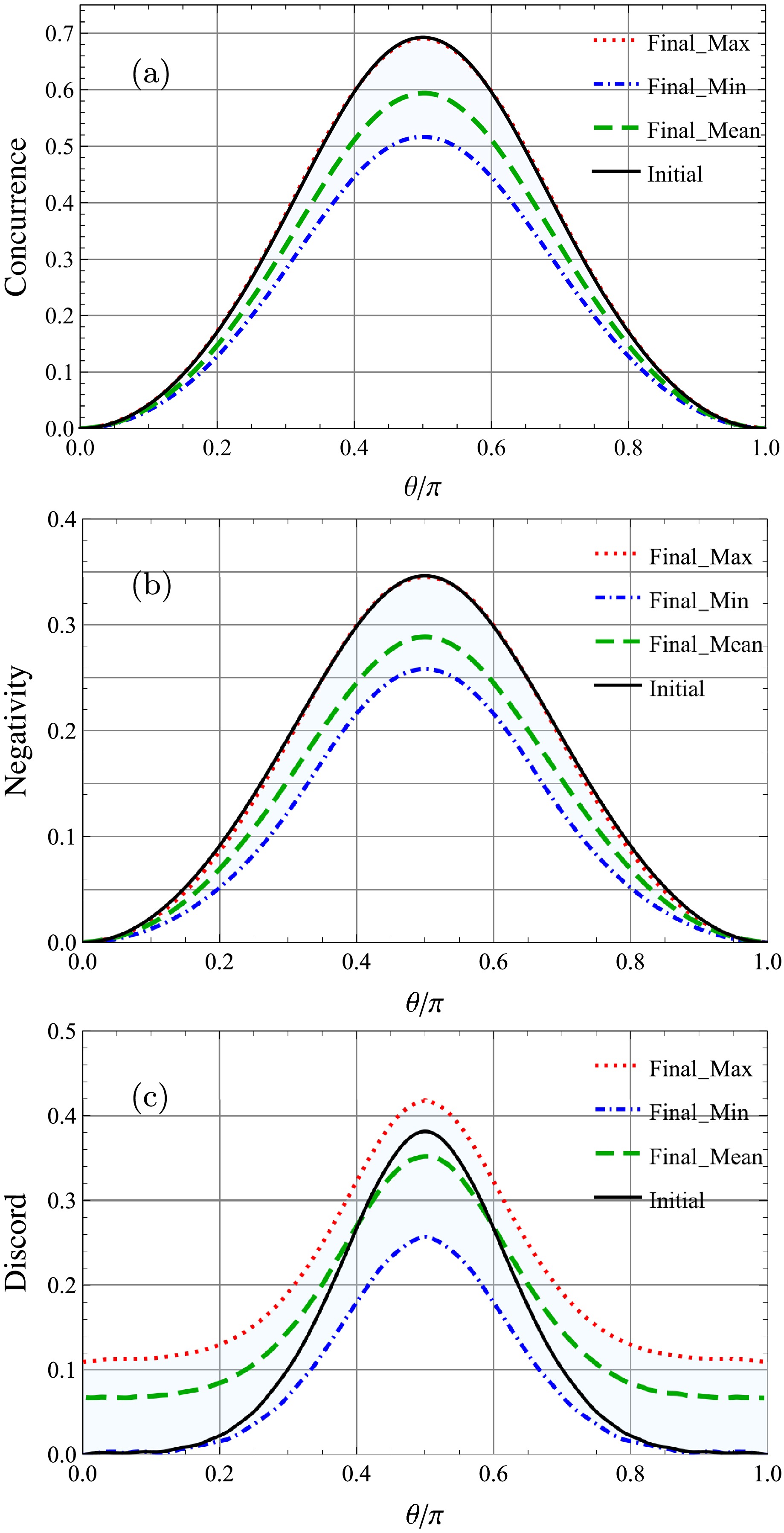
Hyperon-antihyperon pairs produced in high-energy electron-positron annihilation constitute a naturally spin-entangled system in the high-energy regime. Recently, a probabilistic amplification of entanglement, termed autodistillation, has been found in the daughter baryon-antibaryon pairs from hyperon decay and is constrained by an upper boundary. This work demonstrates that the quantum entanglement in this process may be accompanied by a decrease, constrained by a lower boundary, but it will not be completely lost. Thus, the entanglement of these systems undergoes redistribution within the phase space during the sequential decays of hyperons, highlighting the important role of hyperon polarization. By using the explicit spin density matrix of baryon pairs, it is also found that the quantumness of the system, characterized by quantum discord, always has the possibility to increase during decay processes, even when entanglement evaluated by concurrence and negativity does not increase.
Hyperon-antihyperon pairs produced in high-energy electron-positron annihilation constitute a naturally spin-entangled system in the high-energy regime. Recently, a probabilistic amplification of entanglement, termed autodistillation, has been found in the daughter baryon-antibaryon pairs from hyperon decay and is constrained by an upper boundary. This work demonstrates that the quantum entanglement in this process may be accompanied by a decrease, constrained by a lower boundary, but it will not be completely lost. Thus, the entanglement of these systems undergoes redistribution within the phase space during the sequential decays of hyperons, highlighting the important role of hyperon polarization. By using the explicit spin density matrix of baryon pairs, it is also found that the quantumness of the system, characterized by quantum discord, always has the possibility to increase during decay processes, even when entanglement evaluated by concurrence and negativity does not increase.
2026, 50(9): 093107. doi: 10.1088/1674-1137/ae7702
Abstract:
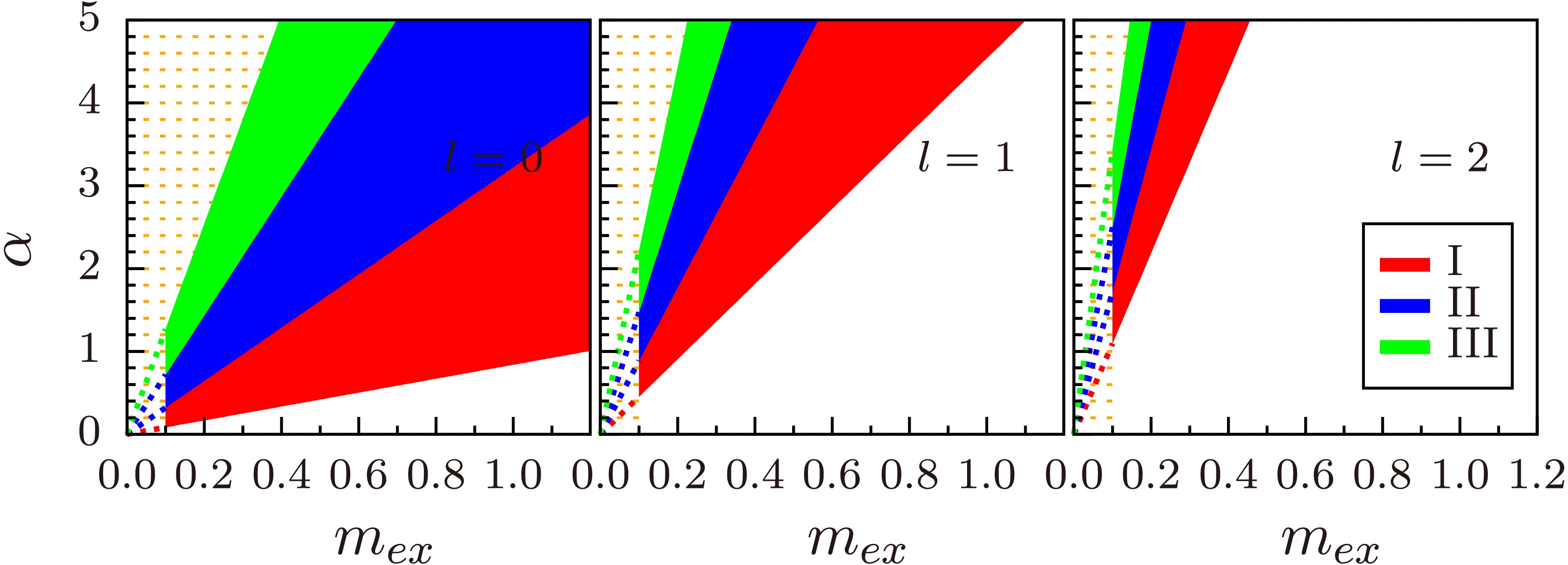
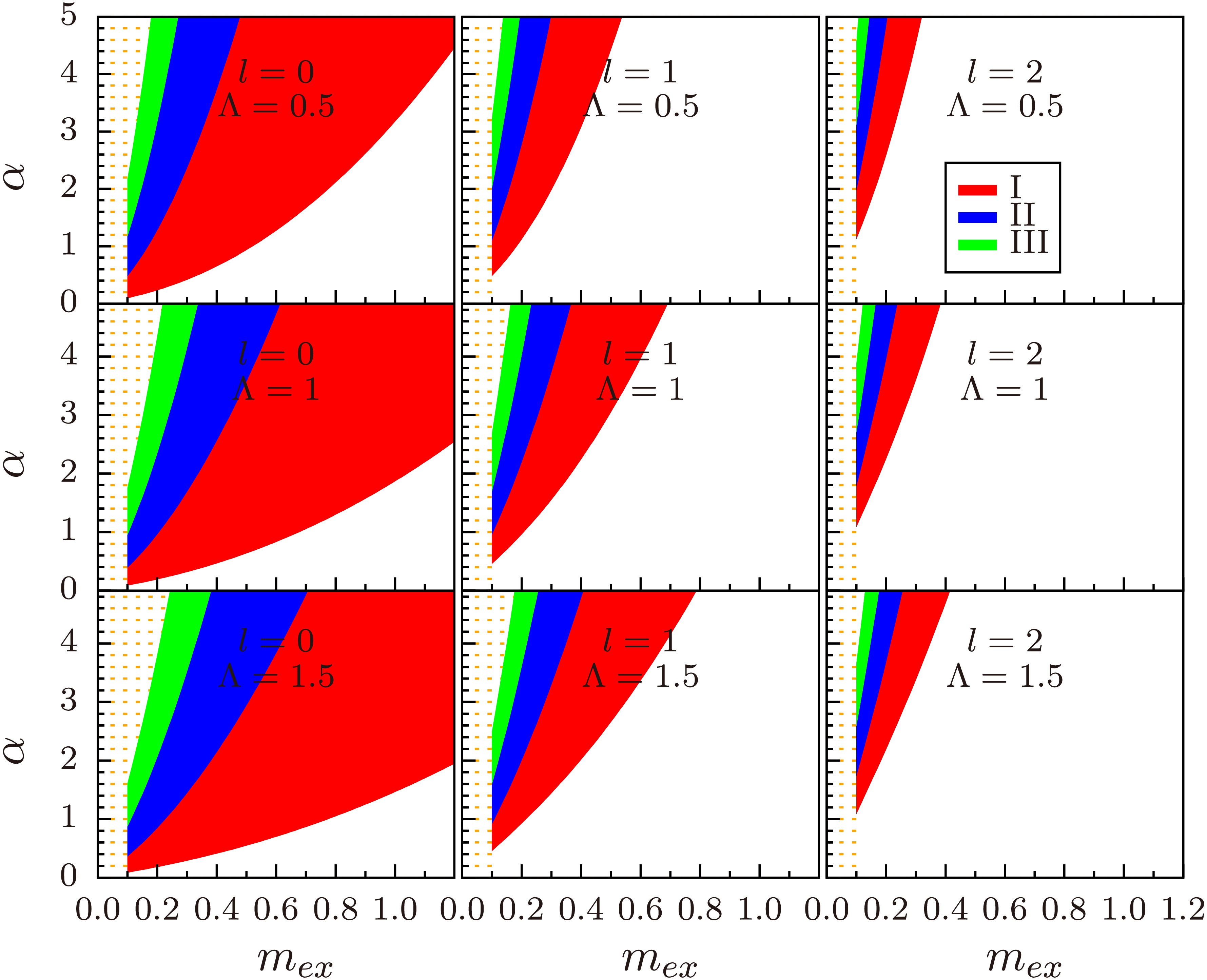
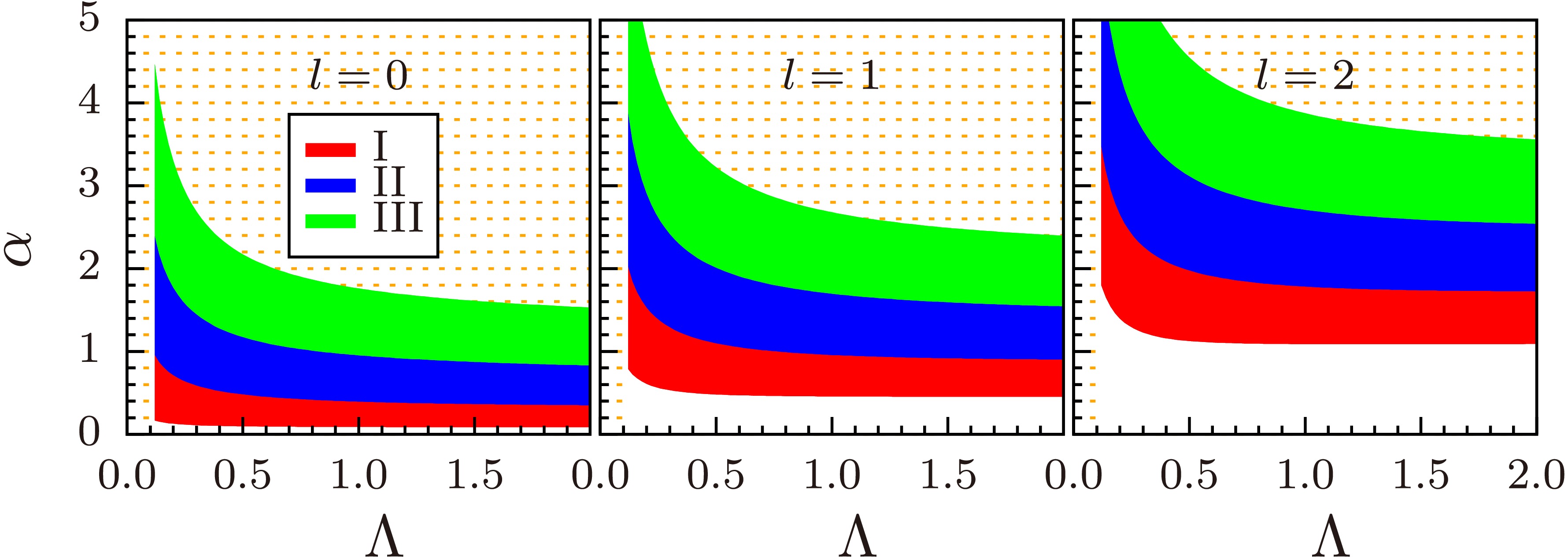
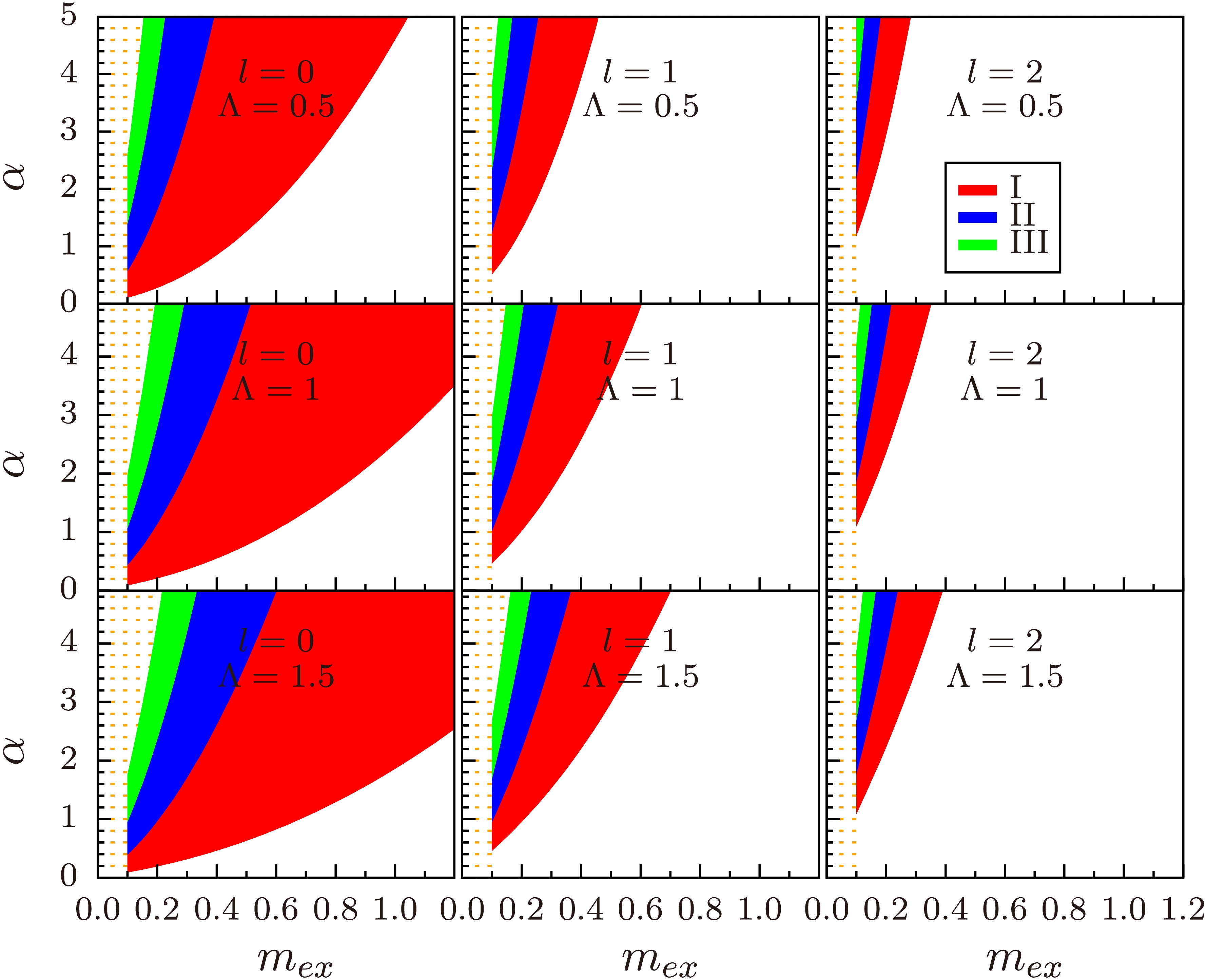
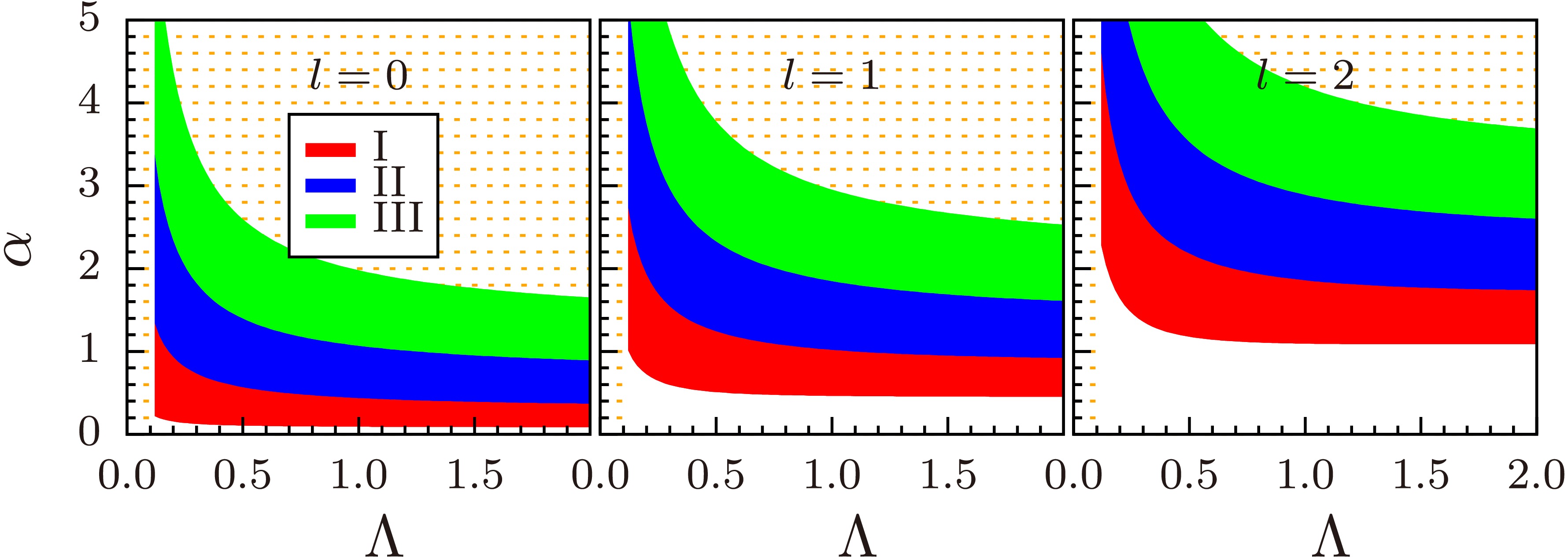
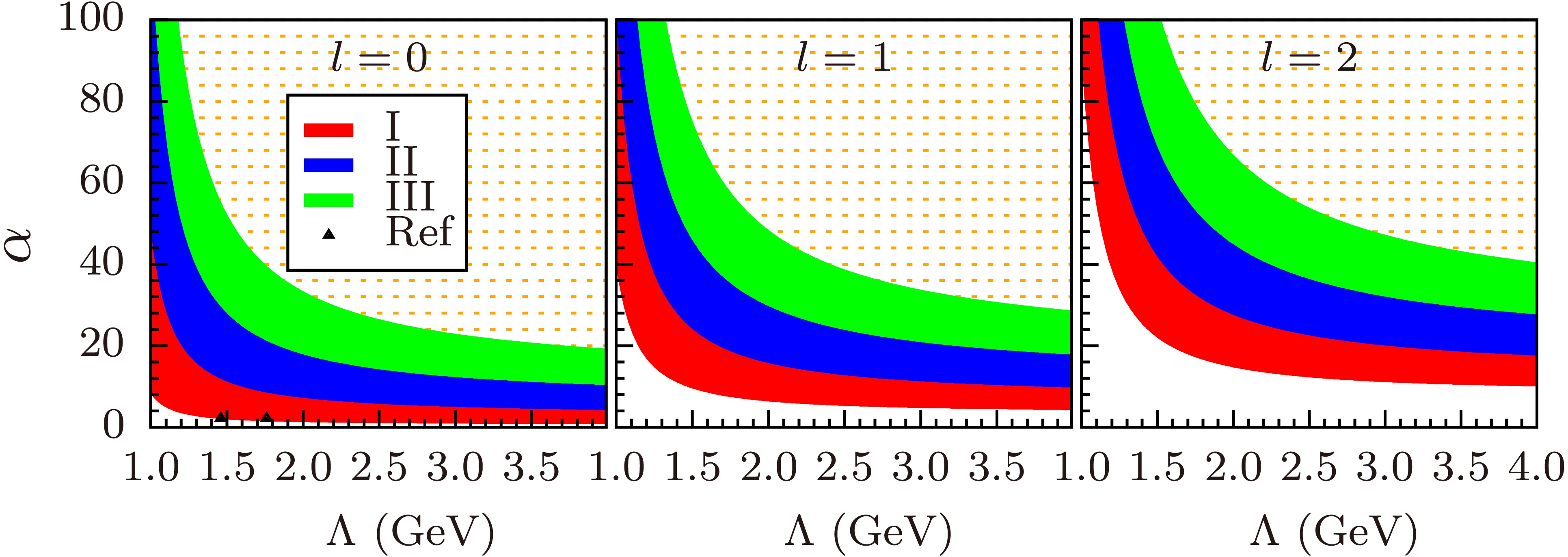
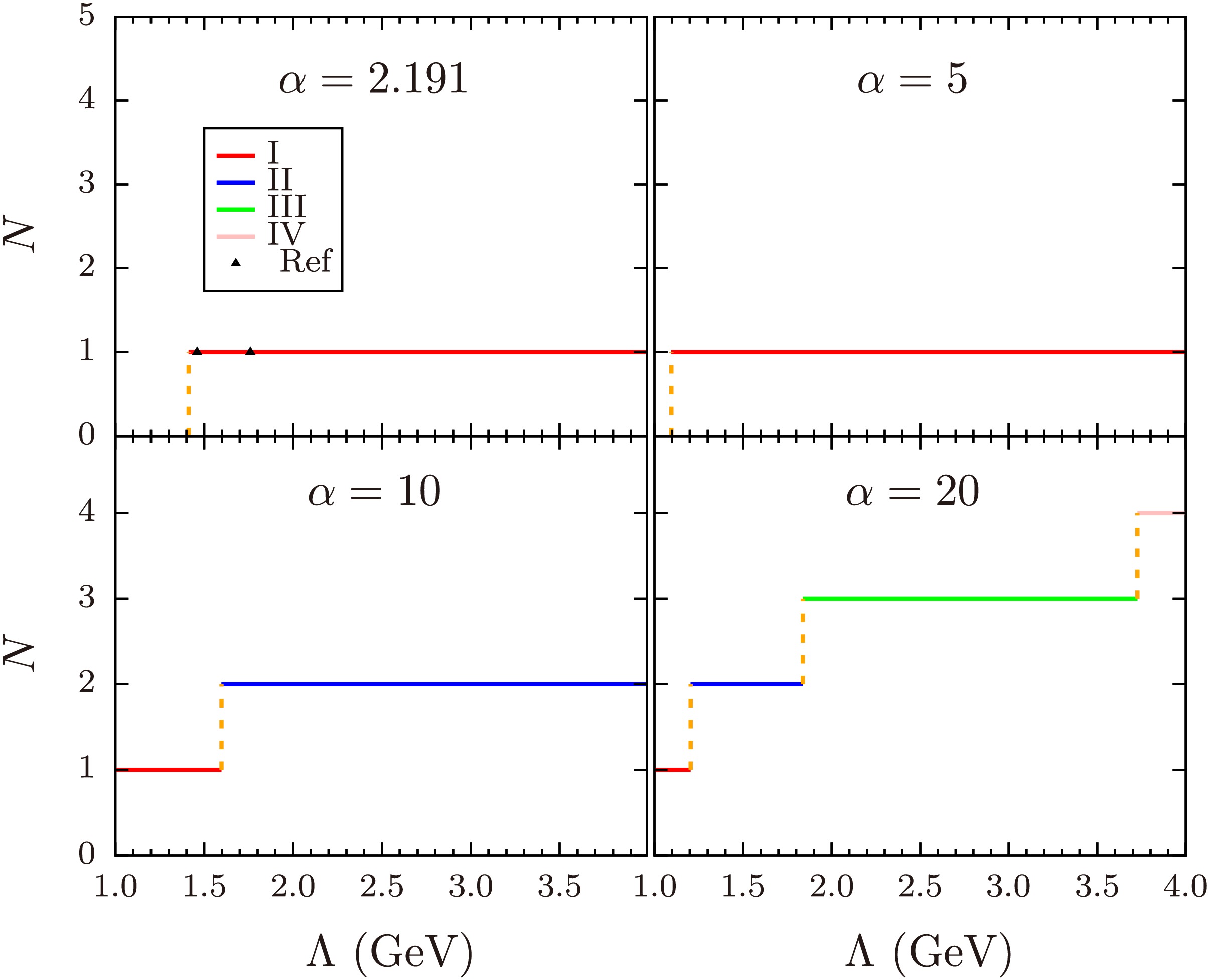
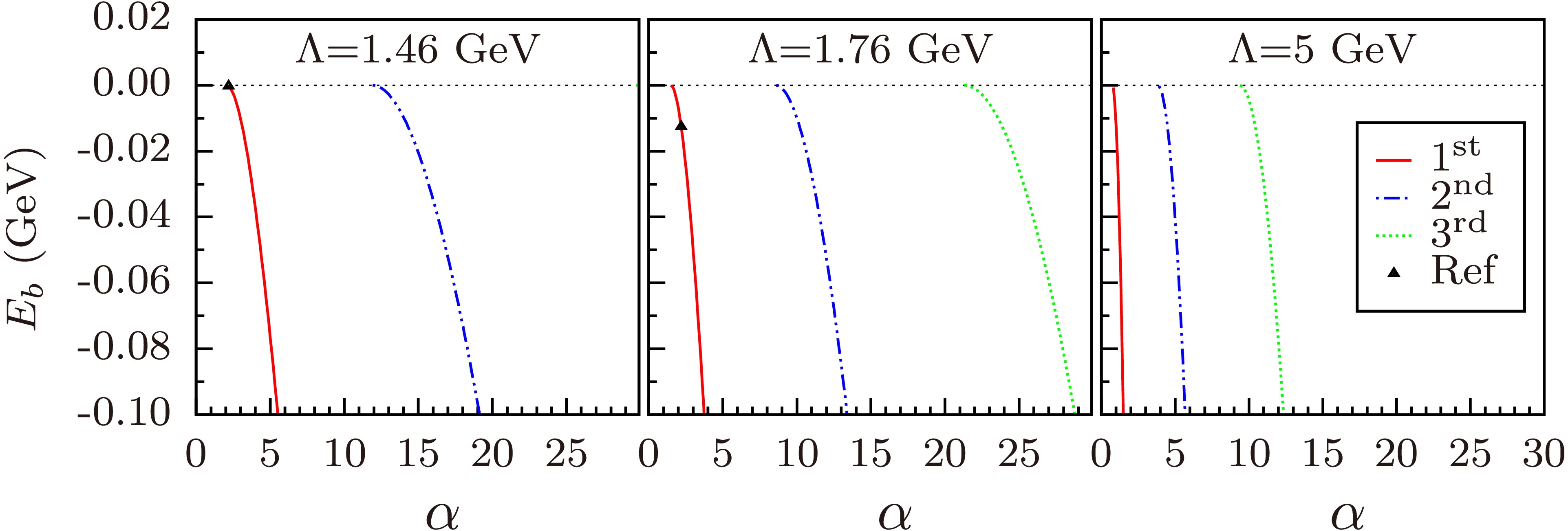
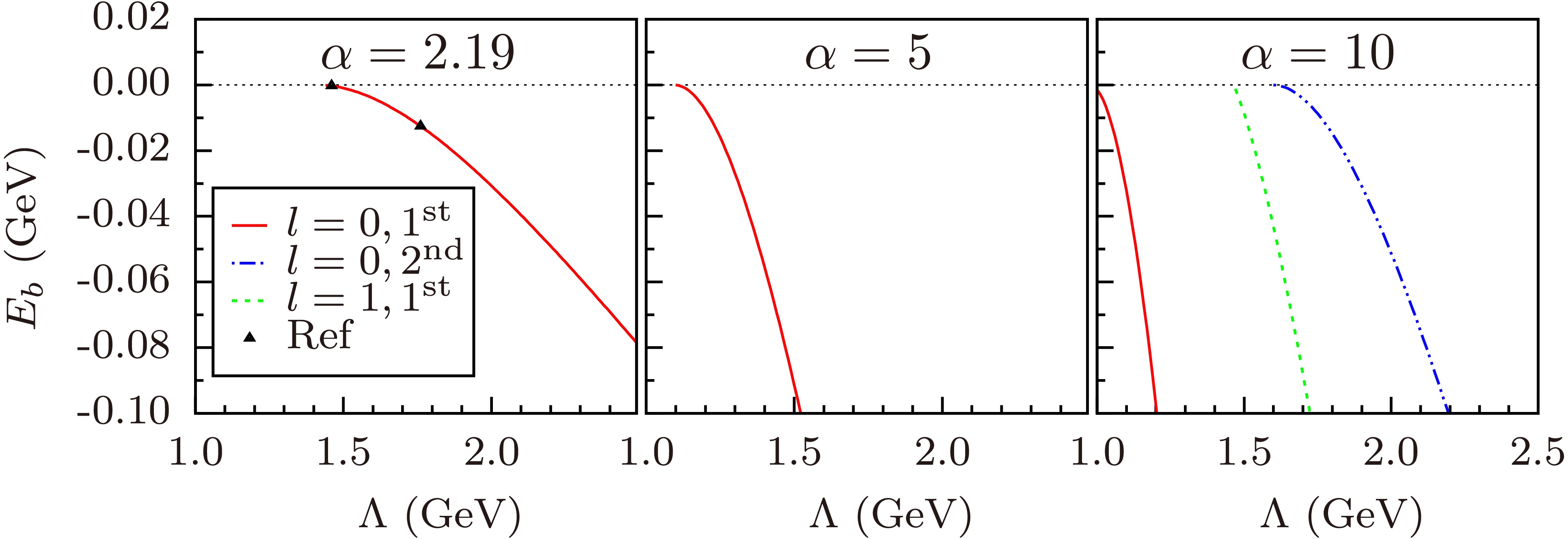
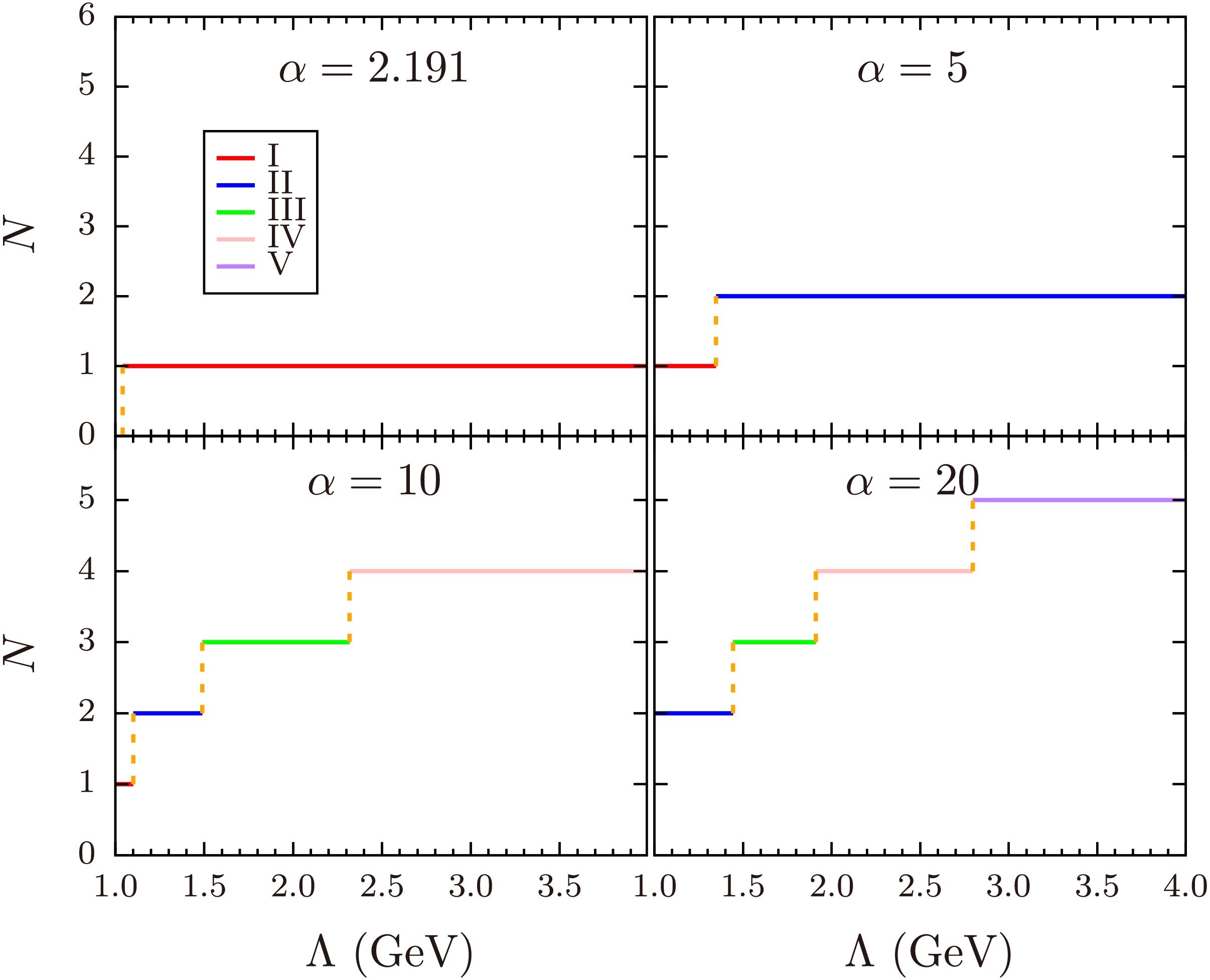
In this study, we discuss general critical properties of bound states with a one-boson-exchange potential. For simplicity, we first consider a system of two identical scalar particles as an example. The interaction between these two scalar particles is described by the exchange of another massive scalar meson under the instantaneous approximation, which yields the Yukawa potential. A highly accurate numerical method is used to determine the critical mass of the system. The resulting critical mass for the ground state is consistent with values reported in the literature, agreeing to about 35 significant figures. Highly accurate results for the\begin{document}$l=1$\end{document}
In this study, we discuss general critical properties of bound states with a one-boson-exchange potential. For simplicity, we first consider a system of two identical scalar particles as an example. The interaction between these two scalar particles is described by the exchange of another massive scalar meson under the instantaneous approximation, which yields the Yukawa potential. A highly accurate numerical method is used to determine the critical mass of the system. The resulting critical mass for the ground state is consistent with values reported in the literature, agreeing to about 35 significant figures. Highly accurate results for the
2026, 50(9): 093108. doi: 10.1088/1674-1137/ae7963
Abstract:
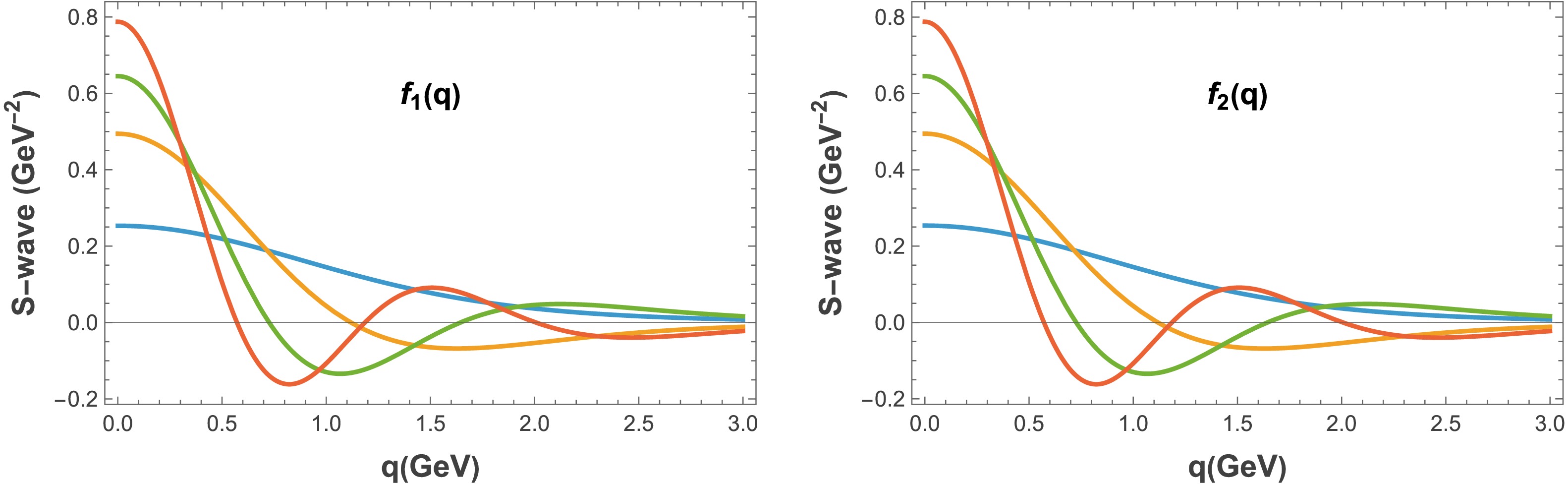
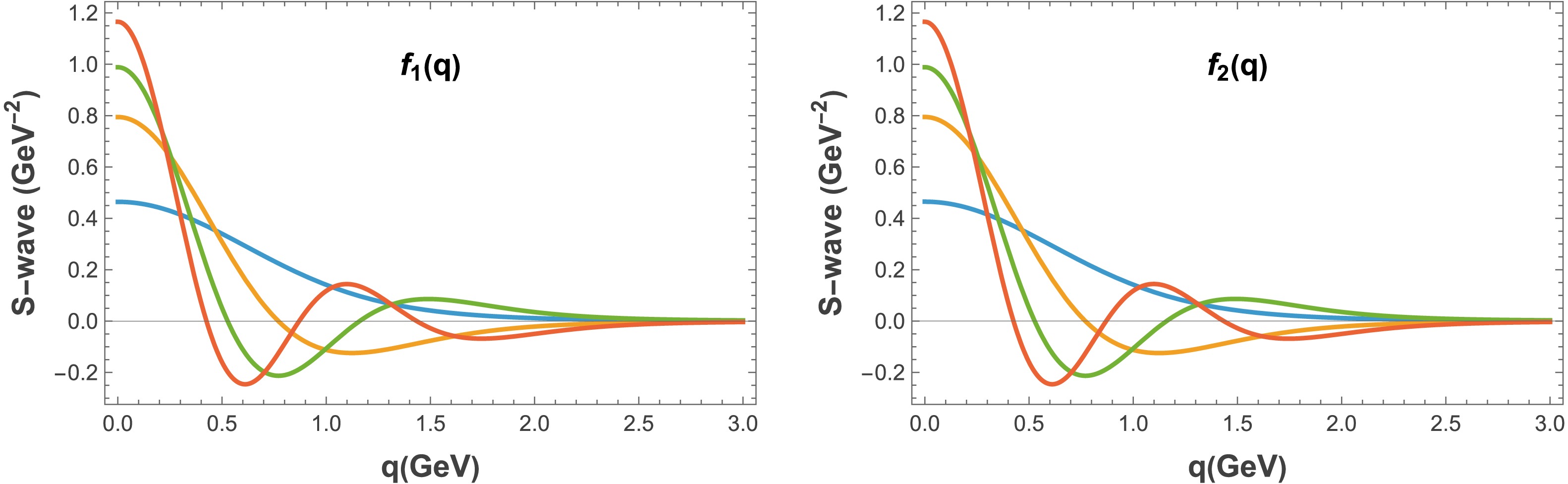
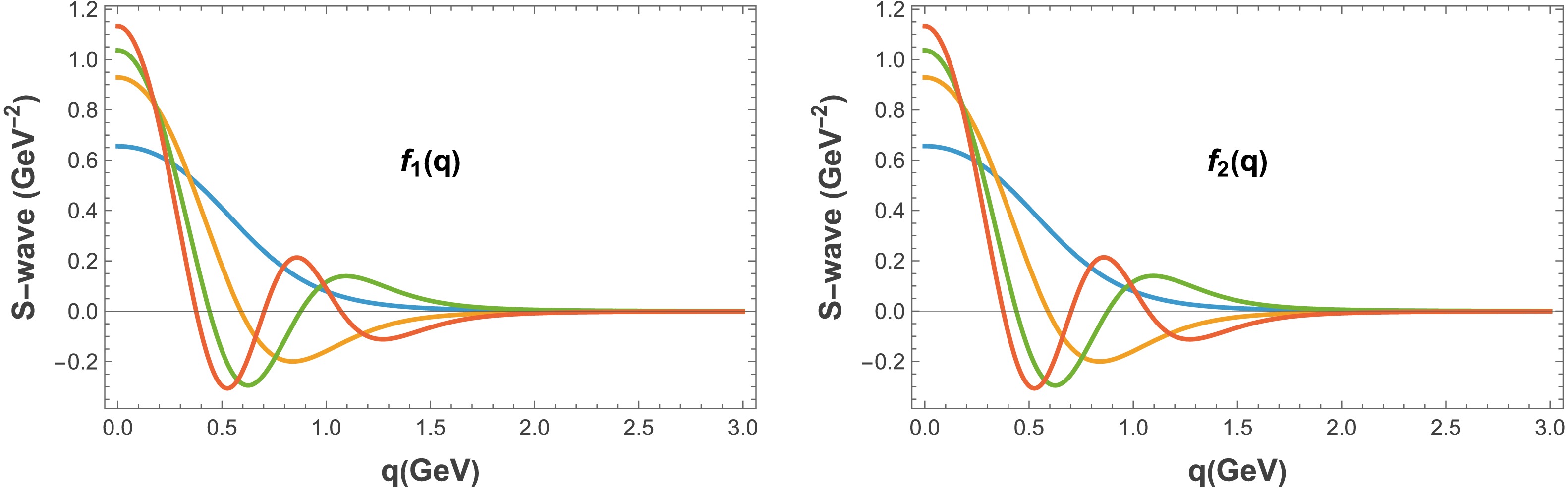
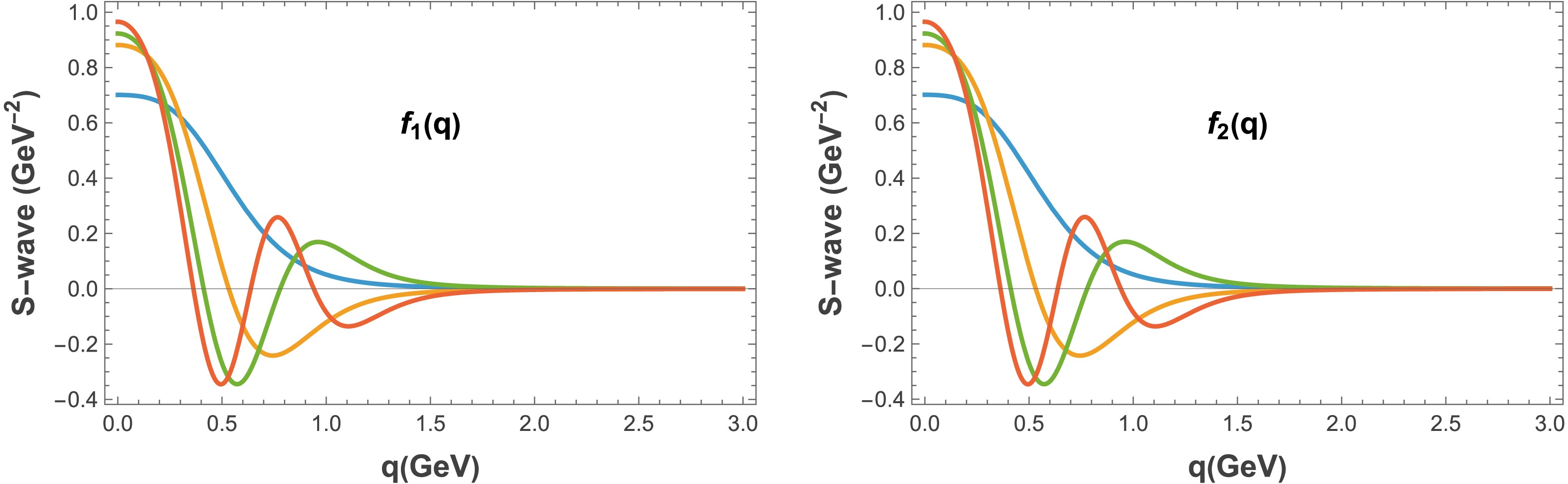
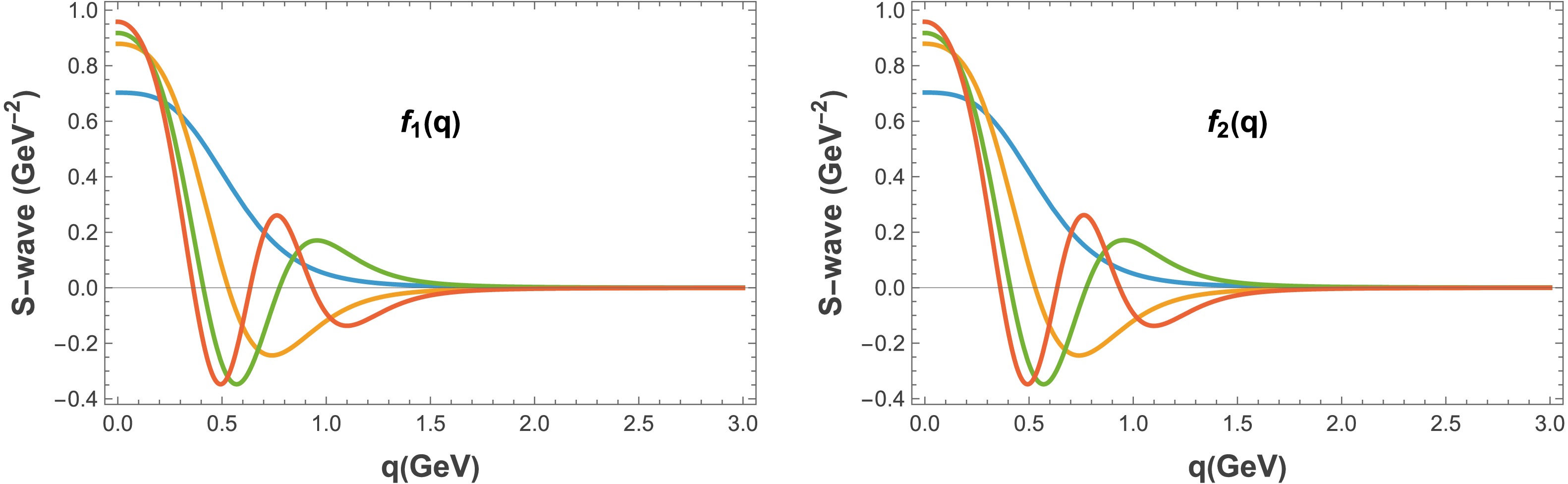
Motivated by the recent near-threshold enhancement in top-quark pair production reported by CMS and ATLAS, we study the S-wave spectral structure of heavy-light systems containing a single top quark, namely\begin{document}$ t\bar{q} $\end{document} \begin{document}$ t\bar{c} $\end{document} \begin{document}$ t\bar{b} $\end{document} \begin{document}$ t\bar{b} $\end{document} \begin{document}$ 0^{-} $\end{document} \begin{document}$ 5.1 $\end{document} \begin{document}$ 5.4 $\end{document} \begin{document}$ 5.6 $\end{document} \begin{document}$ 5.7 $\end{document} \begin{document}$ t\bar{c} $\end{document} \begin{document}$ 1.9 $\end{document} \begin{document}$ 2.2 $\end{document} \begin{document}$ 2.5 $\end{document} \begin{document}$ 2.6 $\end{document}
Motivated by the recent near-threshold enhancement in top-quark pair production reported by CMS and ATLAS, we study the S-wave spectral structure of heavy-light systems containing a single top quark, namely
2026, 50(9): 093109. doi: 10.1088/1674-1137/ae7a18
Abstract:
A search for the decay\begin{document}$ B^+\to D_s^+ K^+K^- $\end{document} \begin{document}$ pp $\end{document} \begin{document}$4.8\;{\rm{fb}}^{-1}$\end{document} \begin{document}$ K^+K^- $\end{document} \begin{document}$ B^+\to D_s^+ K^+K^- $\end{document} \begin{document}$ f_0(980) $\end{document} \begin{document}$ f_0(1370) $\end{document} \begin{document}$ f_0(1500) $\end{document} \begin{document}$ \phi(1020) $\end{document} \begin{document}$ f_2(1270) $\end{document} \begin{document}$ f_2(1525) $\end{document} \begin{document}$ K^+K^- $\end{document} \begin{document}$ B^+\to D_s^+(R\to)K^+K^- $\end{document} \begin{document}$ B^+\to D_s^+R $\end{document}
A search for the decay


2026, 50(9): 093110. doi: 10.1088/1674-1137/ae6a86
Abstract:
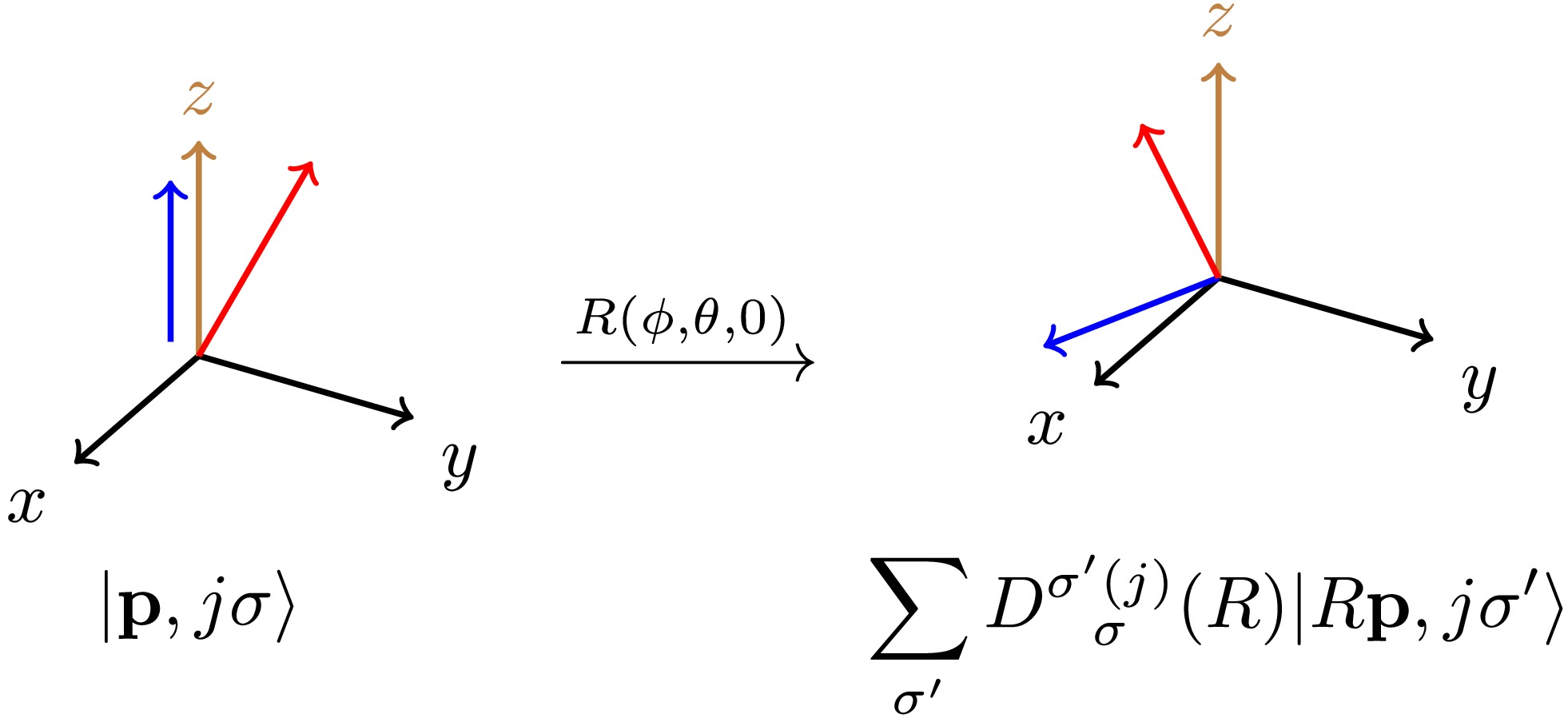
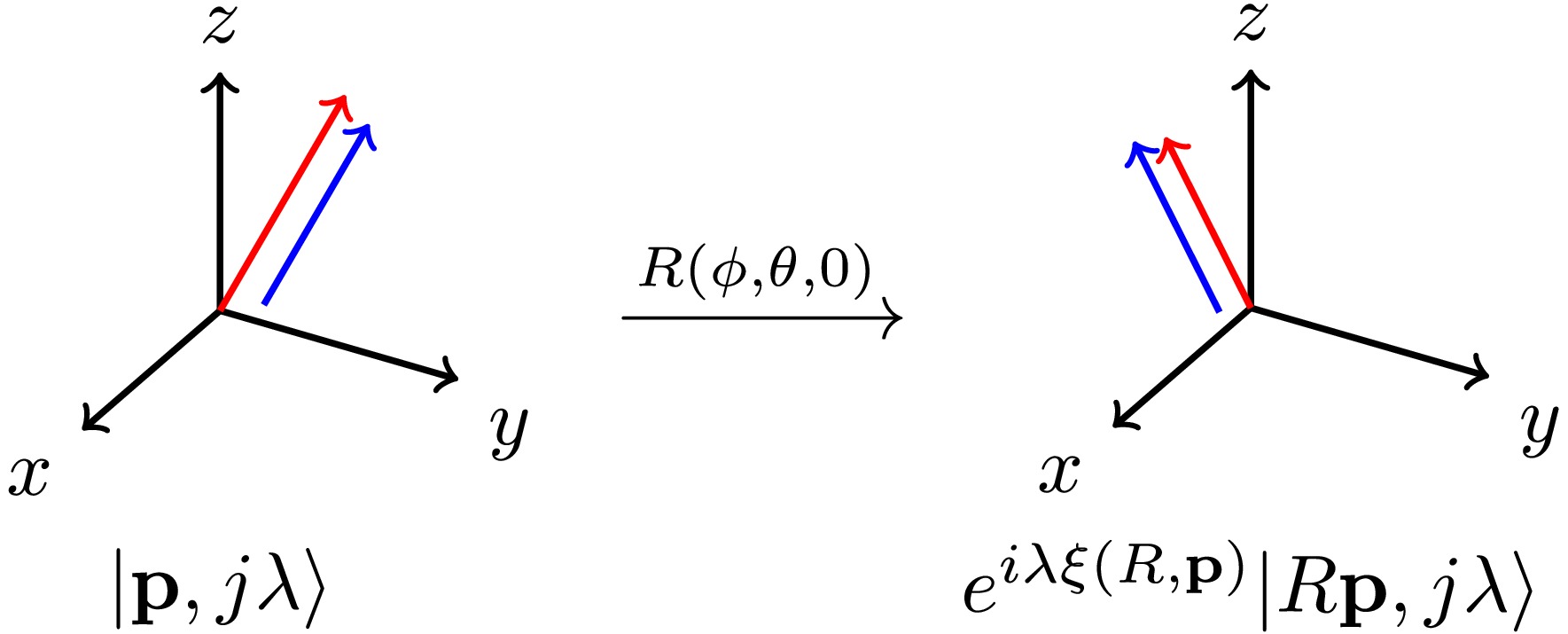
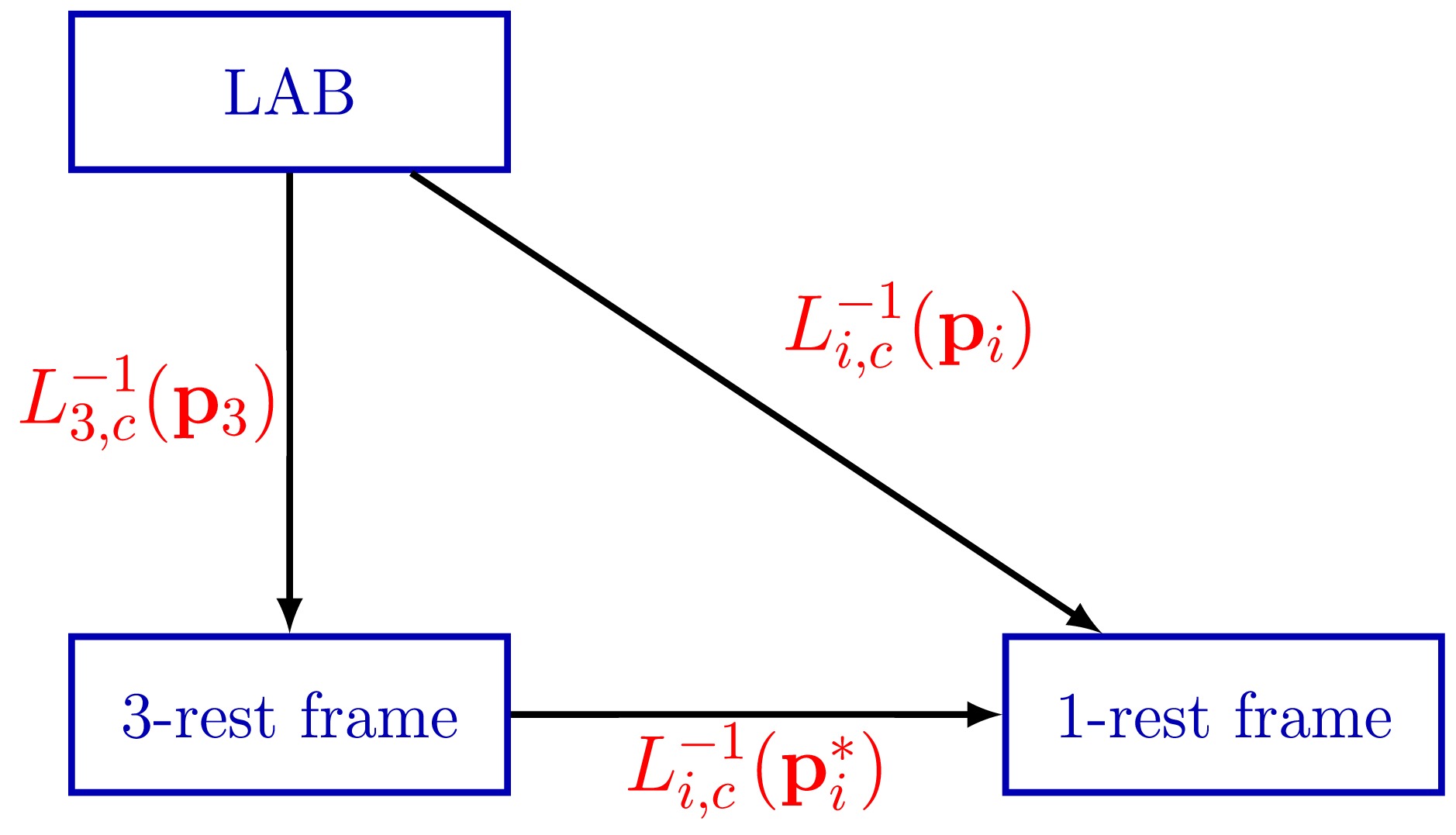
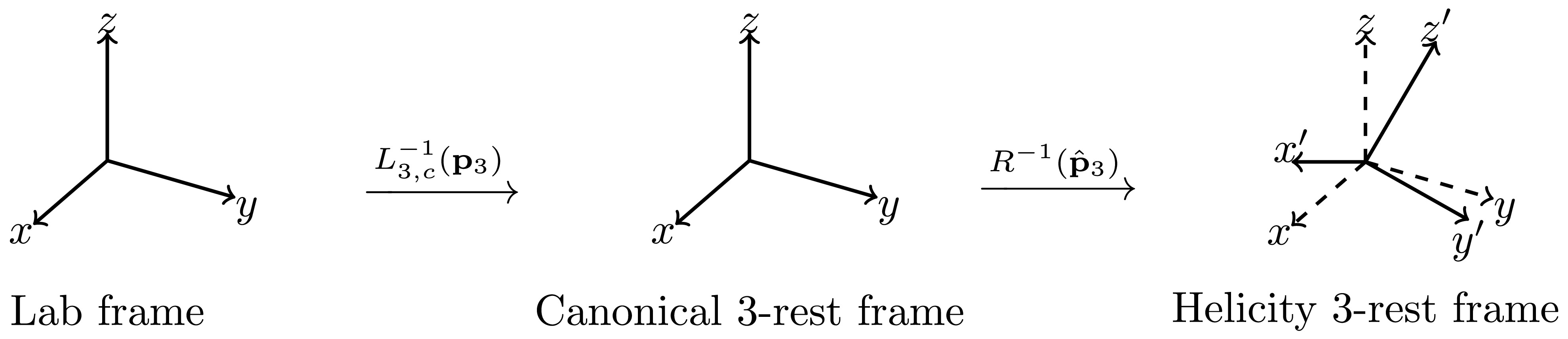
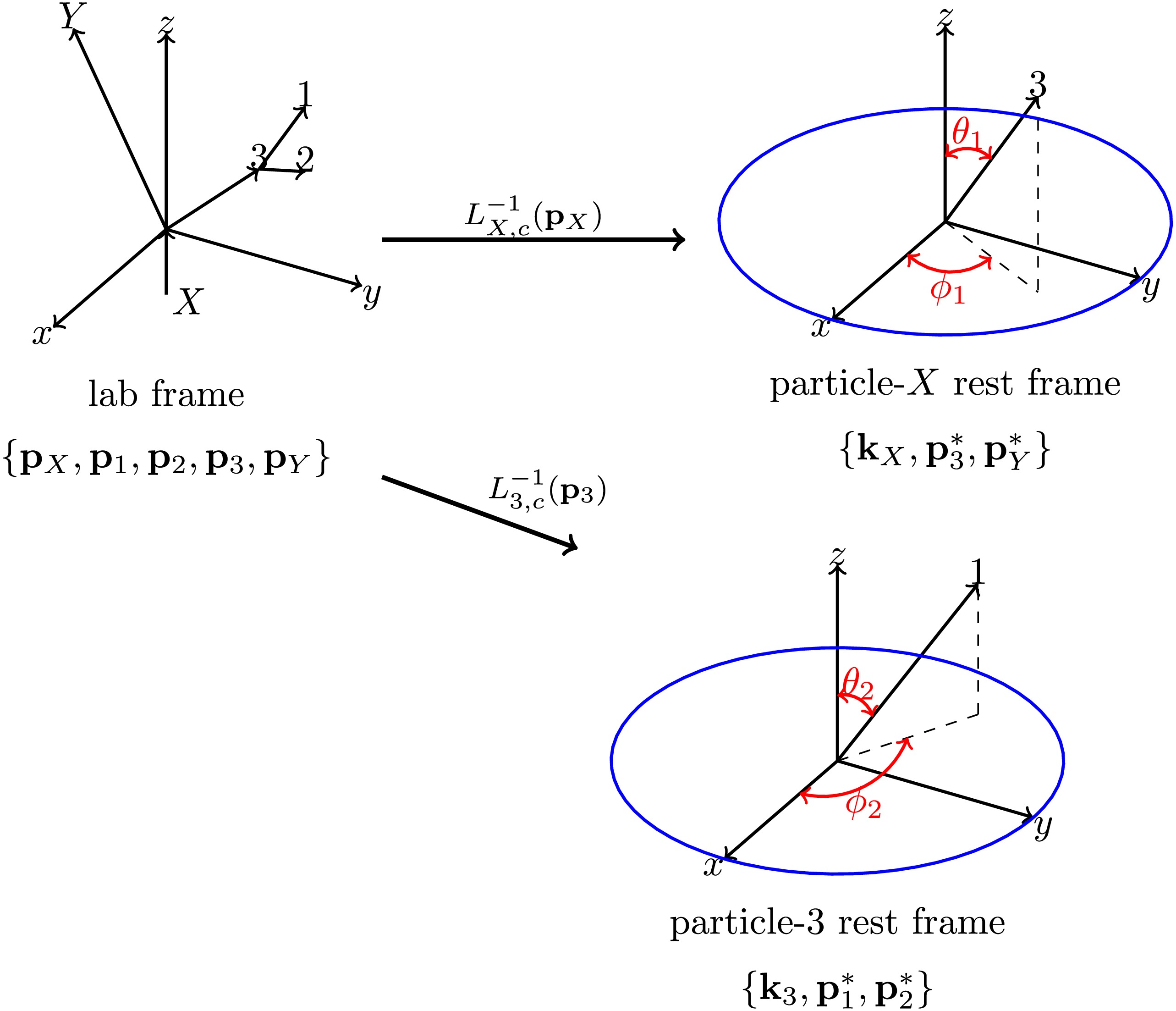
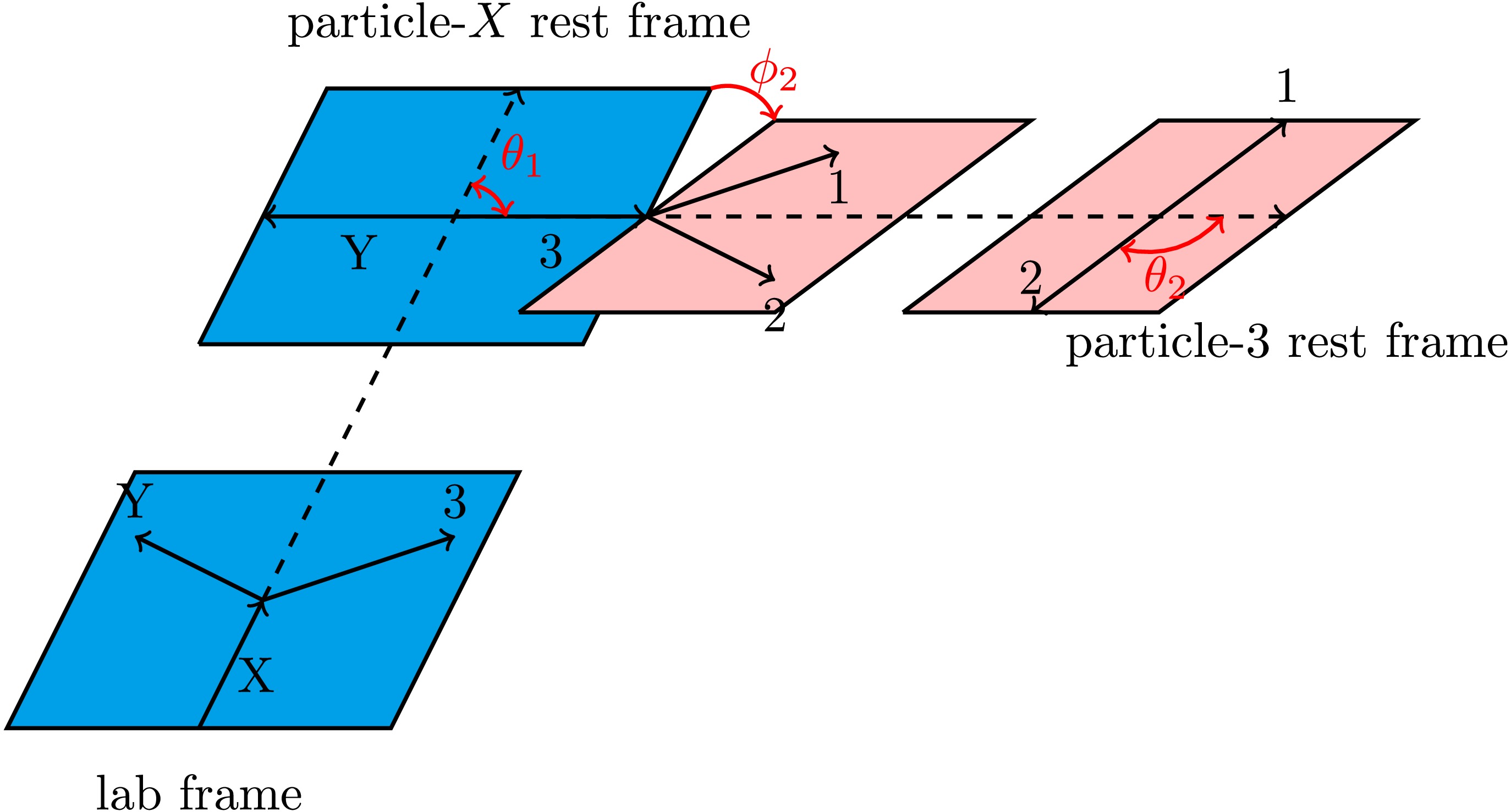
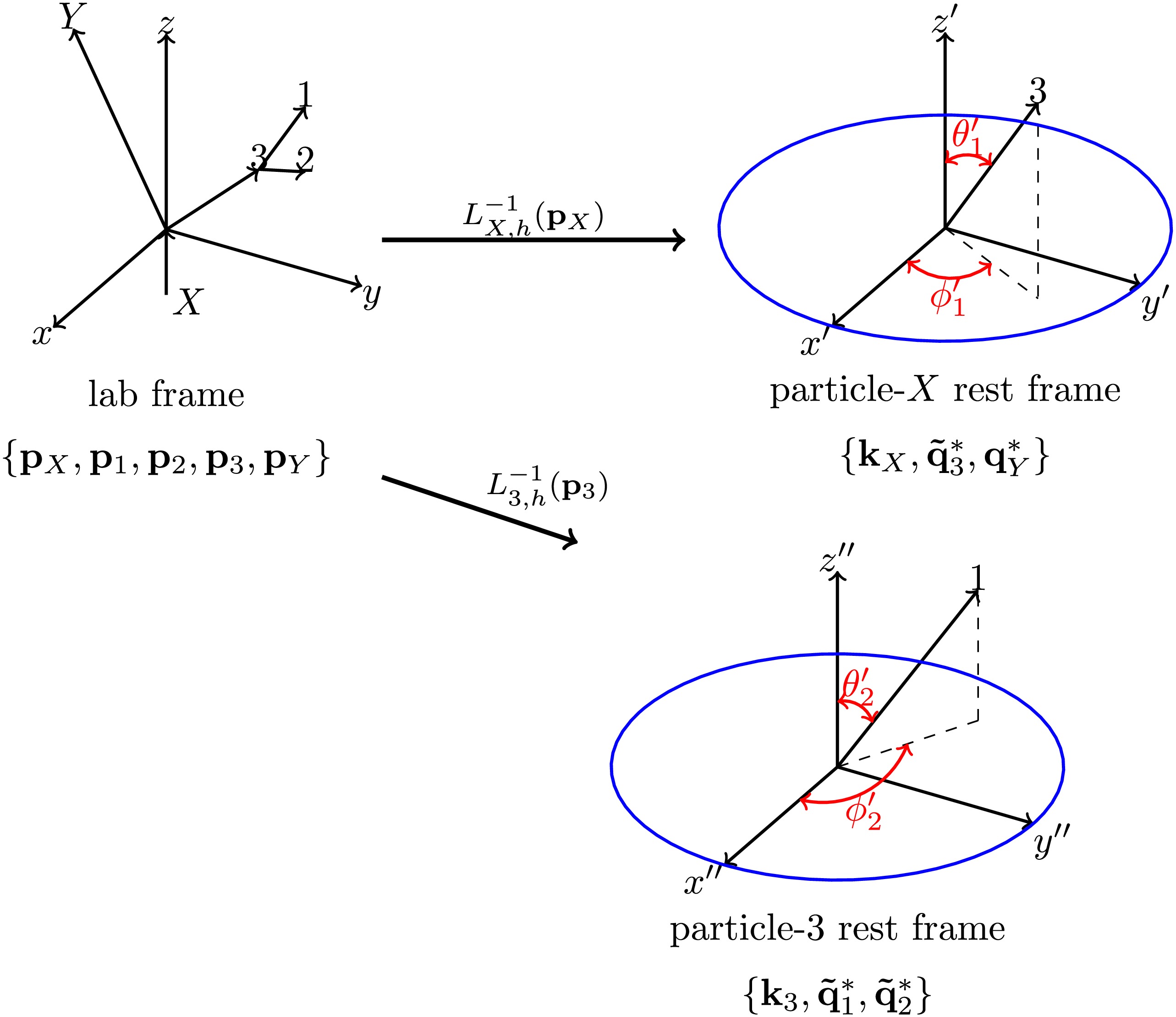
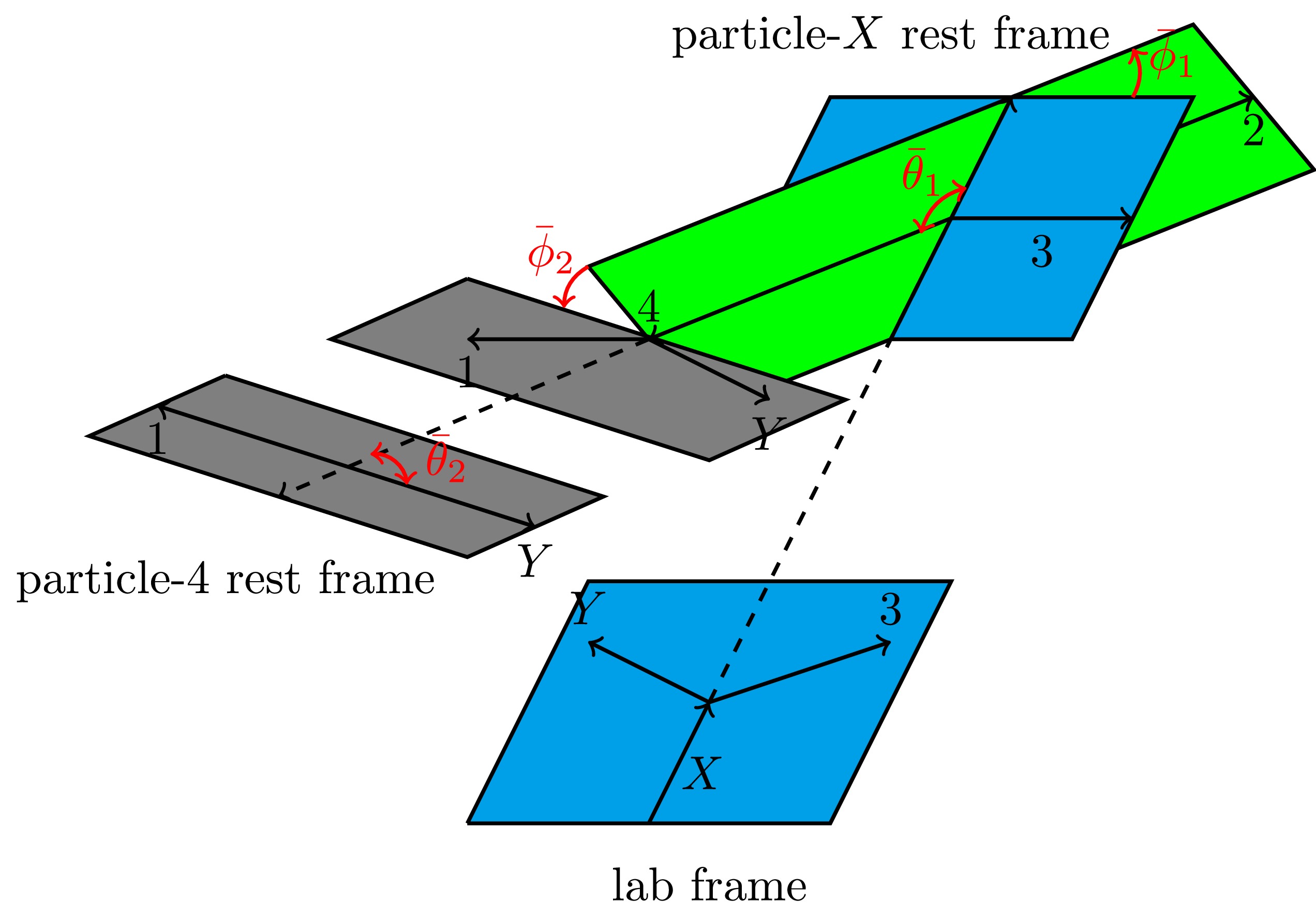
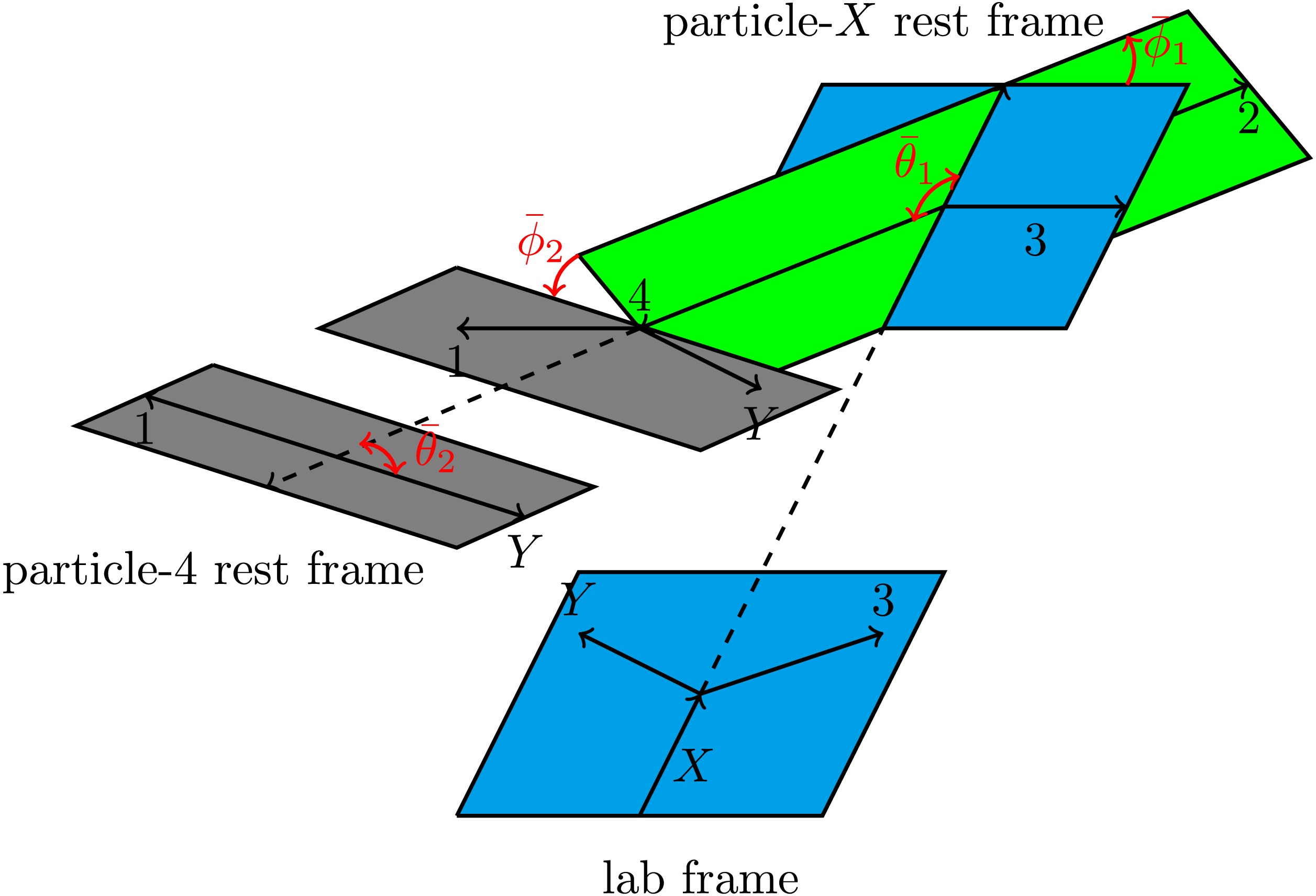
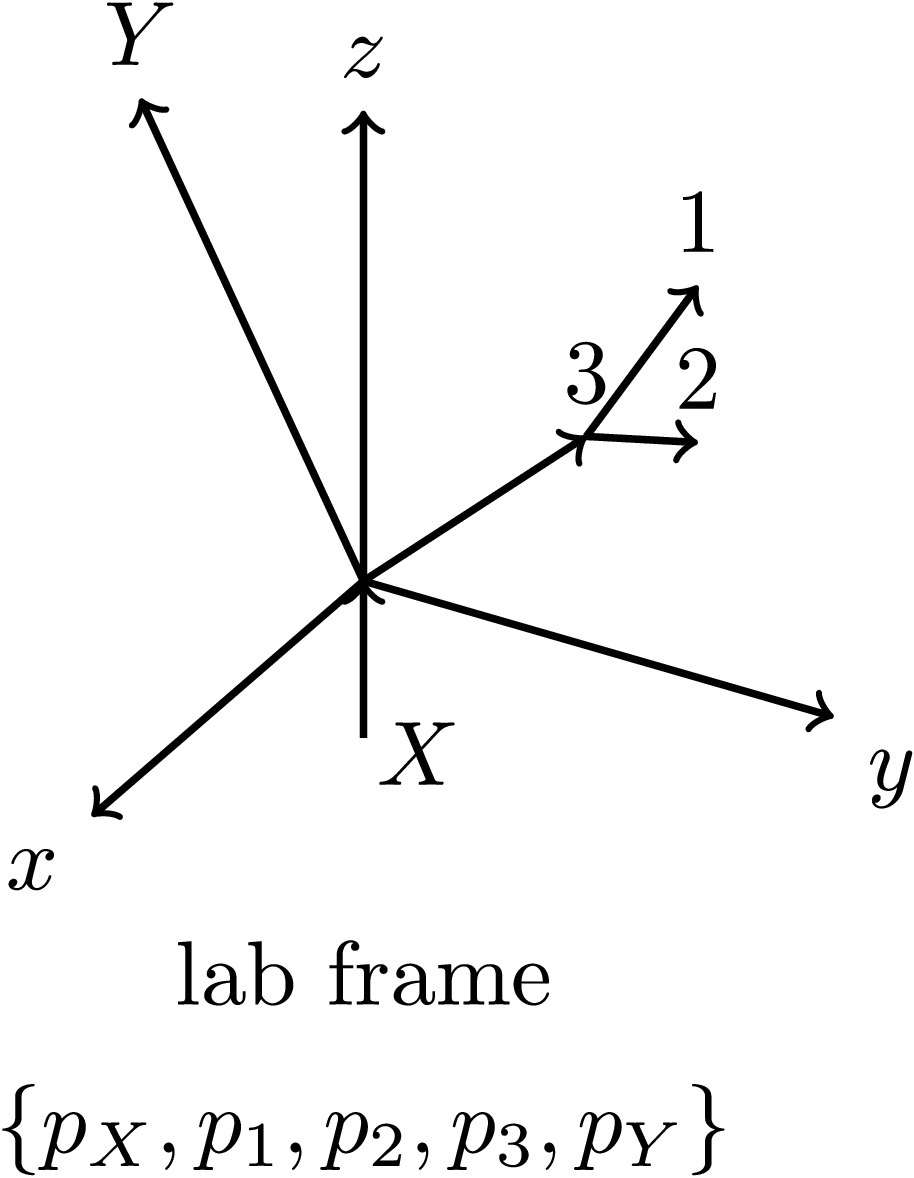
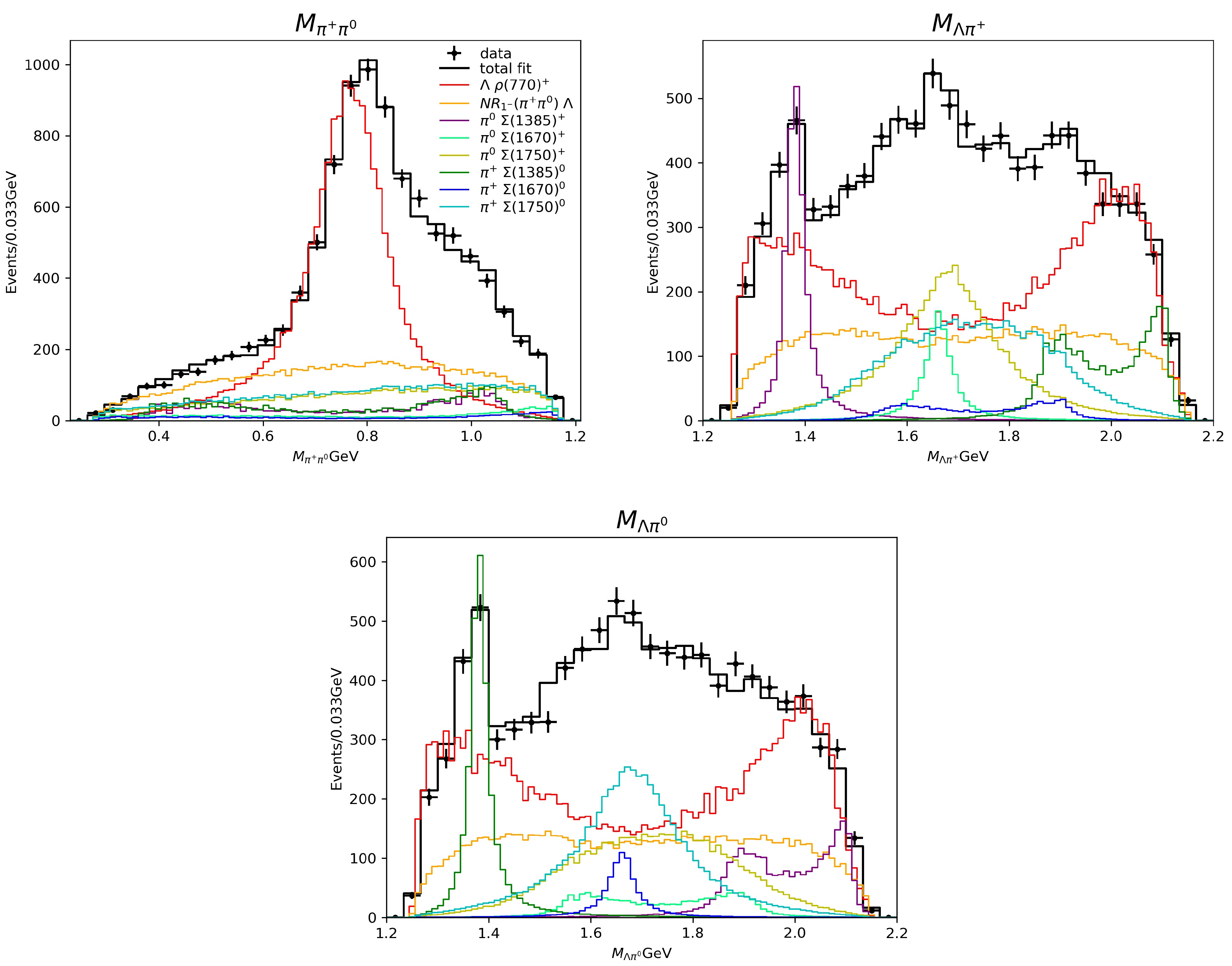
We propose a covariant orbital-spin (LS) decomposed amplitude for the partial wave analysis using the massive spinor-helicity formalism. First, we review the traditional-LS method in the little group space and the Zemach tensor method in the double cover of the\begin{document}$ S O(3) $\end{document} \begin{document}$S O(3,1)$\end{document} \begin{document}$LS$\end{document} \begin{document}$LS$\end{document} \begin{document}$LS$\end{document} \begin{document}$\Lambda_c^+\to\Lambda\pi^+\pi^0$\end{document} \begin{document}$LS$\end{document}
We propose a covariant orbital-spin (LS) decomposed amplitude for the partial wave analysis using the massive spinor-helicity formalism. First, we review the traditional-LS method in the little group space and the Zemach tensor method in the double cover of the


2026, 50(9): 093111. doi: 10.1088/1674-1137/ae8379
Abstract:
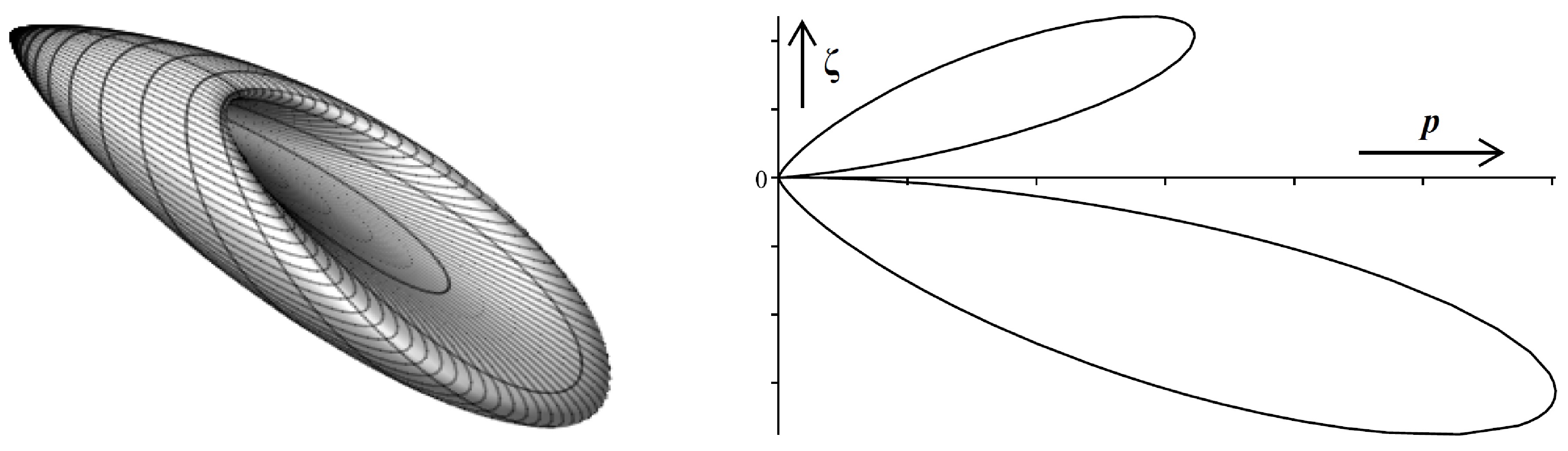
The Spin Light of neutrino (\begin{document}$ SL\nu $\end{document} \begin{document}$ SL\nu $\end{document}
The Spin Light of neutrino (
2026, 50(9): 093112. doi: 10.1088/1674-1137/ae7db1
Abstract:
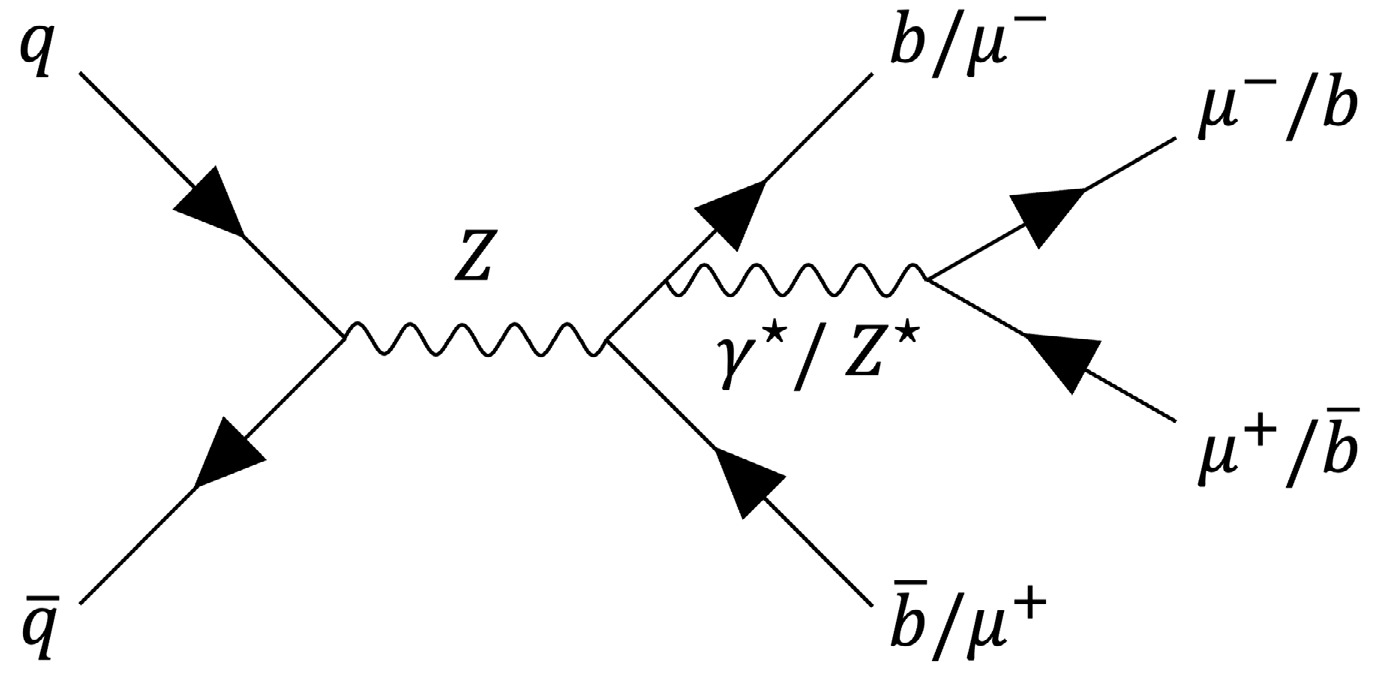
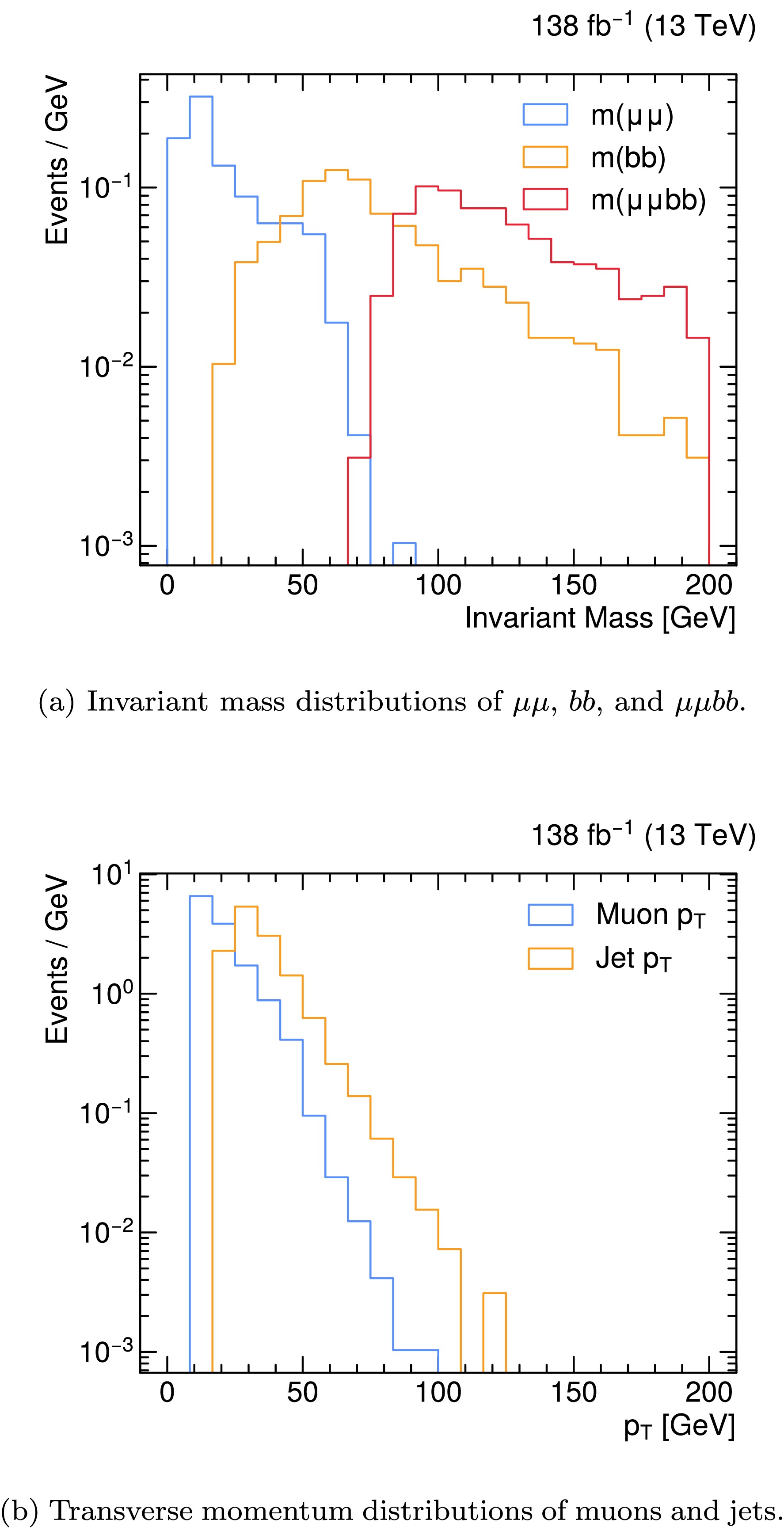
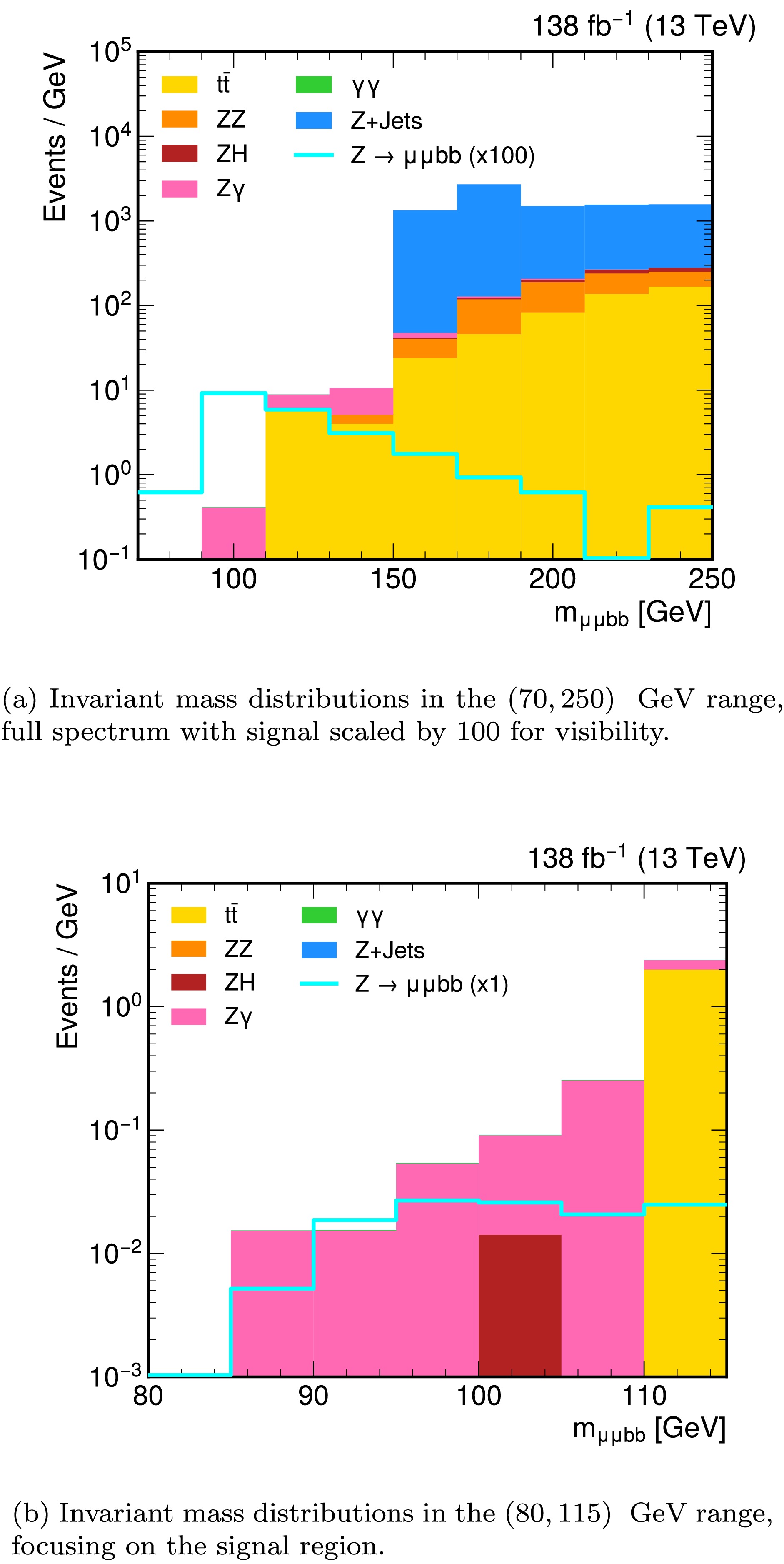
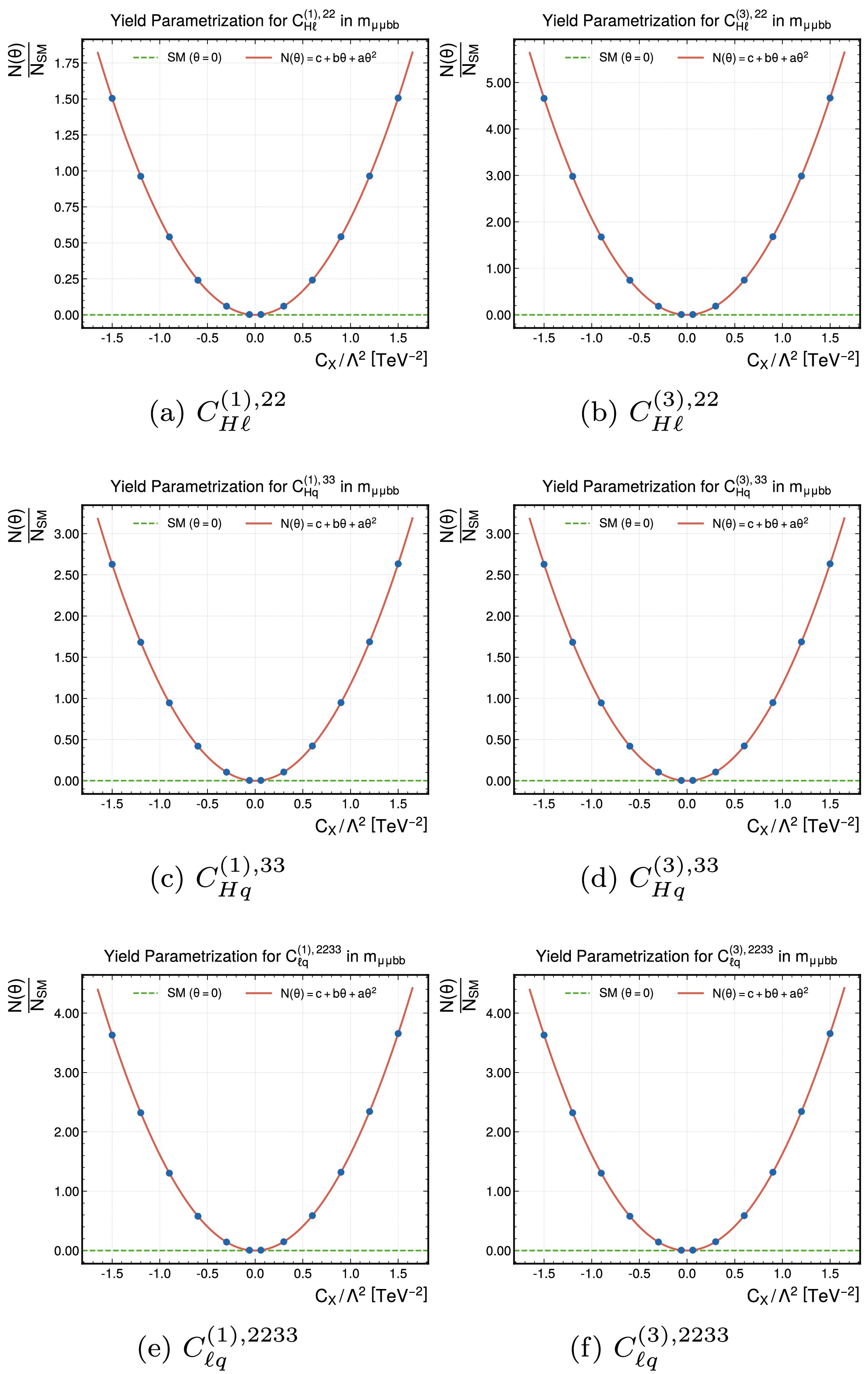
The Standard Model Effective Field Theory (SMEFT) provides a systematic framework to parameterize indirect effects of heavy new physics in precision measurements. In this work, we study the\begin{document}${\mu^+\mu^-b\bar b}$\end{document} \begin{document}${Z}$\end{document} \begin{document}${b}$\end{document} \begin{document}${Z}$\end{document} \begin{document}${138\; \mathrm{fb}^{-1}}$\end{document} \begin{document}${3000 \;\mathrm{fb}^{-1}}$\end{document} \begin{document}$ 138\; \mathrm{fb}^{-1} $\end{document} \begin{document}$ [-0.030,\,0.026] $\end{document} \begin{document}$ [-0.023,\,0.014]\; \mathrm{TeV}^{-2} $\end{document} \begin{document}$ 3000\; \mathrm{fb}^{-1} $\end{document} \begin{document}${Z}$\end{document}
The Standard Model Effective Field Theory (SMEFT) provides a systematic framework to parameterize indirect effects of heavy new physics in precision measurements. In this work, we study the
2026, 50(9): 094001. doi: 10.1088/1674-1137/ae71a5
Abstract:
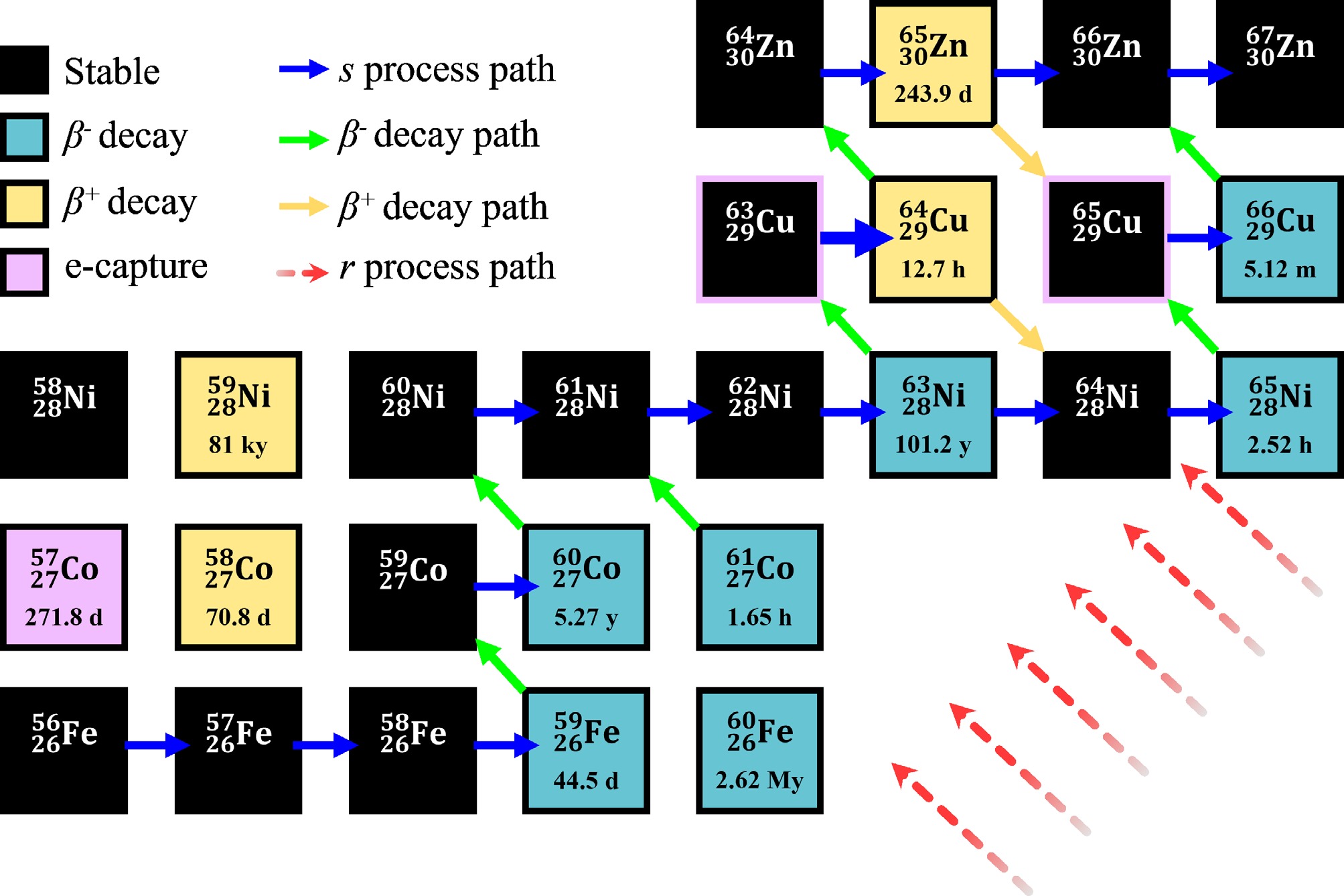
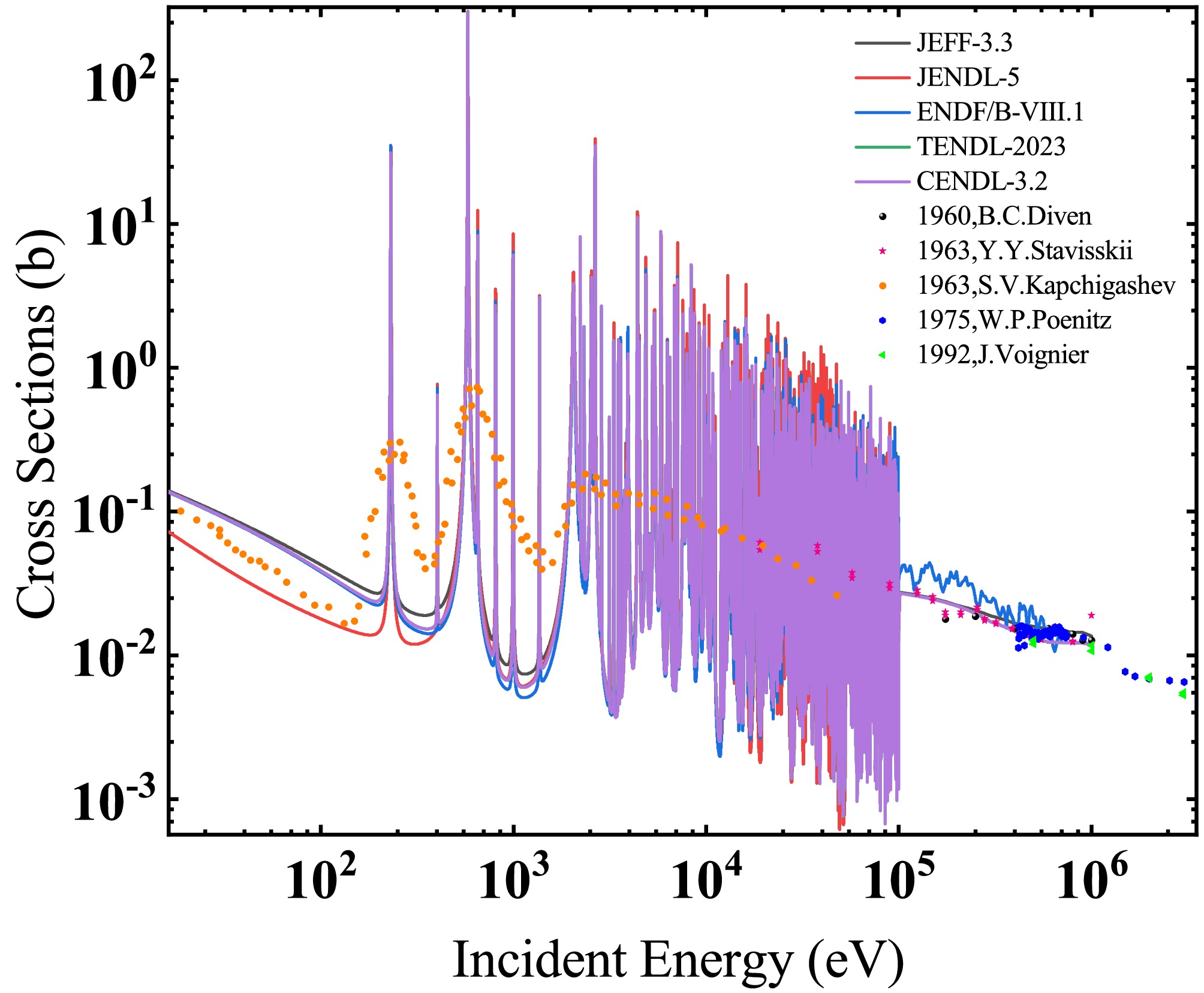
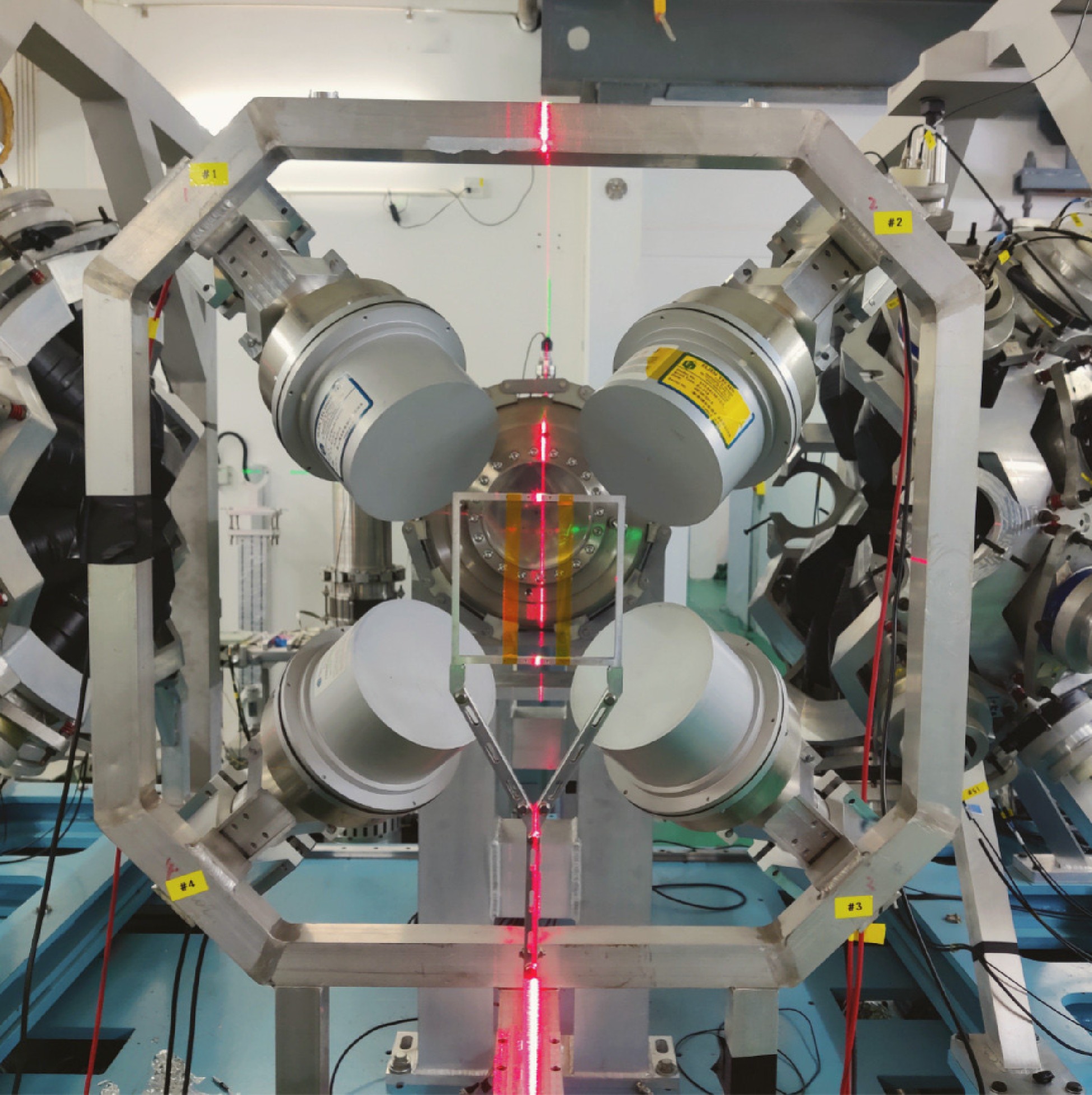
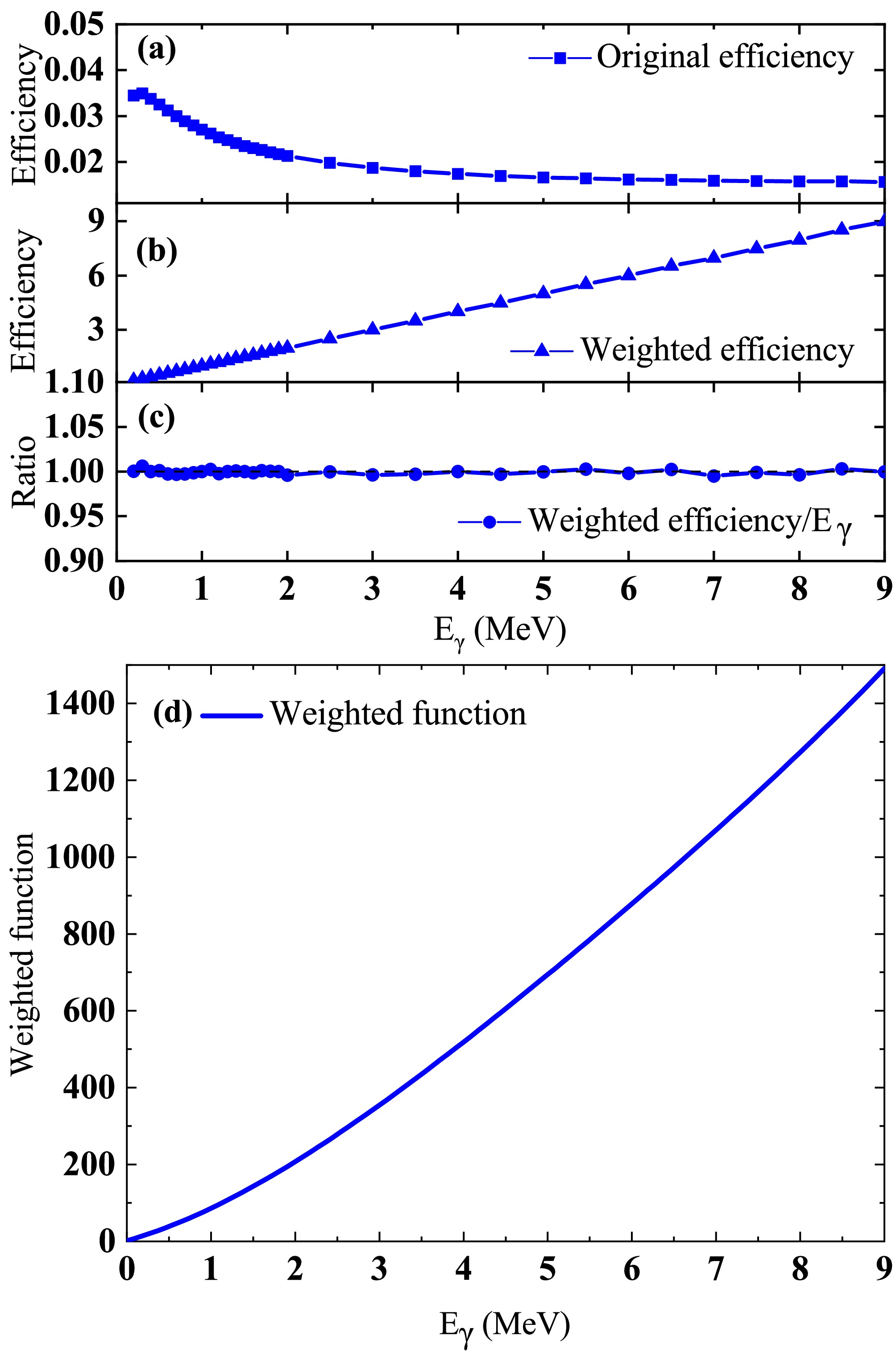
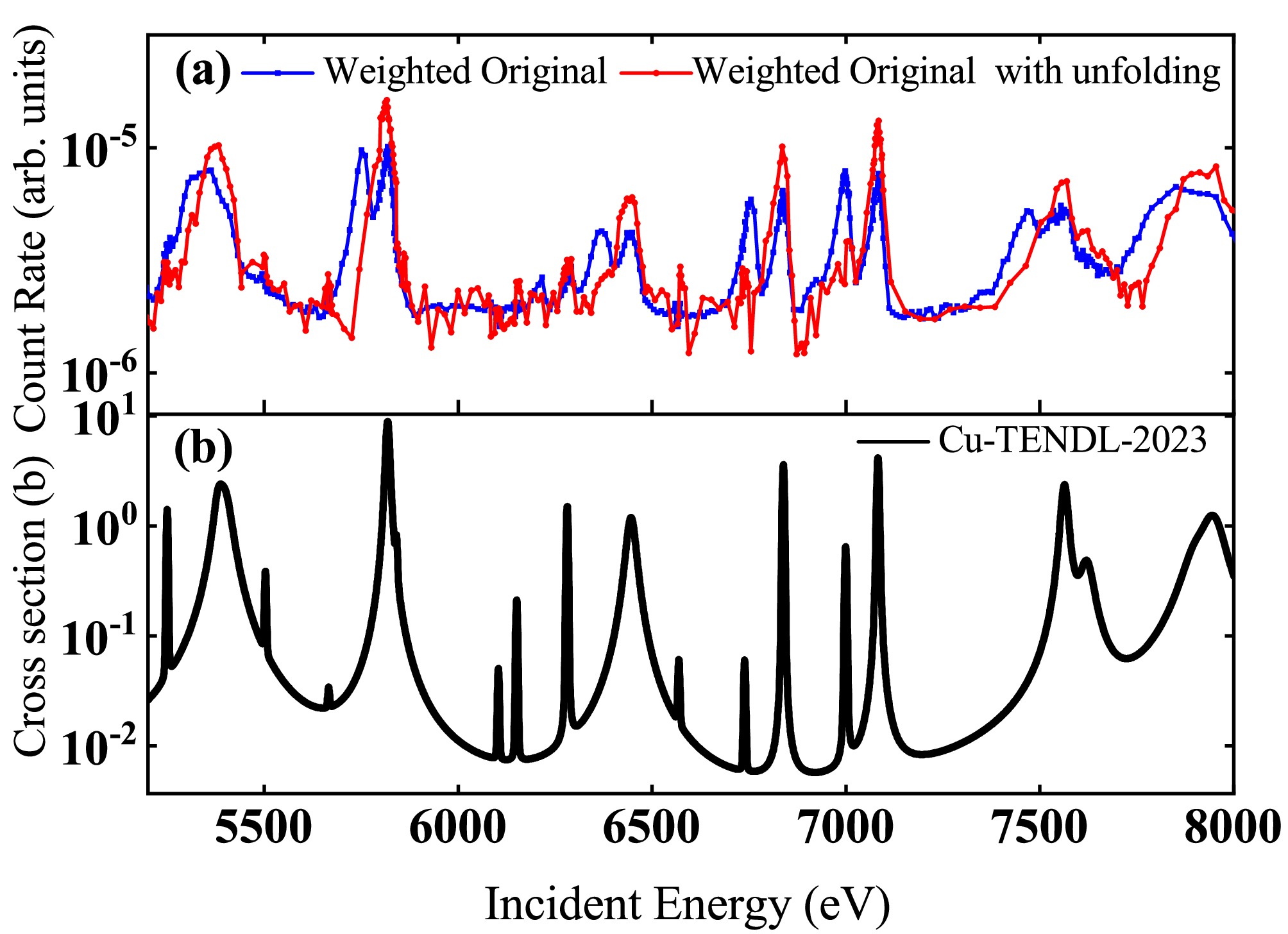
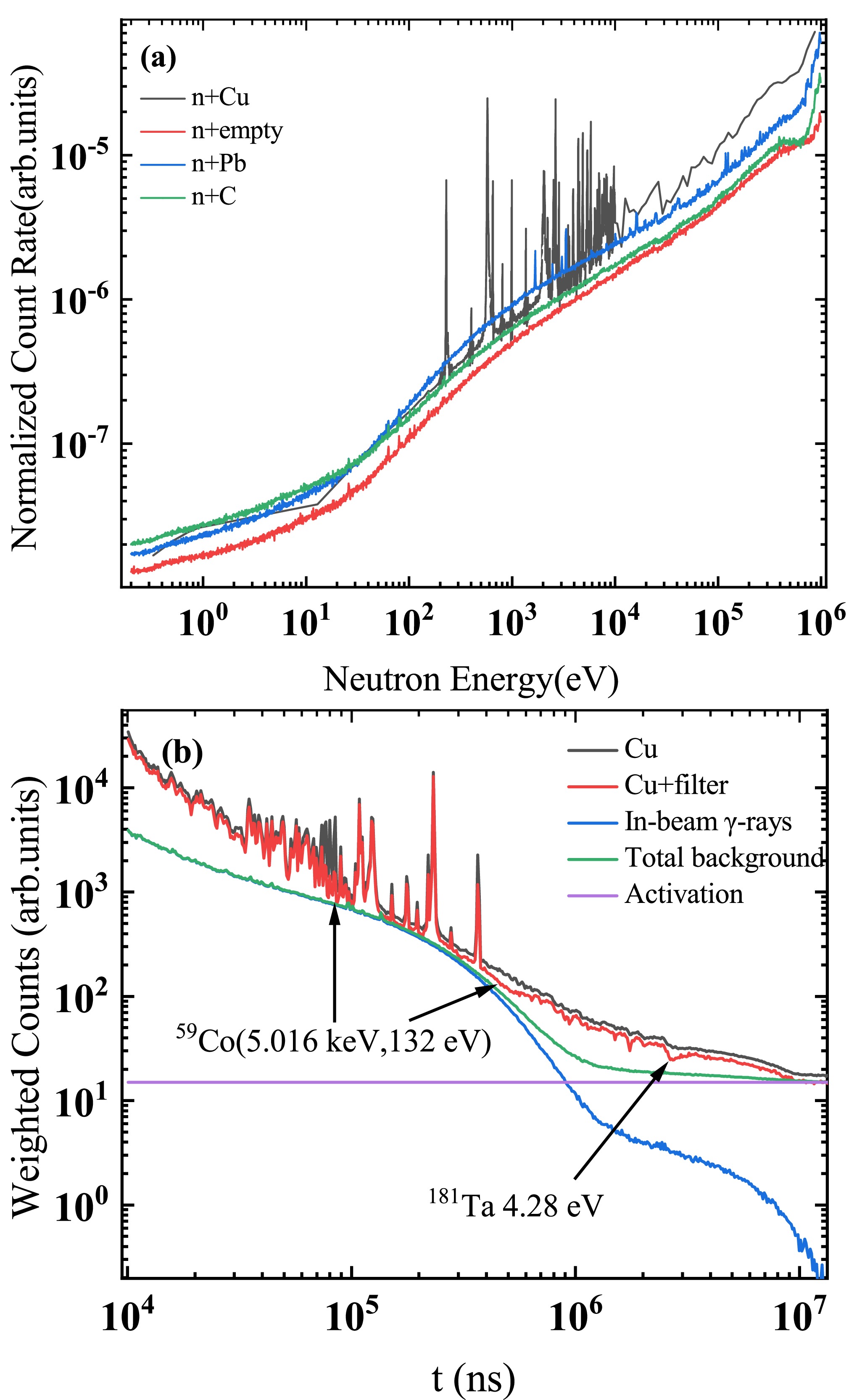
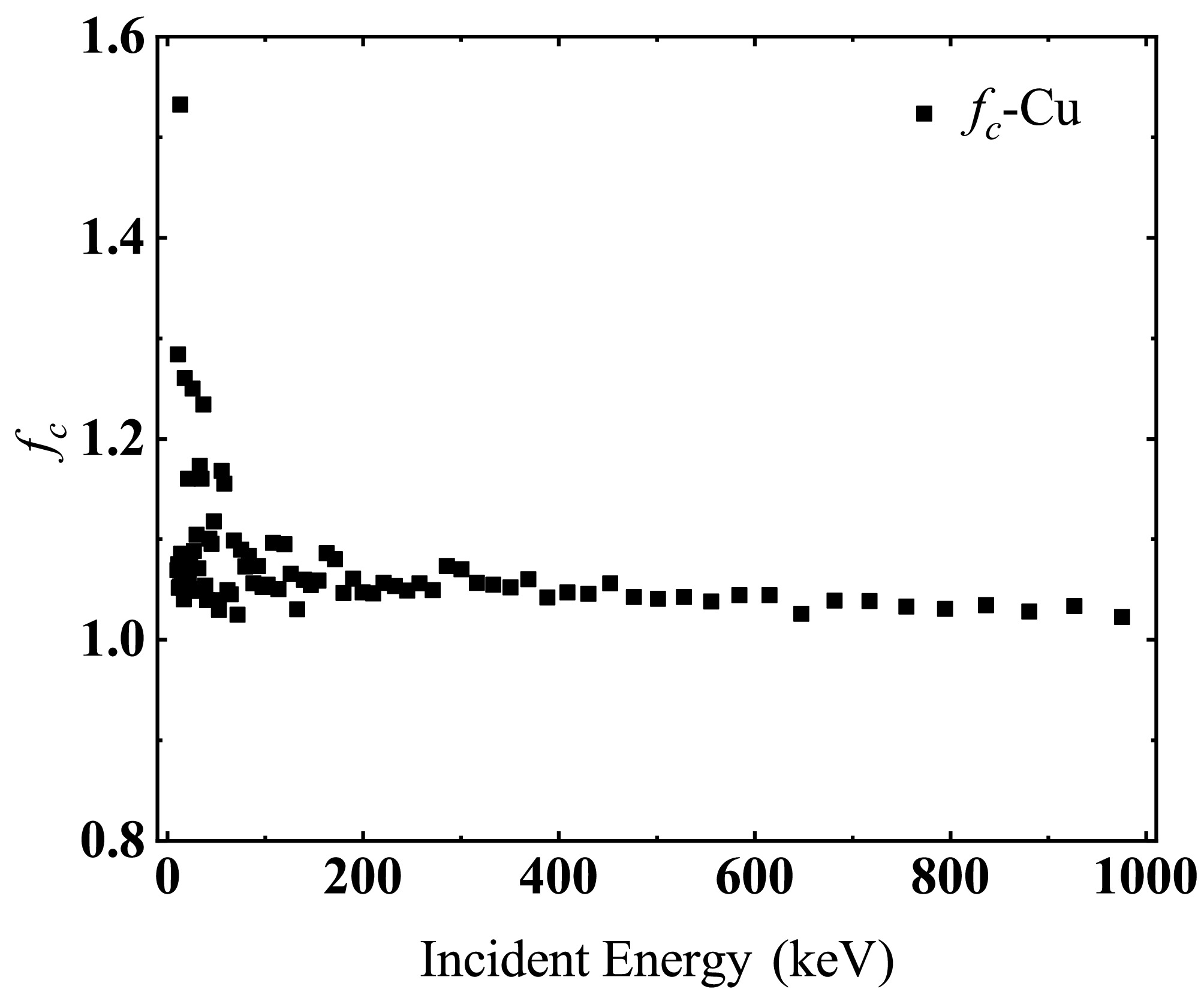
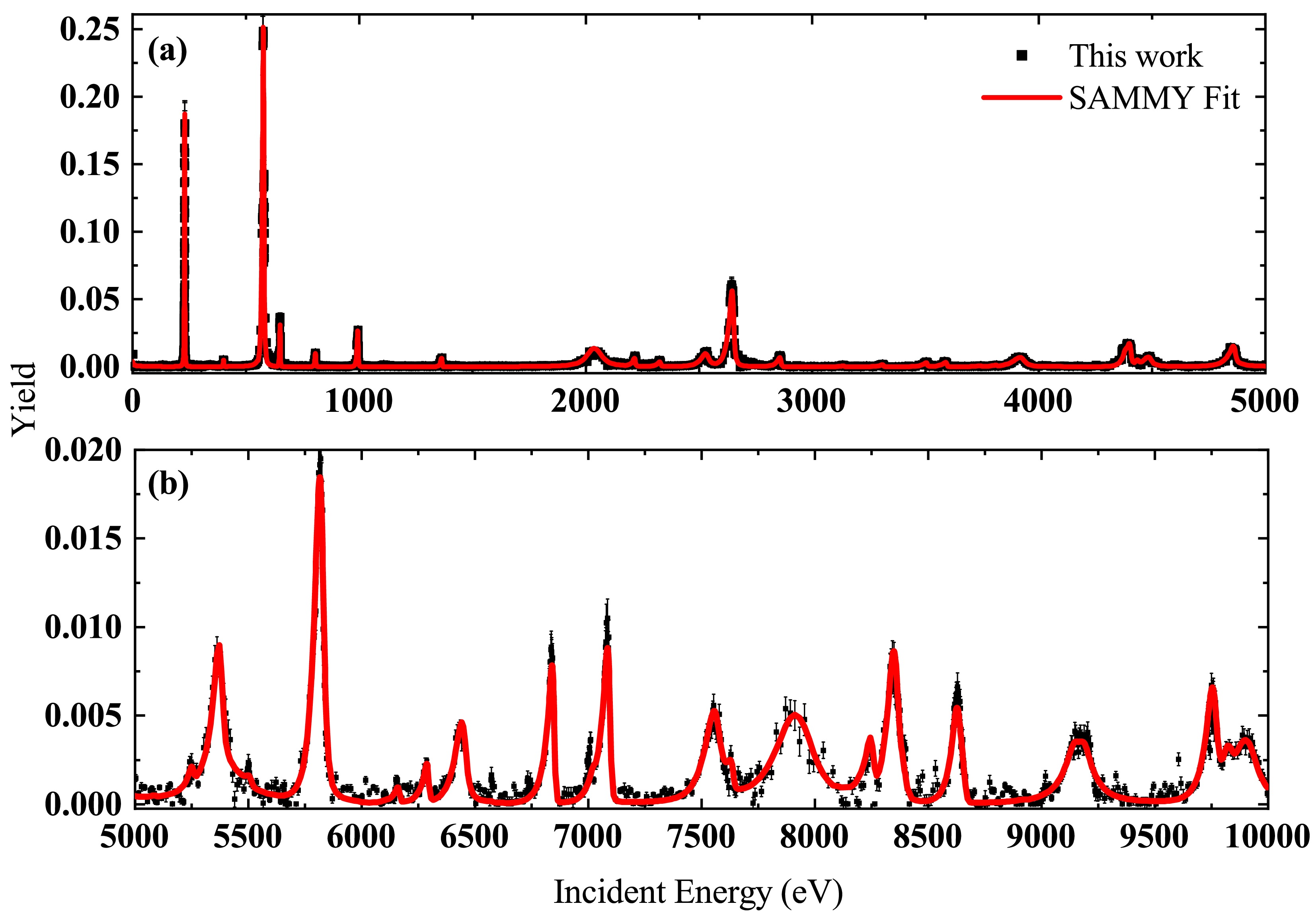
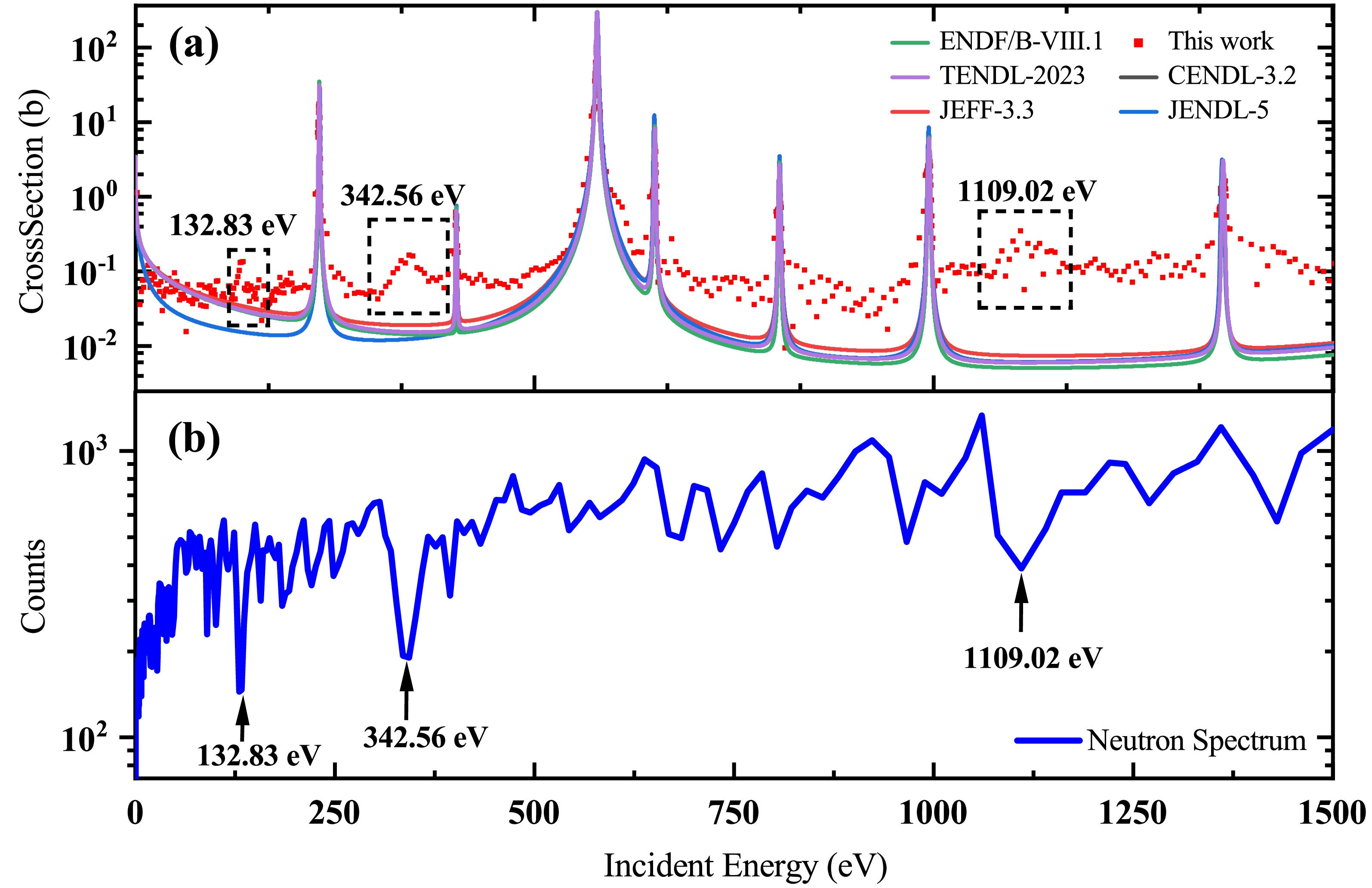
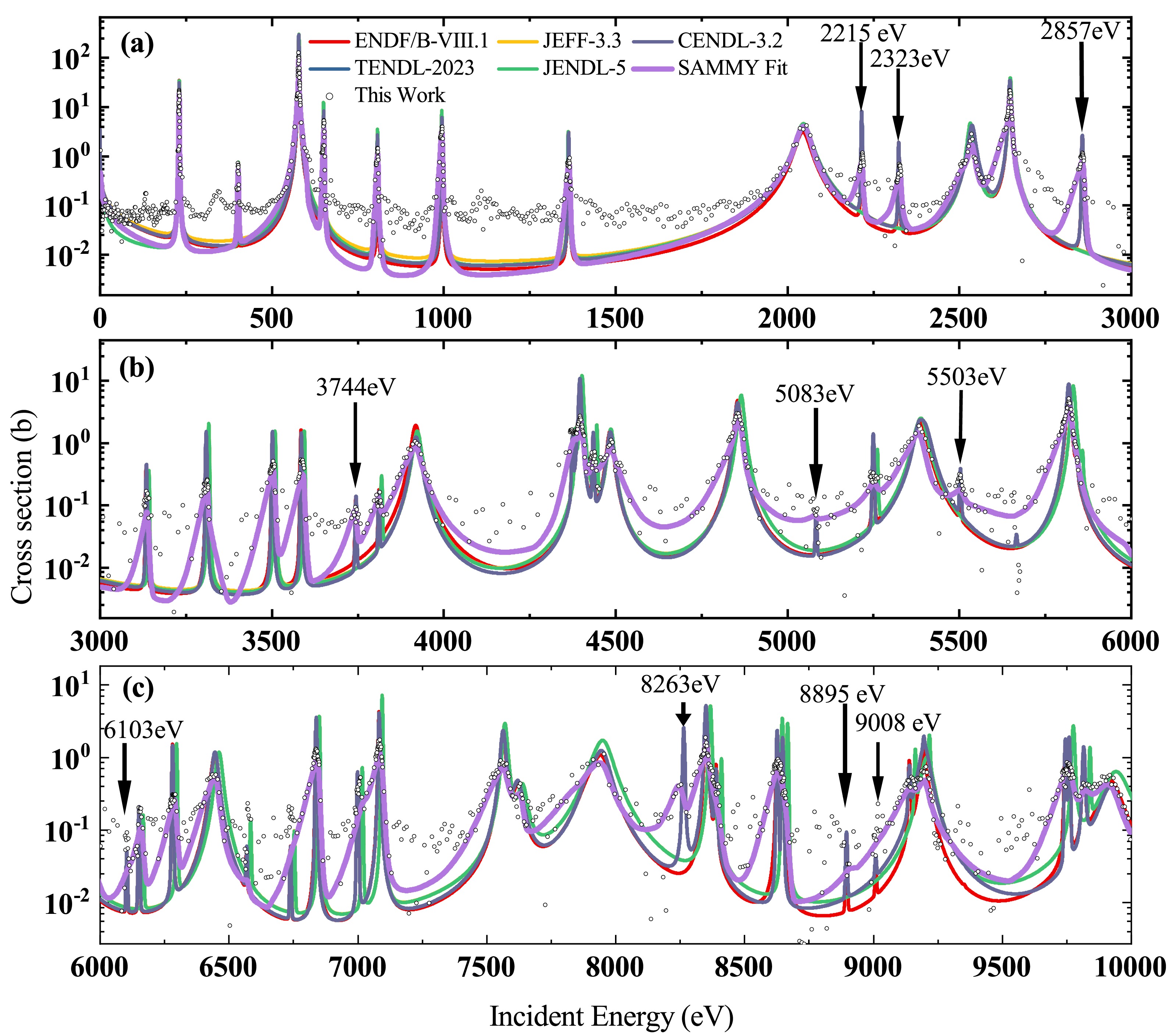
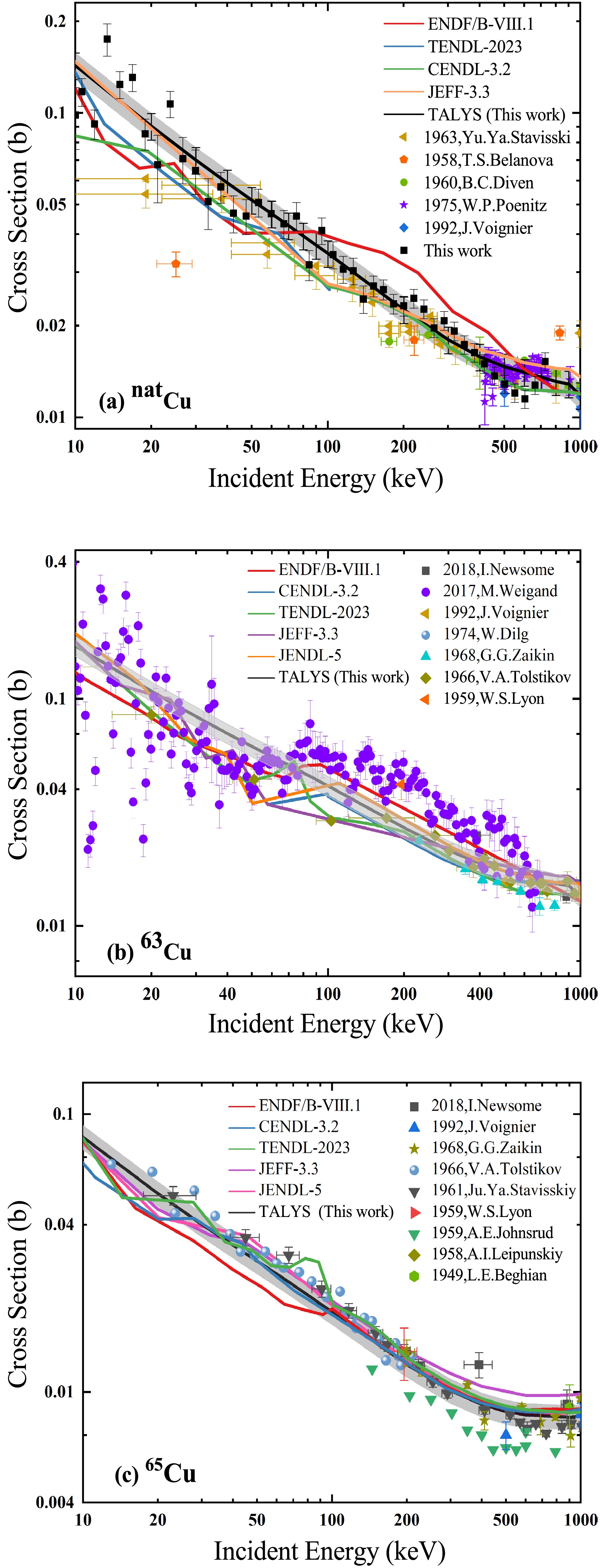
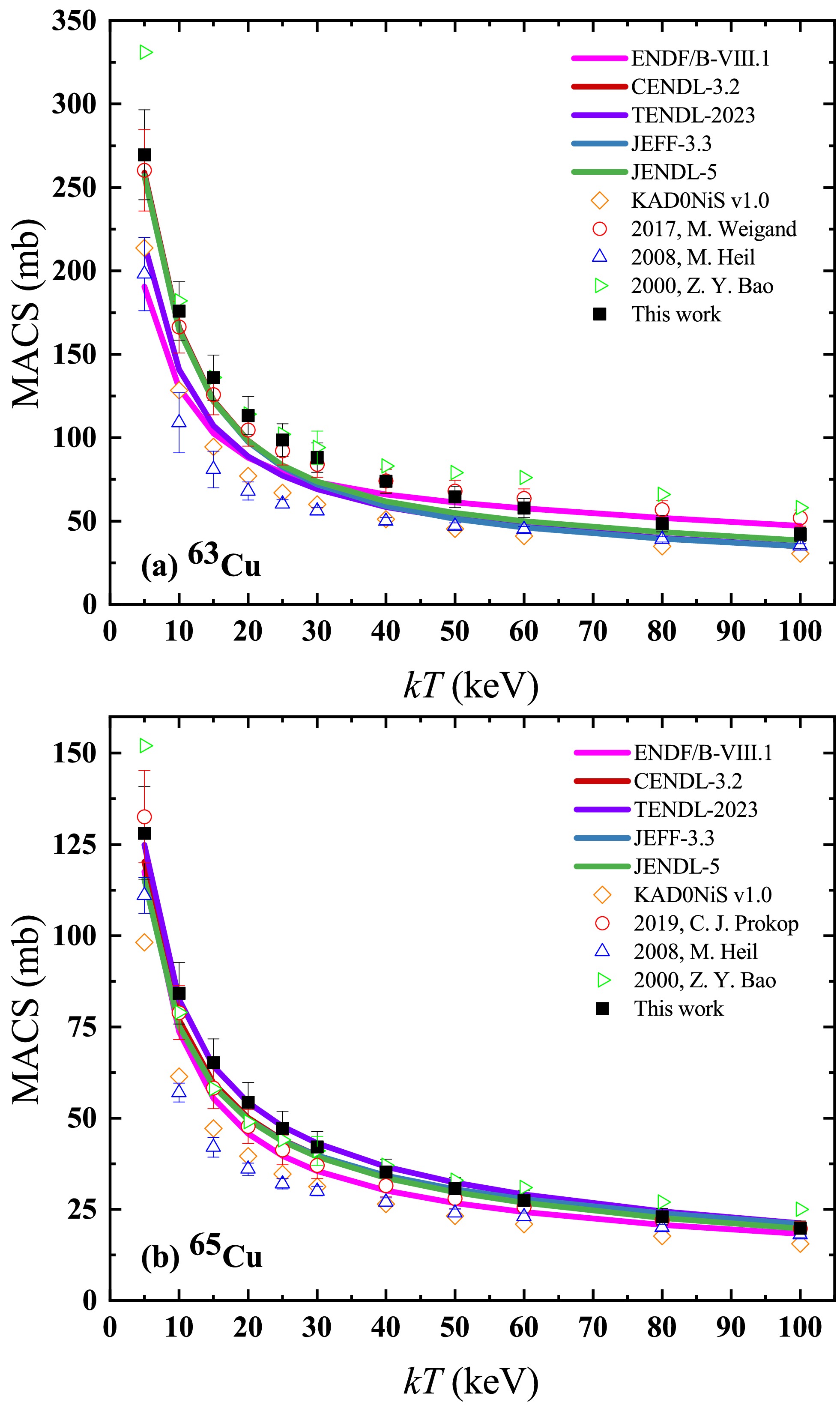
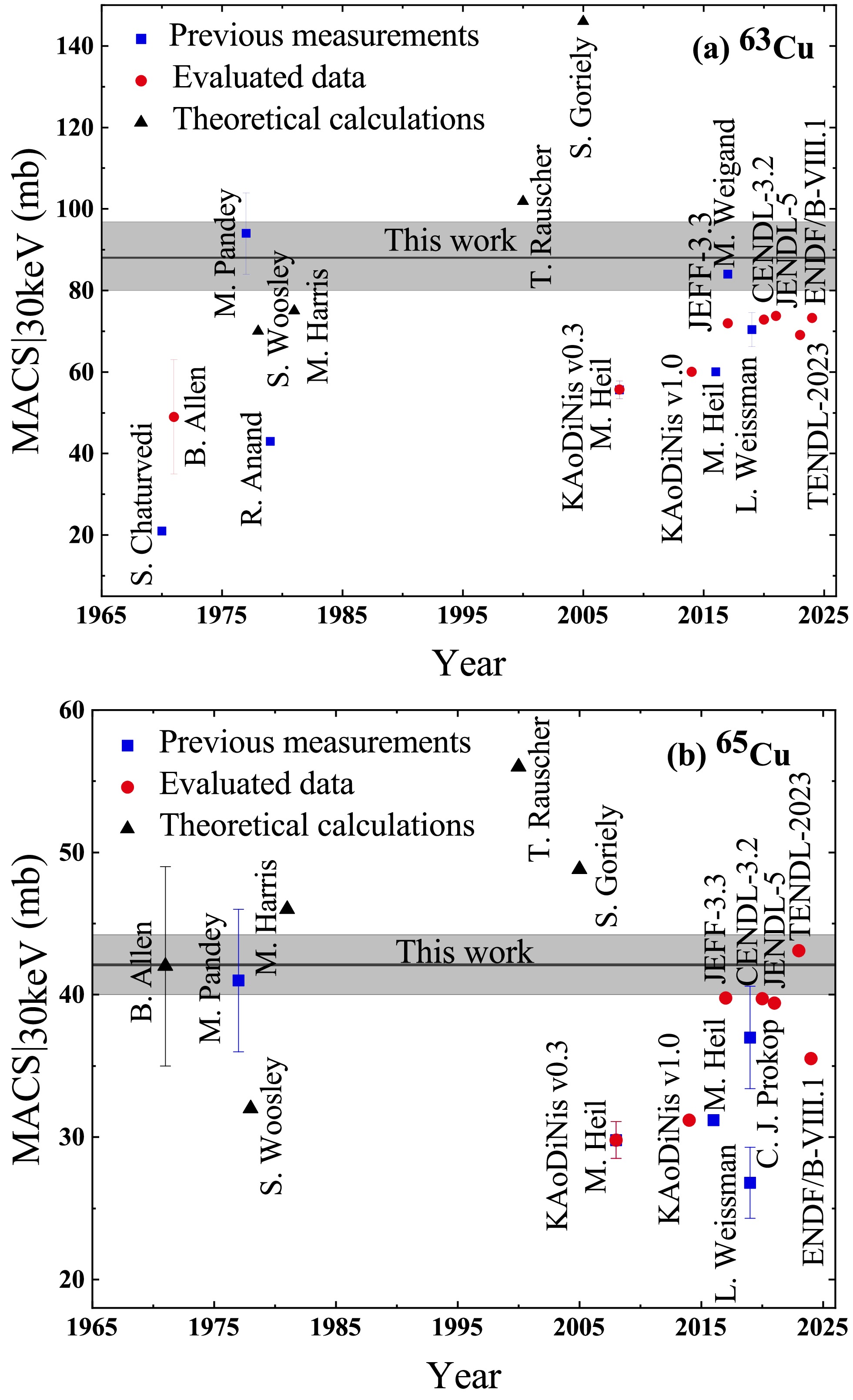
The neutron capture cross sections of copper play a crucial role in the s process of stellar nucleosynthesis, the production of the medical isotope\begin{document}$^{64}{\rm{Cu}}$\end{document} \begin{document}${}{\rm{Cu}}({n},\gamma)$\end{document} \begin{document}${{\rm{C}}_{6}{\rm{D}}_{6}}$\end{document} \begin{document}$^{63,65}{\rm{Cu}}$\end{document} \begin{document}$kT=5-100$\end{document} \begin{document}$kT=30$\end{document} \begin{document}$^{63}{\rm{Cu}}$\end{document} \begin{document}$^{65}{\rm{Cu}}$\end{document}
The neutron capture cross sections of copper play a crucial role in the s process of stellar nucleosynthesis, the production of the medical isotope
2026, 50(9): 094002. doi: 10.1088/1674-1137/ae740a
Abstract:
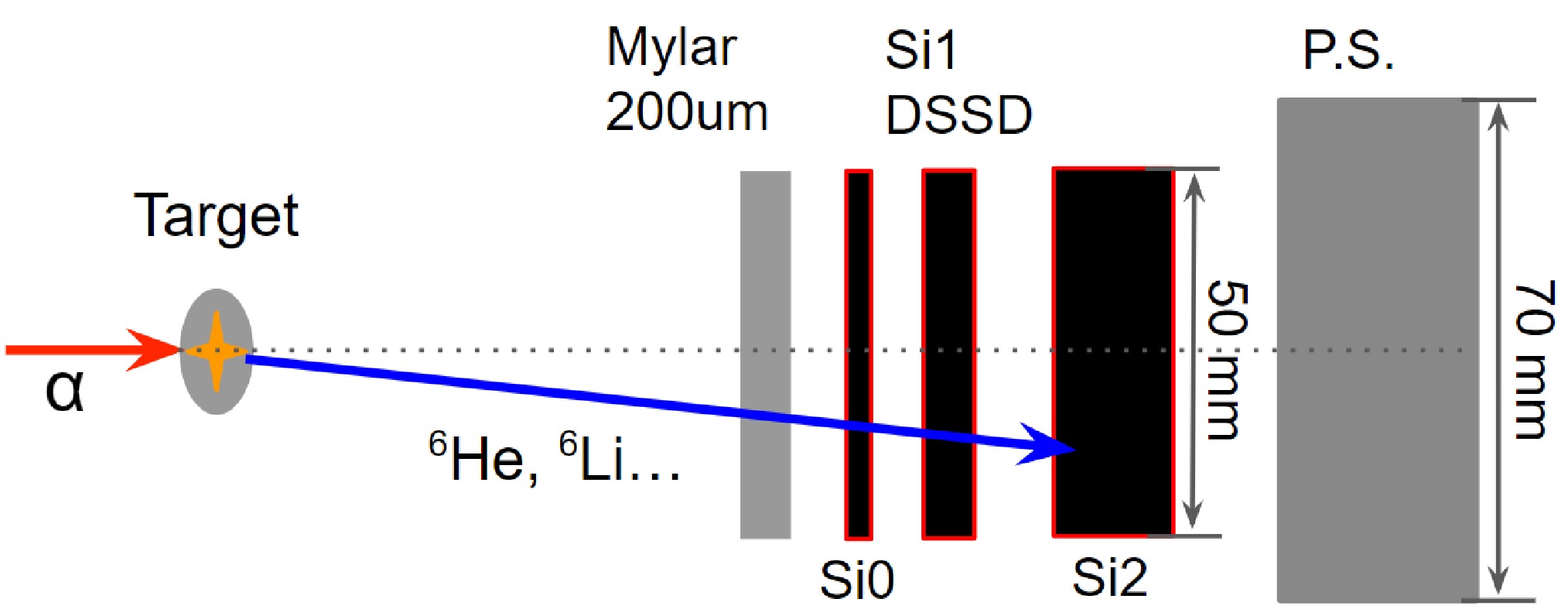
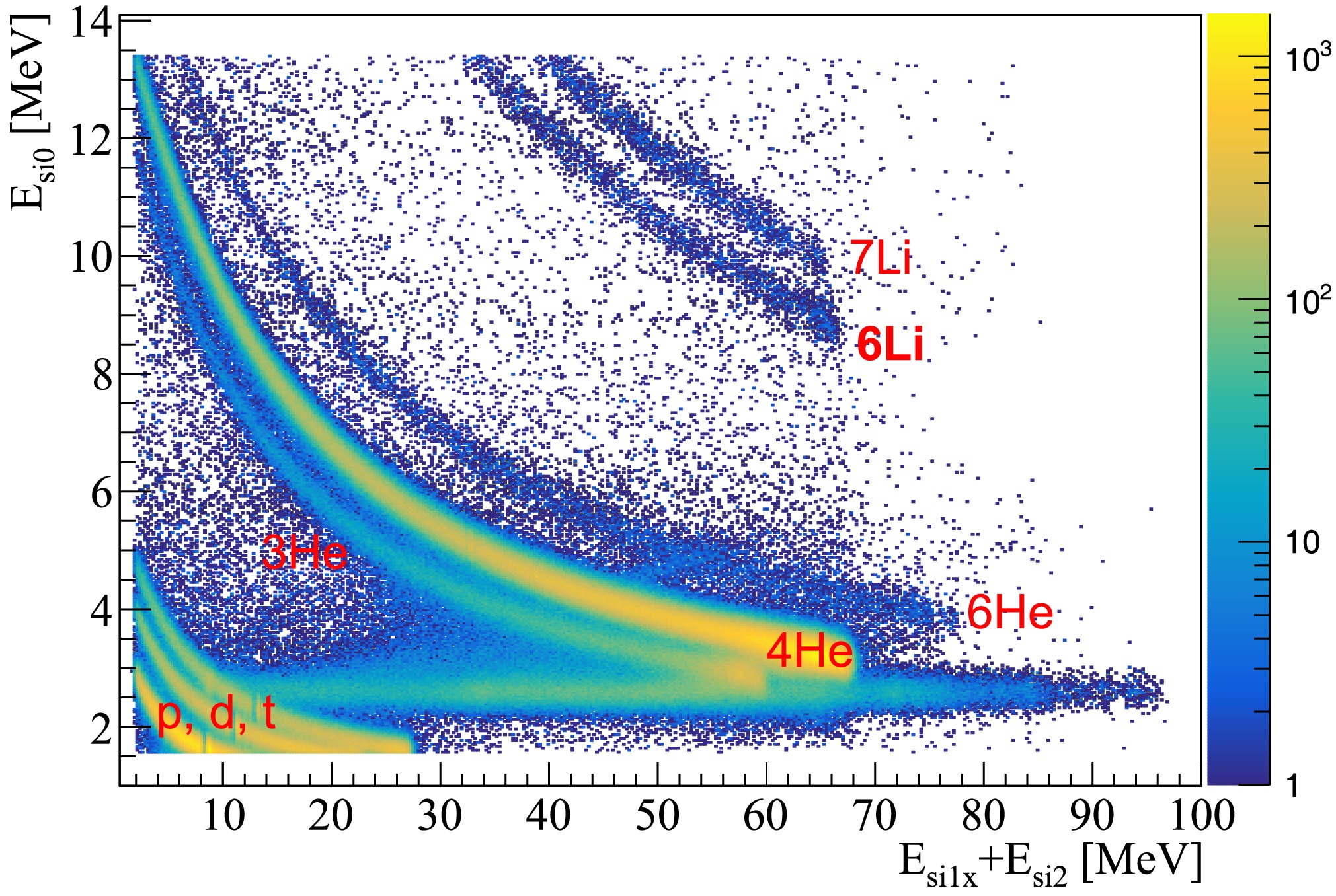
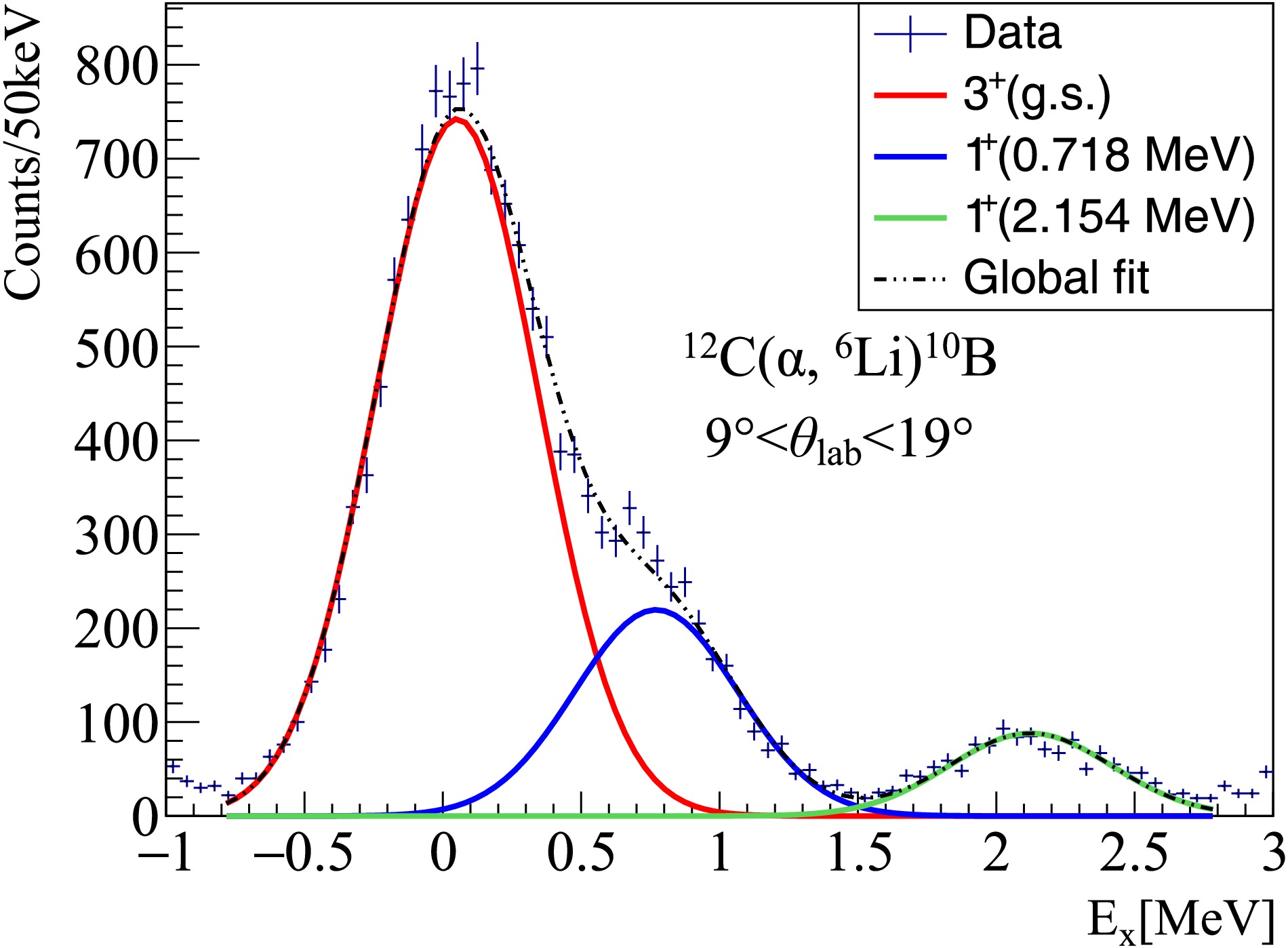
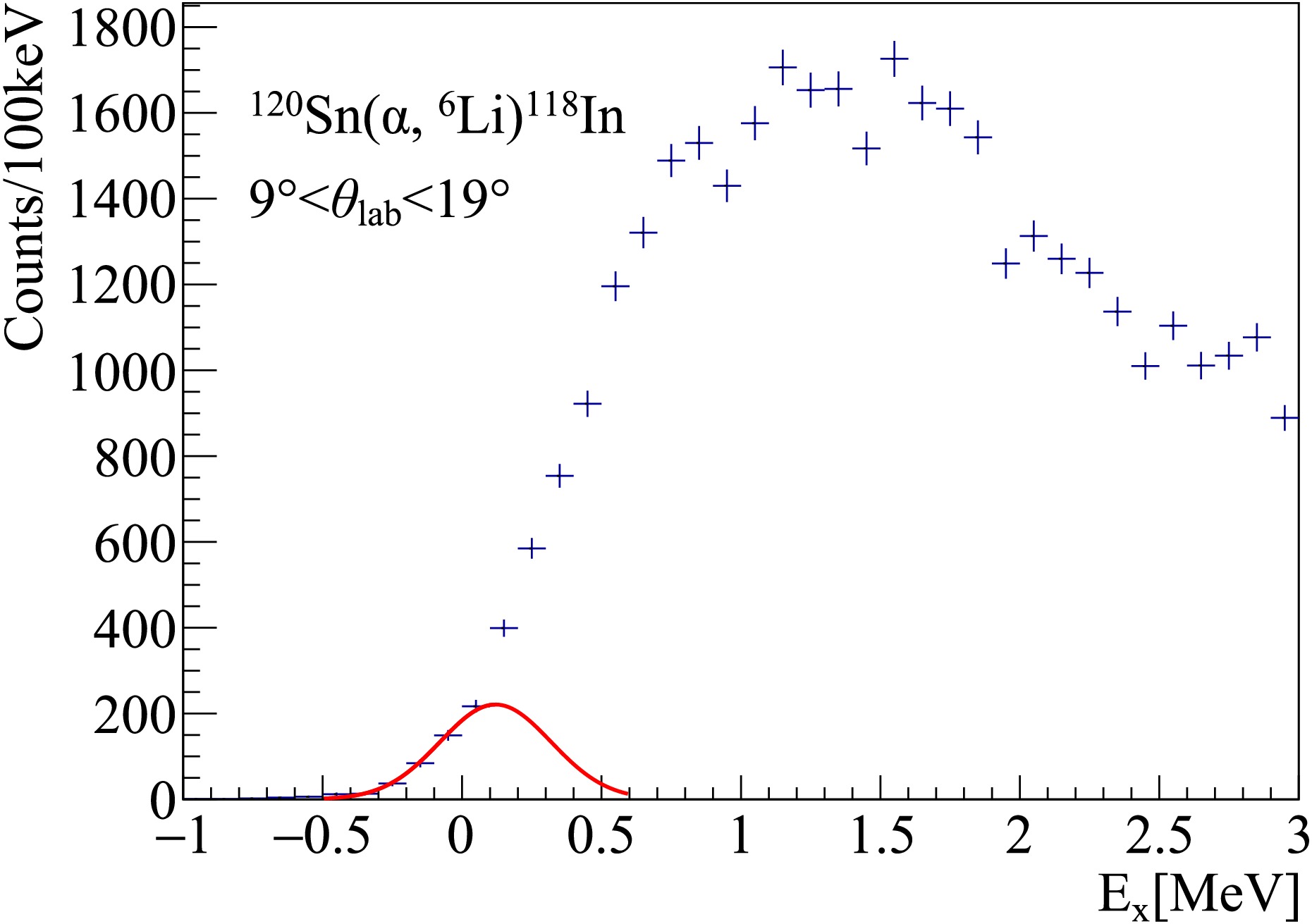
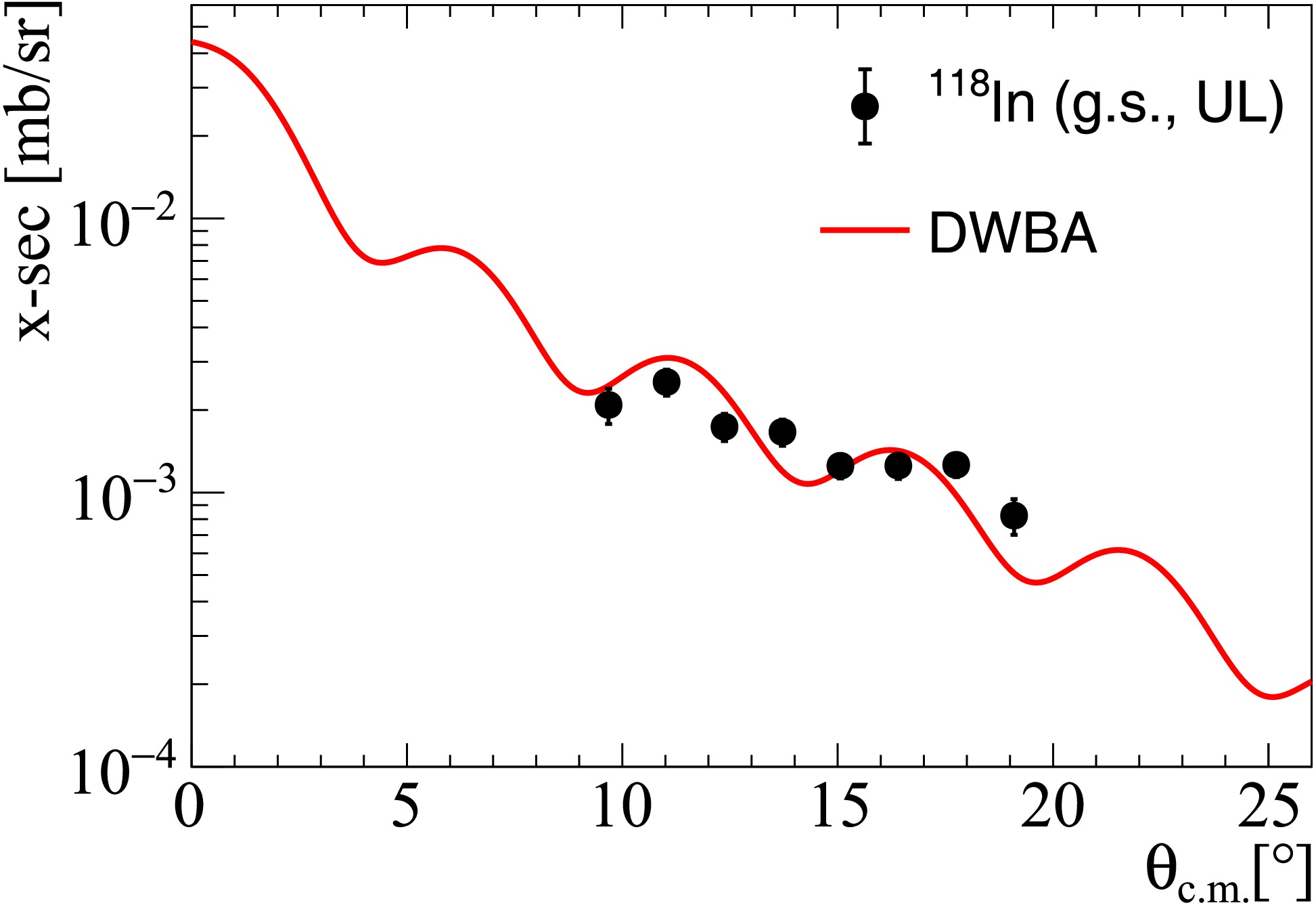
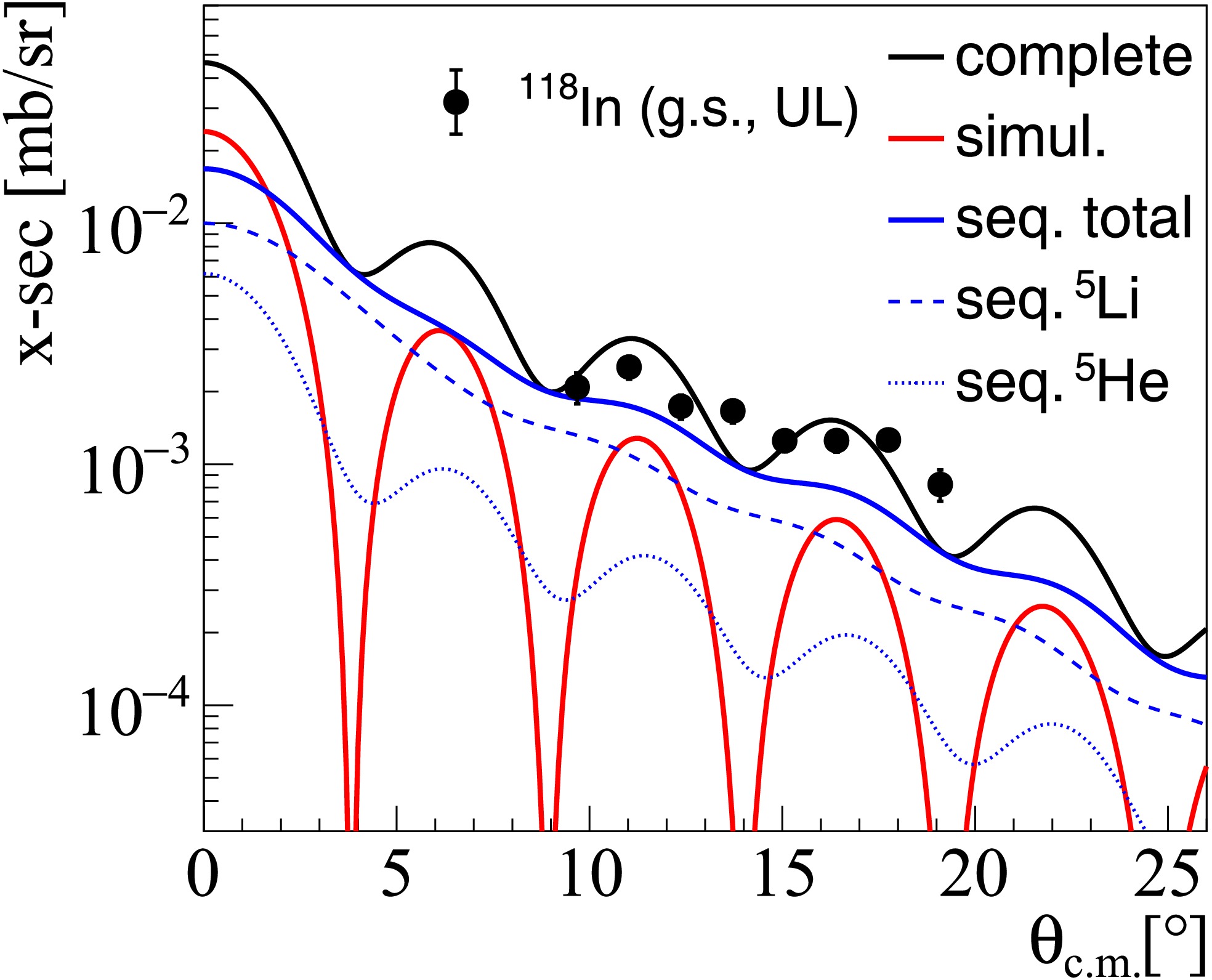
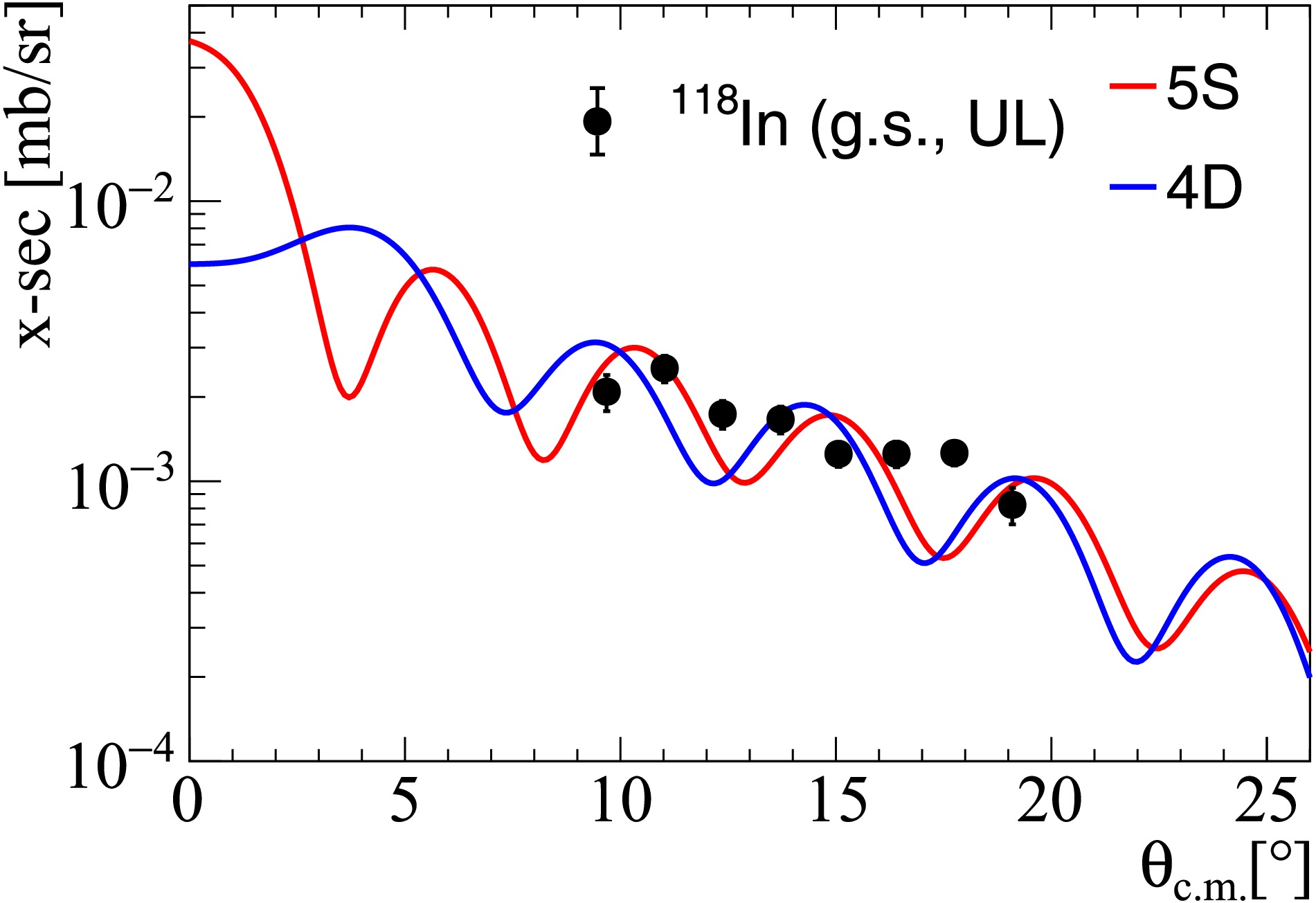
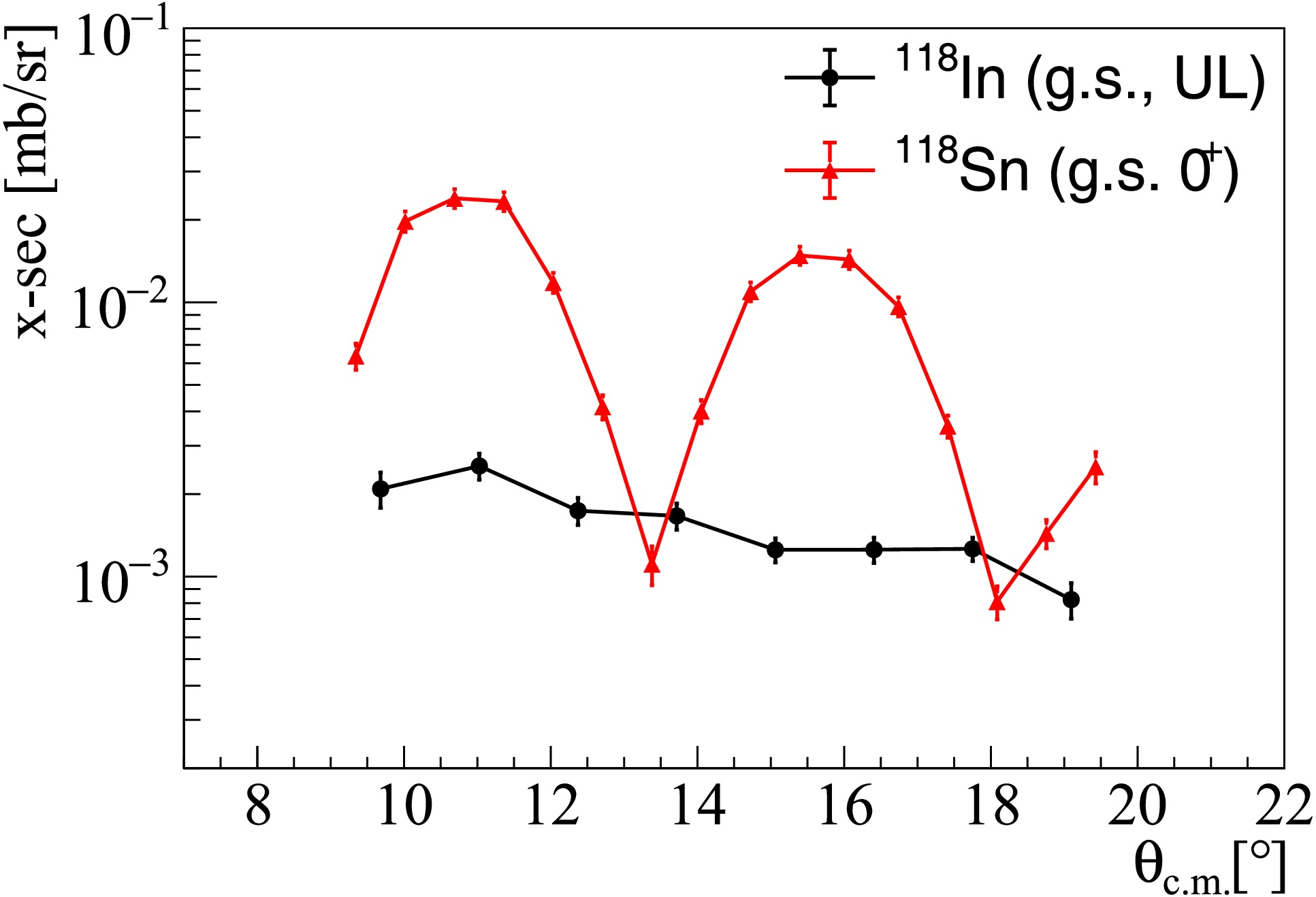
Nucleon-pair correlations play a fundamental role in shaping nuclear structure. Two-nucleon transfer reactions provide a unique probe for investigating pair correlations in nuclei. A recent theoretical study has predicted significant proton-neutron (\begin{document}$pn$\end{document} \begin{document}$N>Z$\end{document} \begin{document}$pn$\end{document} \begin{document}$9^\circ$\end{document} \begin{document}$19^\circ$\end{document} \begin{document}$\sigma=0.42 \pm 0.02$\end{document} \begin{document}$\pi g_{9/2}\otimes\nu g_{7/2}$\end{document} \begin{document}$pn$\end{document}
Nucleon-pair correlations play a fundamental role in shaping nuclear structure. Two-nucleon transfer reactions provide a unique probe for investigating pair correlations in nuclei. A recent theoretical study has predicted significant proton-neutron (
2026, 50(9): 094003. doi: 10.1088/1674-1137/ae823a
Abstract:
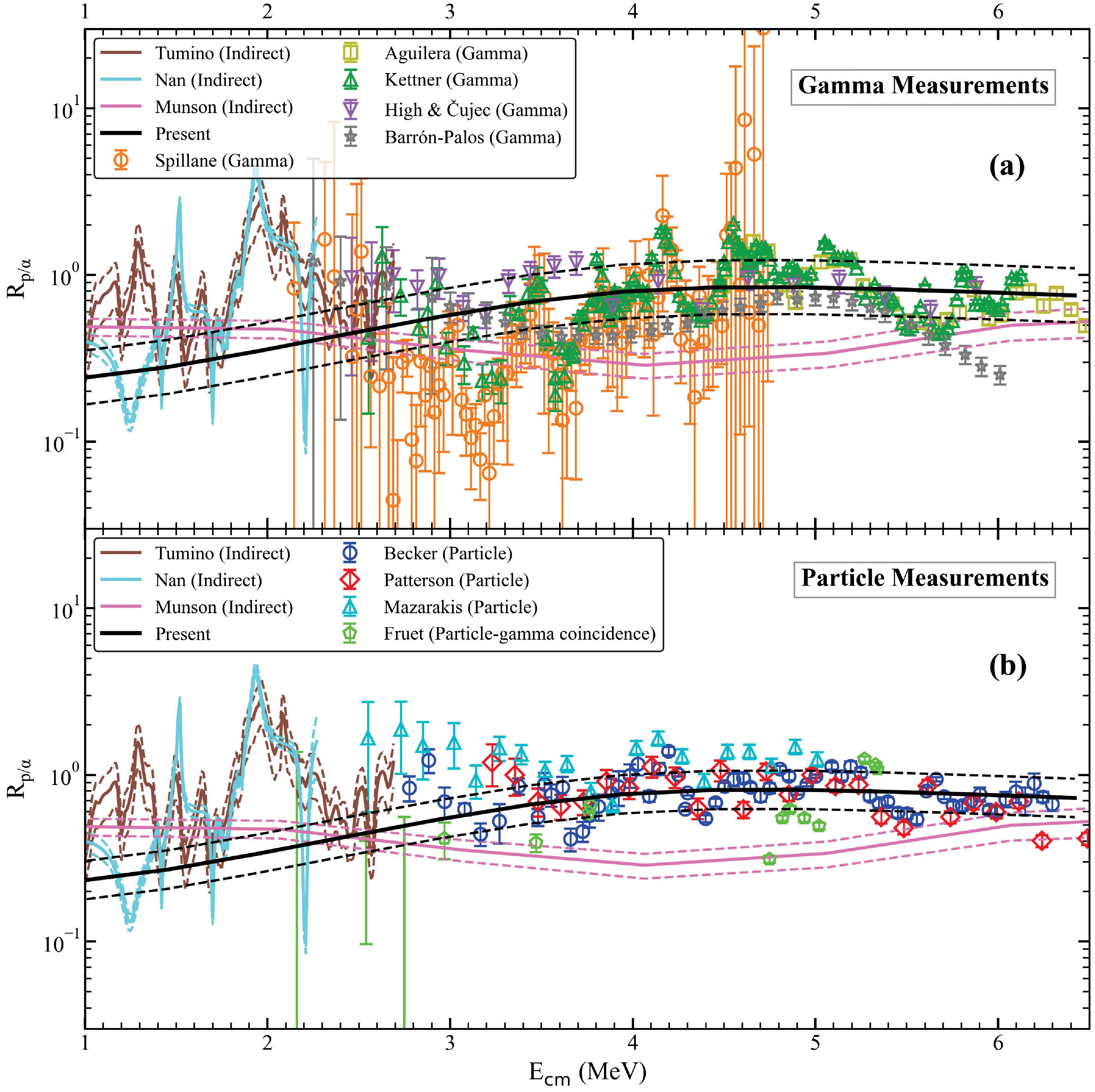
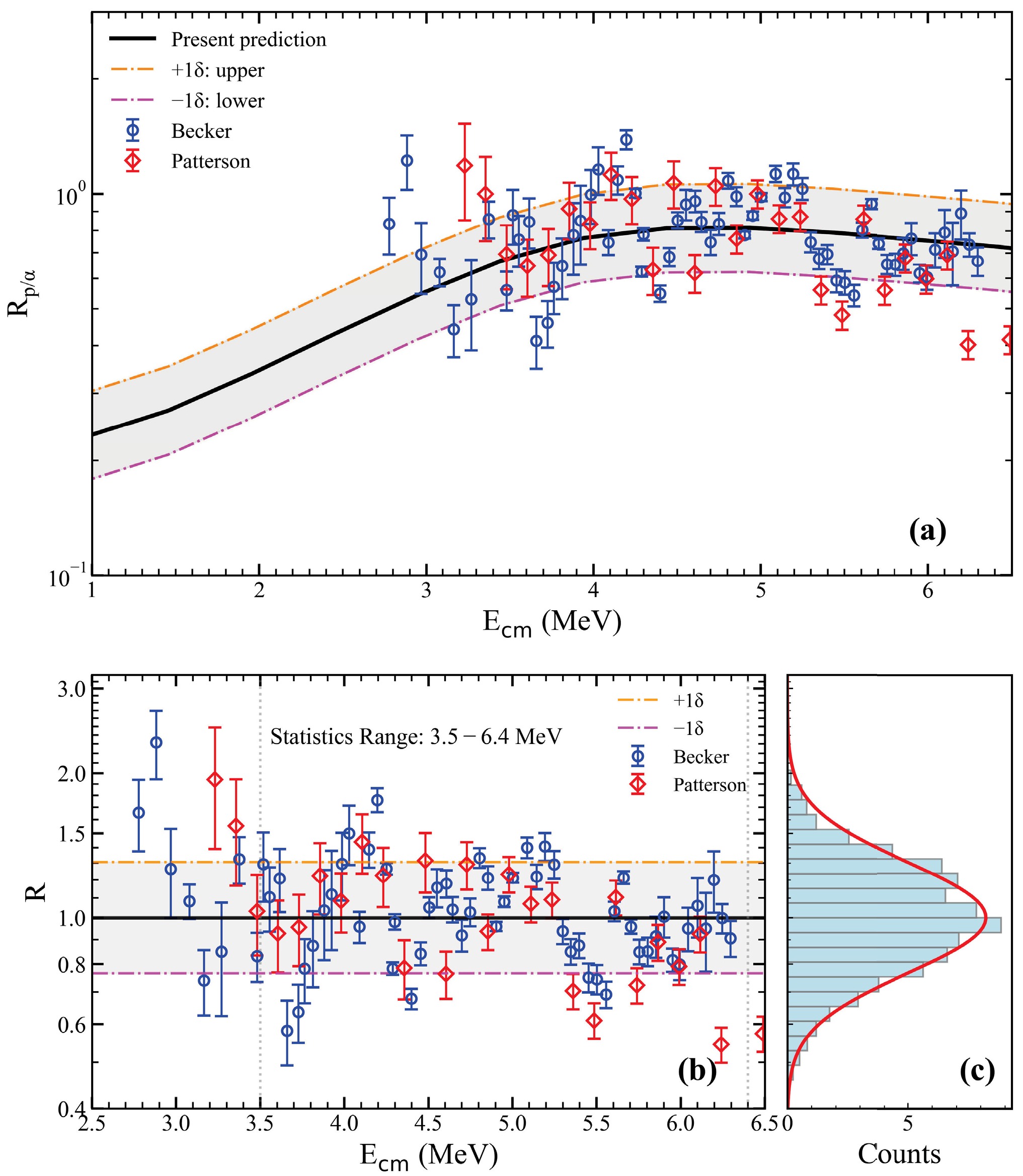
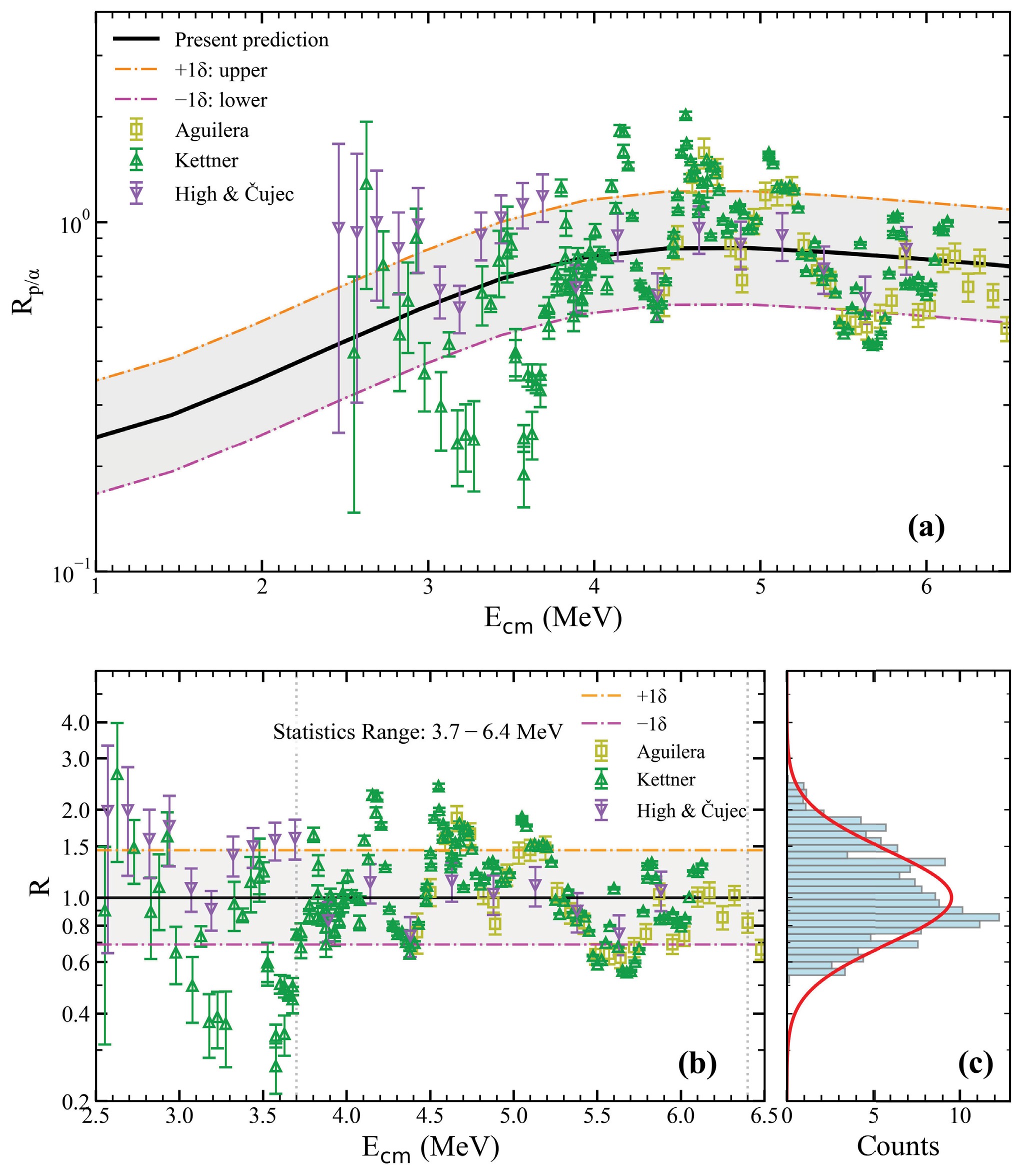
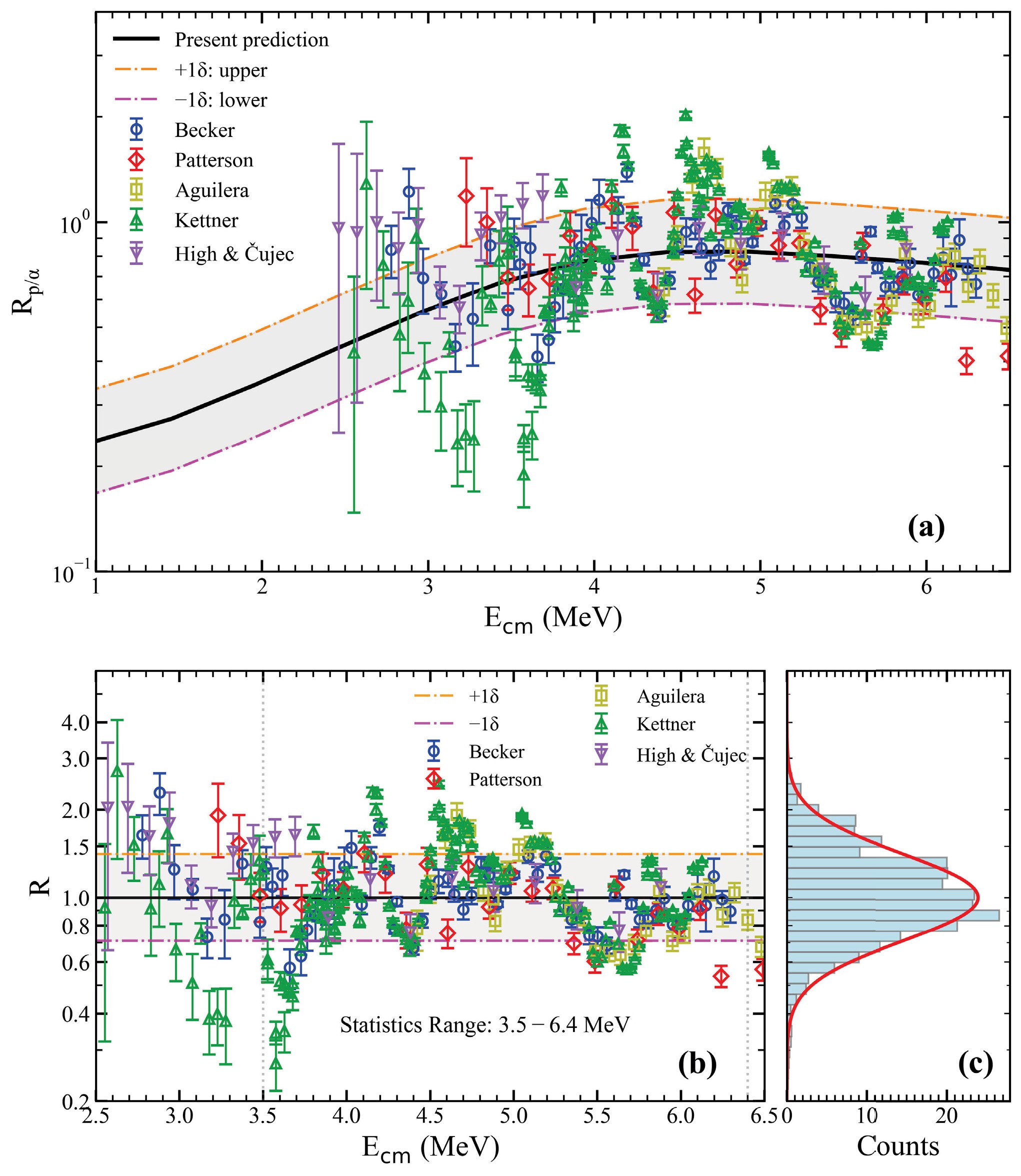
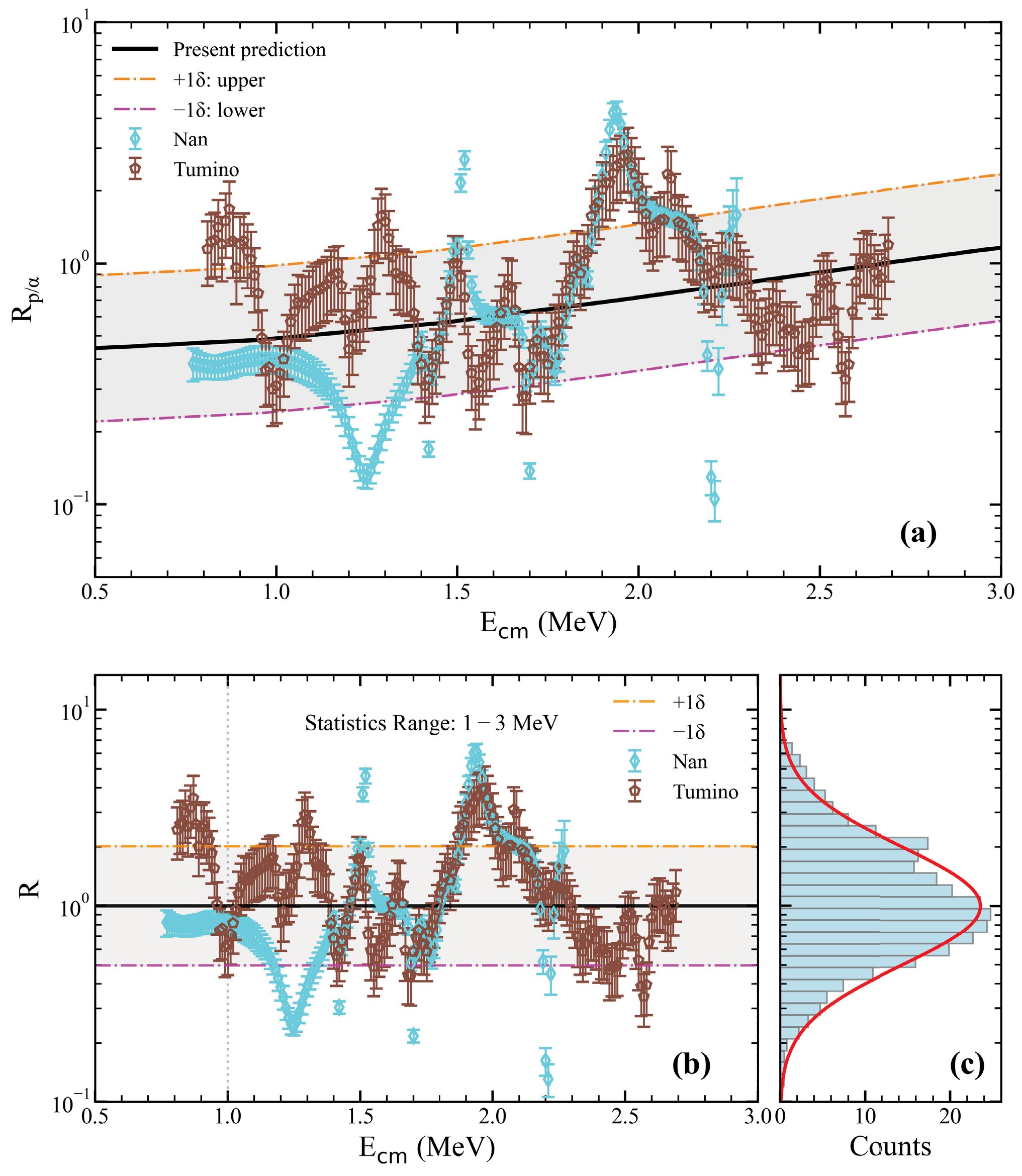
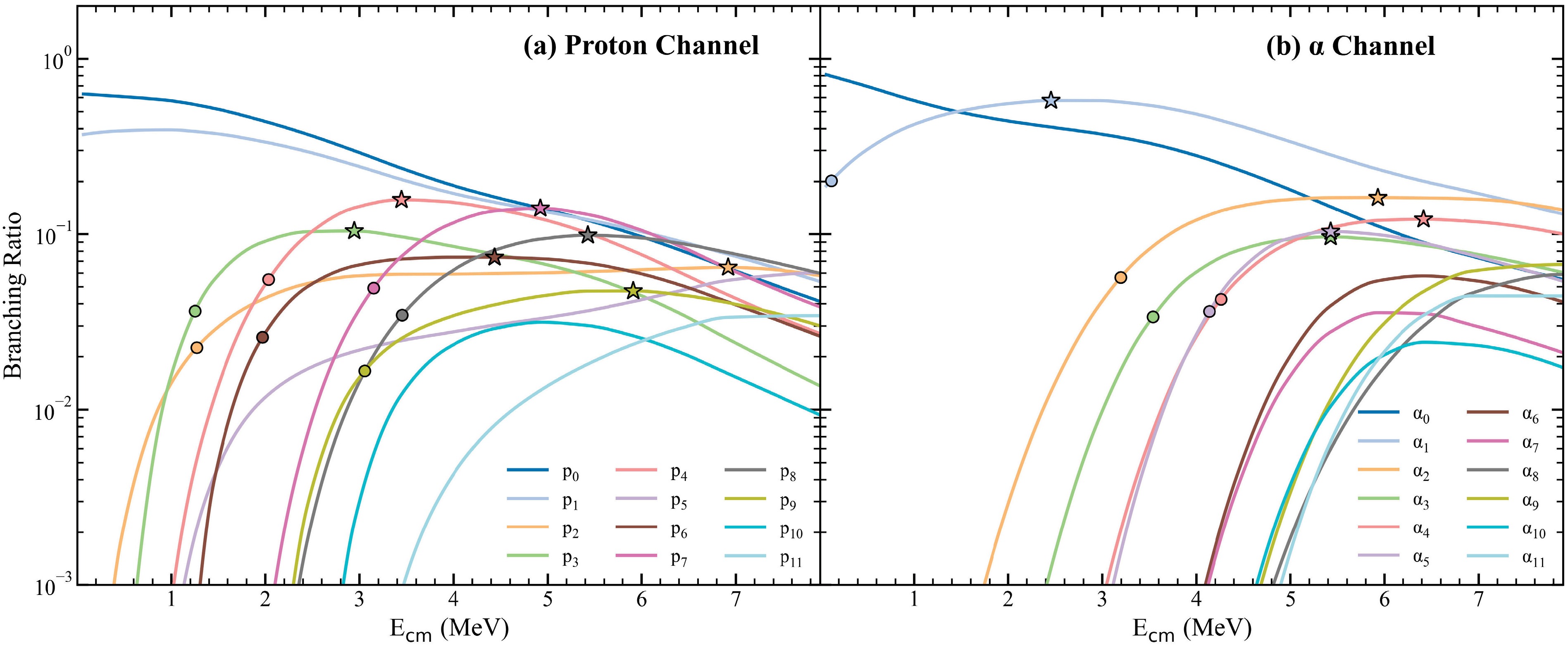
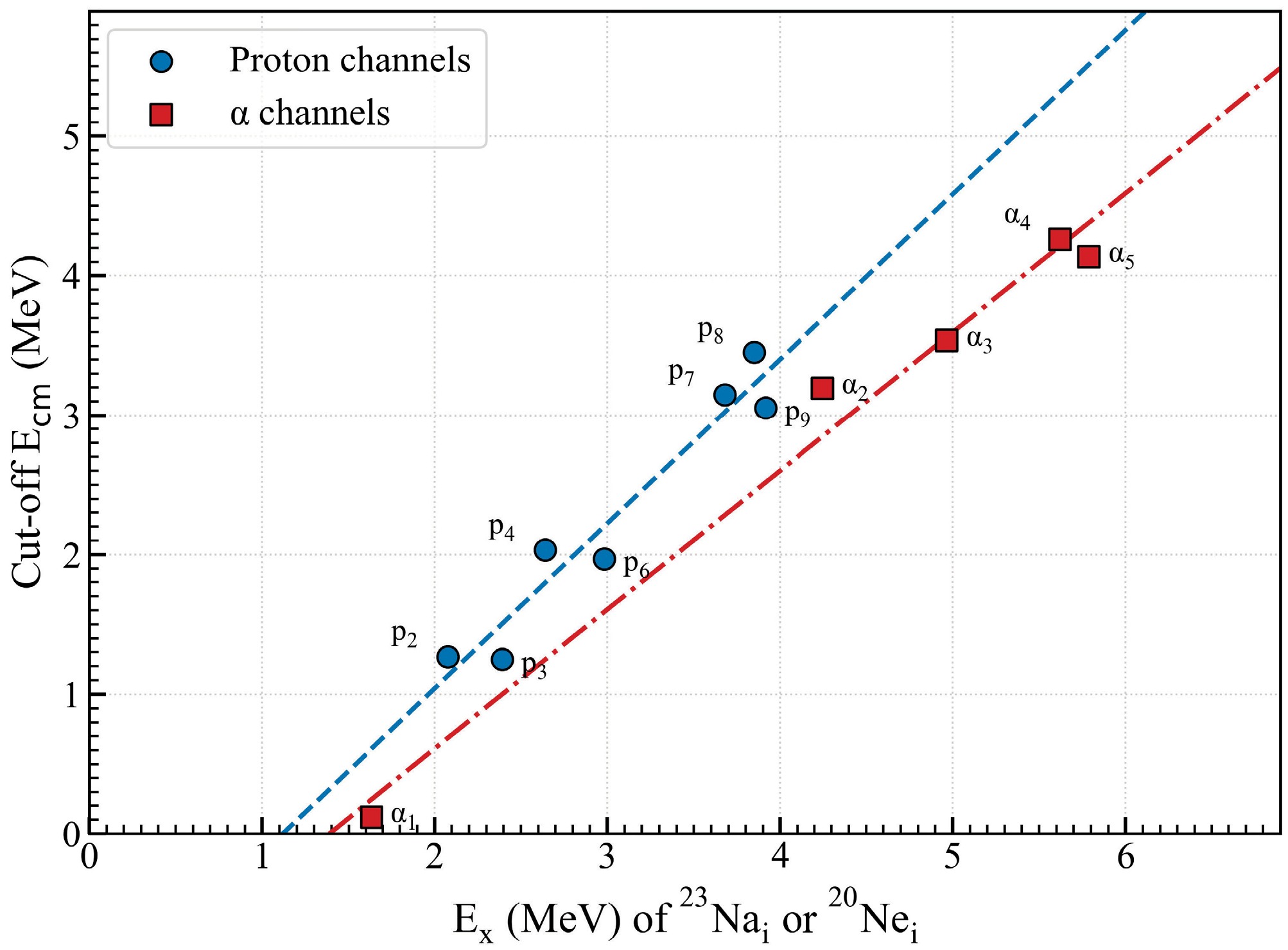
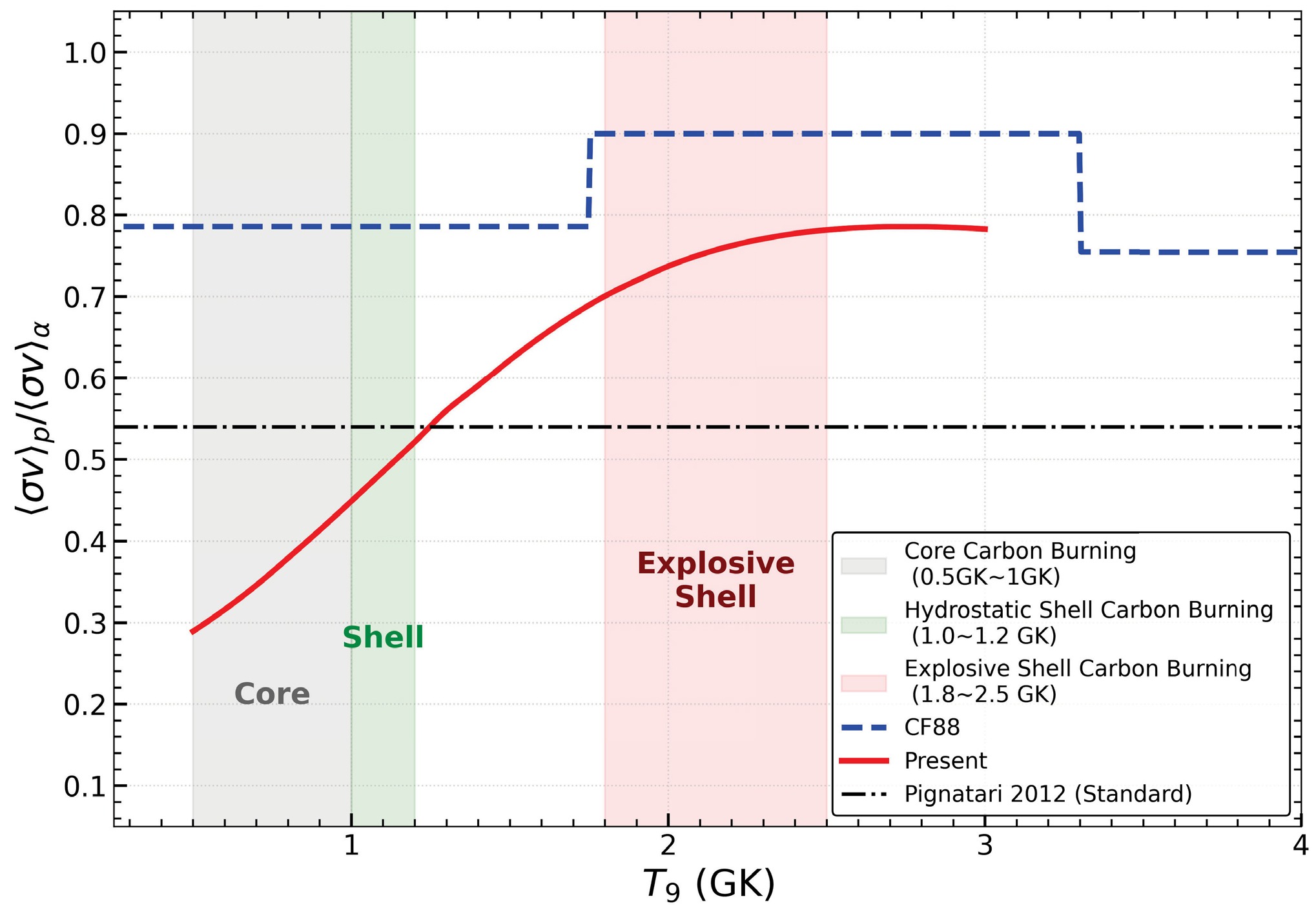
The unique resonance features in the\begin{document}$ ^{12}{\rm C} $\end{document} \begin{document}$ ^{12}{\rm C} $\end{document} \begin{document}$ R_{p/\alpha}=\sigma_p/\sigma_\alpha $\end{document} \begin{document}$ R_{p/\alpha} $\end{document} \begin{document}$ R_{p/\alpha} $\end{document} \begin{document}$ R_{p/\alpha} $\end{document} \begin{document}$ \langle \sigma v \rangle_p / \langle \sigma v \rangle_\alpha $\end{document} \begin{document}$ T_9 = 0.5 $\end{document} \begin{document}$ \langle \sigma v \rangle_p / \langle \sigma v \rangle_\alpha $\end{document}
The unique resonance features in the
2026, 50(9): 094004. doi: 10.1088/1674-1137/ae7ff6
Abstract:
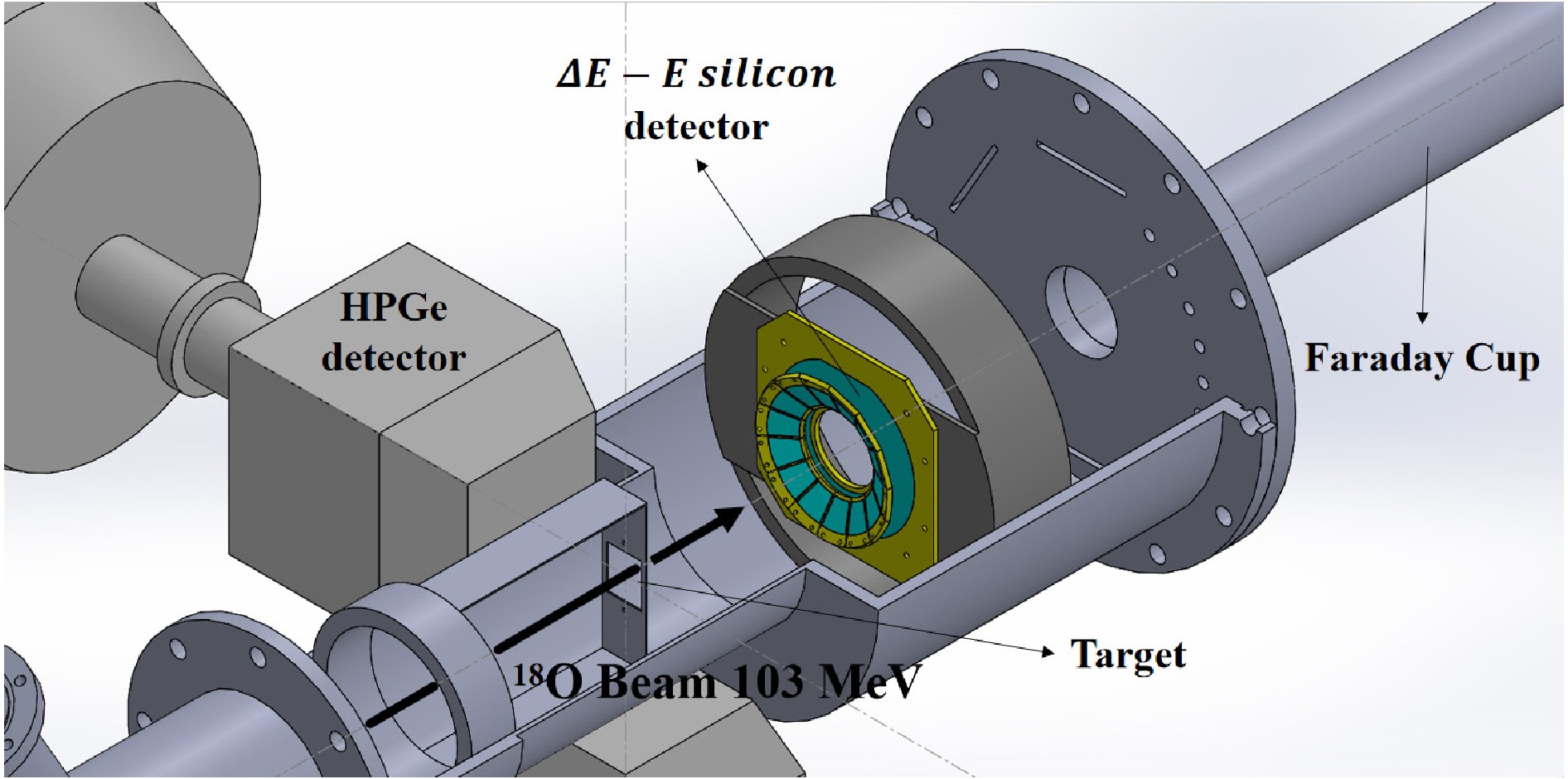
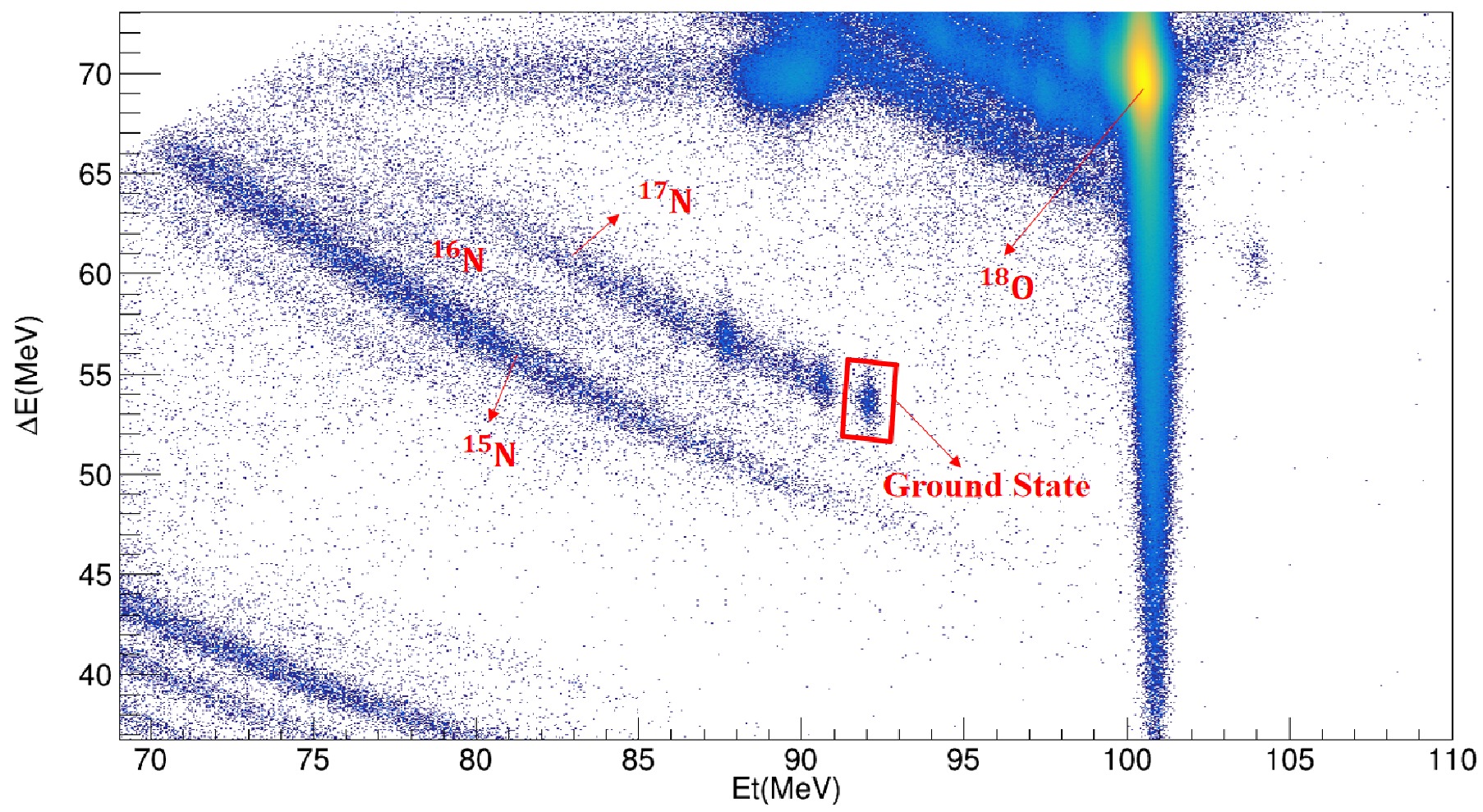
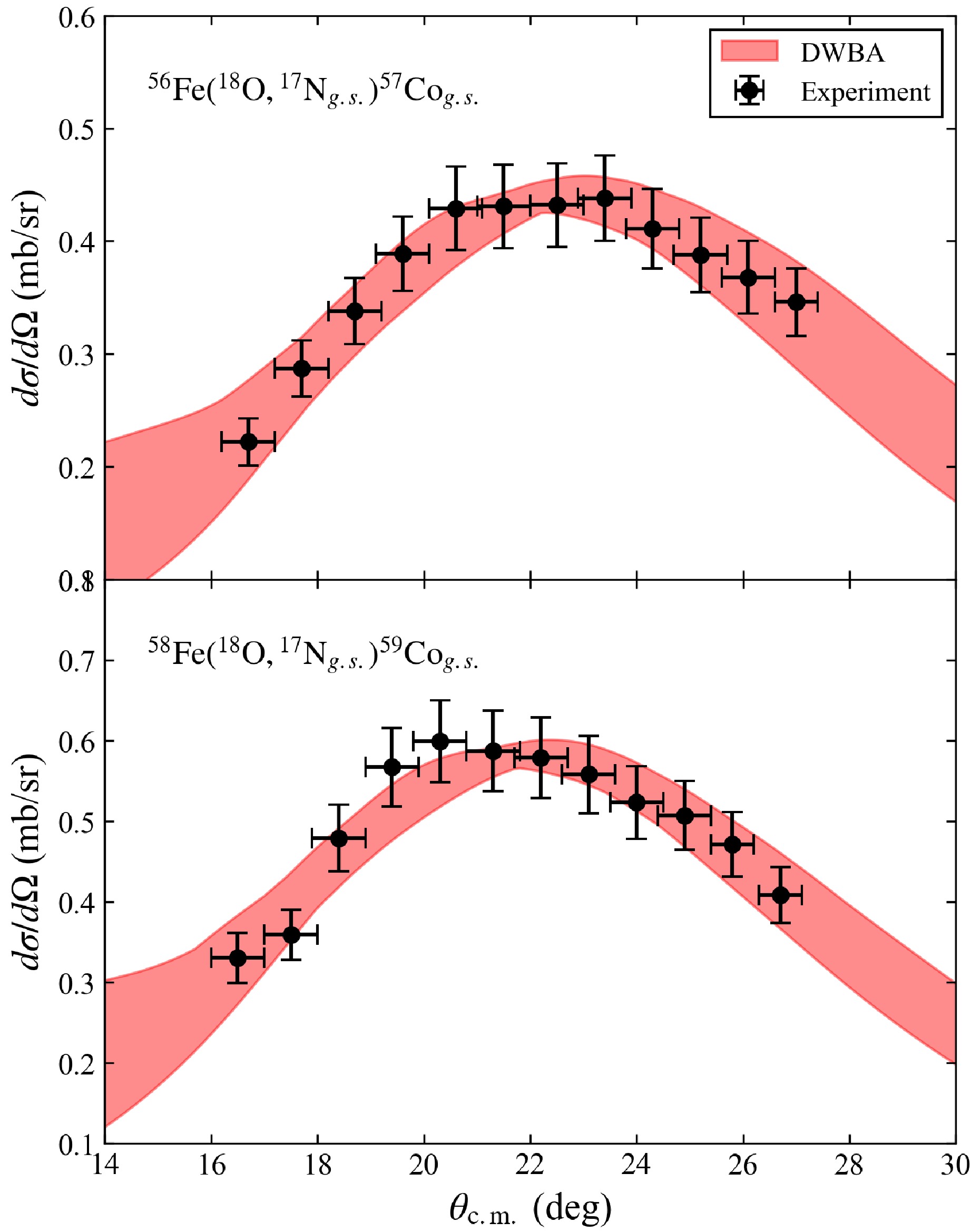
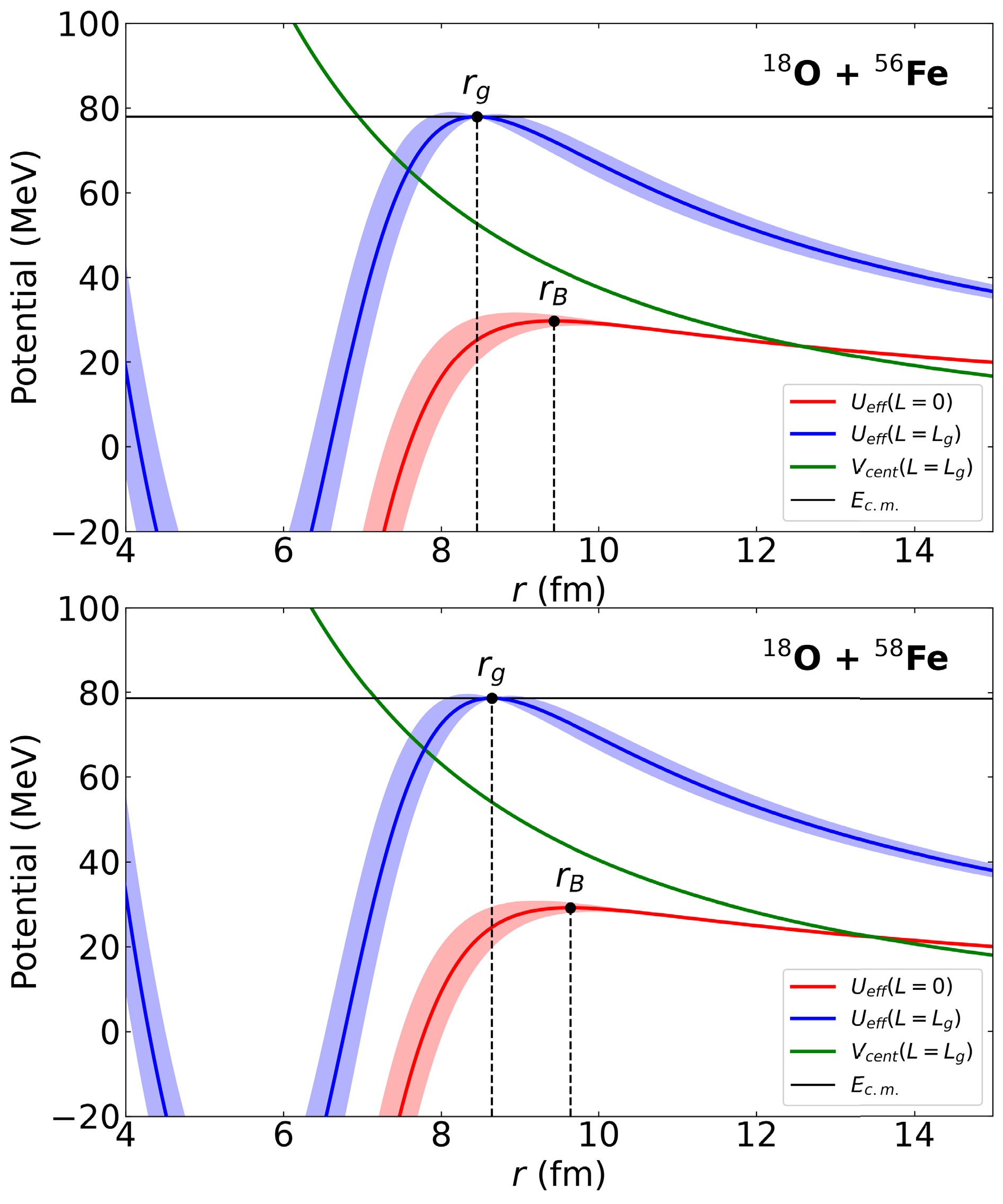
In this work, the\begin{document}$^{56,58}\mathrm{Fe}(^{18}\mathrm{O},^{17}\mathrm{N})^{57,59}\mathrm{Co}$\end{document} \begin{document}$r_\text{B}$\end{document} \begin{document}$9.58 \pm 0.35\text{ fm}$\end{document} \begin{document}$9.83 \pm 0.37\text{ fm}$\end{document} \begin{document}$^{18}\text{O}+^{56}\text{Fe}$\end{document} \begin{document}$^{18}\text{O}+^{58}\text{Fe}$\end{document} \begin{document}$0.68 \pm 0.35\text{ fm}$\end{document} \begin{document}$^{18}\text{O}$\end{document} \begin{document}$^{56}\text{Fe}$\end{document} \begin{document}$0.85 \pm 0.37\text{ fm}$\end{document} \begin{document}$^{18}\text{O}$\end{document} \begin{document}$^{58}\text{Fe}$\end{document}
In this work, the
2026, 50(9): 094005. doi: 10.1088/1674-1137/ae84ab
Abstract:
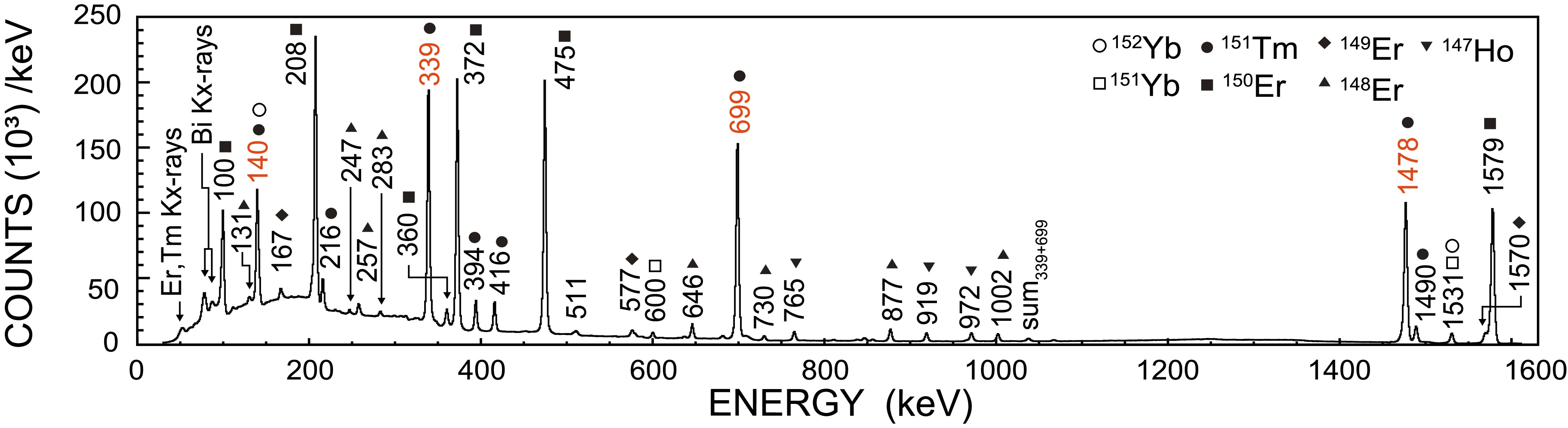
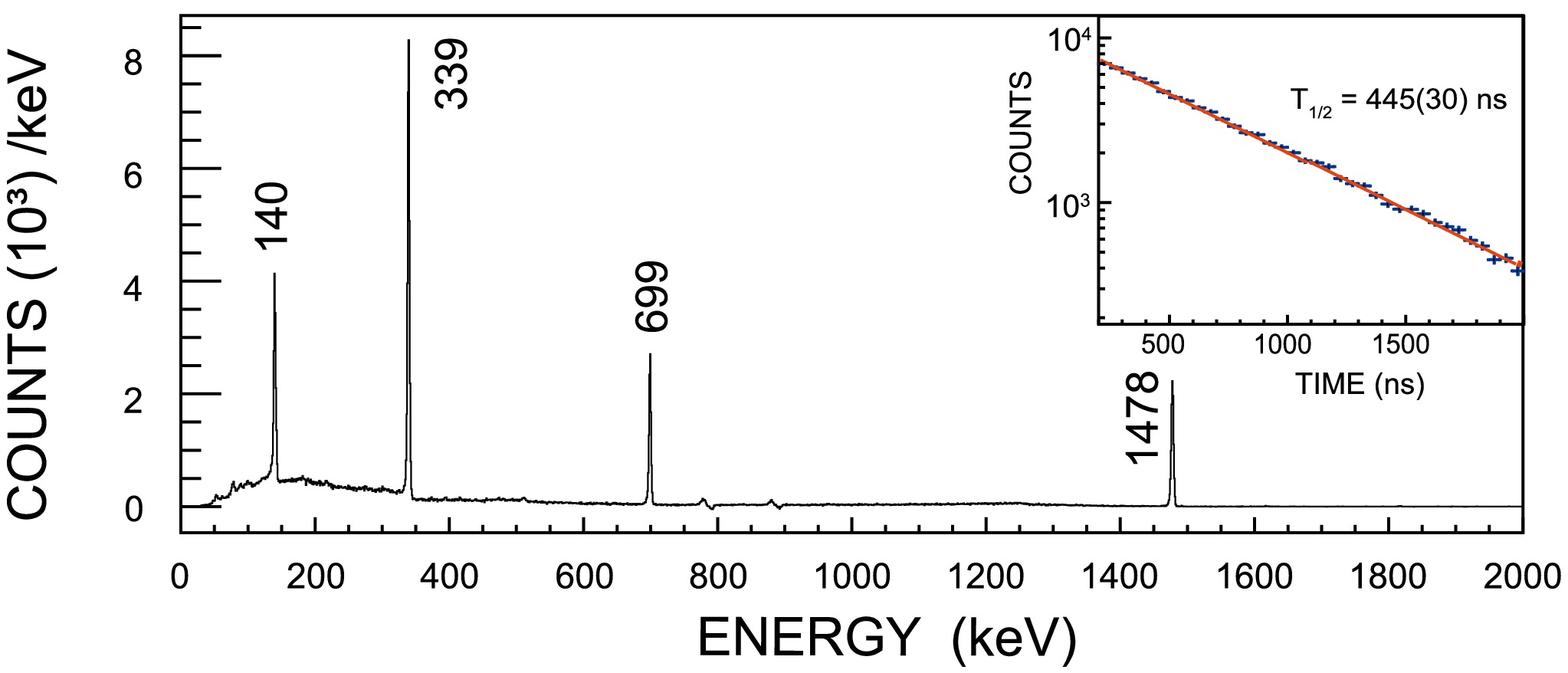
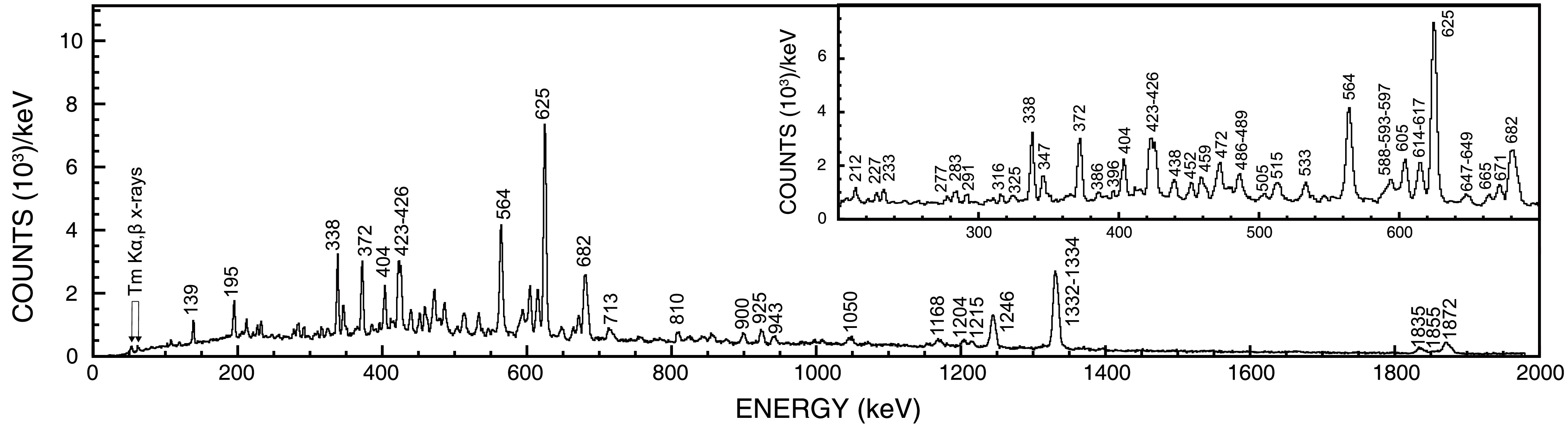
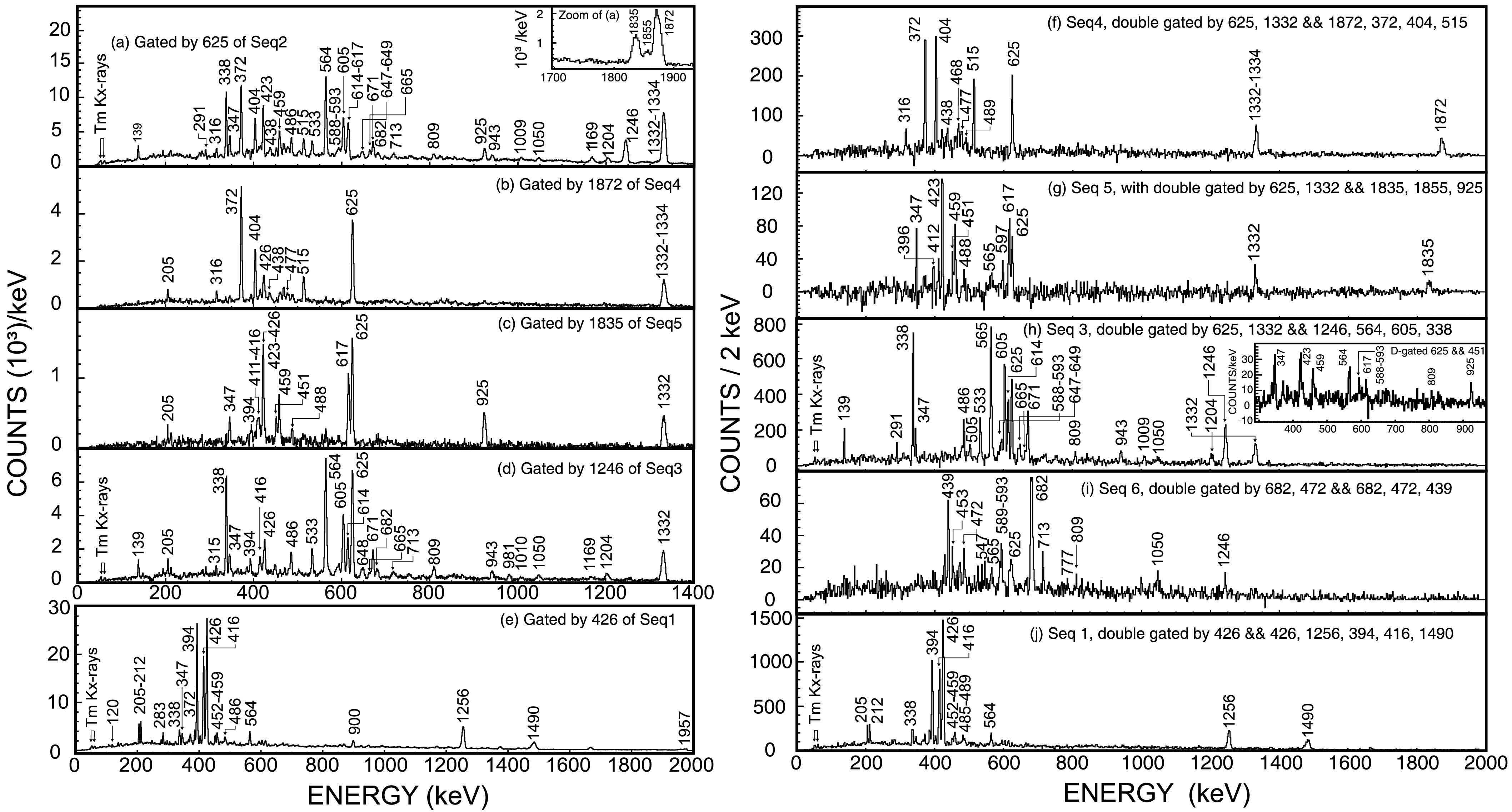
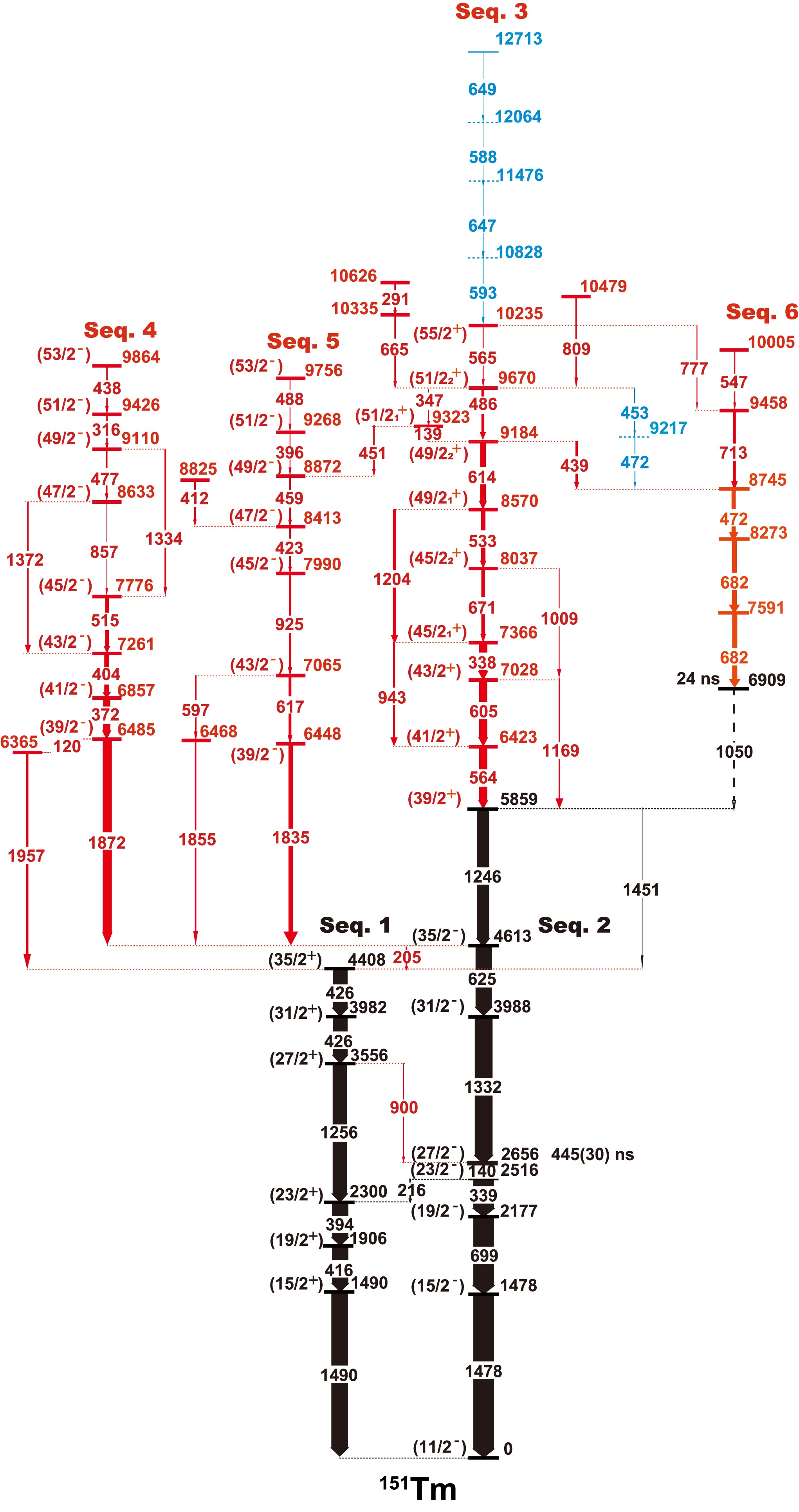
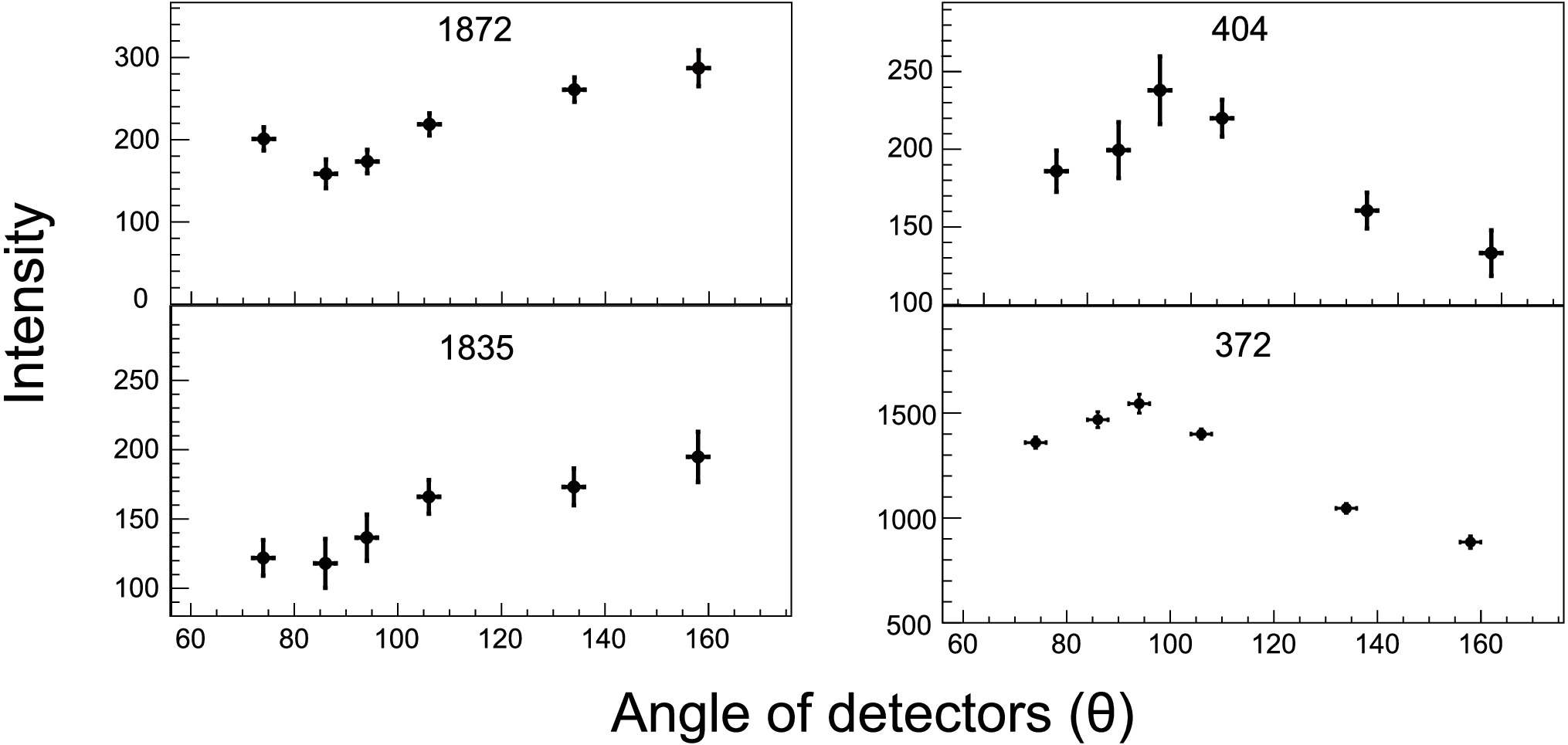
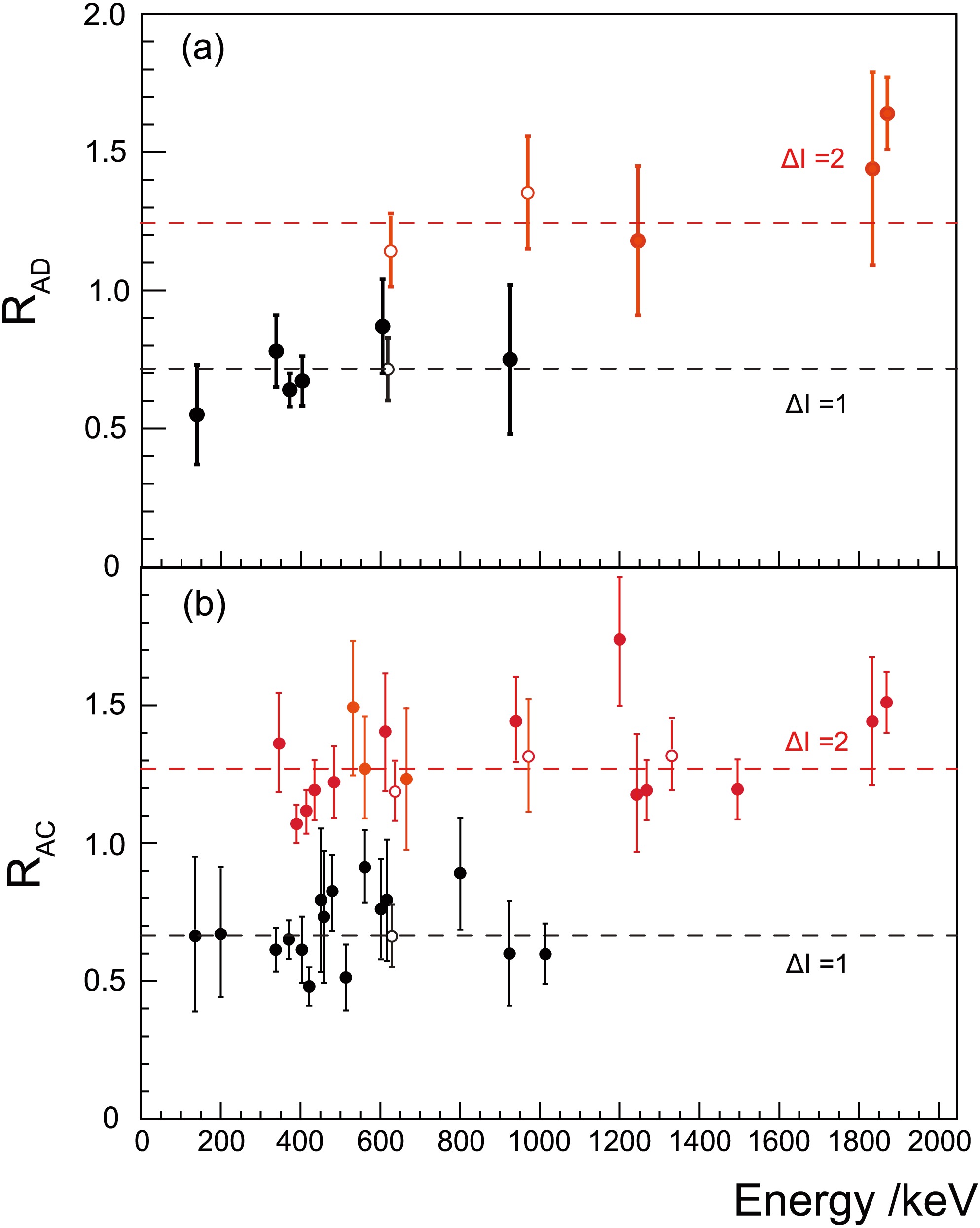
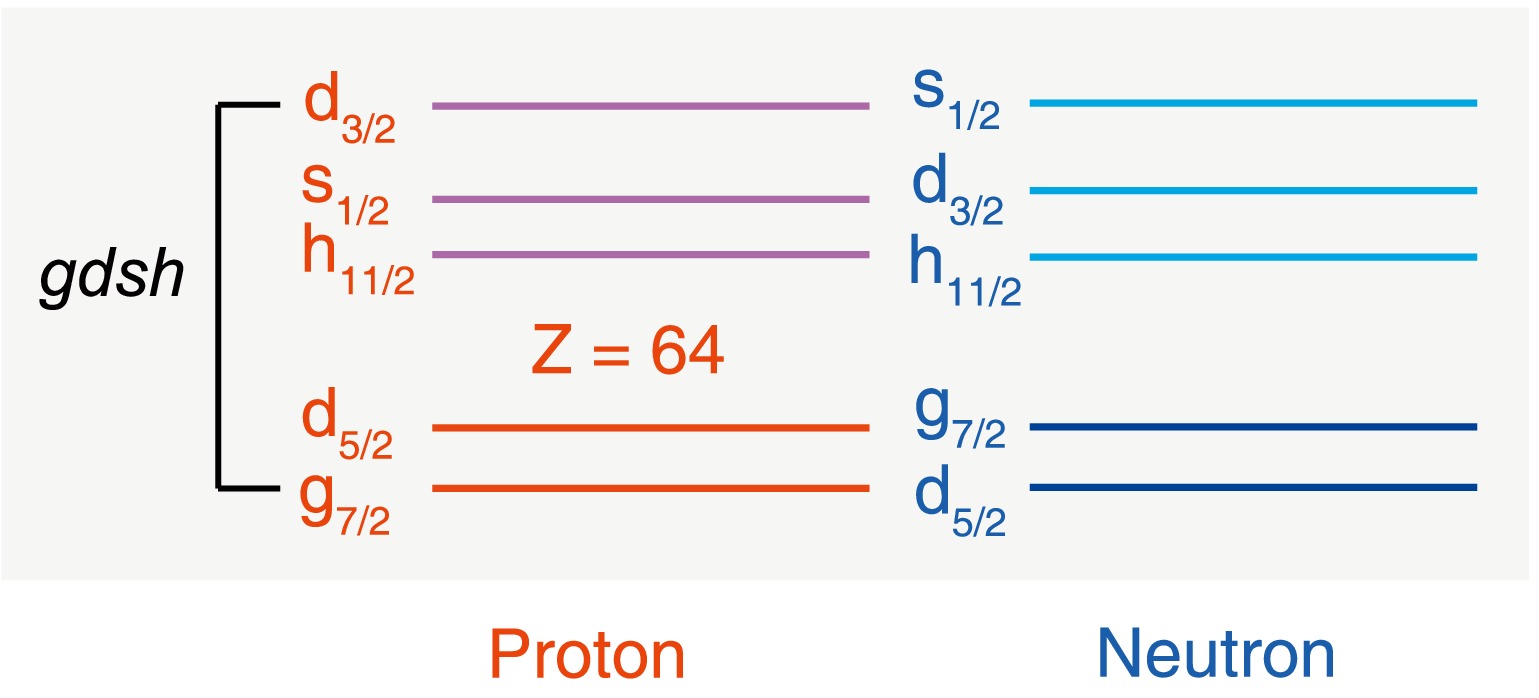
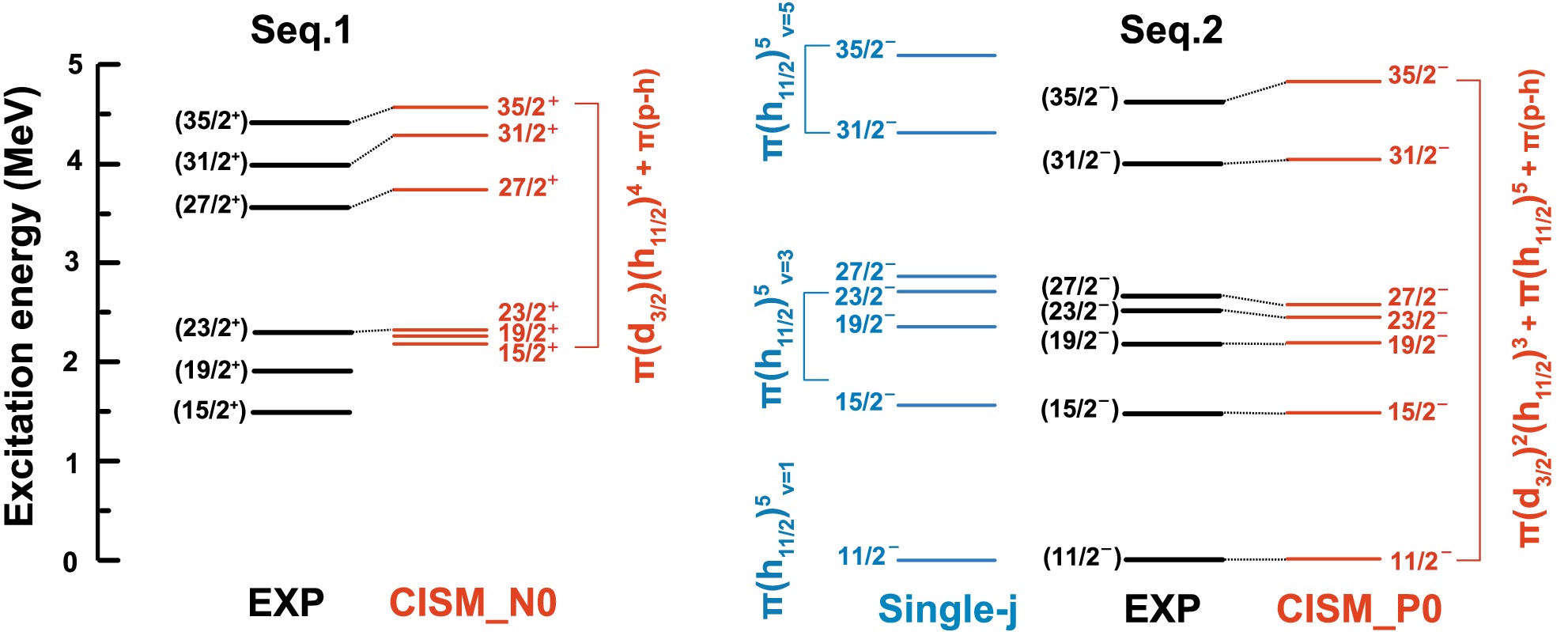
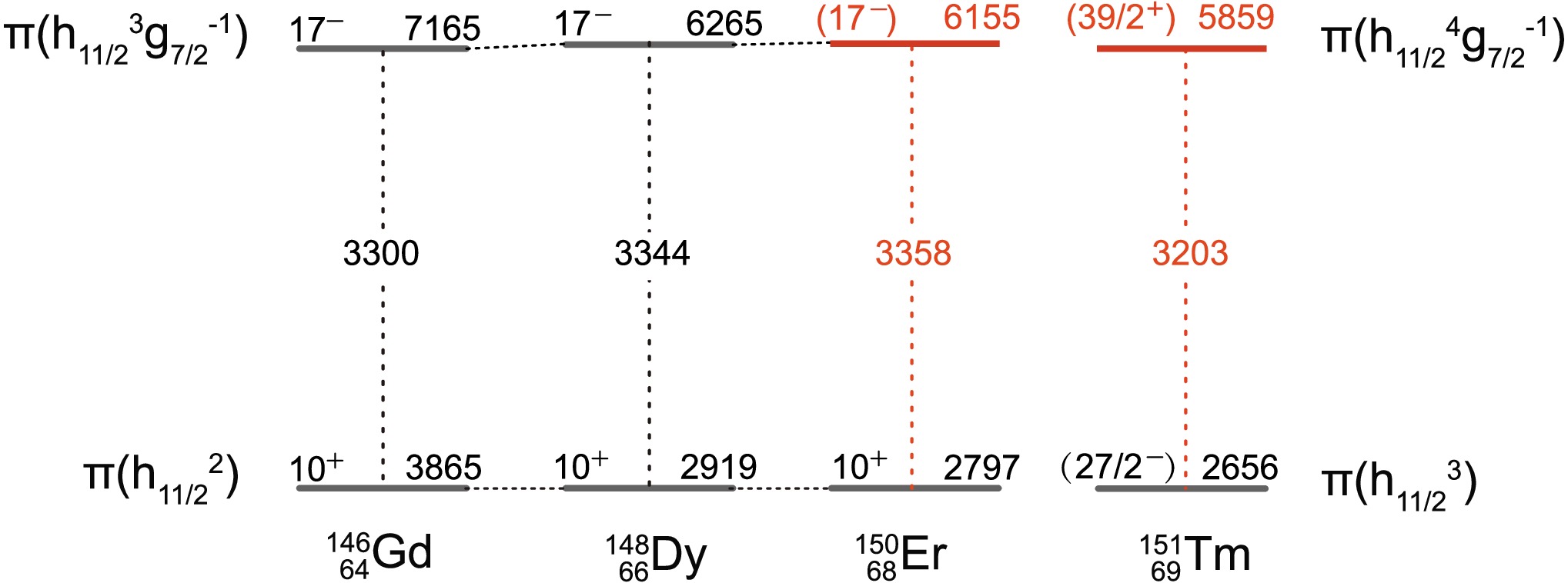
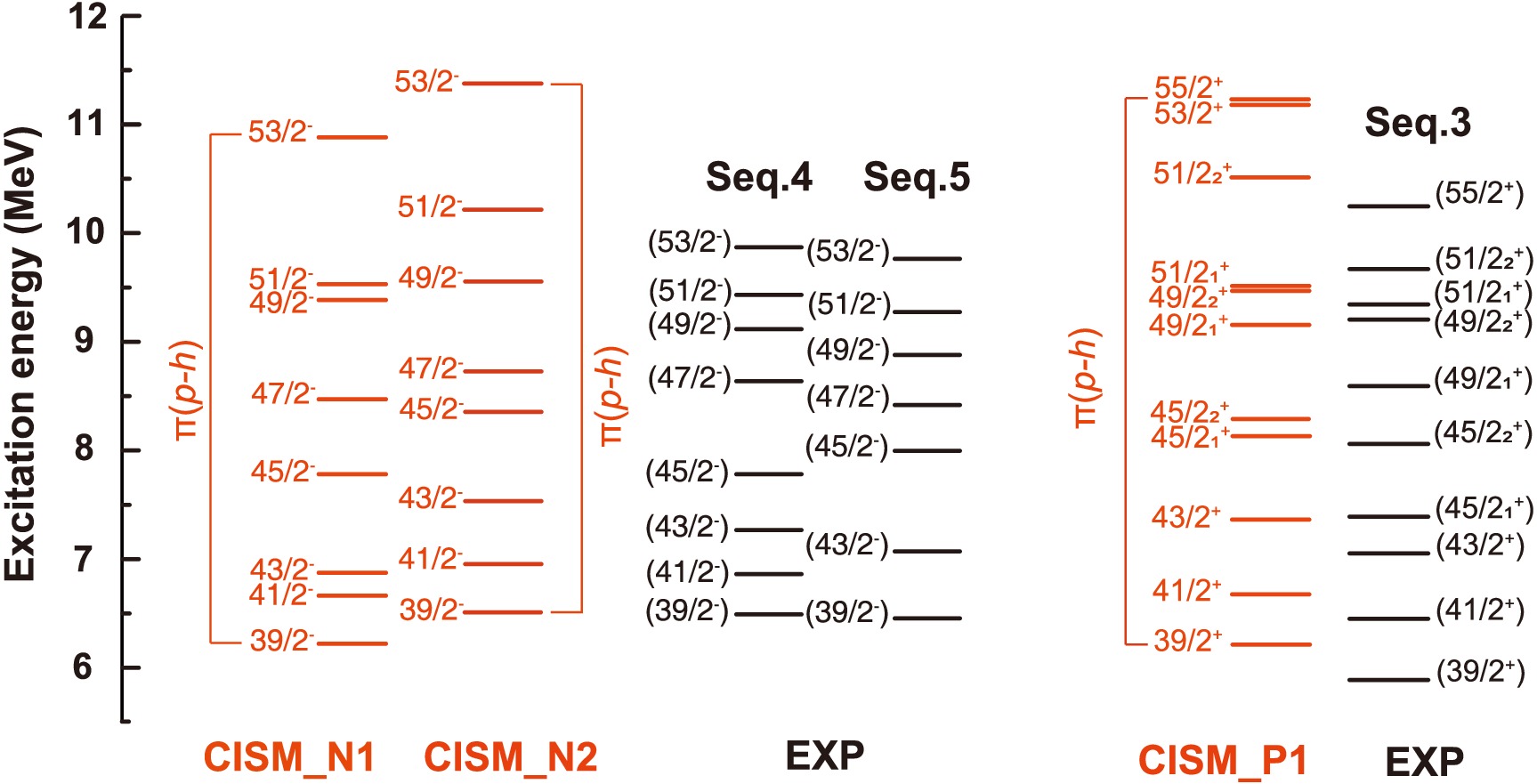
High-spin states of the semimagic nucleus\begin{document}$ ^{151}_{\phantom{1} 69}{\mathrm{Tm}}^{82} $\end{document} \begin{document}$ [\pi (h_{11/2})^5]_{35/2^-} $\end{document}
High-spin states of the semimagic nucleus
2026, 50(9): 094006. doi: 10.1088/1674-1137/ae8f24
Abstract:
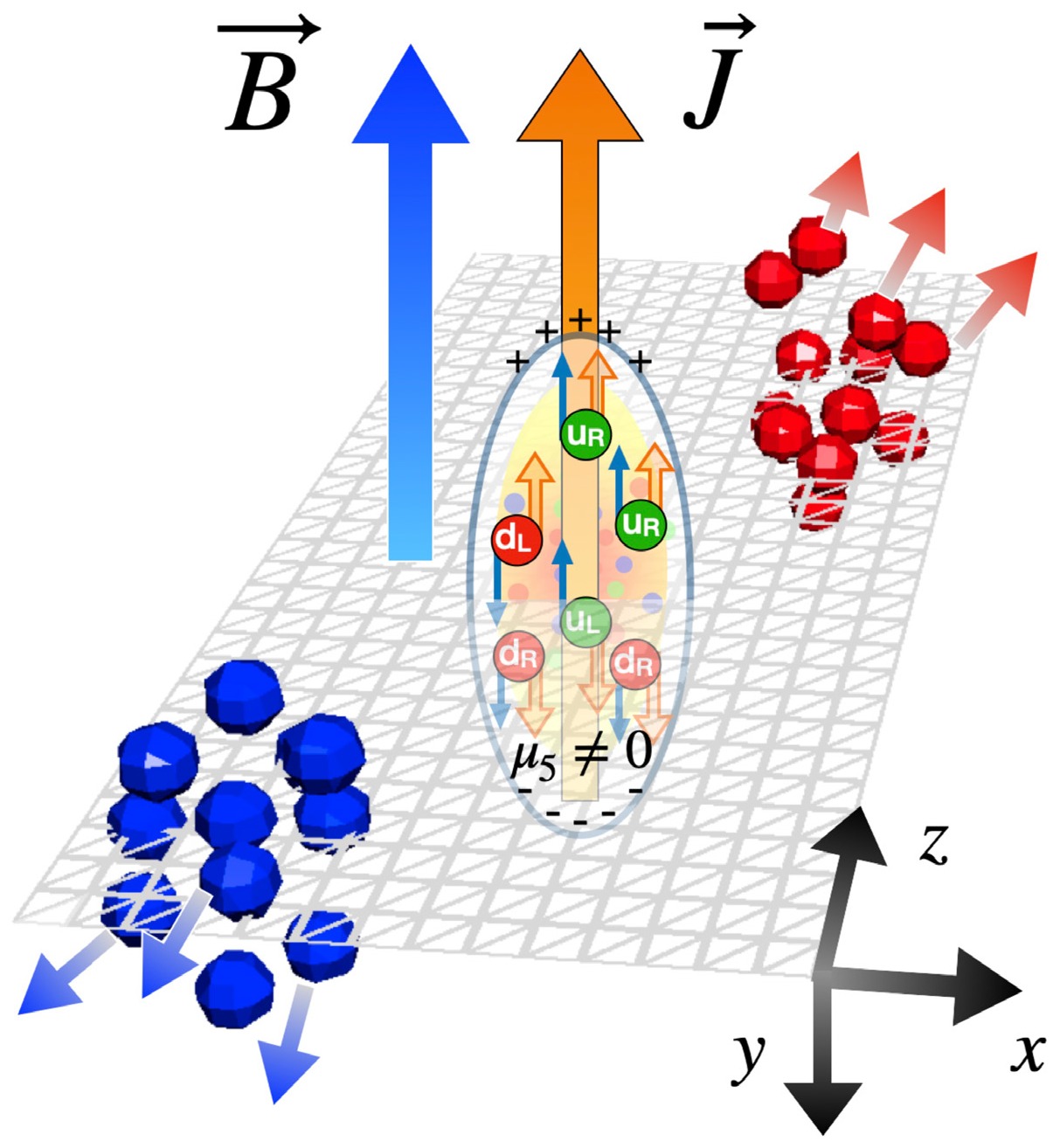
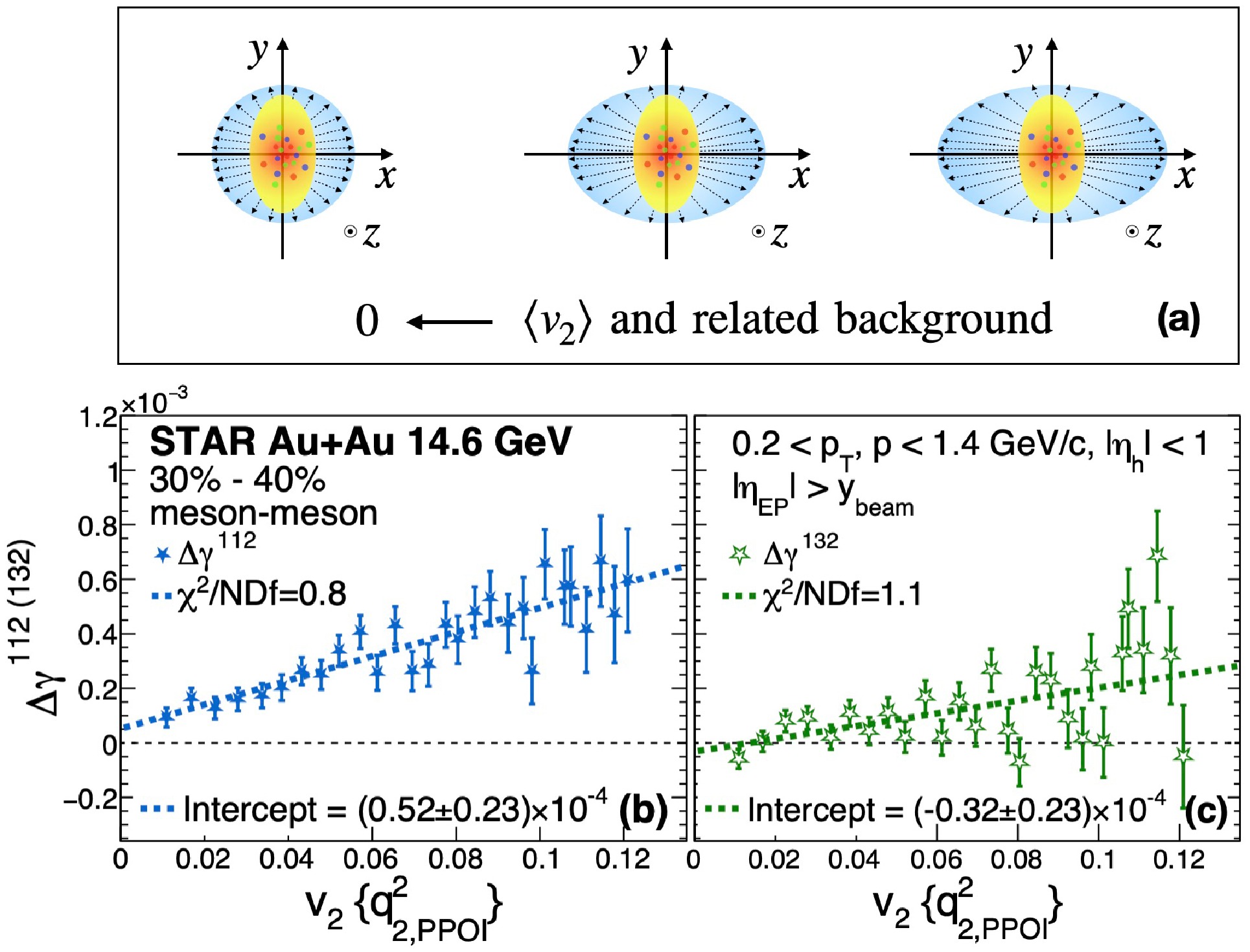
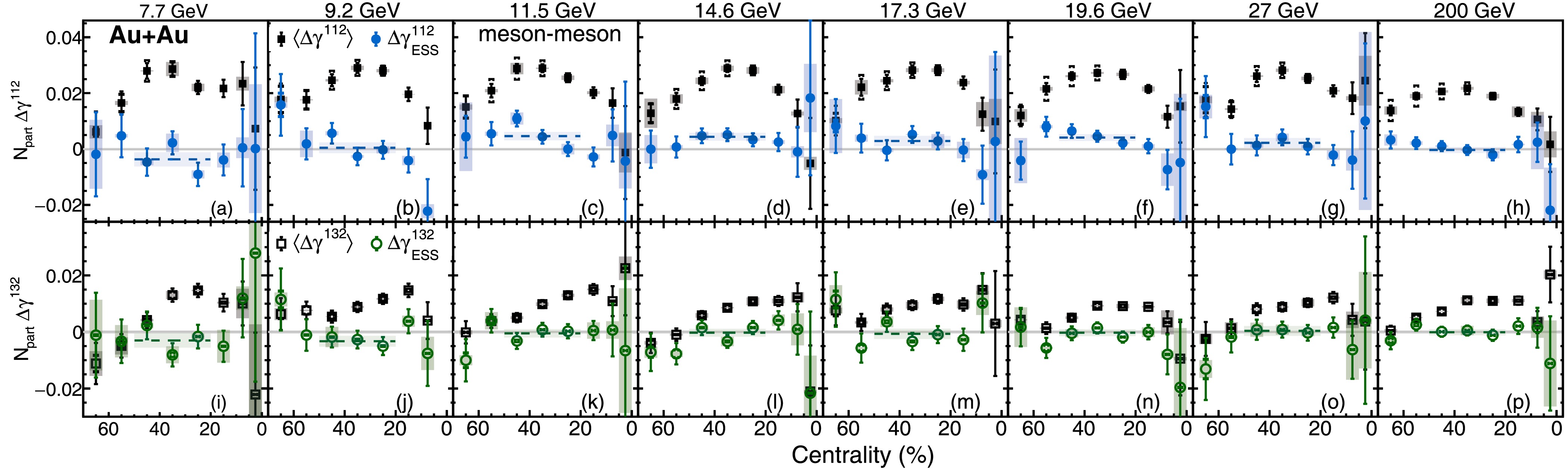
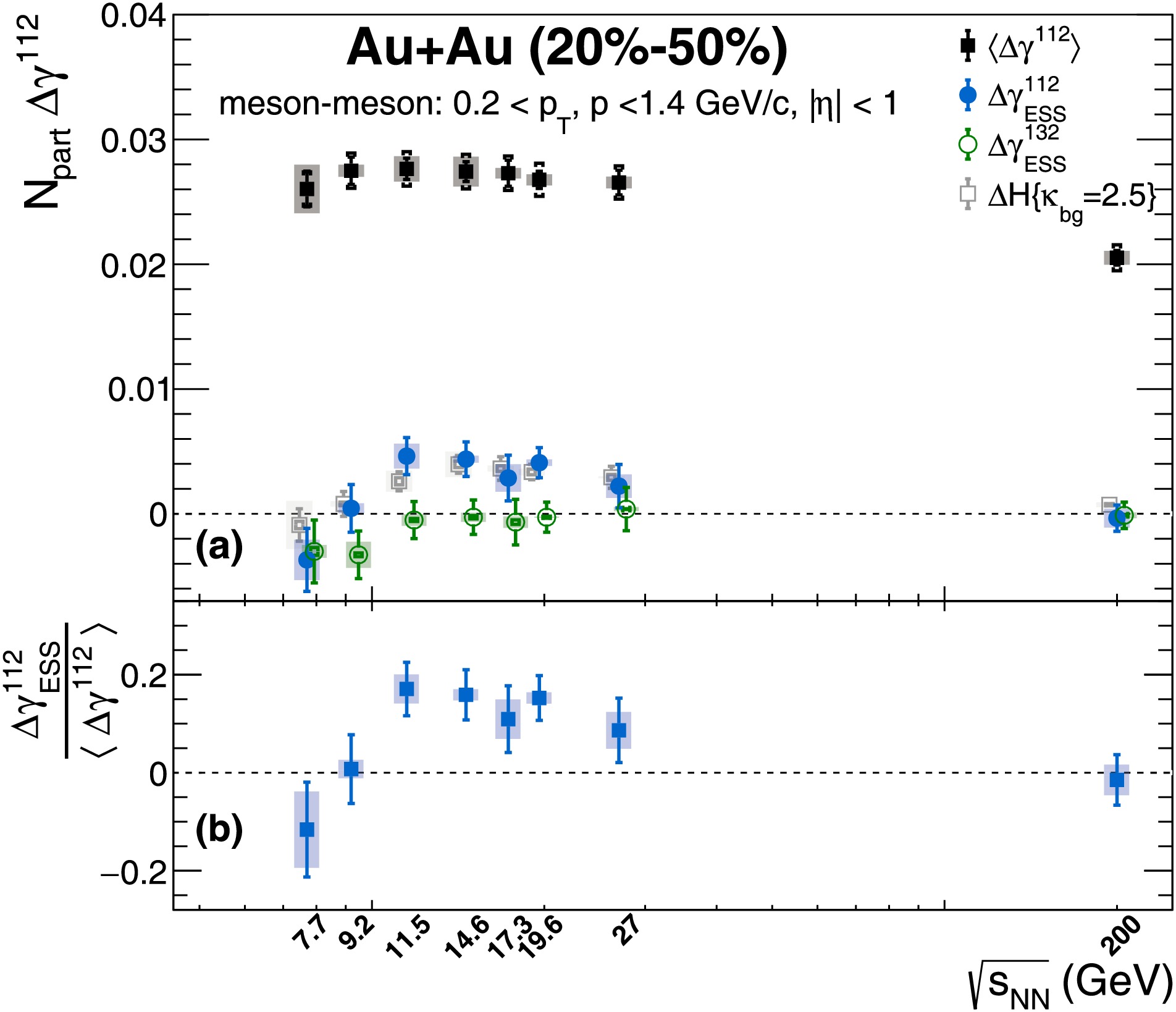
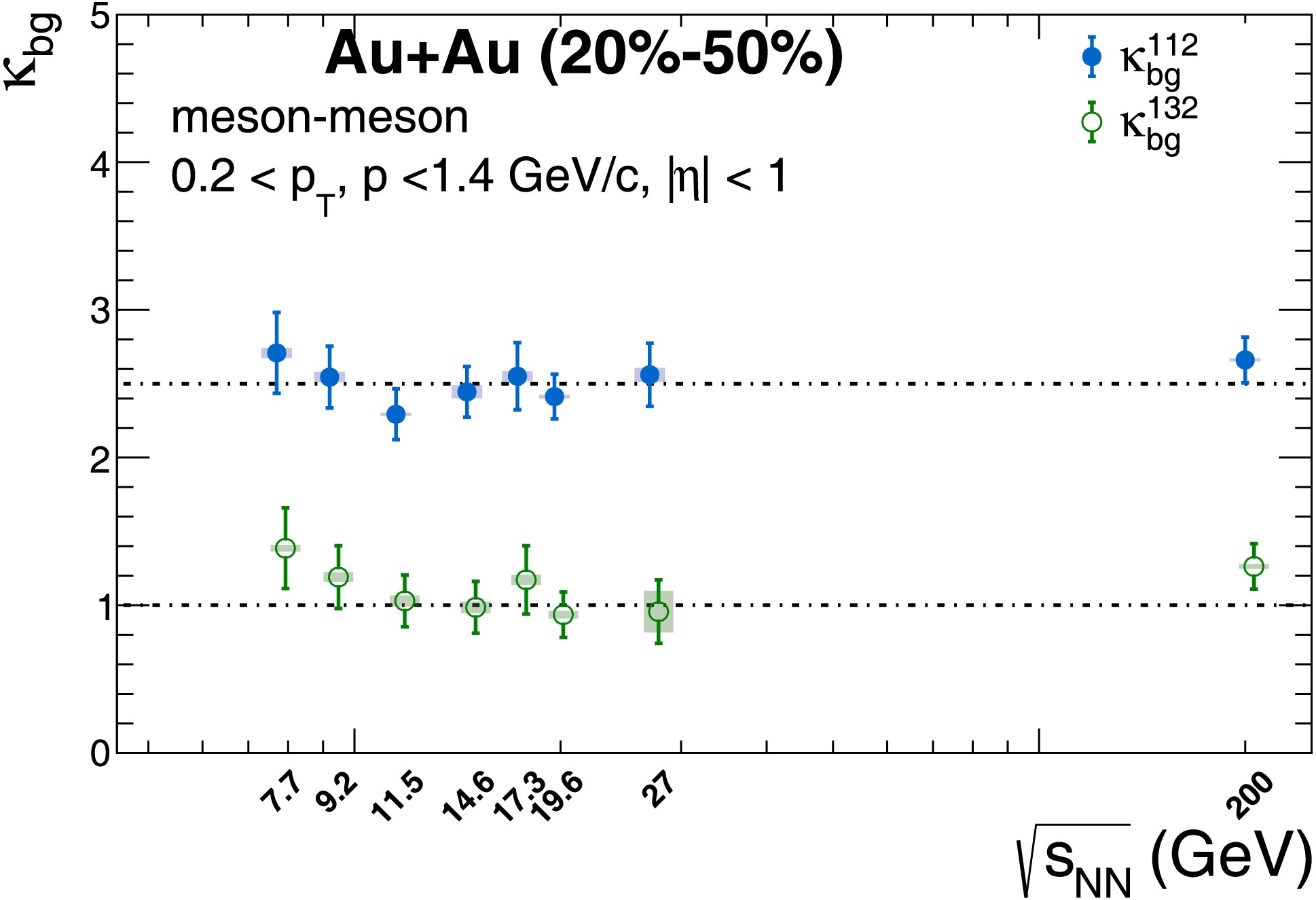
The chiral magnetic effect in heavy-ion collisions predicts an electric charge separation along the direction of a strong magnetic field, which indicates local parity (\begin{document}$ {\cal{P}} $\end{document} \begin{document}$ {\cal{CP}} $\end{document} \begin{document}$ \sqrt{s_{NN}}=200 $\end{document} \begin{document}$ 2.8\sigma $\end{document} \begin{document}$ 3\sigma $\end{document} \begin{document}$ 3.2\sigma $\end{document} \begin{document}$ \sqrt{s_{NN}} = $\end{document}
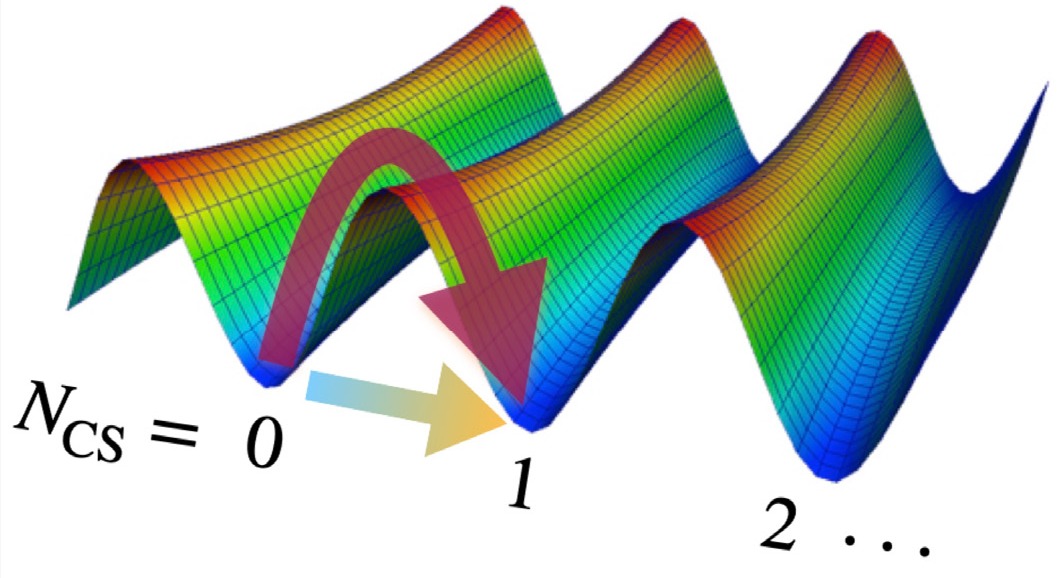
The chiral magnetic effect in heavy-ion collisions predicts an electric charge separation along the direction of a strong magnetic field, which indicates local parity (
2026, 50(9): 094101. doi: 10.1088/1674-1137/ae662f
Abstract:
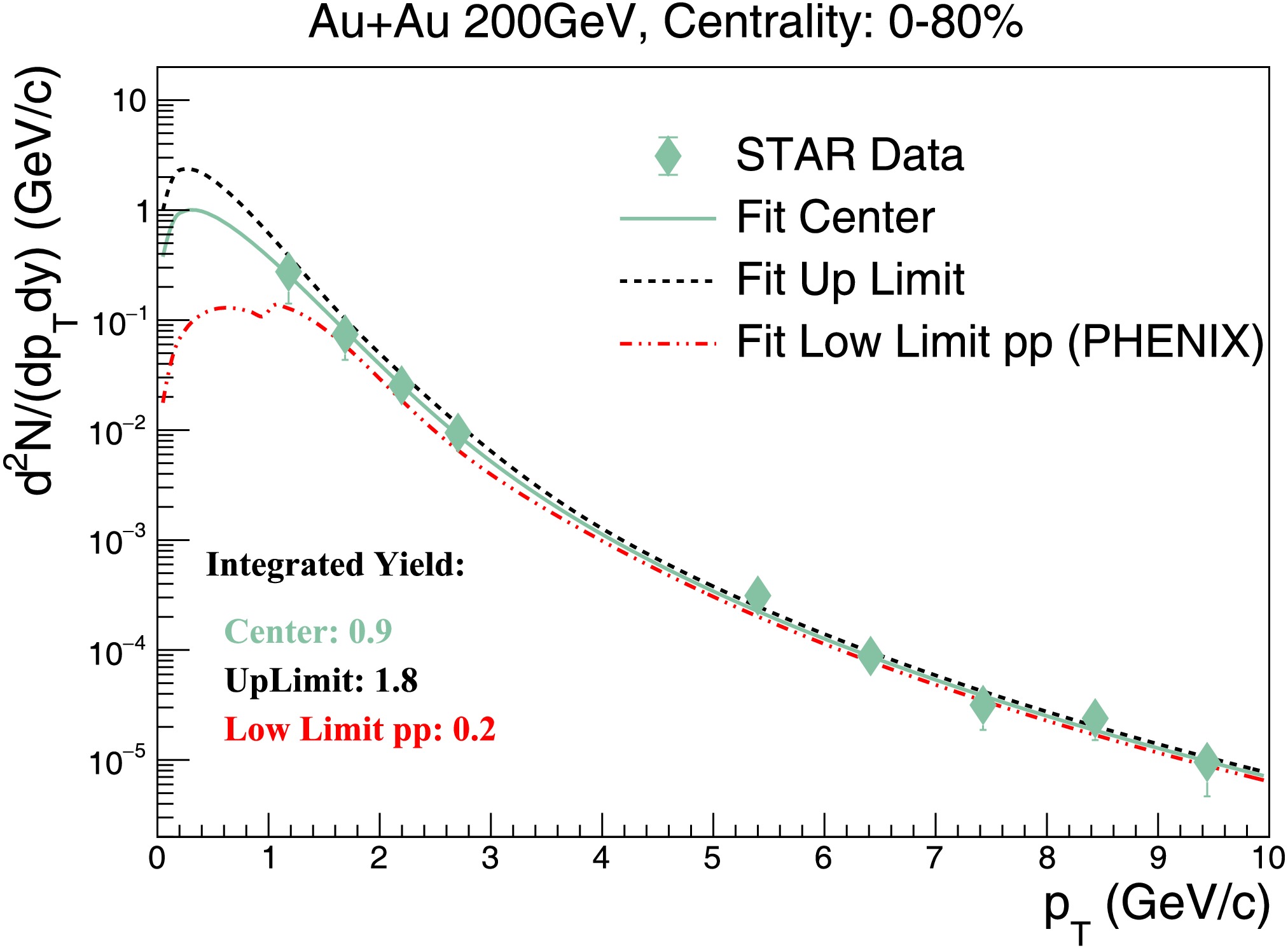
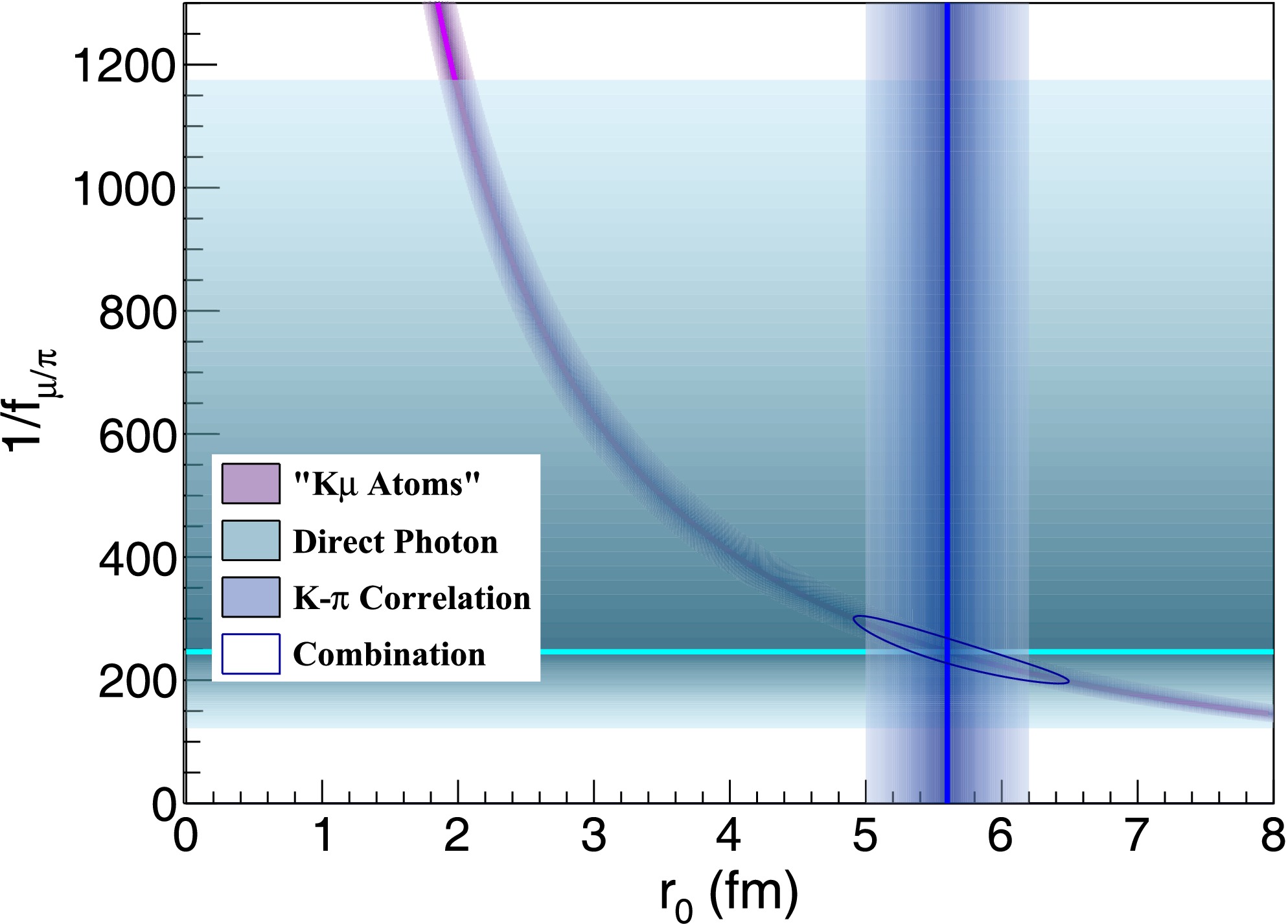
In this study, we develop a framework for producing exotic muonic kaon atoms (\begin{document}$ K\mu $\end{document} \begin{document}$ D^{0} $\end{document} \begin{document}$ BR(D^{0} \to(K\mu )\nu_{\mu})=2.29\times10^{-10} $\end{document} \begin{document}$ K\mu $\end{document} \begin{document}$ D^{0} $\end{document} \begin{document}$ p+p $\end{document} \begin{document}$ K\mu $\end{document}
In this study, we develop a framework for producing exotic muonic kaon atoms (
2026, 50(9): 094102. doi: 10.1088/1674-1137/ae7b17
Abstract:
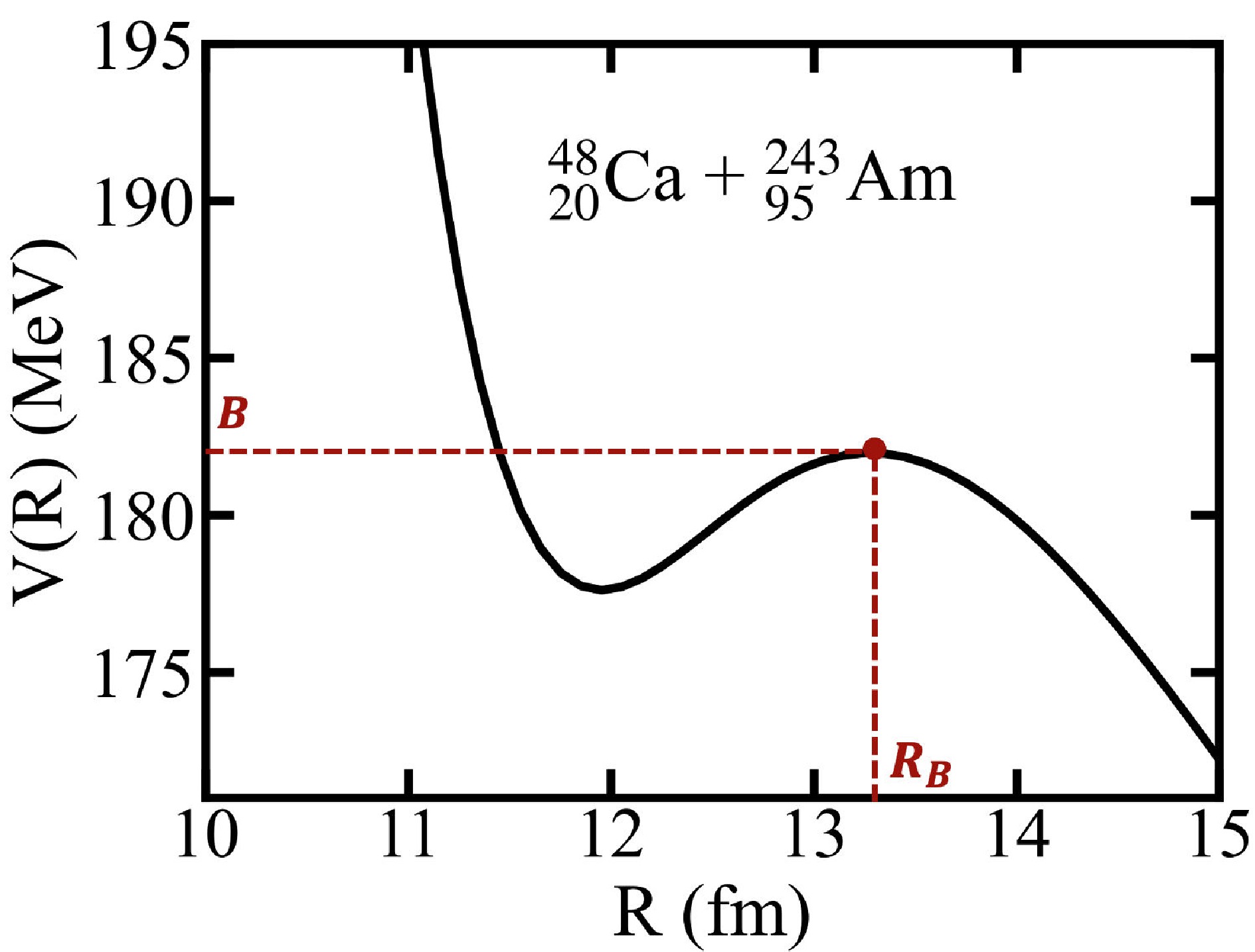
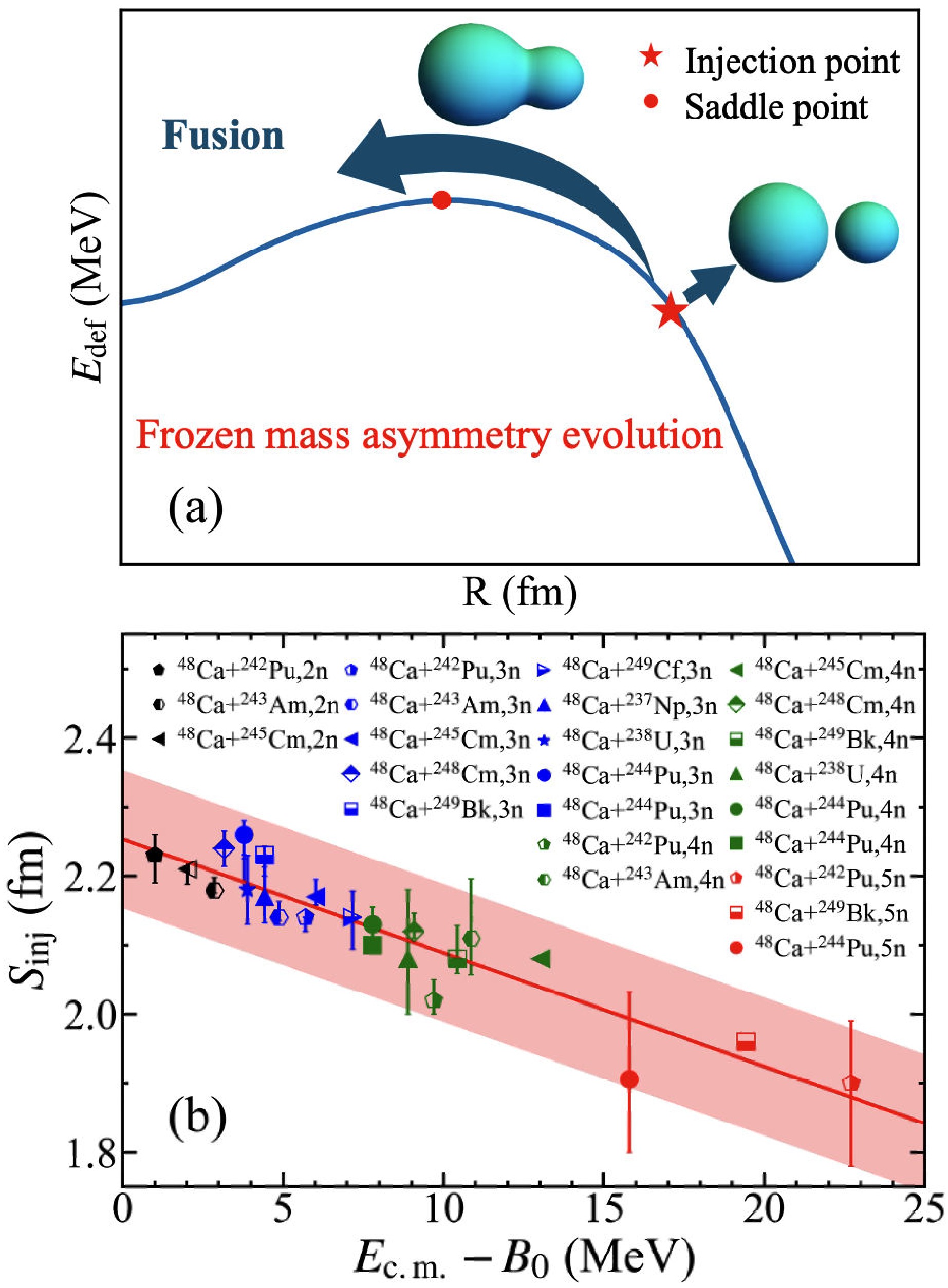
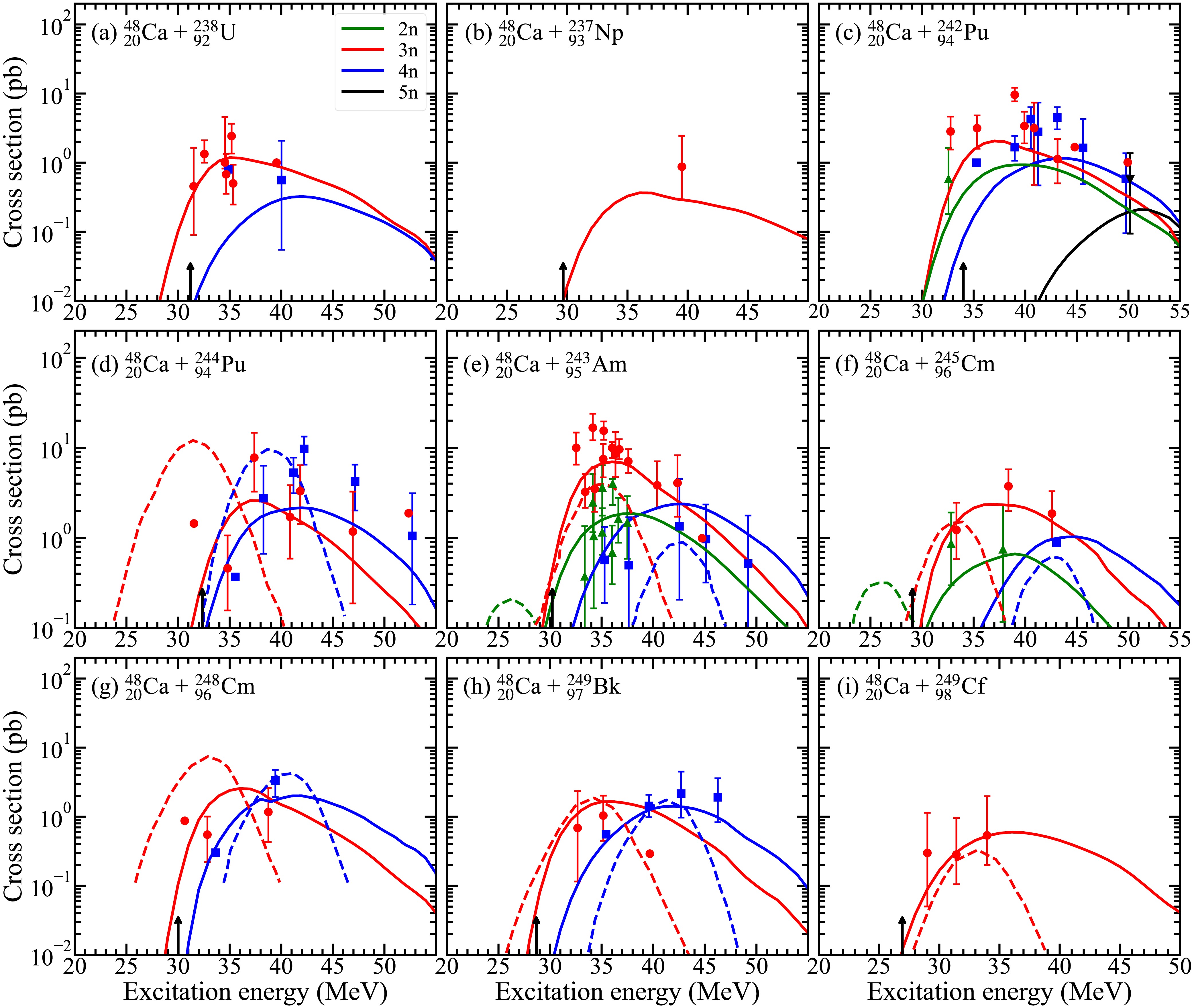
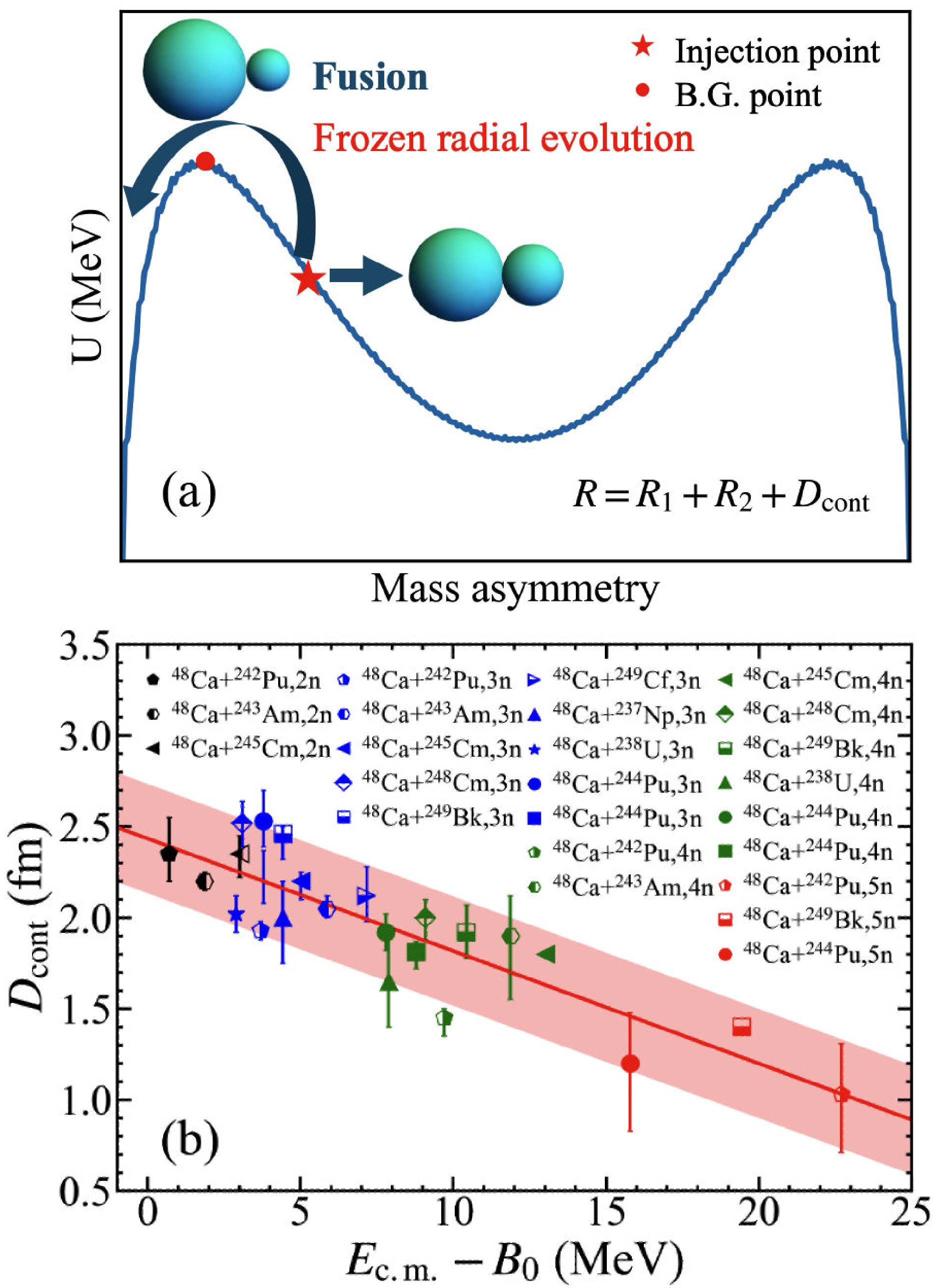
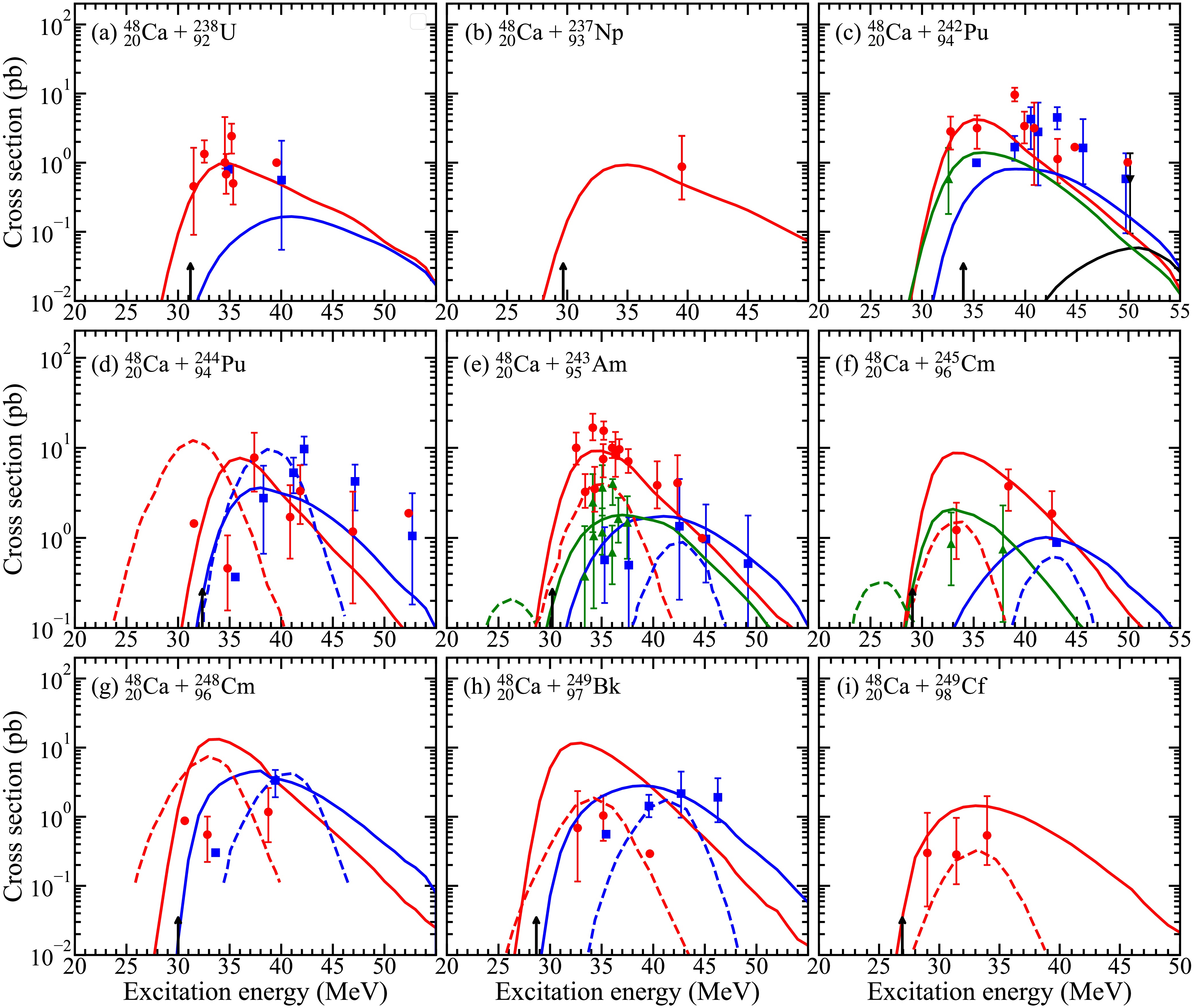
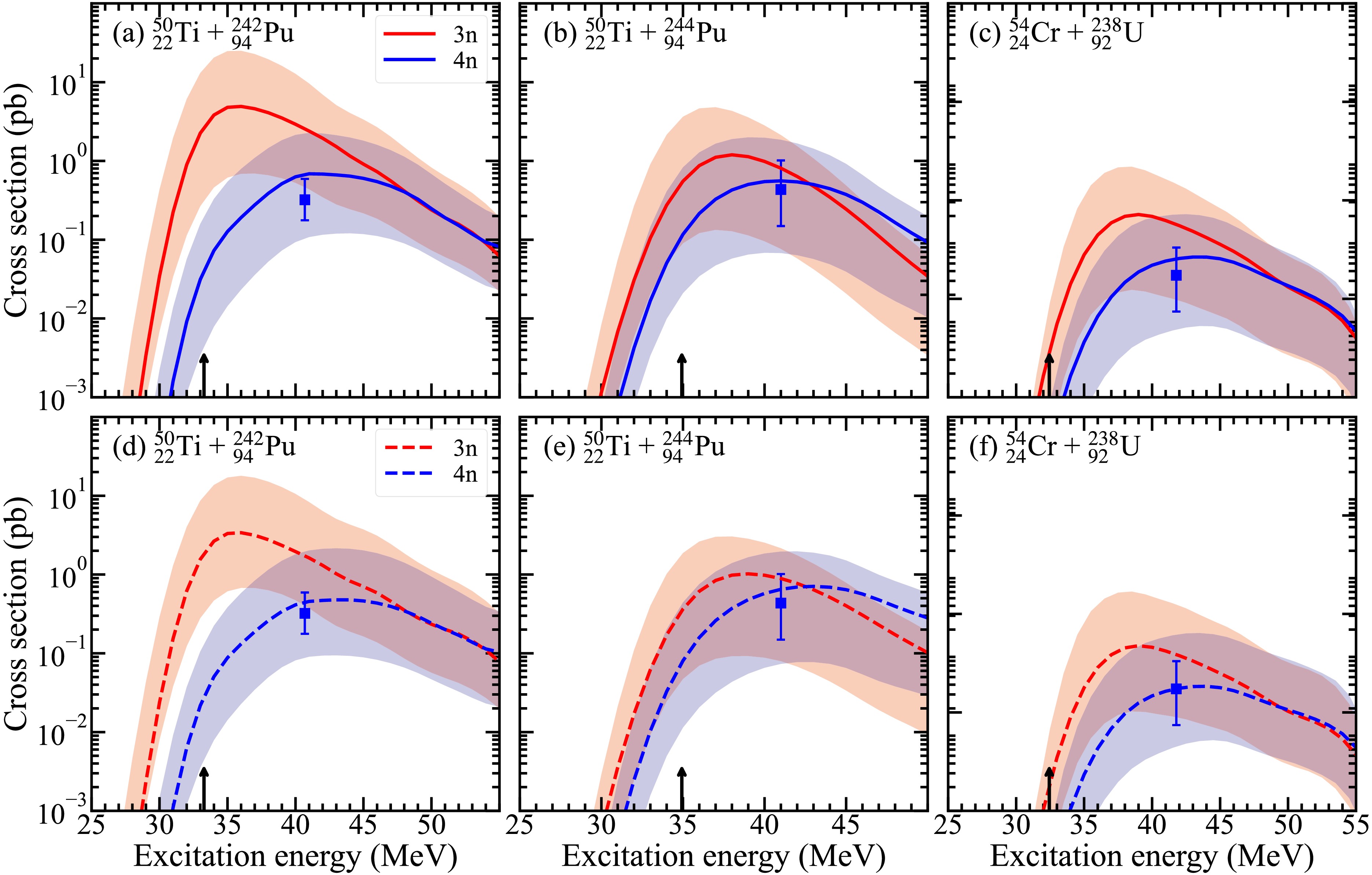
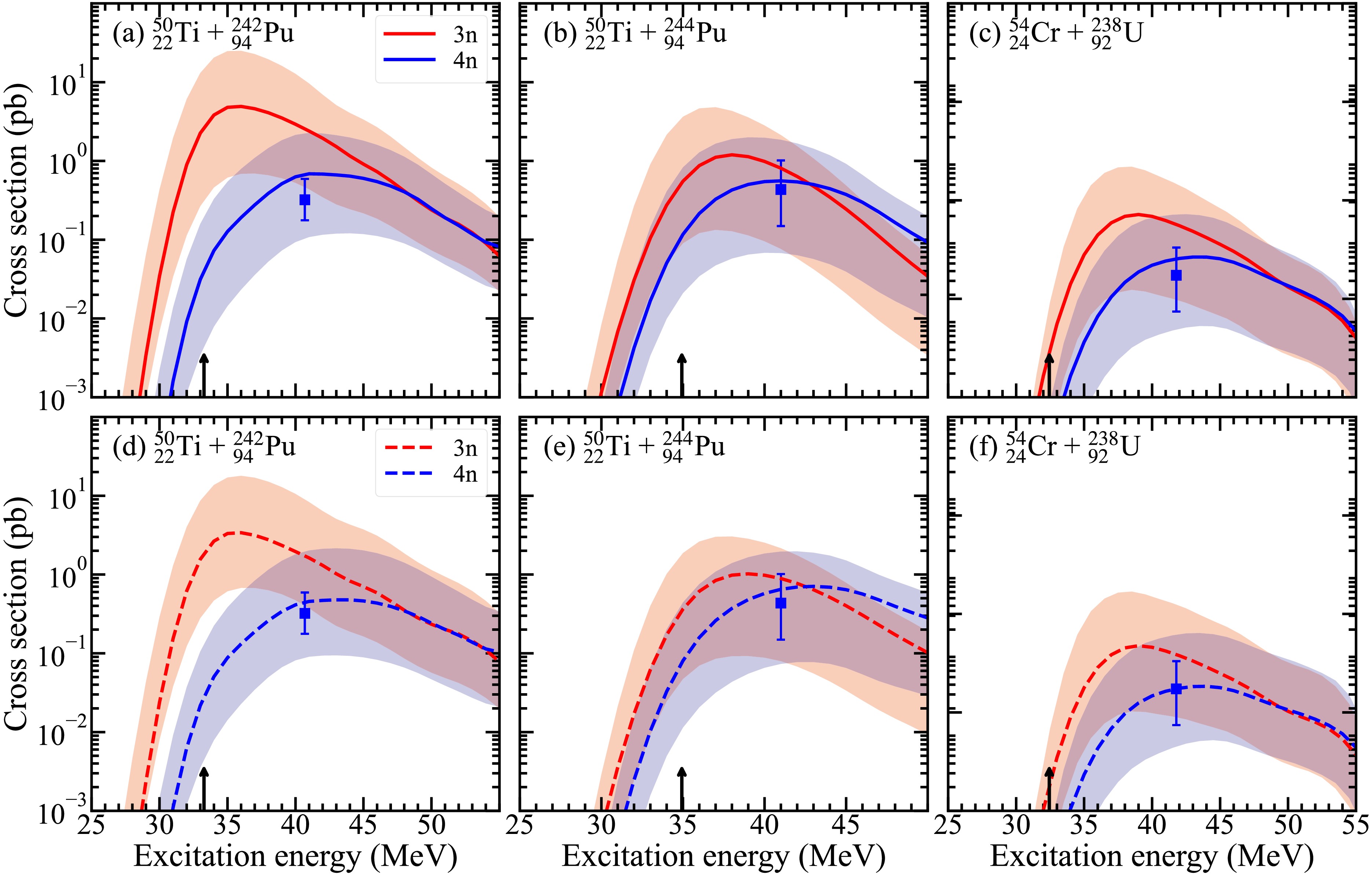
Theoretical predictions on the optimal reaction energies are essential for producing superheavy elements (SHEs) beyond Og. Owing to the limitation of targets, synthesizing elements 119 and 120 will require beams of\begin{document}$ {}^{50}{\rm{Ti}} $\end{document} \begin{document}$ {}^{54}{\rm{Cr}} $\end{document} \begin{document}$ {}^{48}{\rm{Ca}} $\end{document} \begin{document}$ {}^{48}{\rm{Ca}} $\end{document} \begin{document}$ D_{\rm{cont}} $\end{document} \begin{document}$ E_{\rm{c.m.}}-B_0 $\end{document} \begin{document}$ {}^{50}{\rm{Ti}}+{}^{242}{\rm{Pu}} $\end{document} \begin{document}$ {}^{50}{\rm{Ti}}+{}^{244}{\rm{Pu}} $\end{document} \begin{document}$ {}^{54}{\rm{Cr}}+{}^{238}{\rm{U}} $\end{document} \begin{document}$ ^{48}{\rm{Ca}} $\end{document} \begin{document}$ ^{50}{\rm{Ti}} $\end{document} \begin{document}$ ^{54}{\rm{Cr}} $\end{document}
Theoretical predictions on the optimal reaction energies are essential for producing superheavy elements (SHEs) beyond Og. Owing to the limitation of targets, synthesizing elements 119 and 120 will require beams of
2026, 50(9): 094103. doi: 10.1088/1674-1137/ae75fc
Abstract:
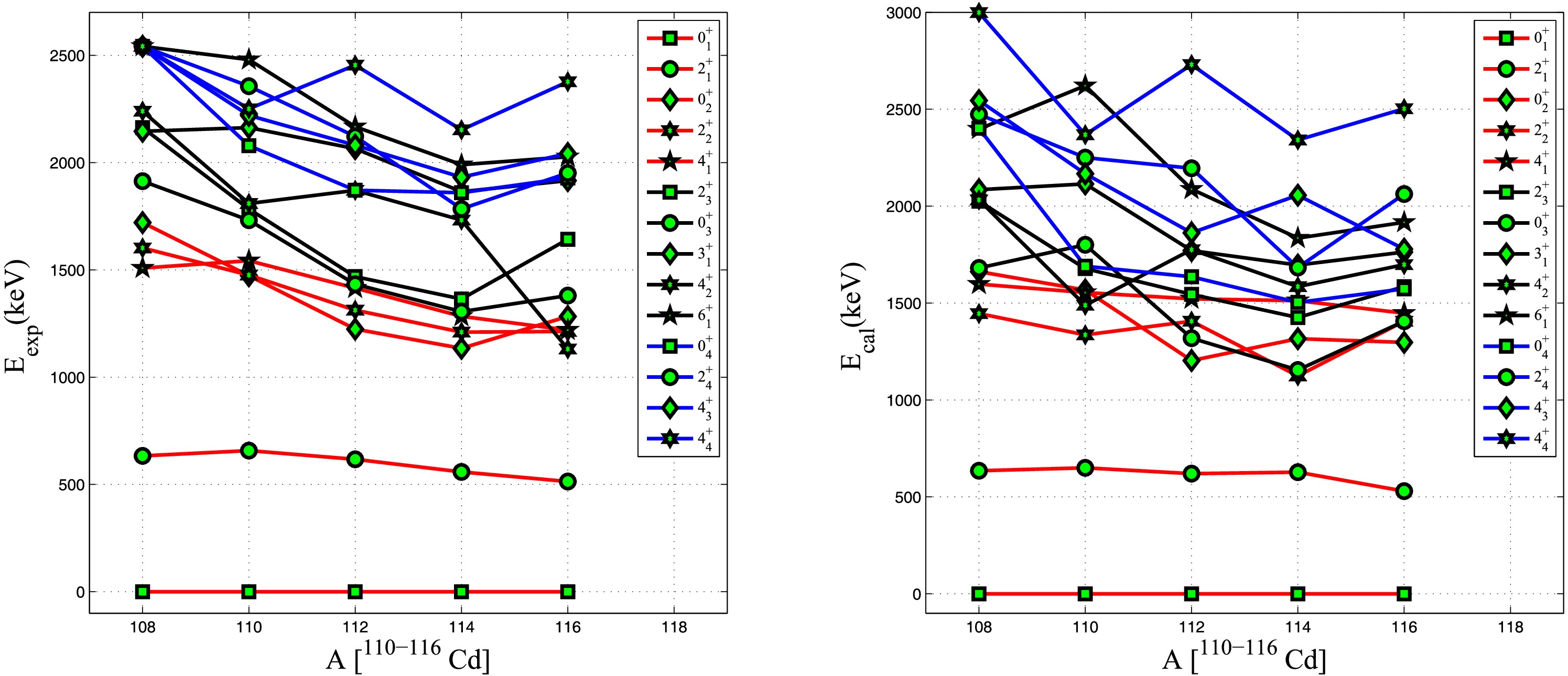
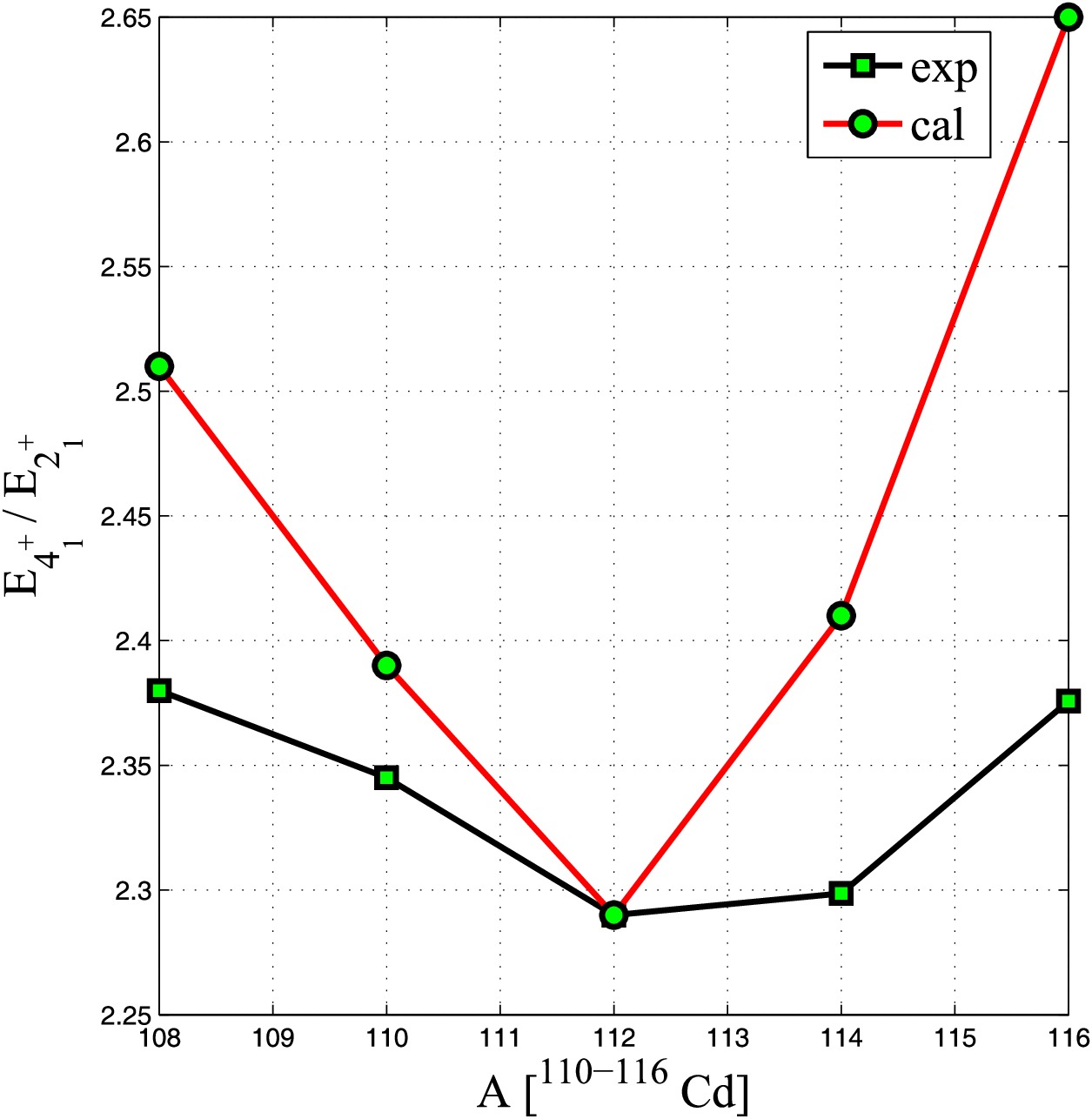
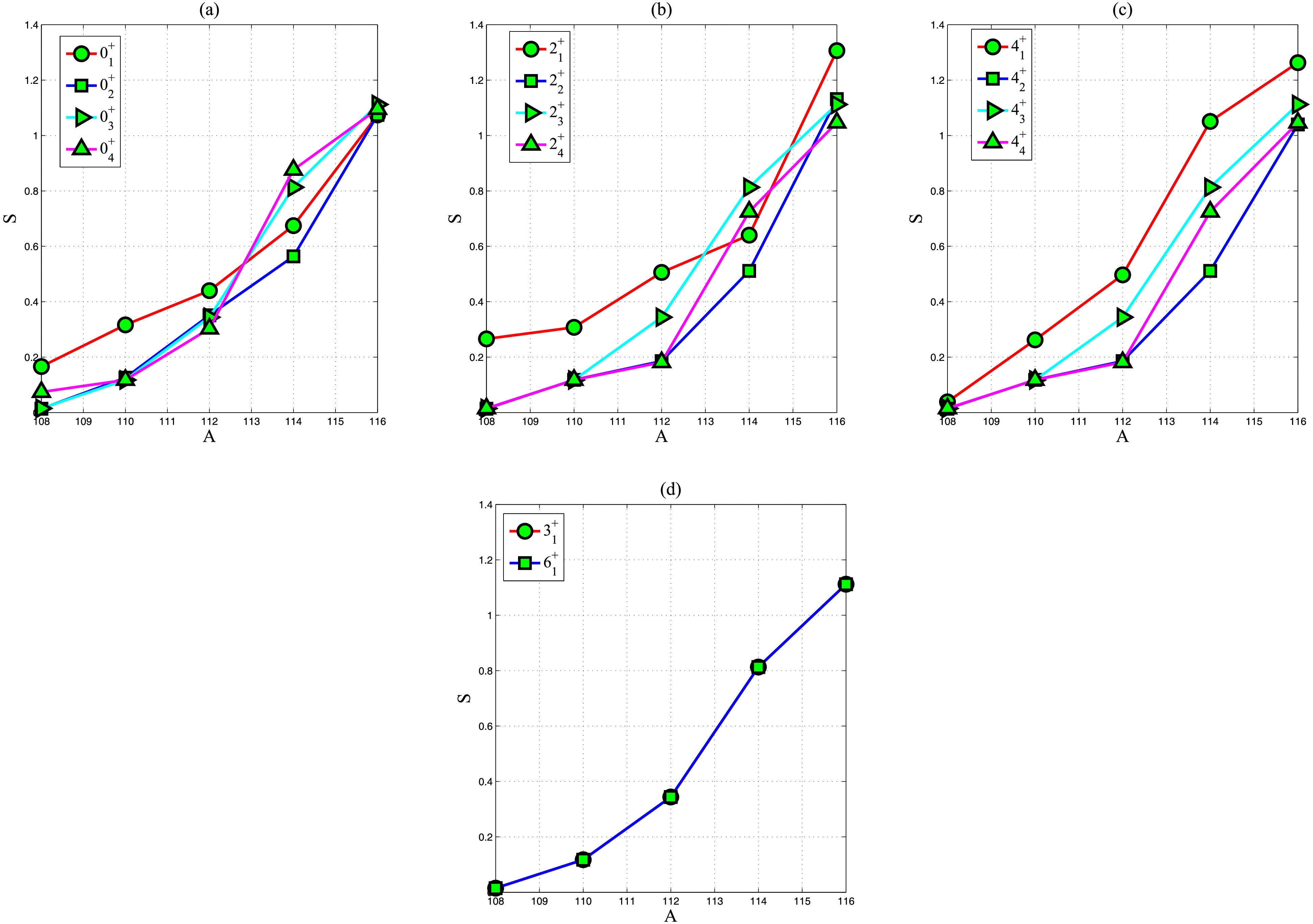
In this work, the von Neumann entropy has been calculated and employed as a probe to analyse quantum phase transitions (QPTs) within the\begin{document}$ sdg $\end{document} \begin{document}$ sdg $\end{document} \begin{document}$s$\end{document} \begin{document}$dg$\end{document} \begin{document}$ _{\phantom{108-1}48}^{108-116}\mathrm{Cd} $\end{document} \begin{document}${U_d}\left( 5 \right) \otimes{U_g}\left( 9 \right) \leftrightarrow S O_{sdg}\left( {15} \right)$\end{document} \begin{document}$ _{\phantom{1}48}^{108}\mathrm{Cd} $\end{document} \begin{document}$ _{\phantom{1}48}^{116}\mathrm{Cd} $\end{document} \begin{document}${U_d}\left( 5 \right) \otimes{U_g}$\end{document} \begin{document}$S O_{sdg}(15)$\end{document}
In this work, the von Neumann entropy has been calculated and employed as a probe to analyse quantum phase transitions (QPTs) within the
2026, 50(9): 094104. doi: 10.1088/1674-1137/ae7cff
Abstract:
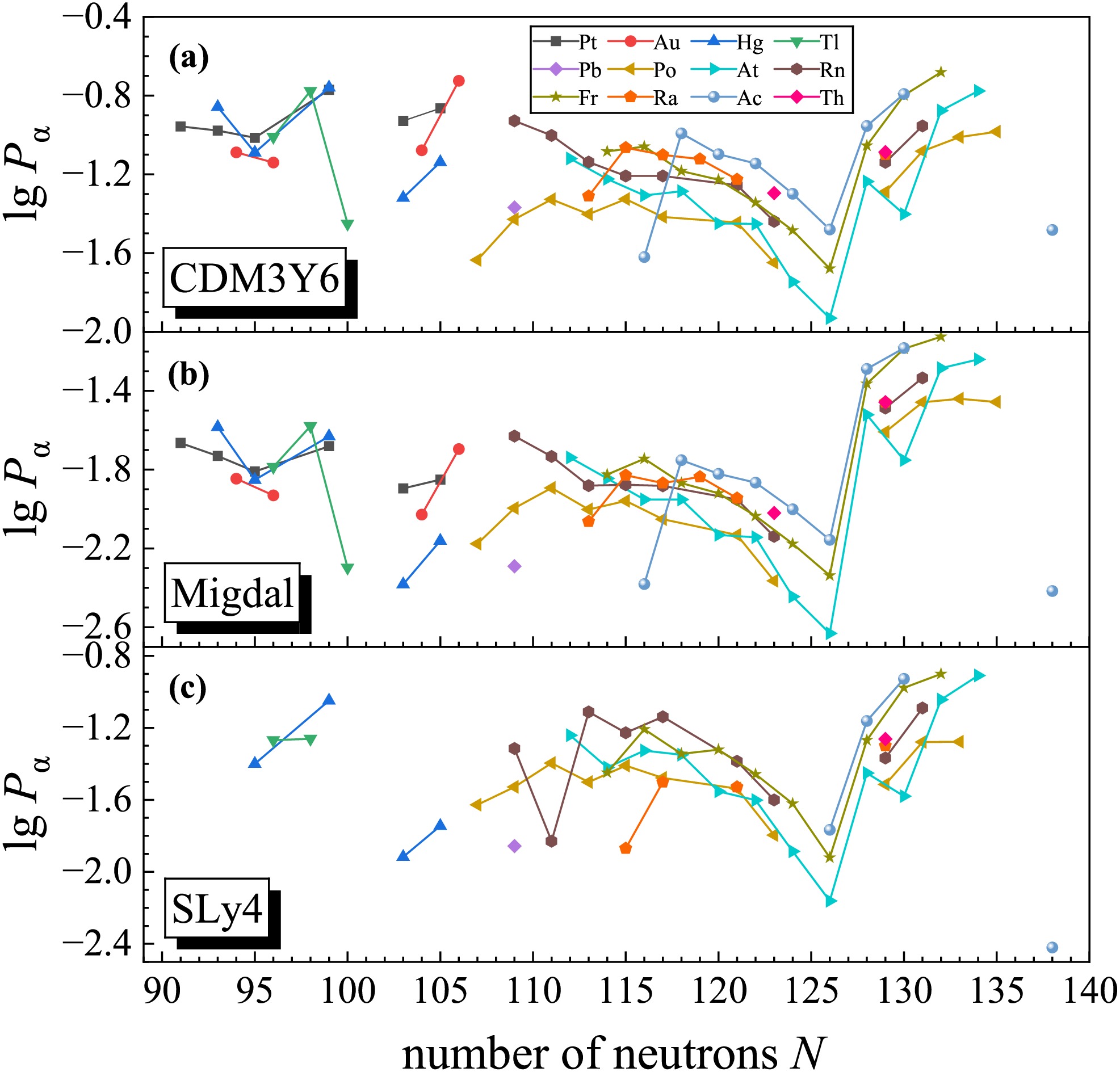
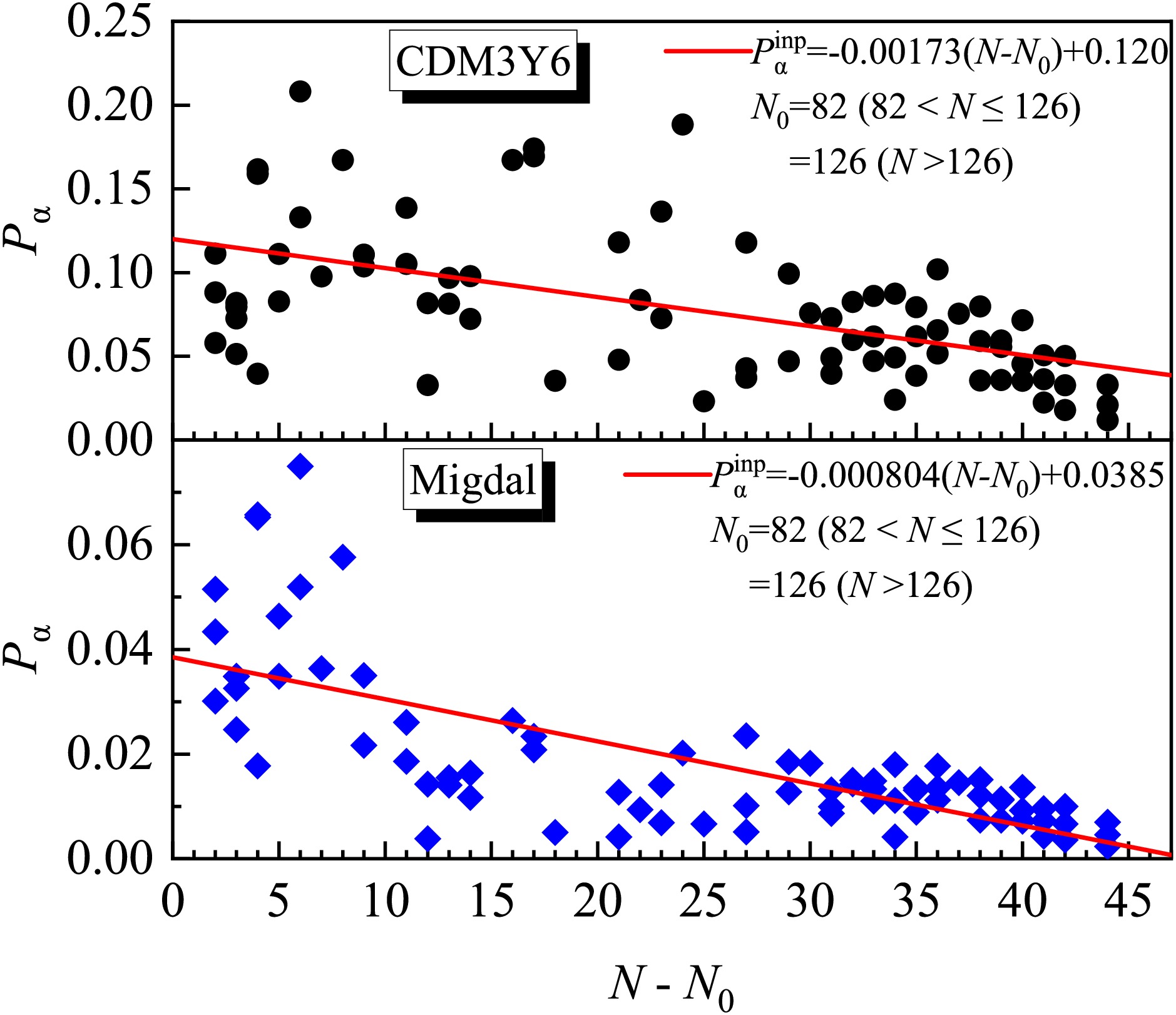
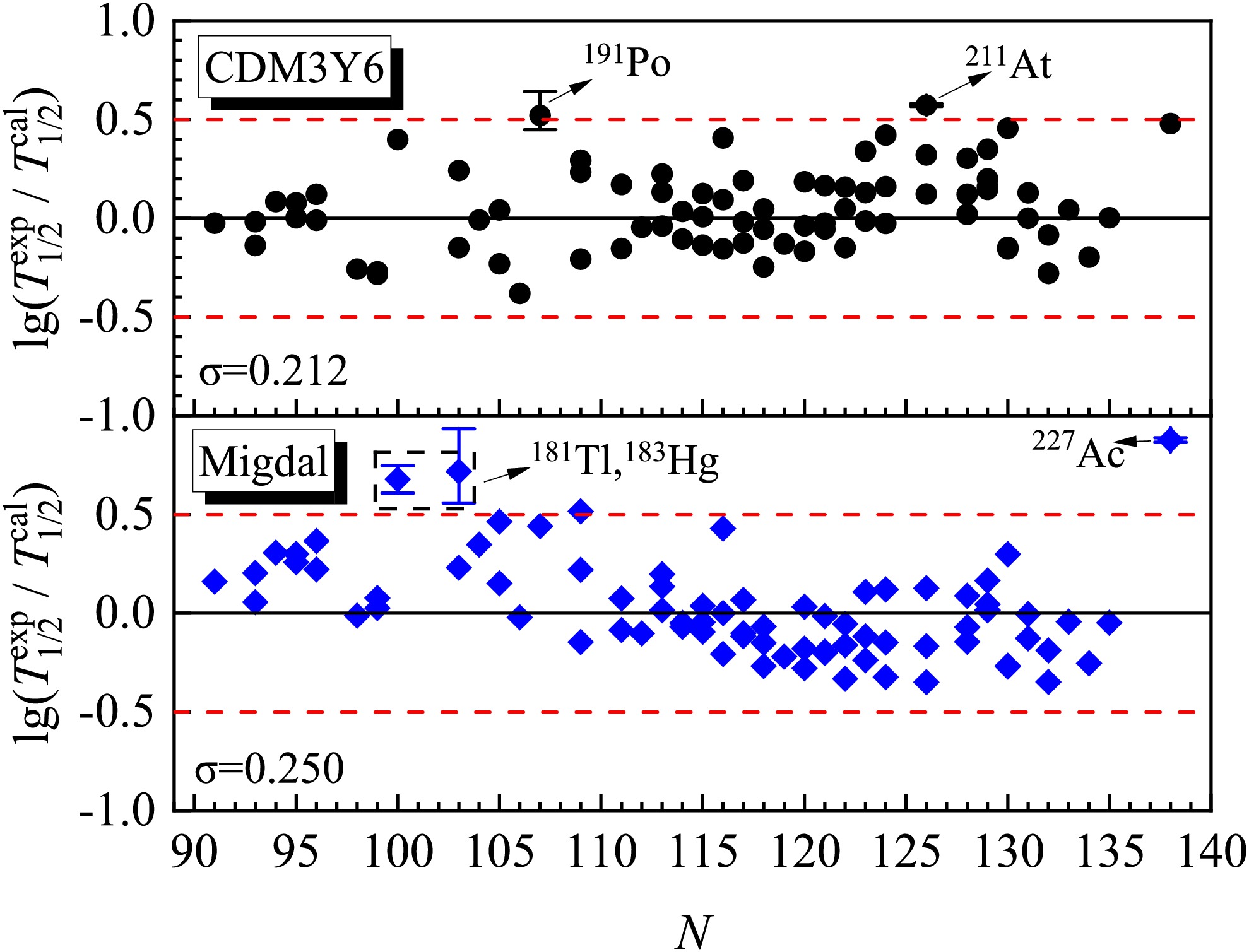
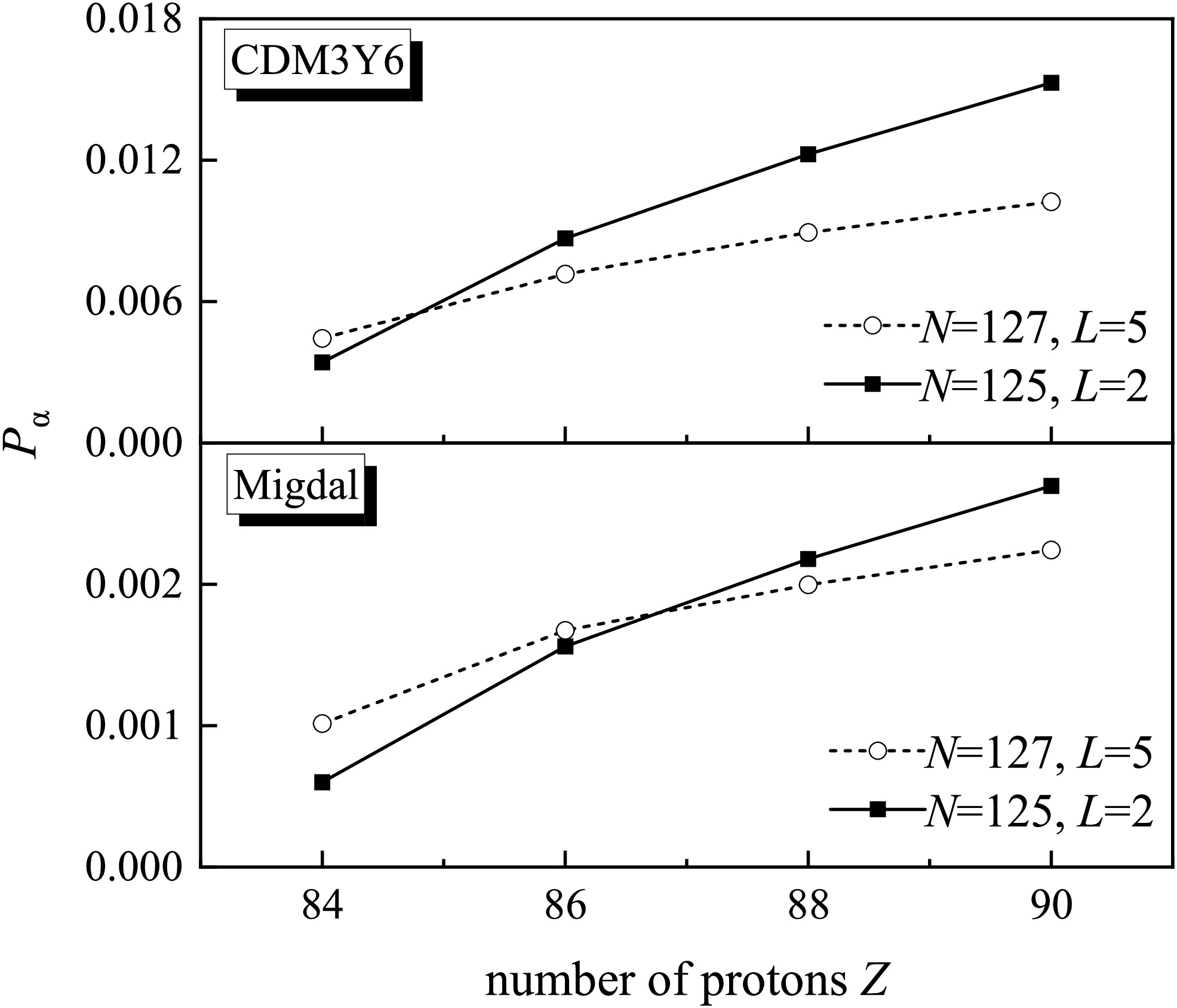
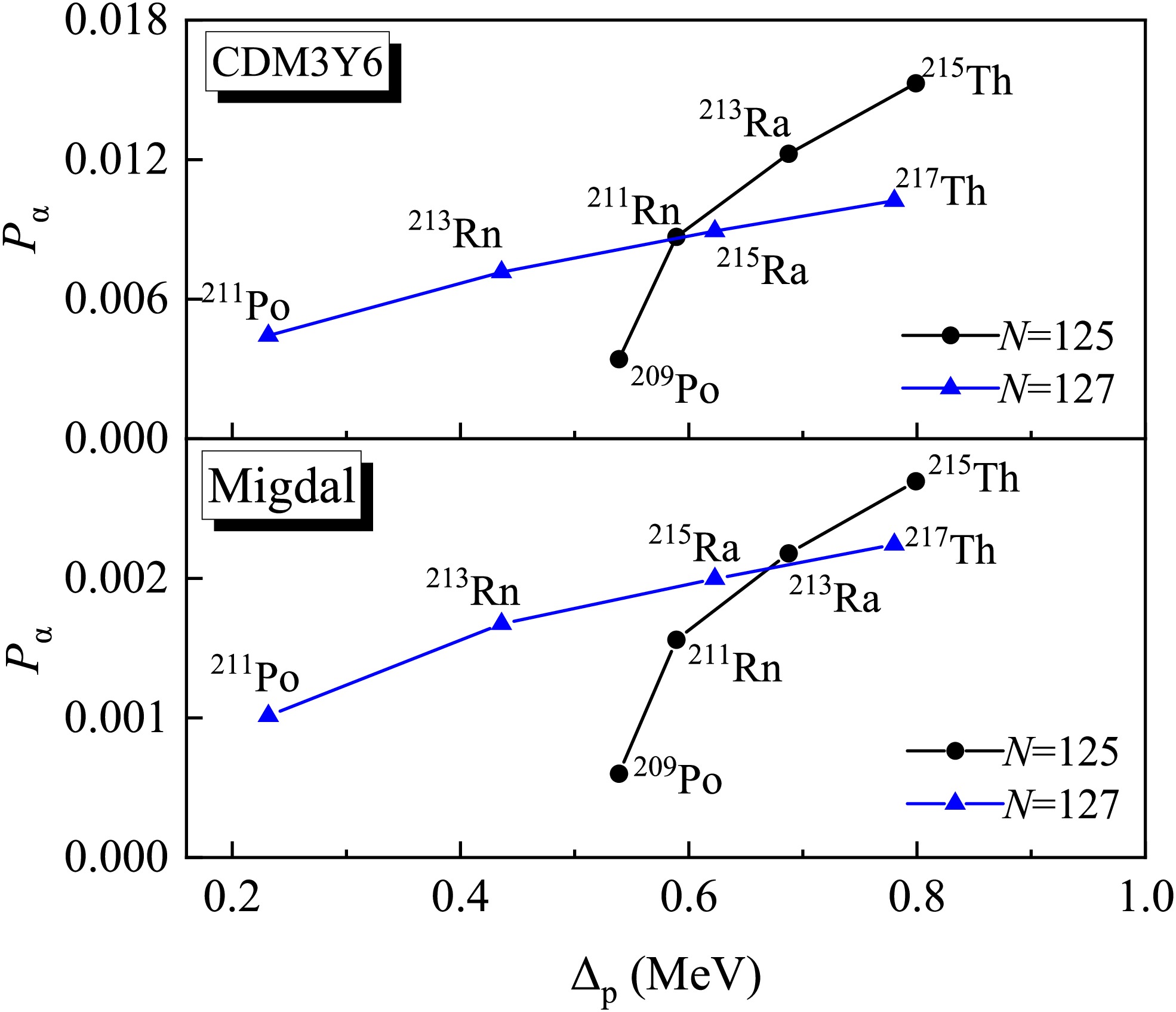
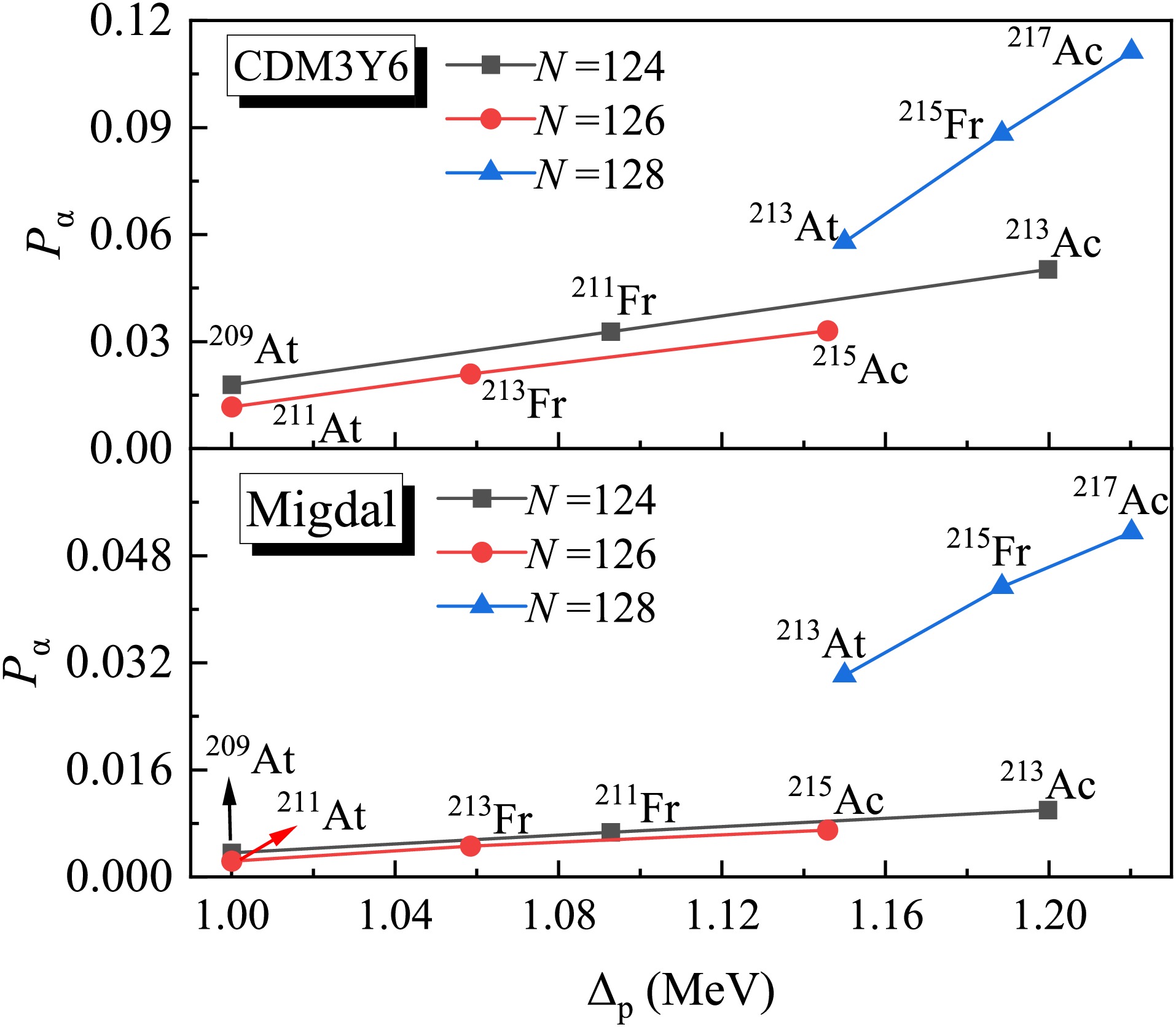
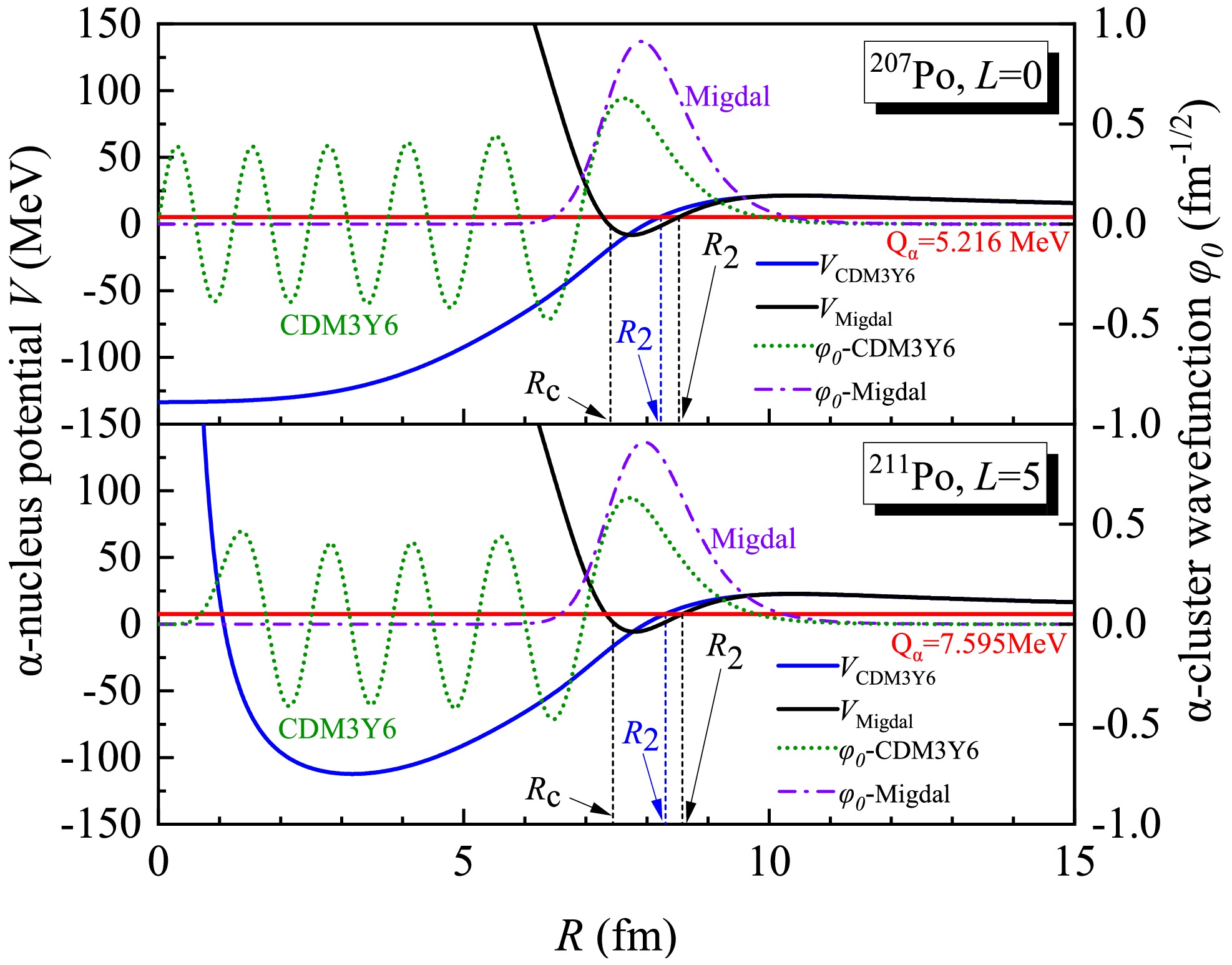
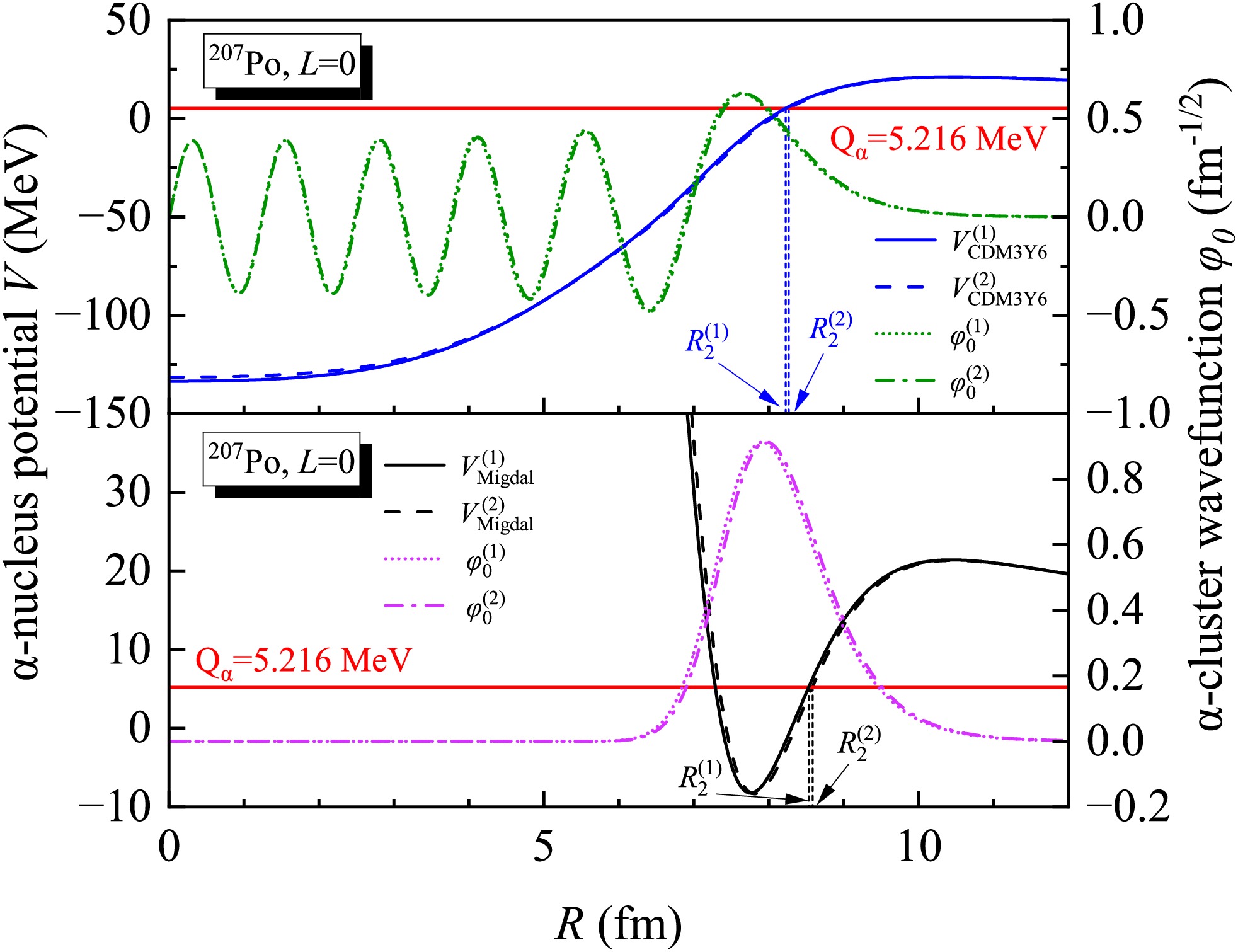
The dynamical double-folding potential (DDFP) model is extended to investigate the α decays of odd-A nuclei in the region\begin{document}$ 78 \le Z \le 90 $\end{document} \begin{document}$ \sigma = 0.212 $\end{document} \begin{document}$ P_\alpha $\end{document} \begin{document}$ P_\alpha $\end{document} \begin{document}$ P_\alpha $\end{document}
The dynamical double-folding potential (DDFP) model is extended to investigate the α decays of odd-A nuclei in the region
2026, 50(9): 094105. doi: 10.1088/1674-1137/ae823d
Abstract:
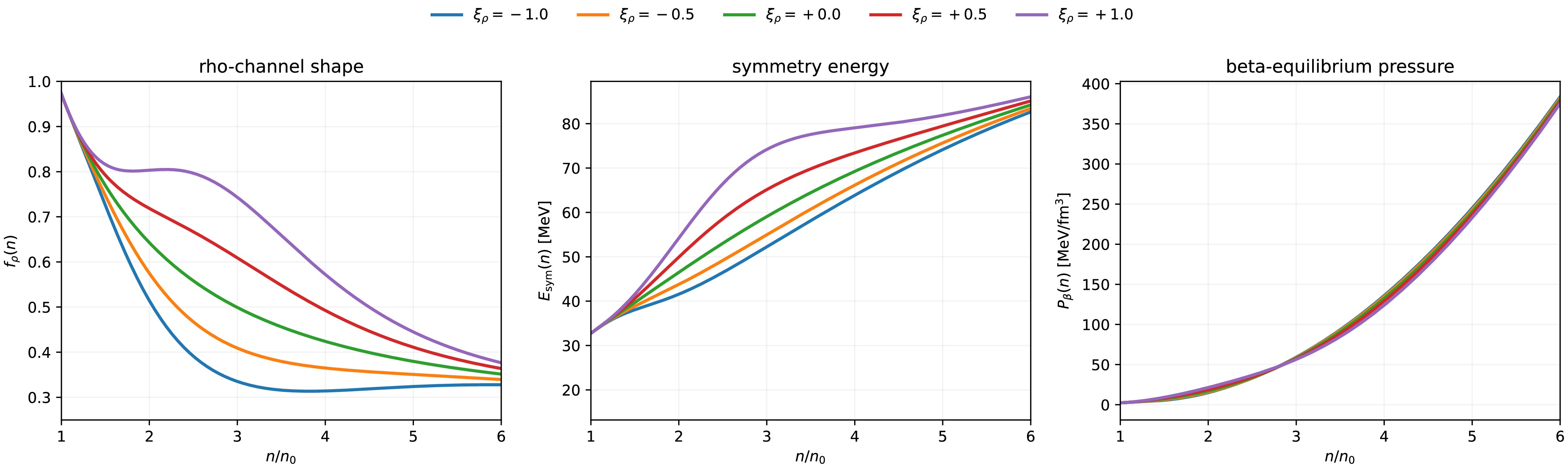
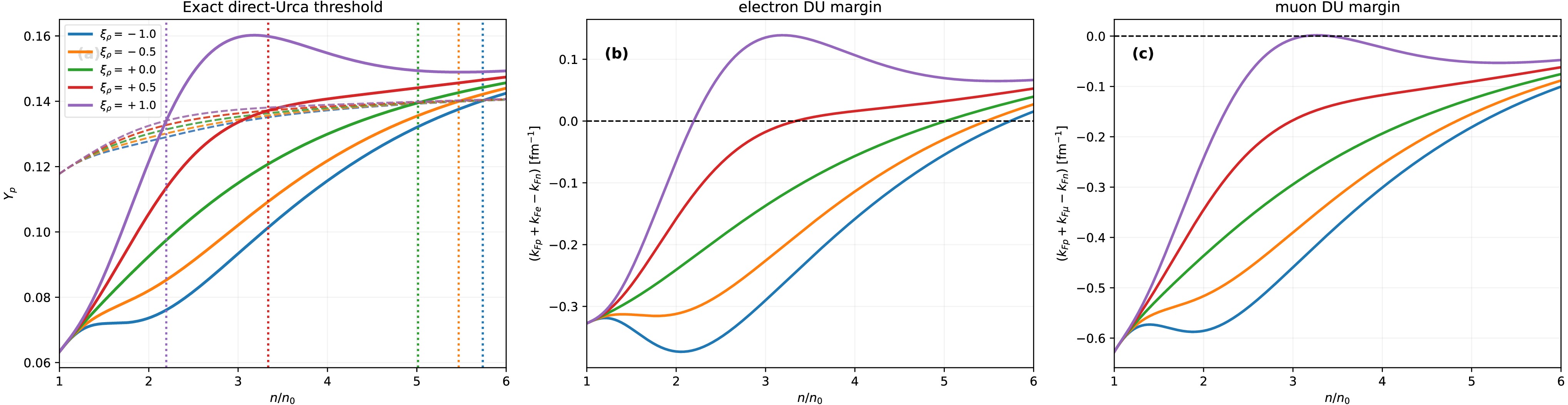
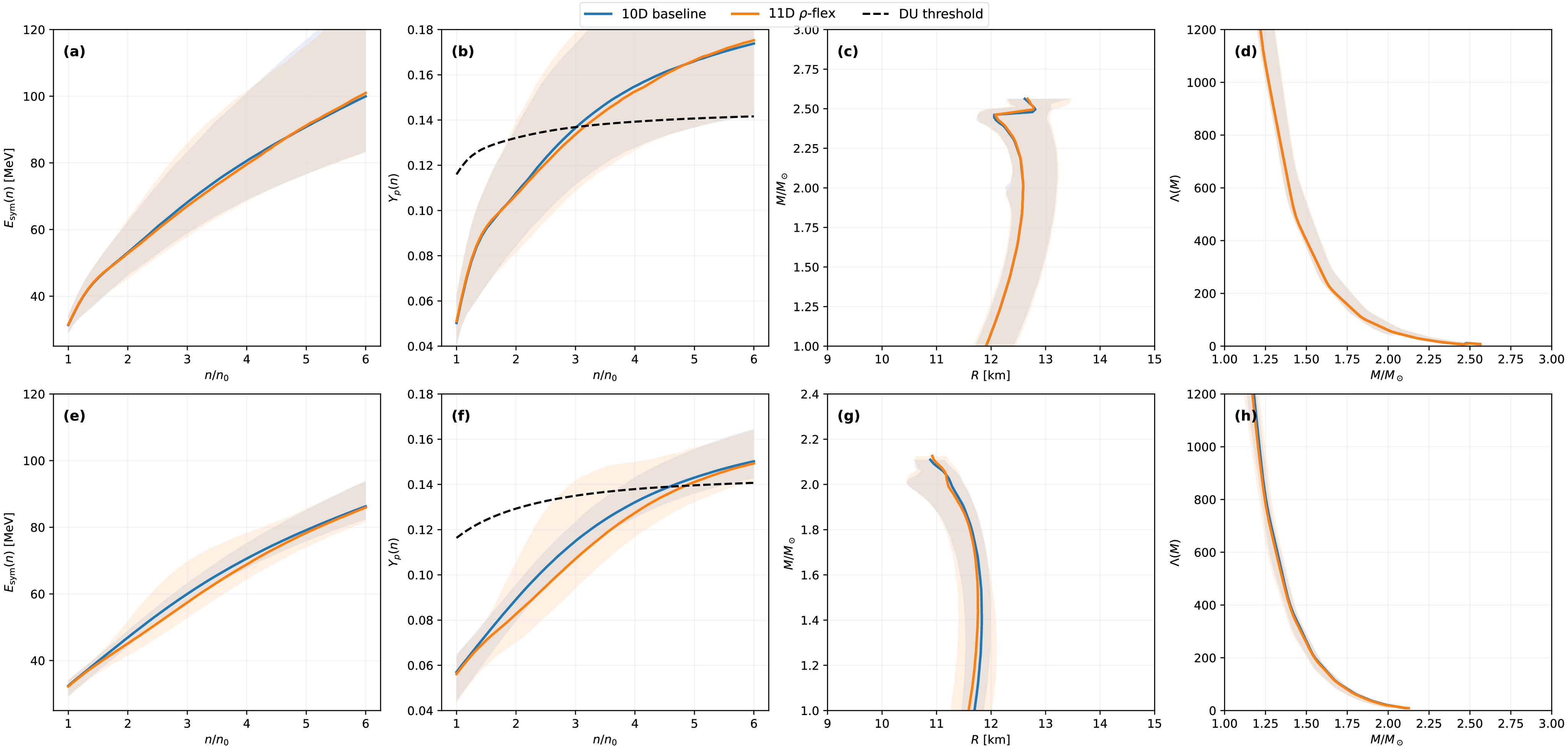
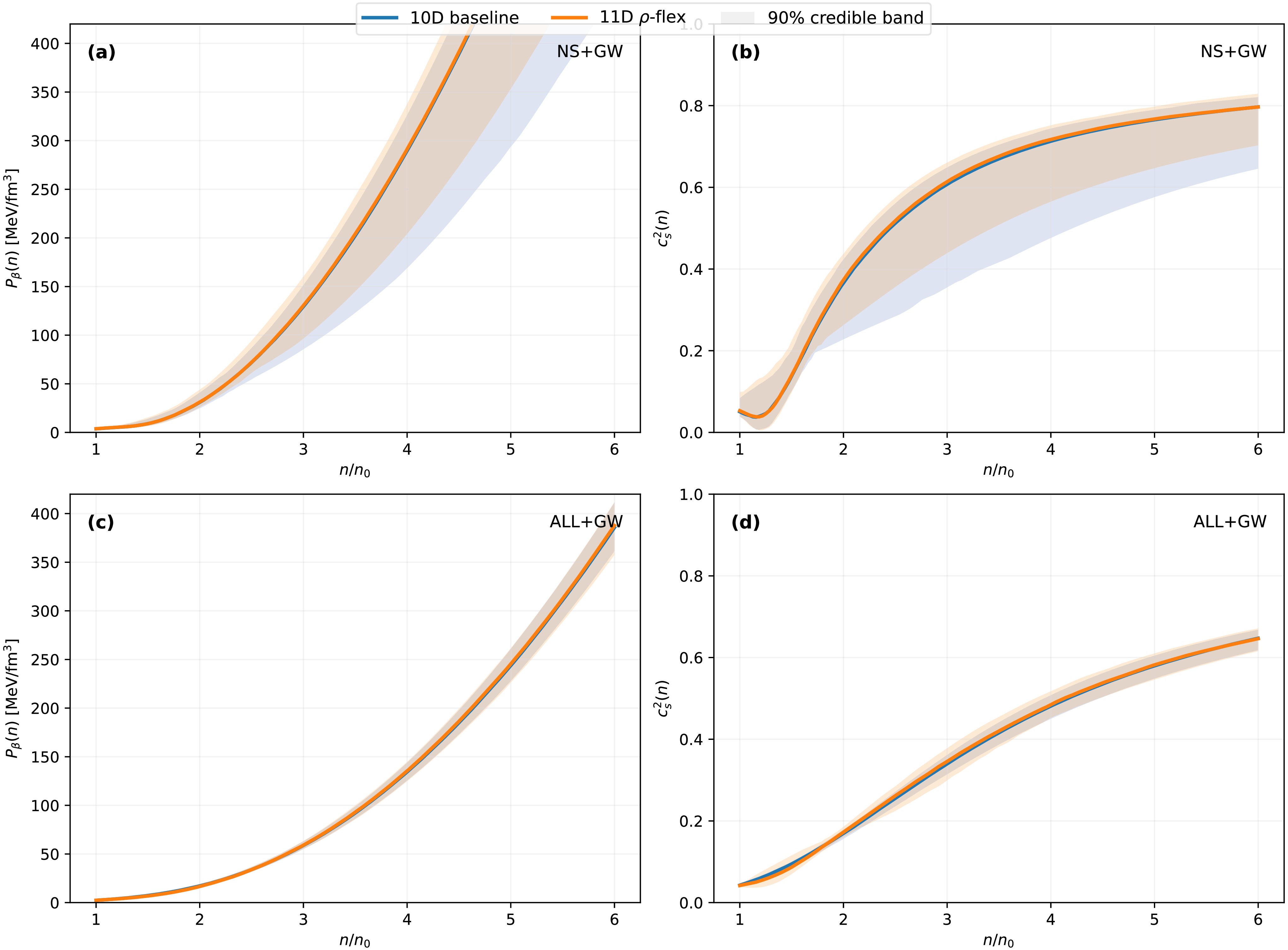
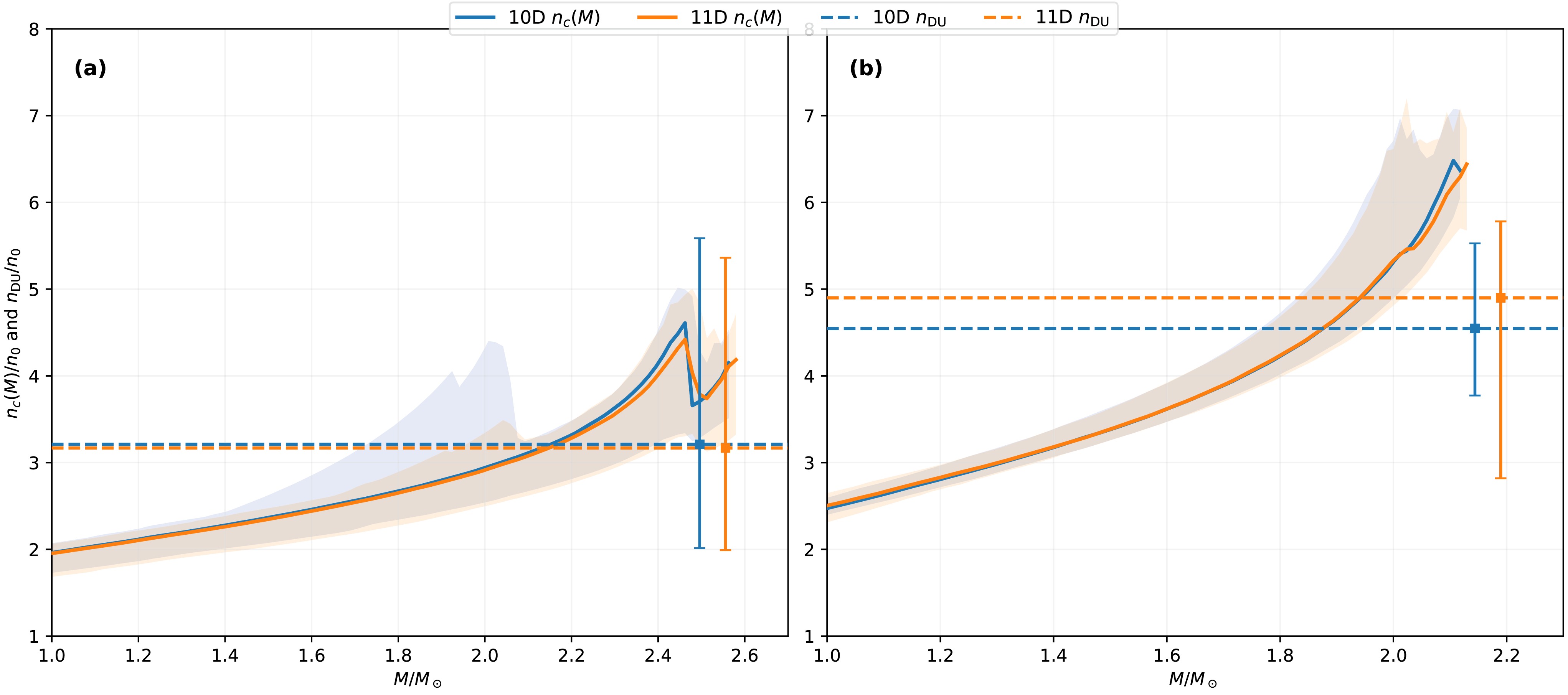
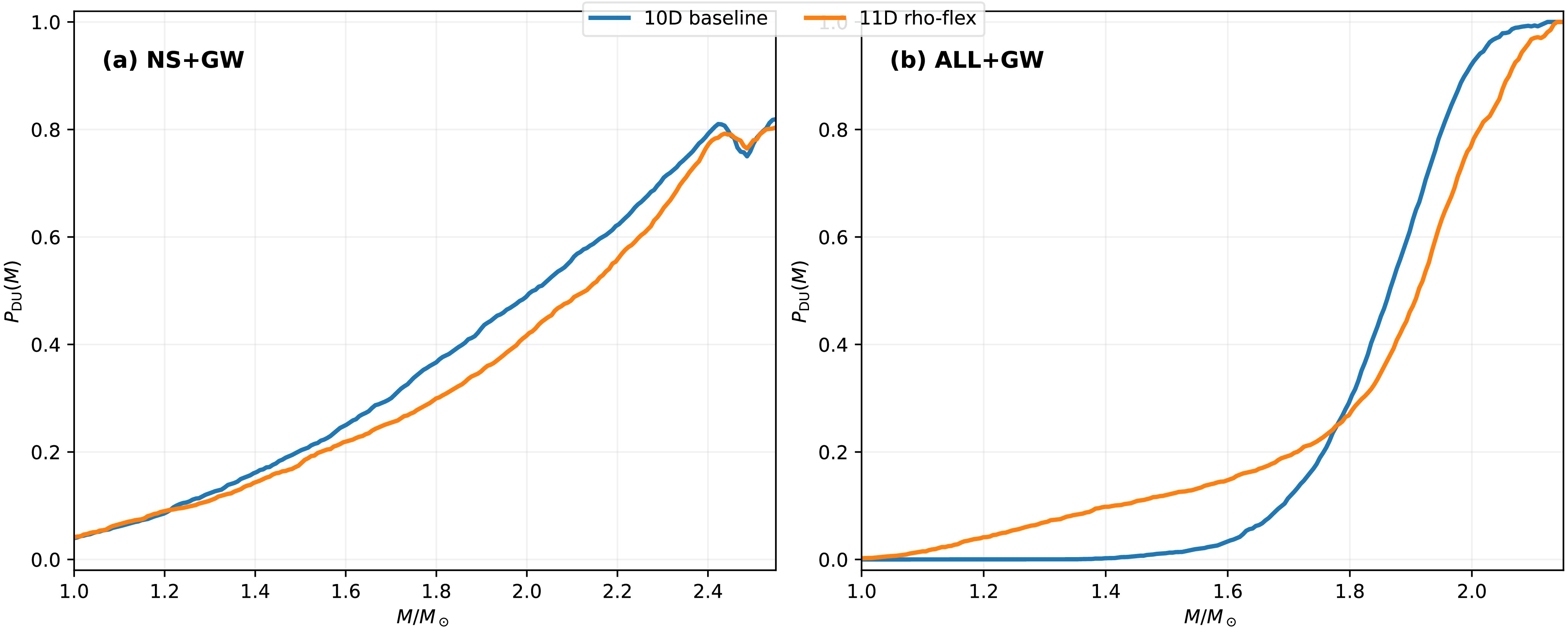
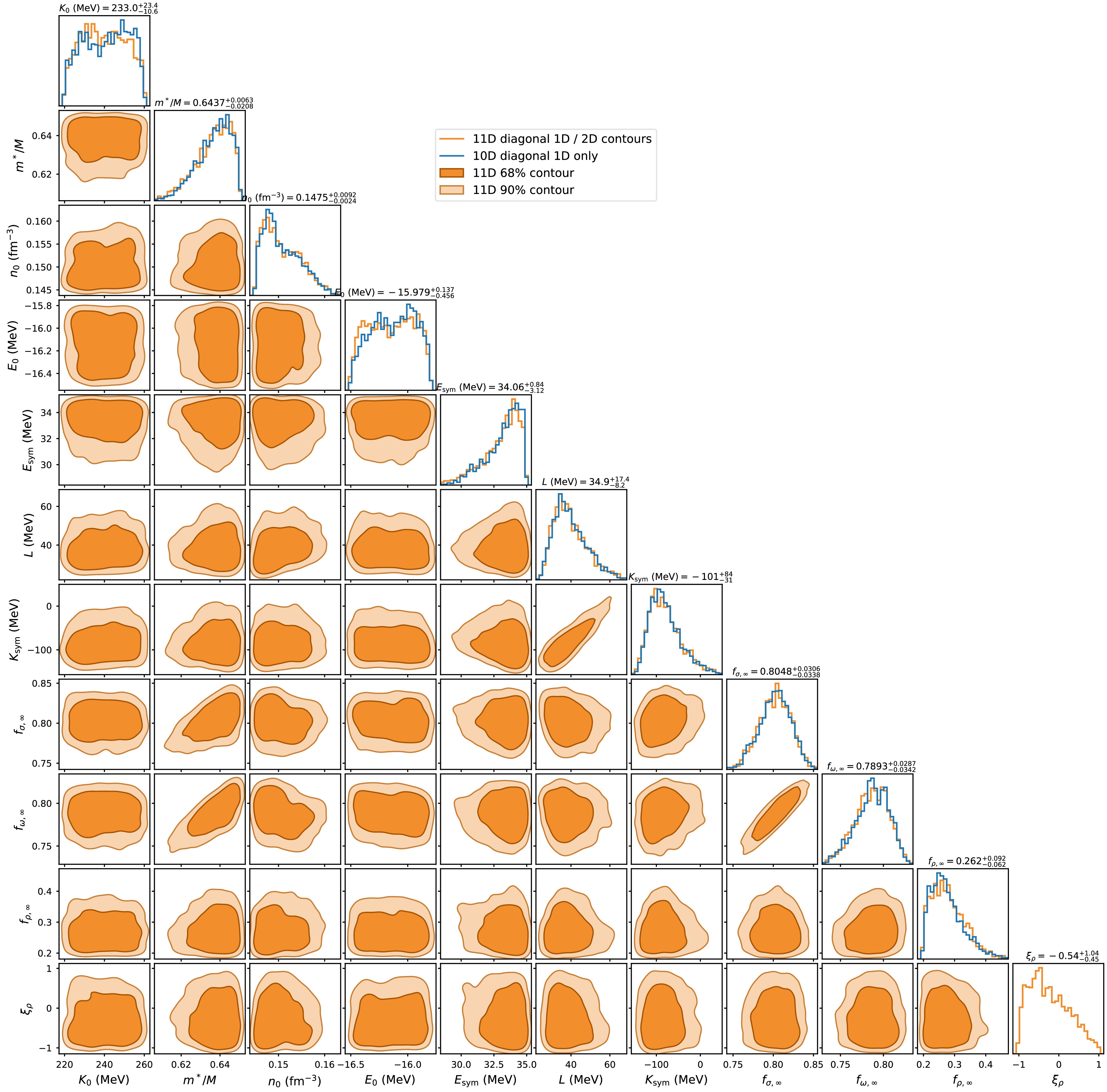
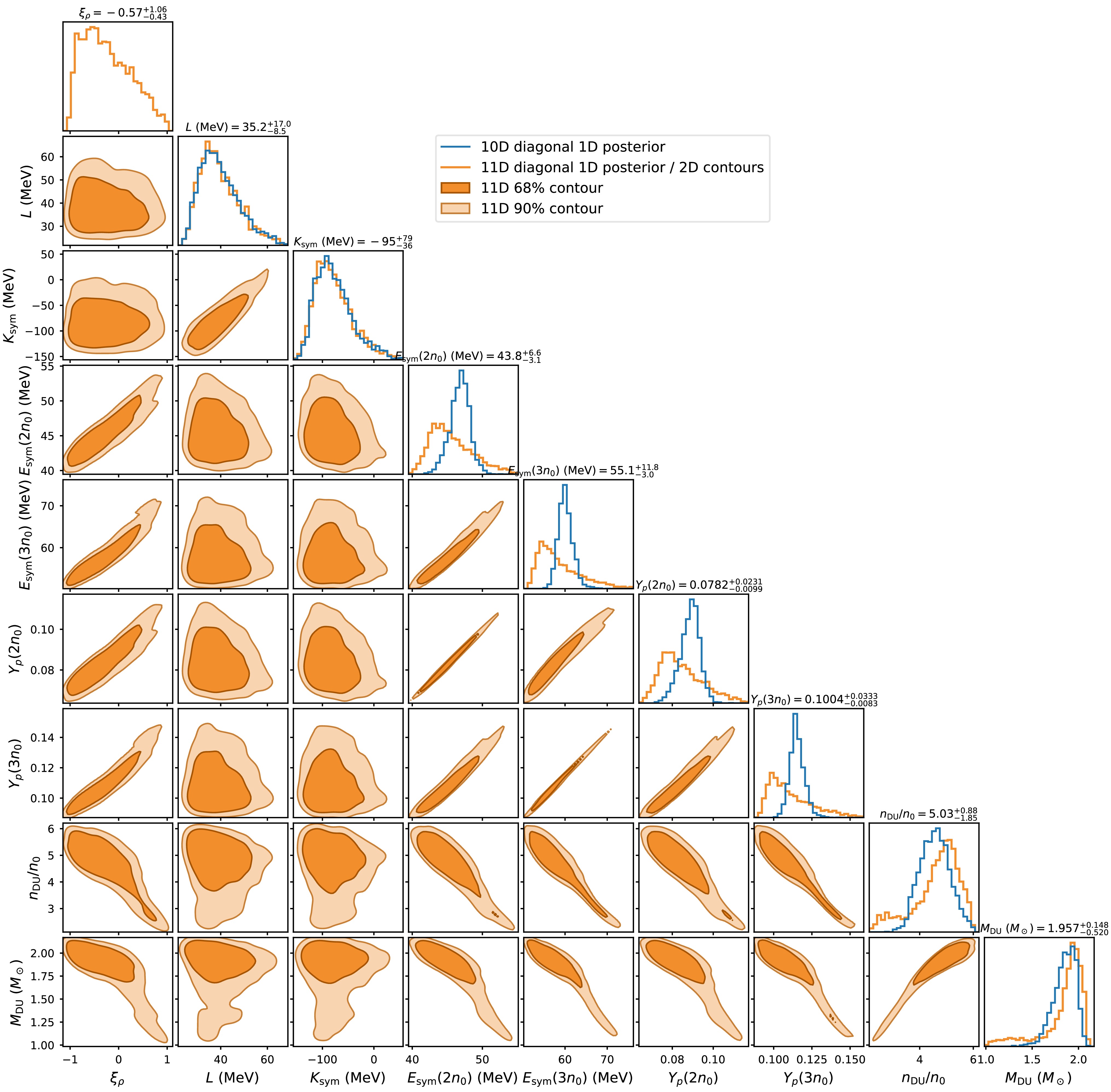
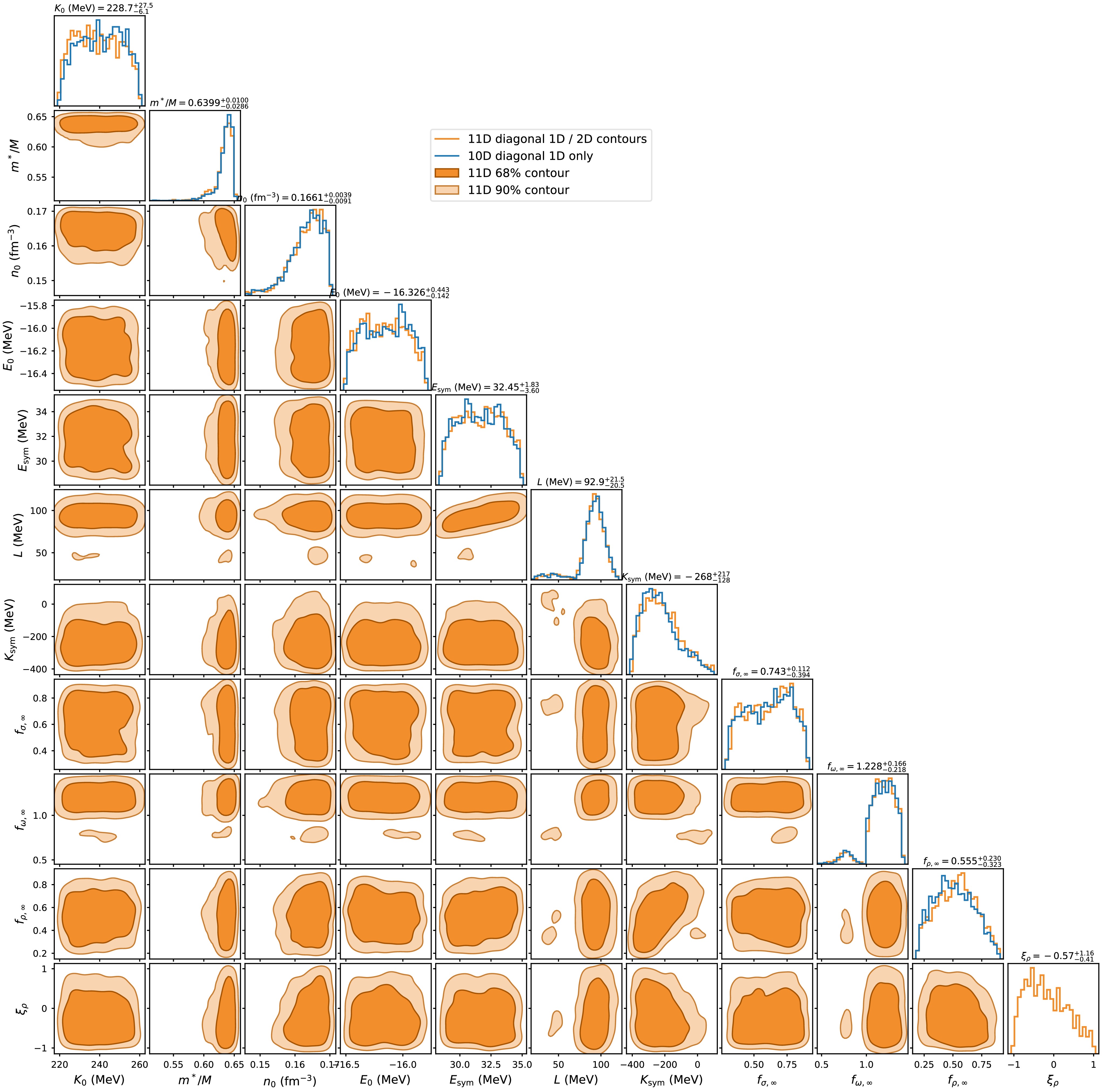
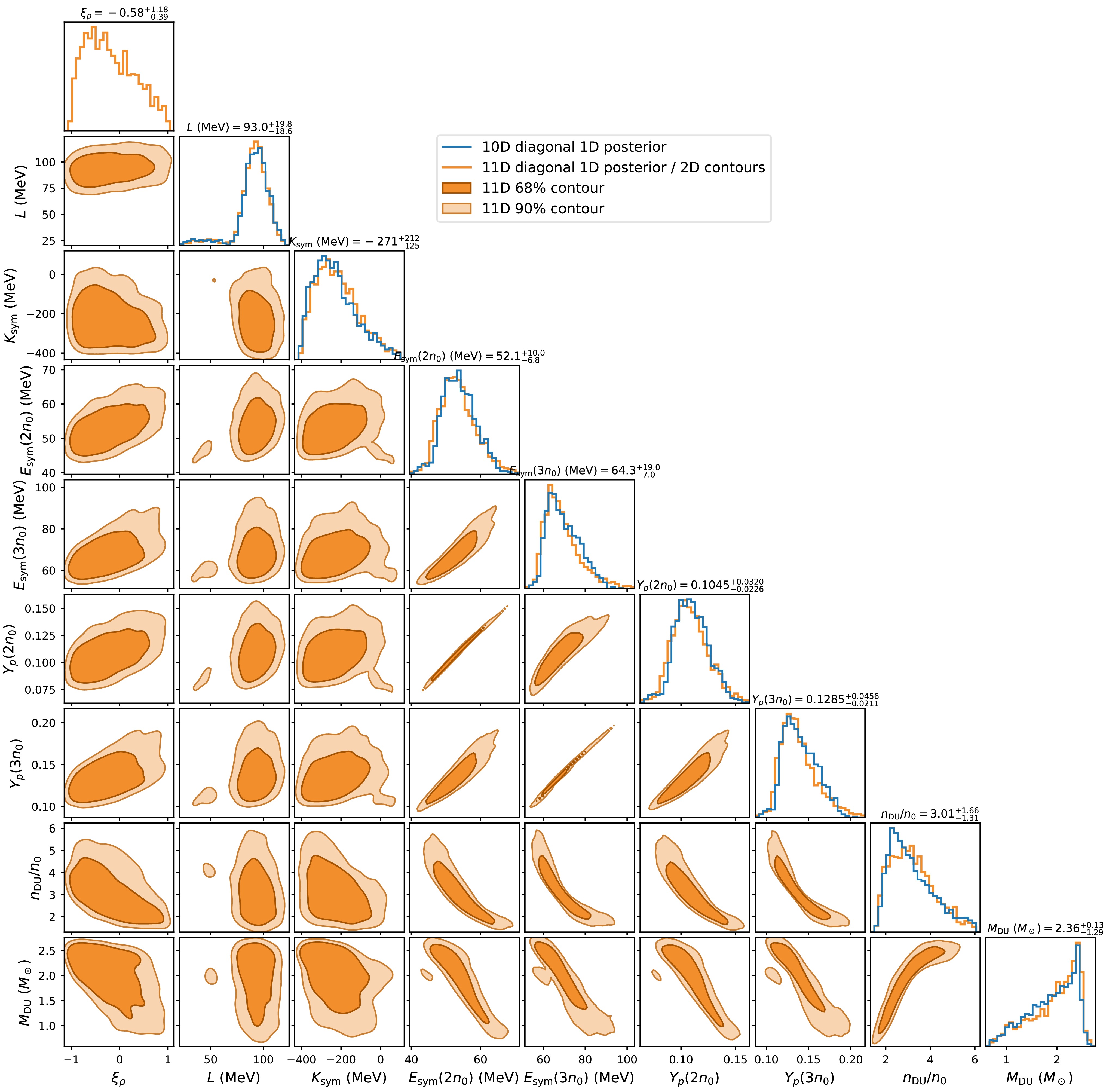
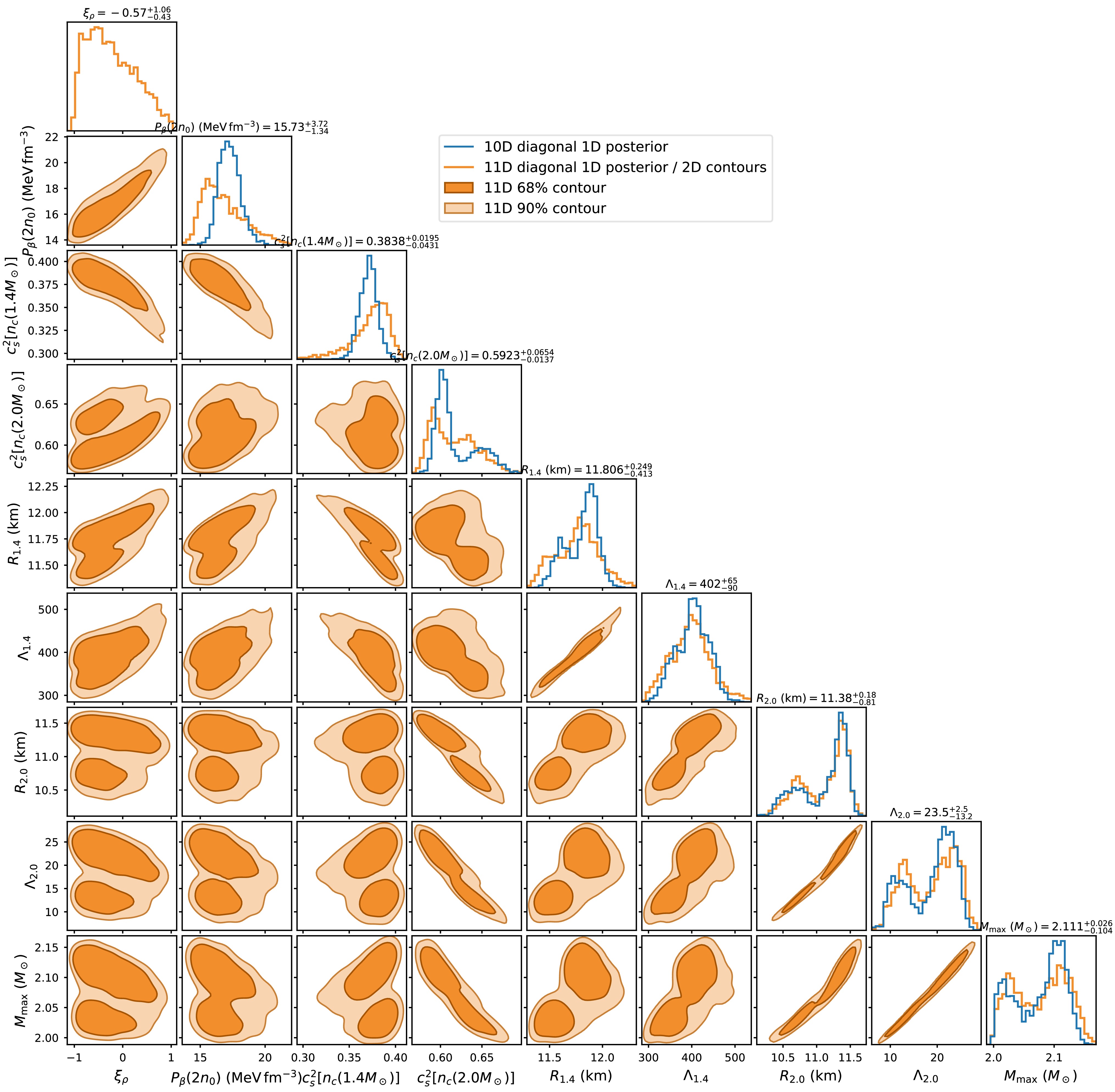
We investigate the role of the model dependence of the high-density isovector sector in neutron-star matter within a density-dependent relativistic mean-field framework. A 10-dimensional TW-like DD-RMF baseline model is compared with an 11-dimensional ρ-flex extension in which an additional parameter,\begin{document}$ \xi_\rho $\end{document} \begin{document}$ \Delta\ln Z_{\rm{INS}}=-0.23\pm0.08 $\end{document} \begin{document}$ -0.02\pm0.17 $\end{document}
We investigate the role of the model dependence of the high-density isovector sector in neutron-star matter within a density-dependent relativistic mean-field framework. A 10-dimensional TW-like DD-RMF baseline model is compared with an 11-dimensional ρ-flex extension in which an additional parameter,
2026, 50(9): 094106. doi: 10.1088/1674-1137/ae7dc0
Abstract:
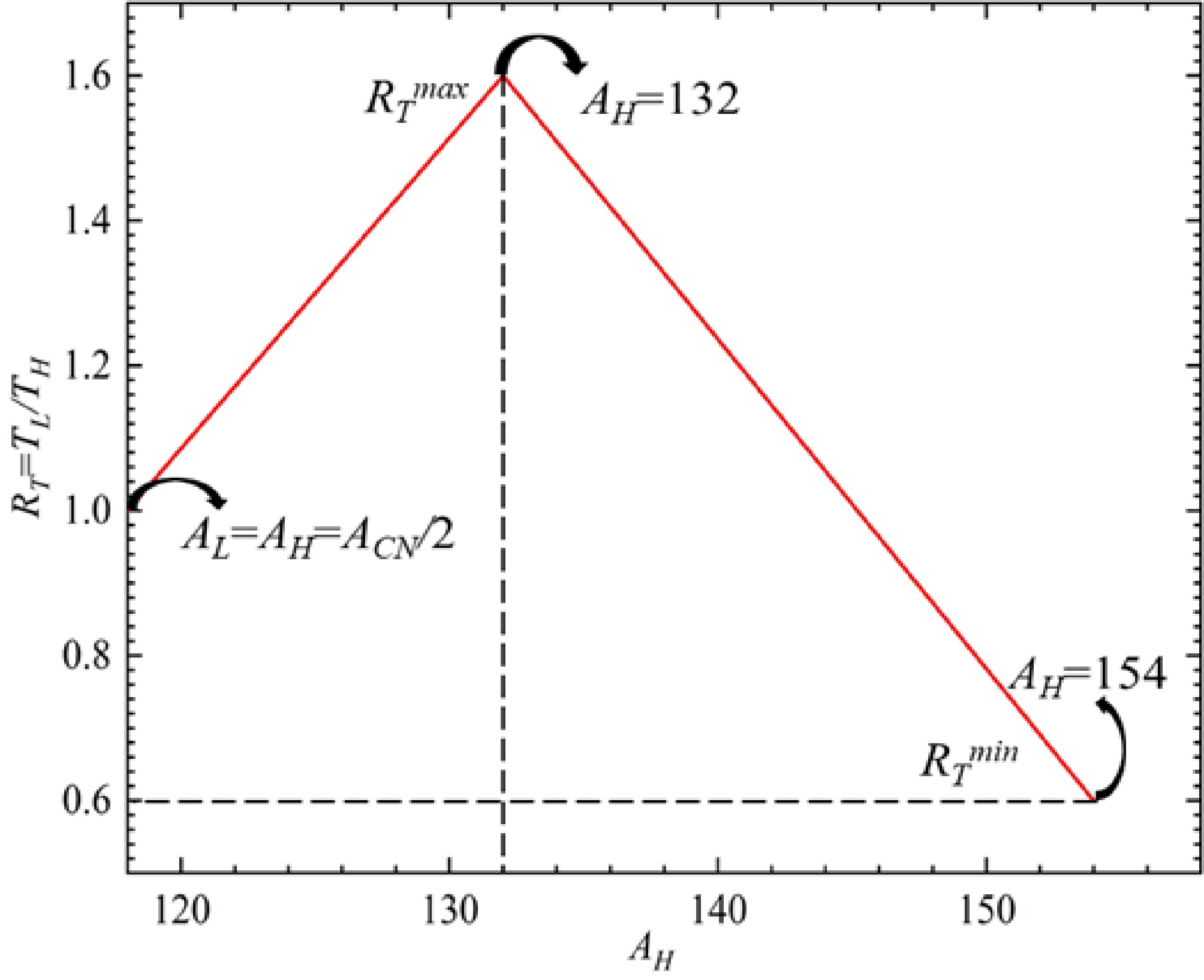
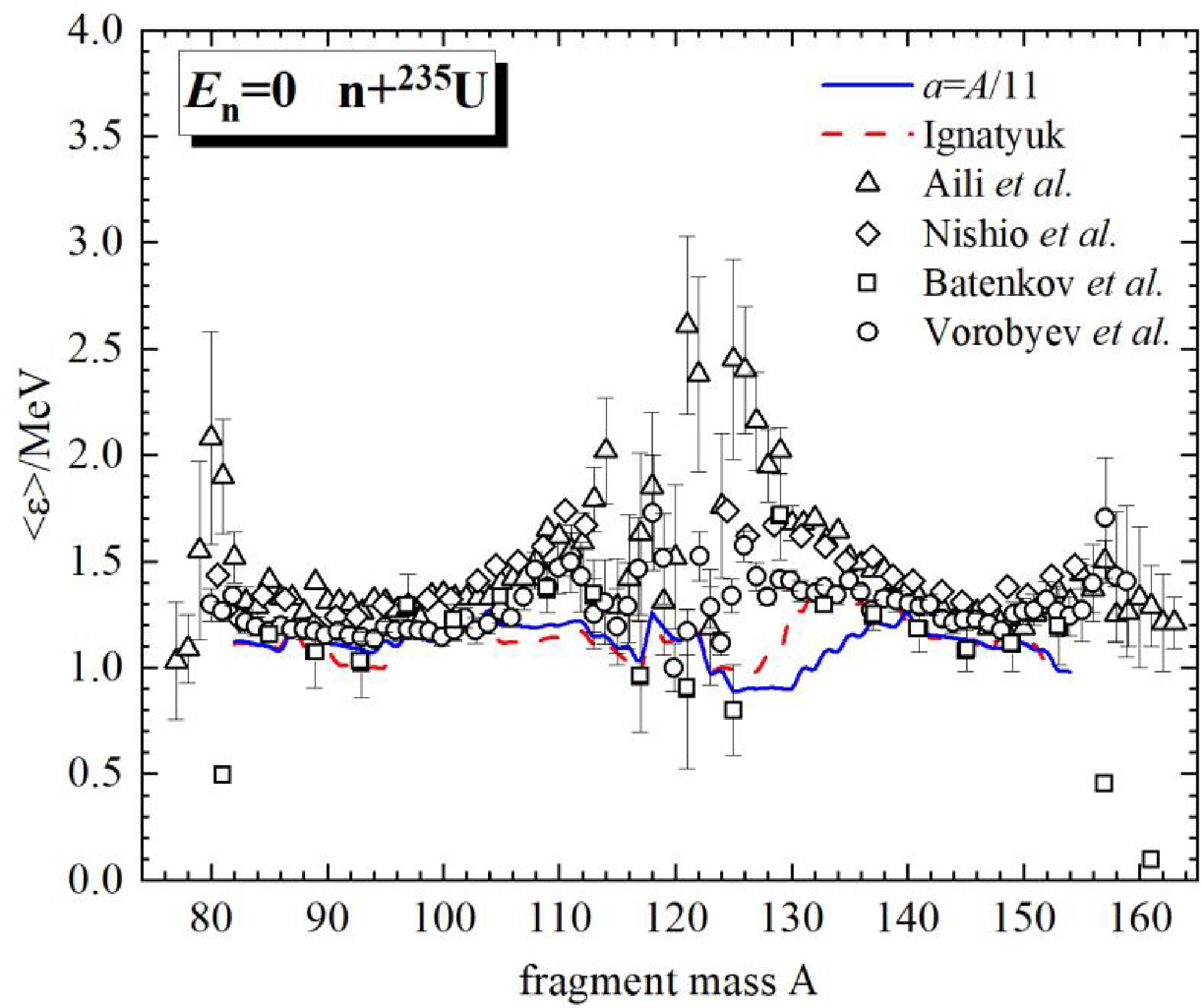
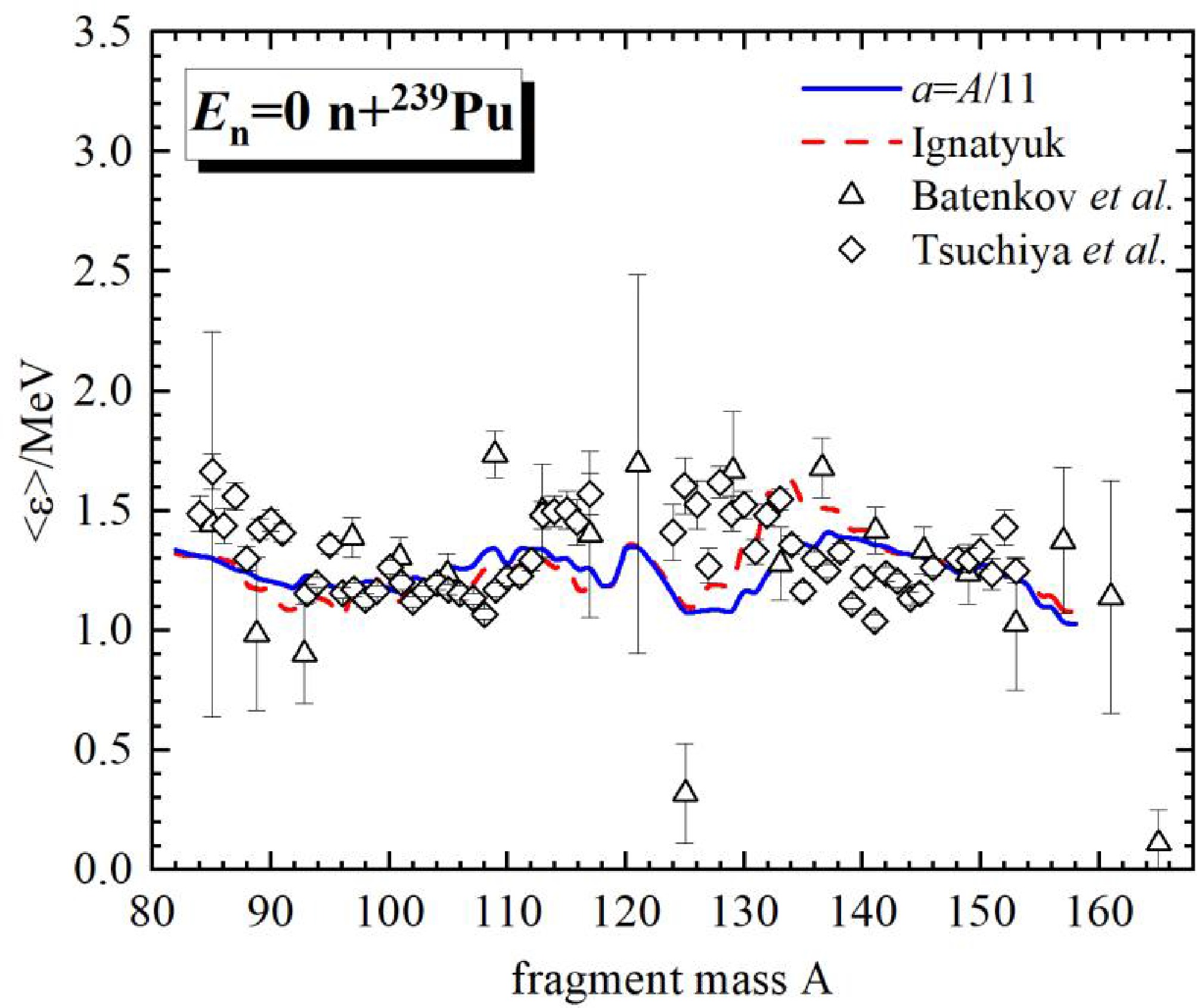
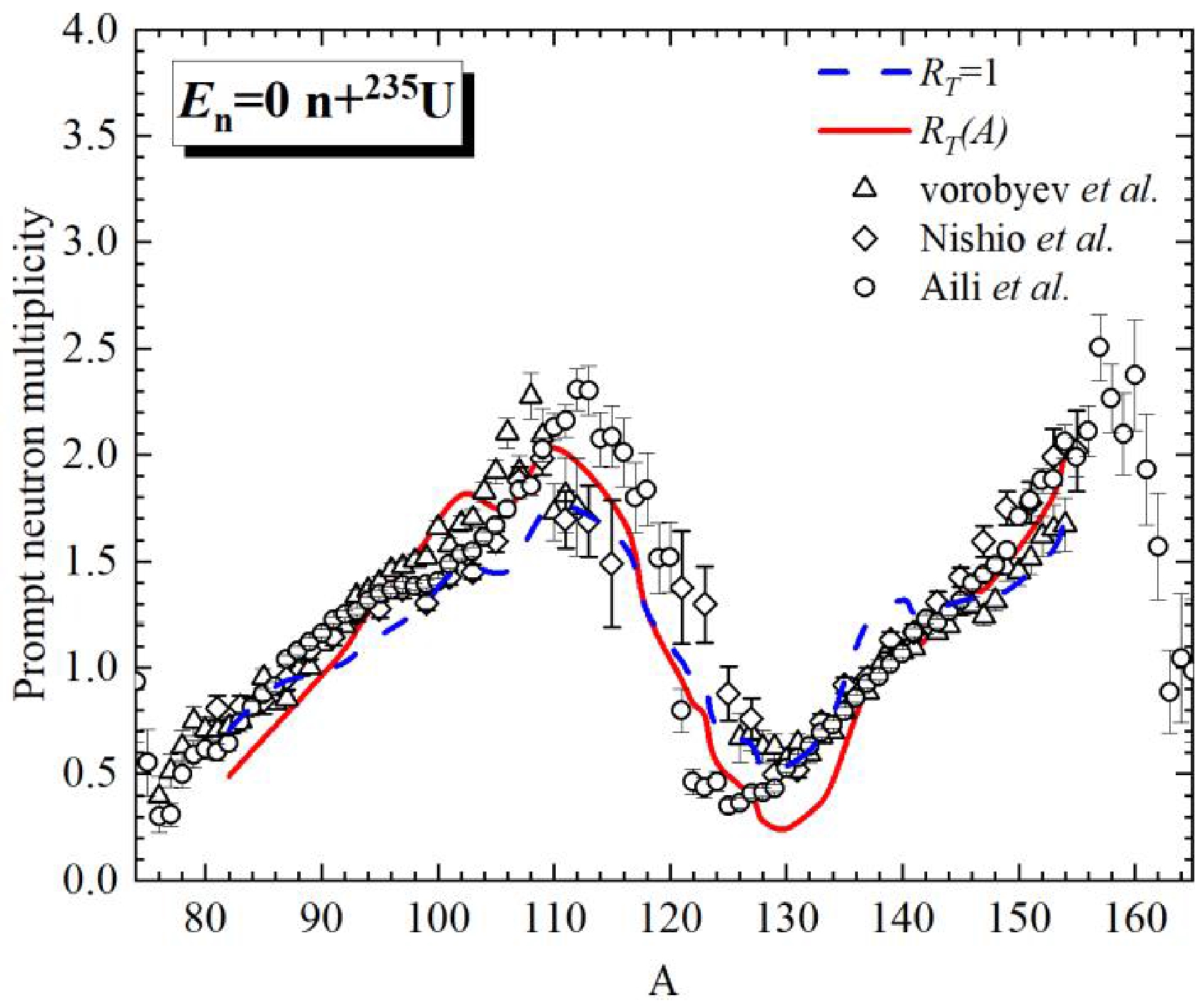
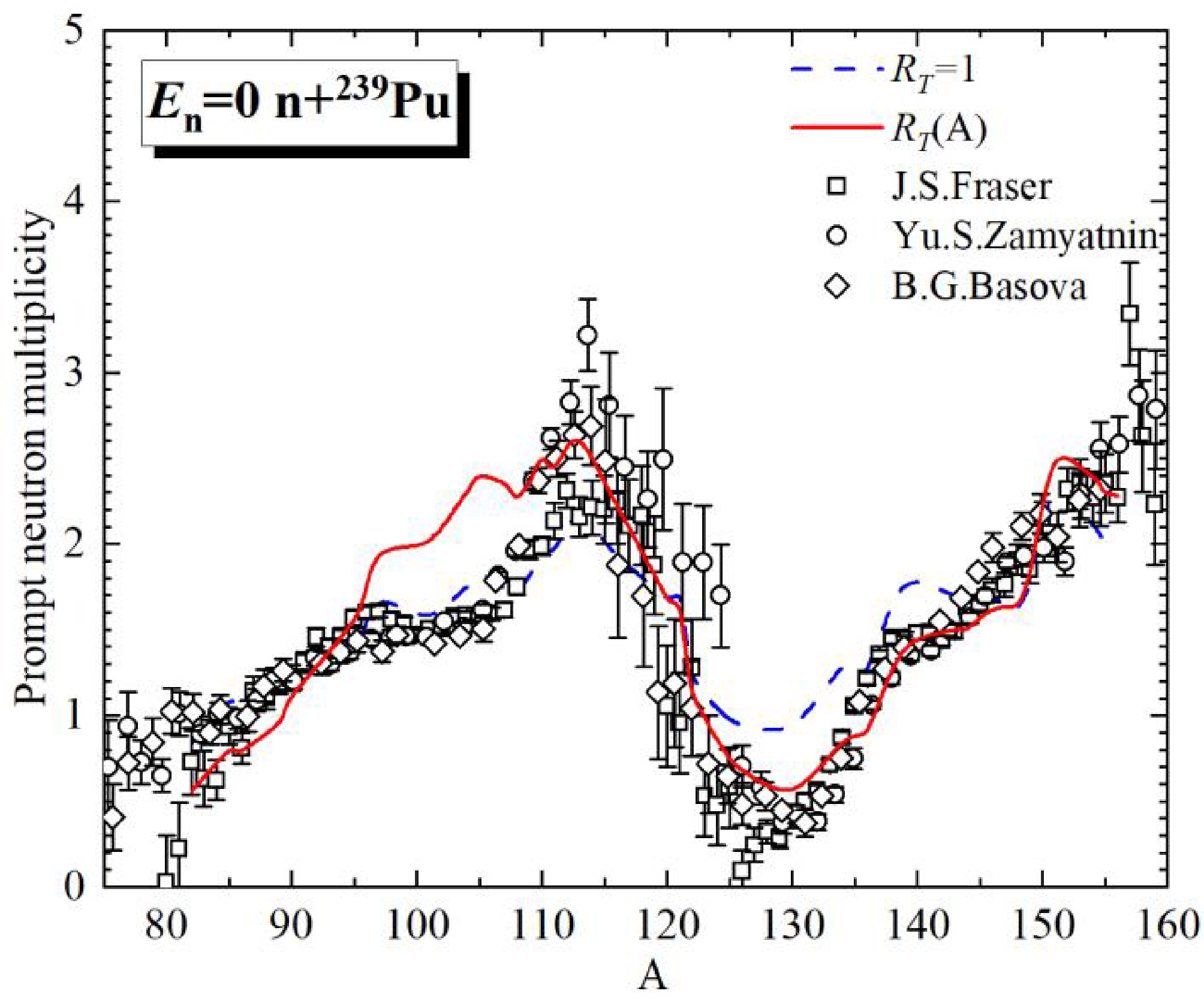
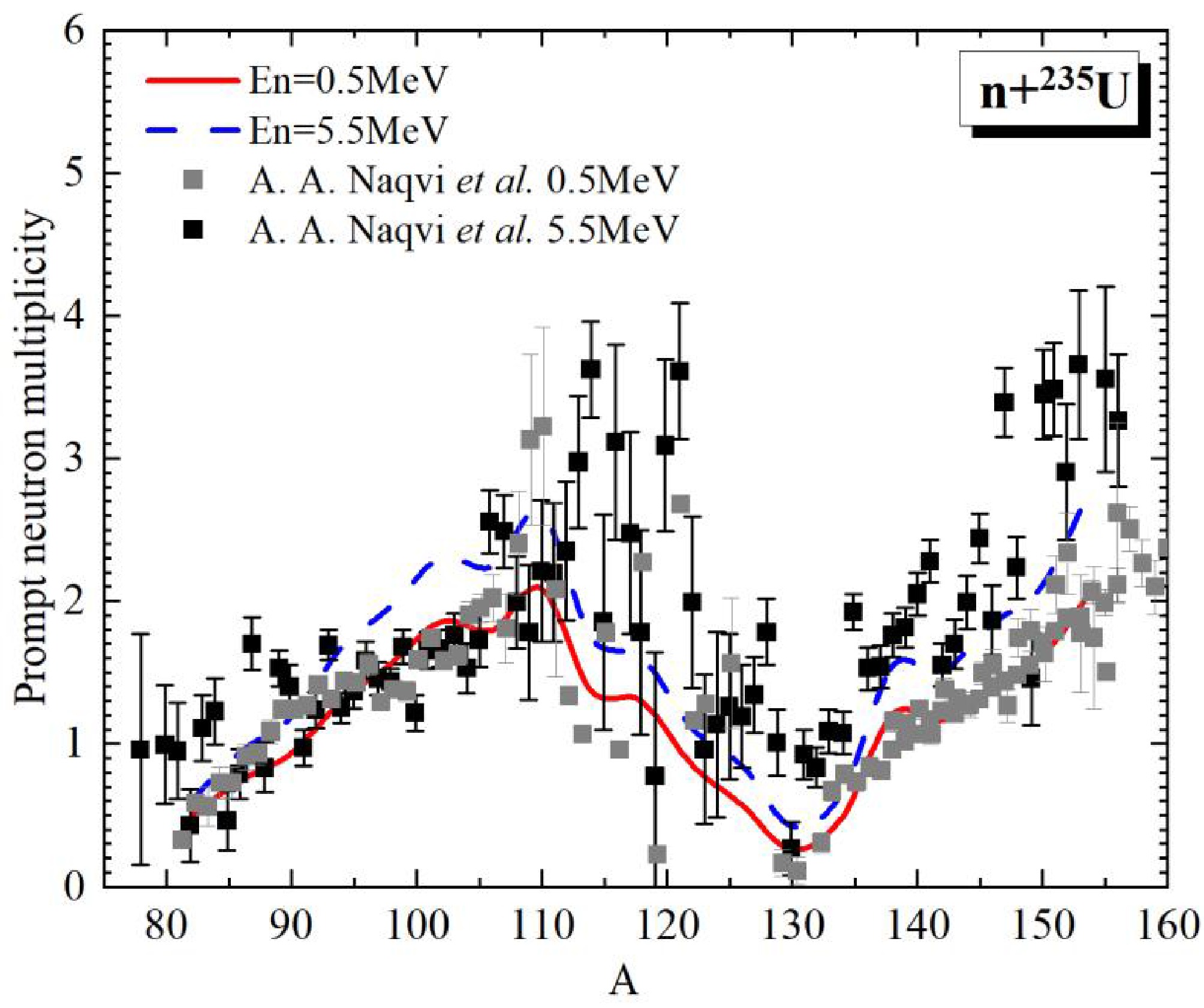
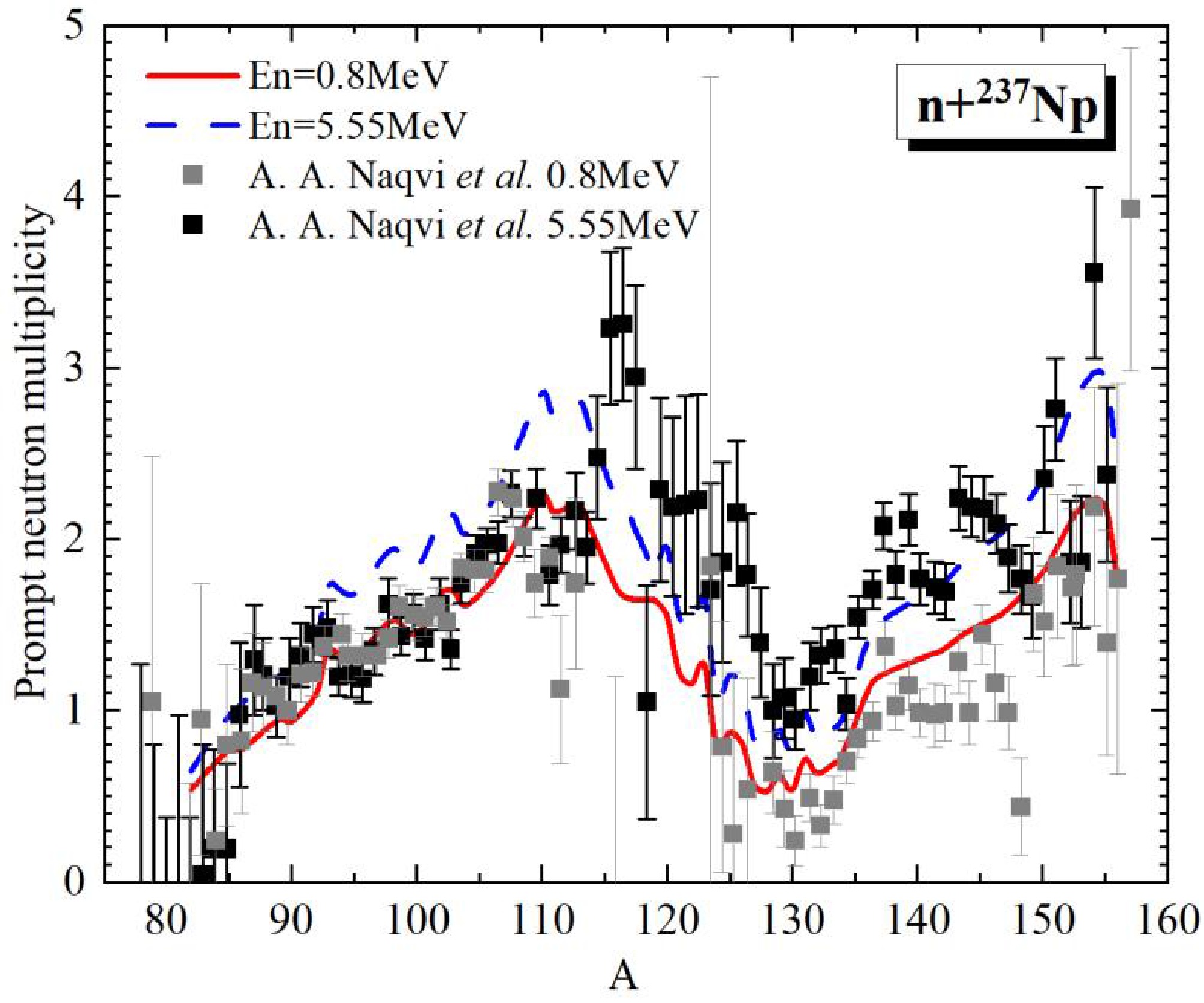
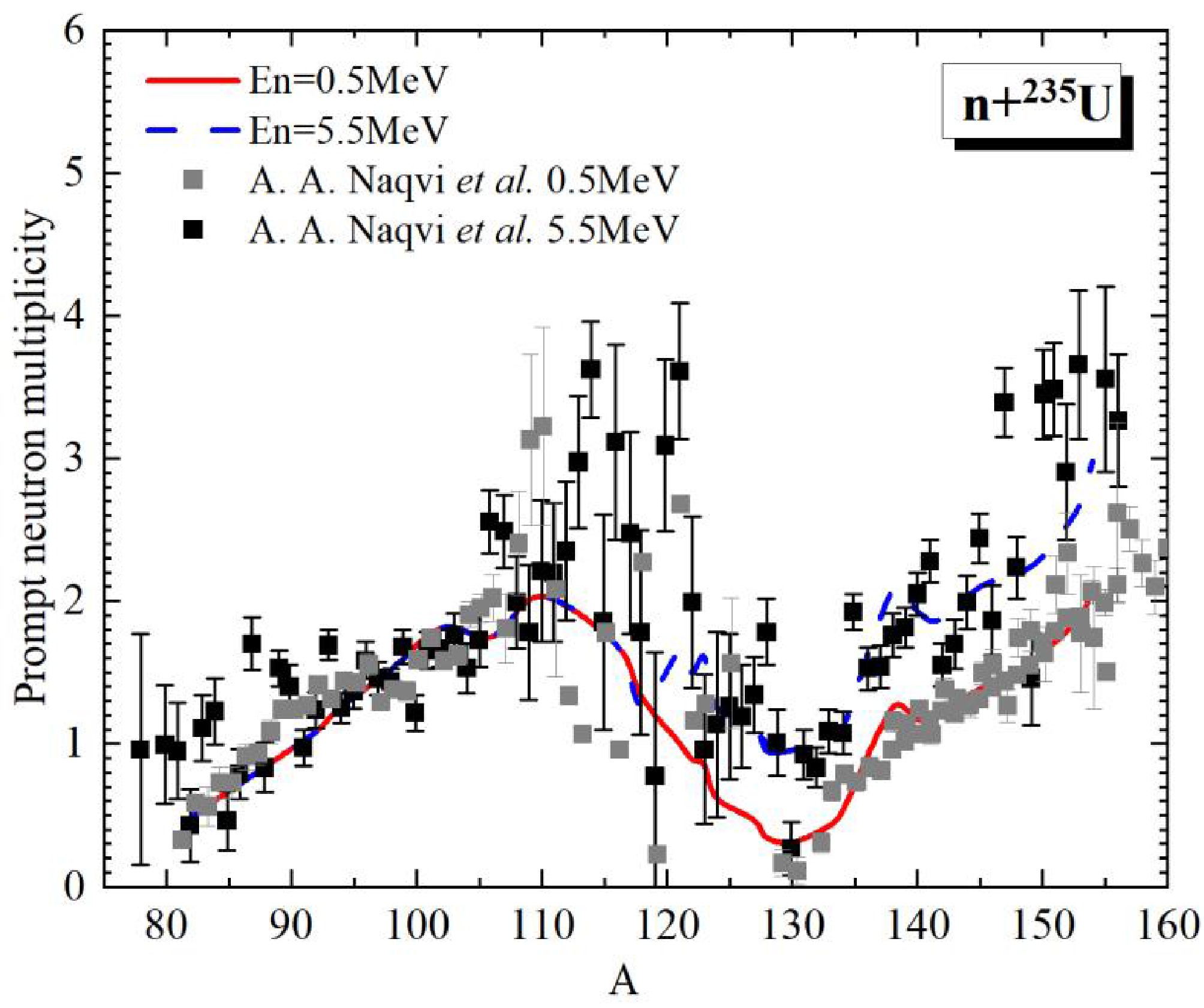
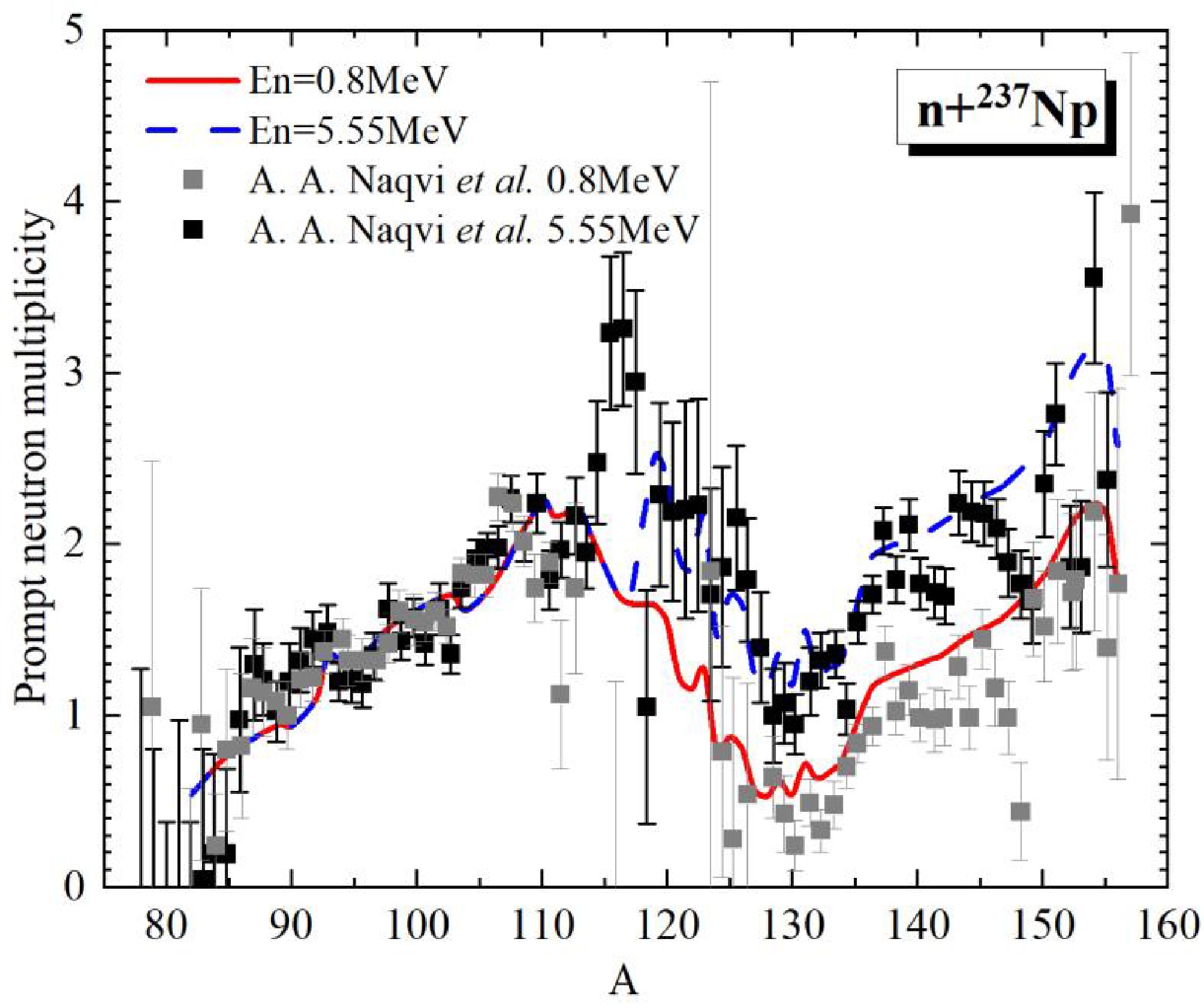
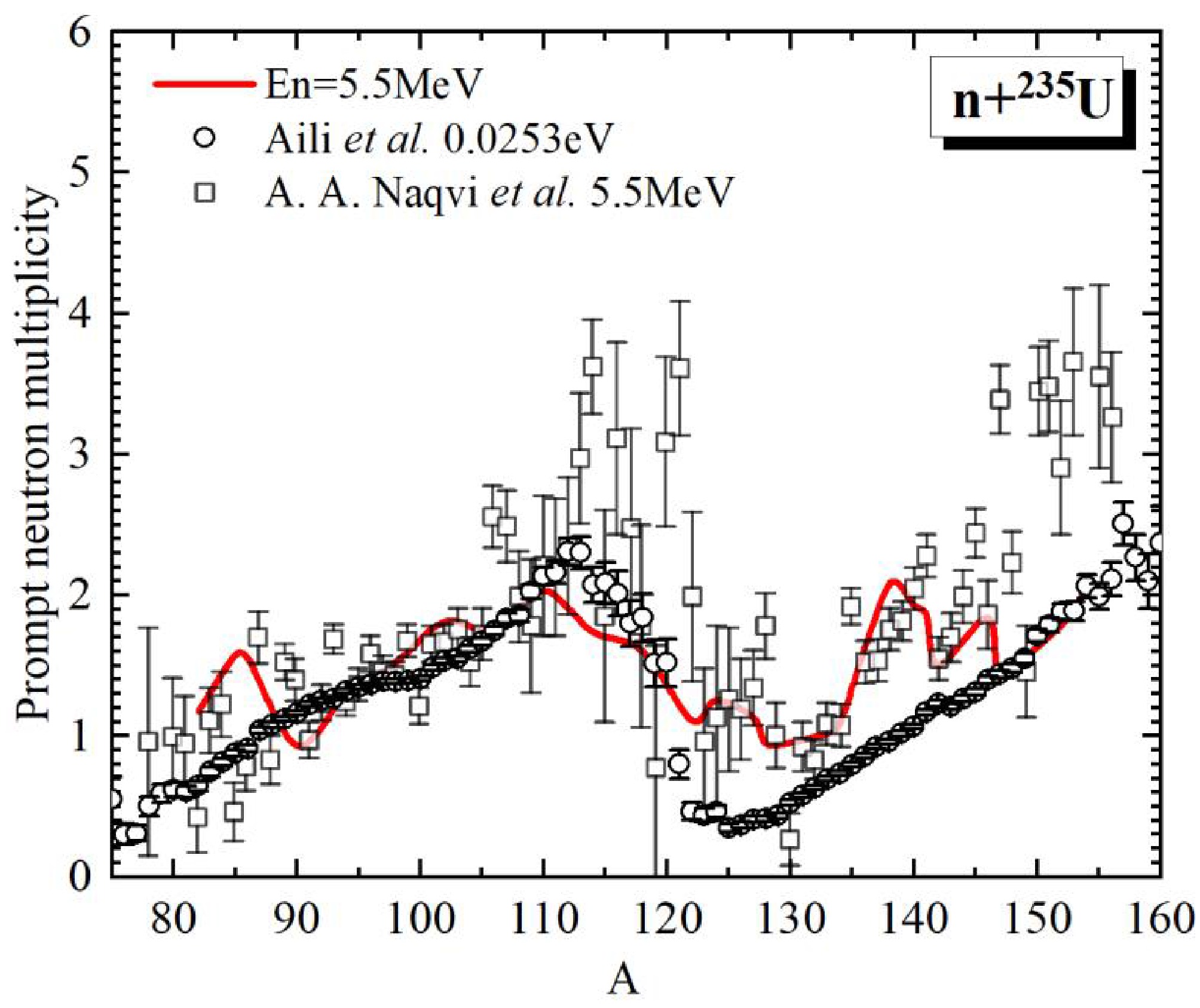
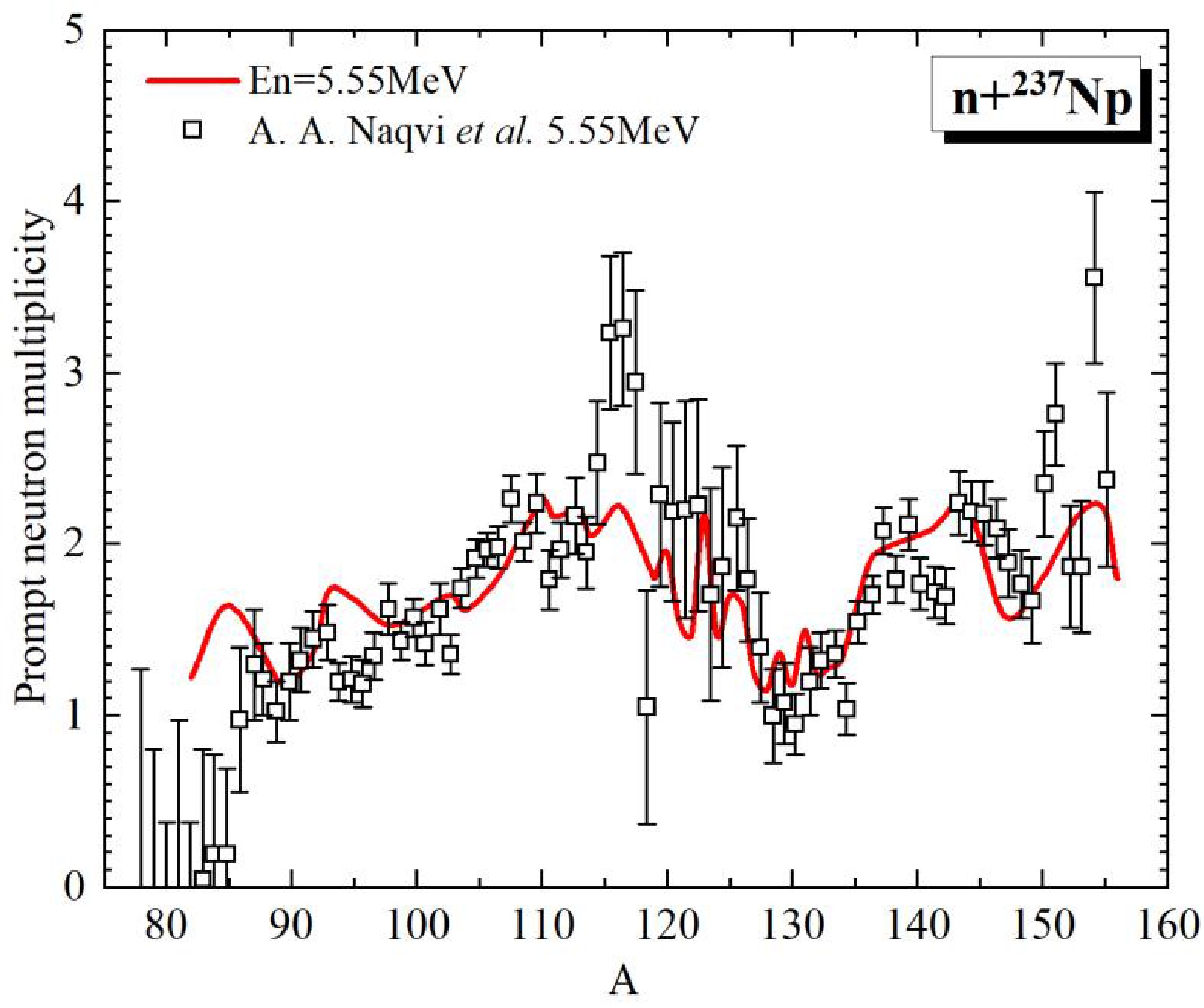
In this study, the scission point model is employed to characterize the configuration of the dinuclear system at the scission point, thereby enabling determination of the intrinsic excitation energy at which the system separates during fission. Following the full acceleration of the fragments and the relaxation of their shapes to equilibrium, a sustained neutron evaporation process was calculated using the statistical evaporation model. This allowed for the derivation of the average neutron multiplicity as a function of fission fragment mass, including its dependence on the initial excitation energy of the compound nucleus. The extent of agreement between theoretical predictions and experimental measurements provides insight into the excitation energy partition among the fragments at the scission point.
In this study, the scission point model is employed to characterize the configuration of the dinuclear system at the scission point, thereby enabling determination of the intrinsic excitation energy at which the system separates during fission. Following the full acceleration of the fragments and the relaxation of their shapes to equilibrium, a sustained neutron evaporation process was calculated using the statistical evaporation model. This allowed for the derivation of the average neutron multiplicity as a function of fission fragment mass, including its dependence on the initial excitation energy of the compound nucleus. The extent of agreement between theoretical predictions and experimental measurements provides insight into the excitation energy partition among the fragments at the scission point.
2026, 50(9): 095101. doi: 10.1088/1674-1137/ae740c
Abstract:
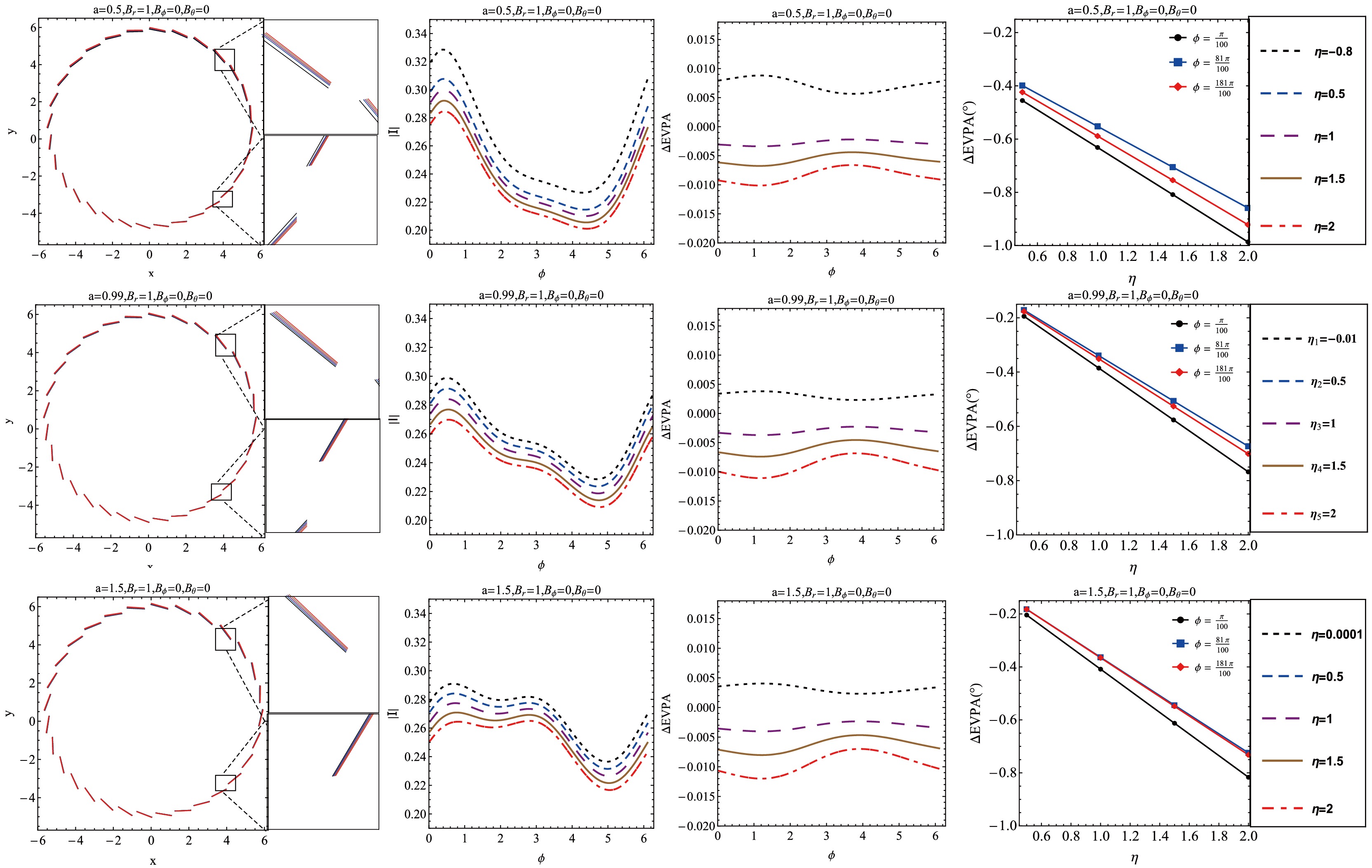
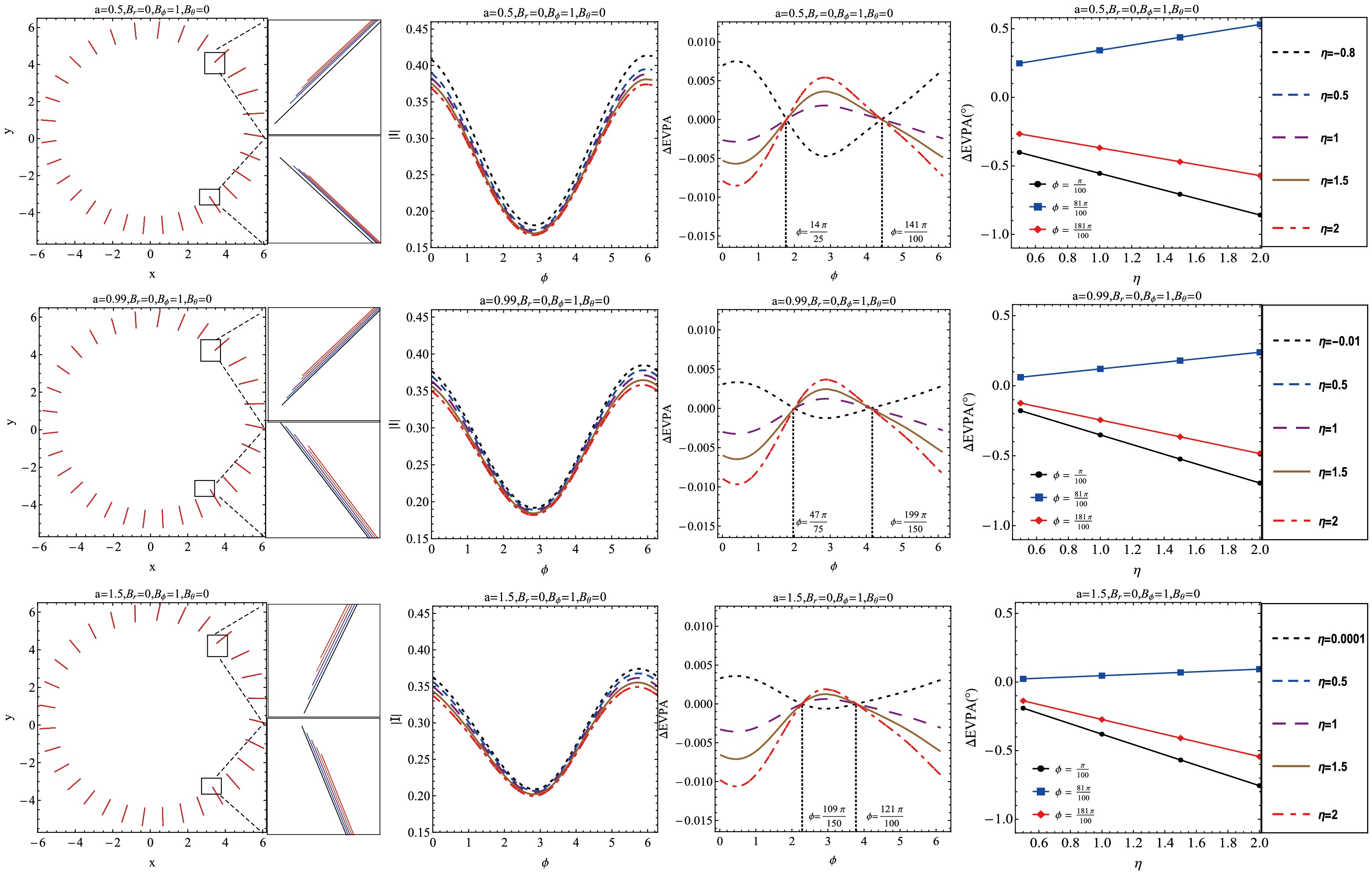
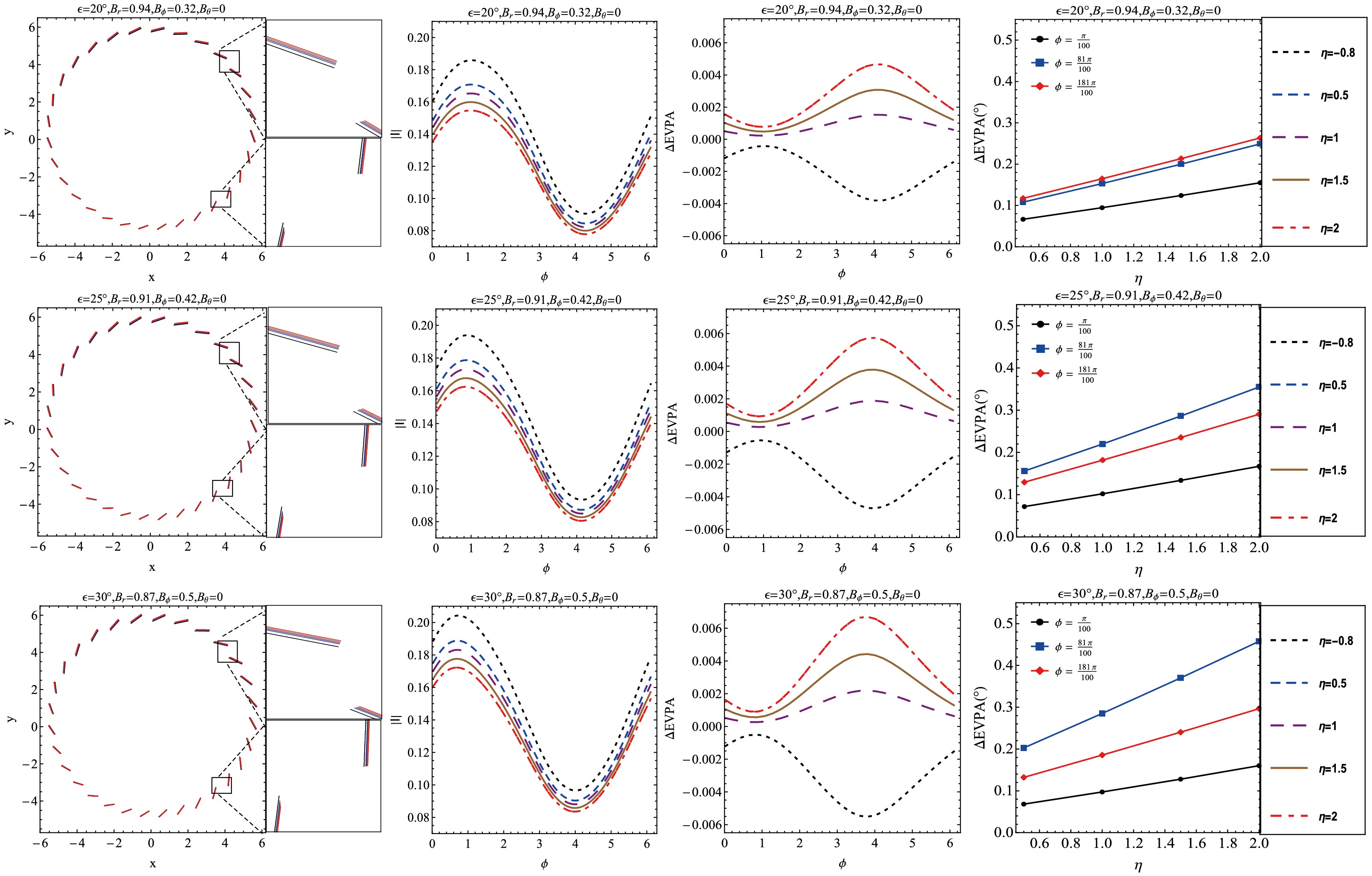
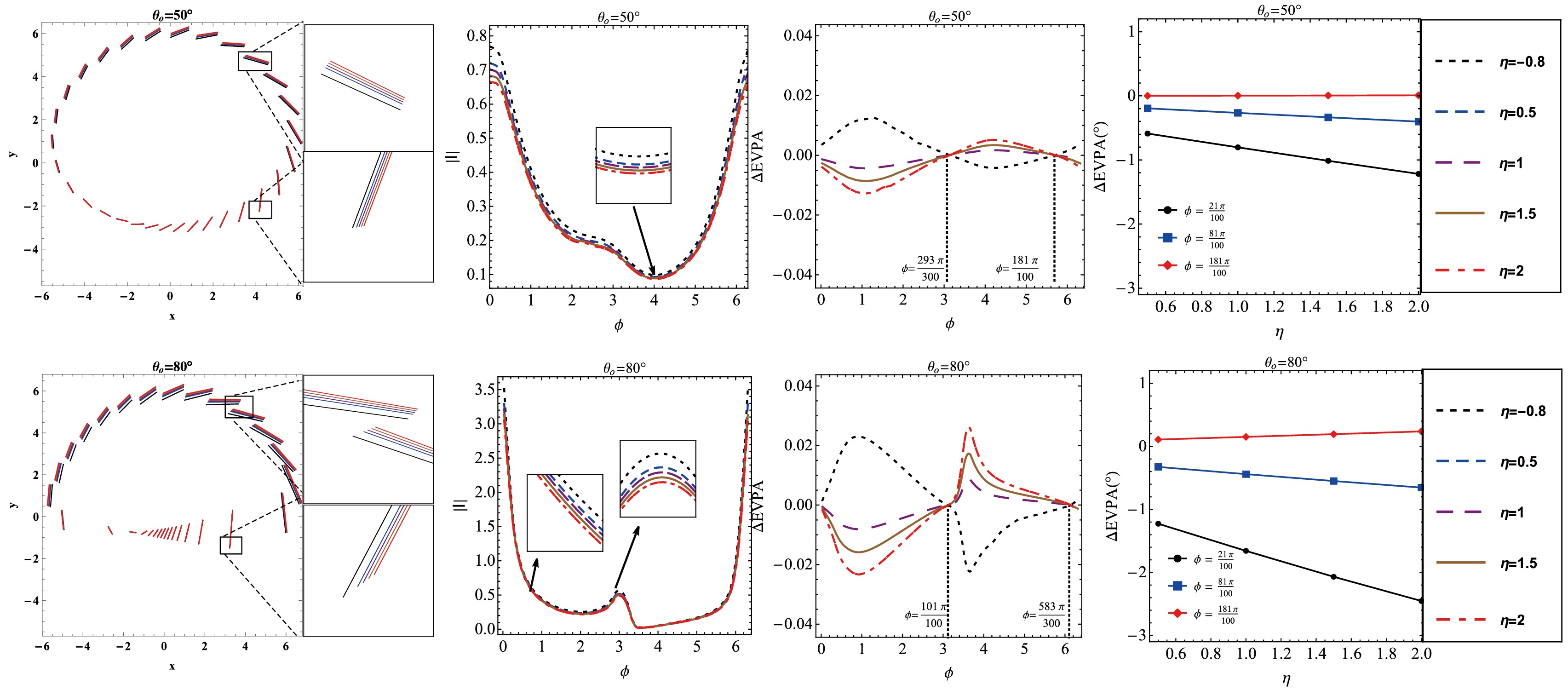
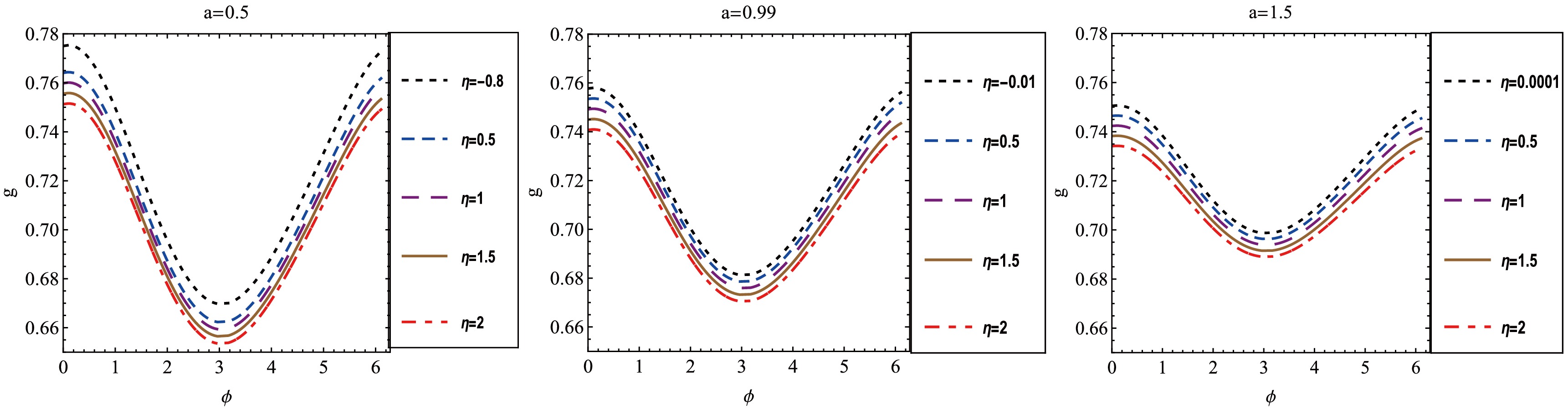
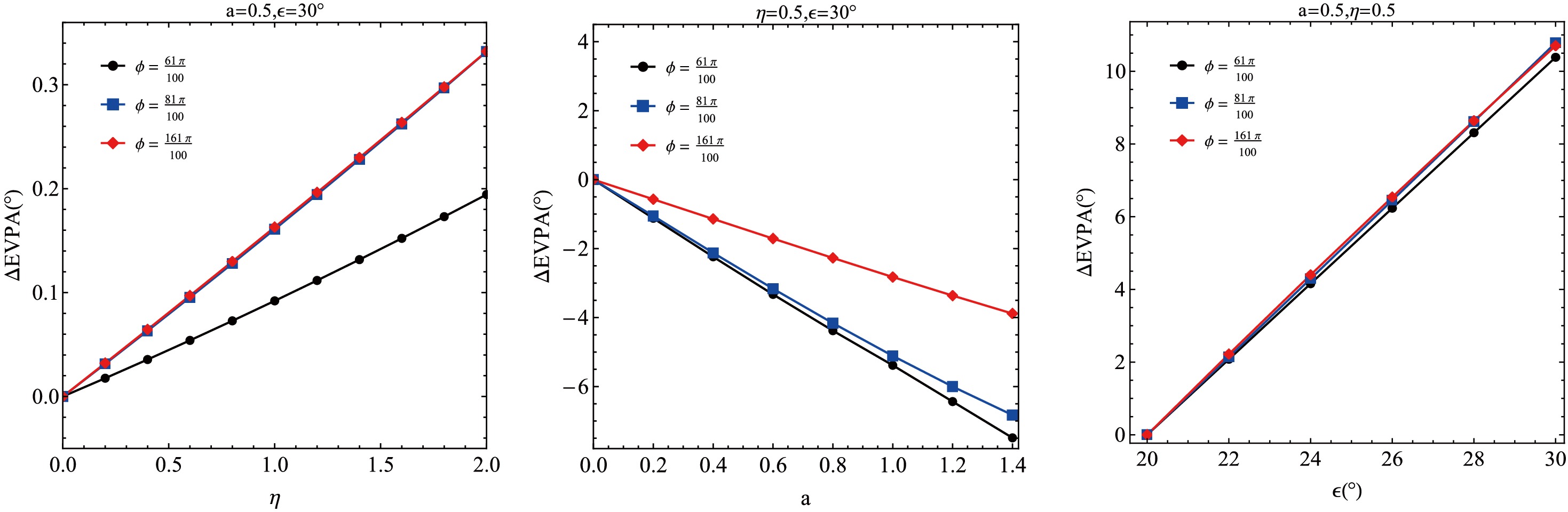
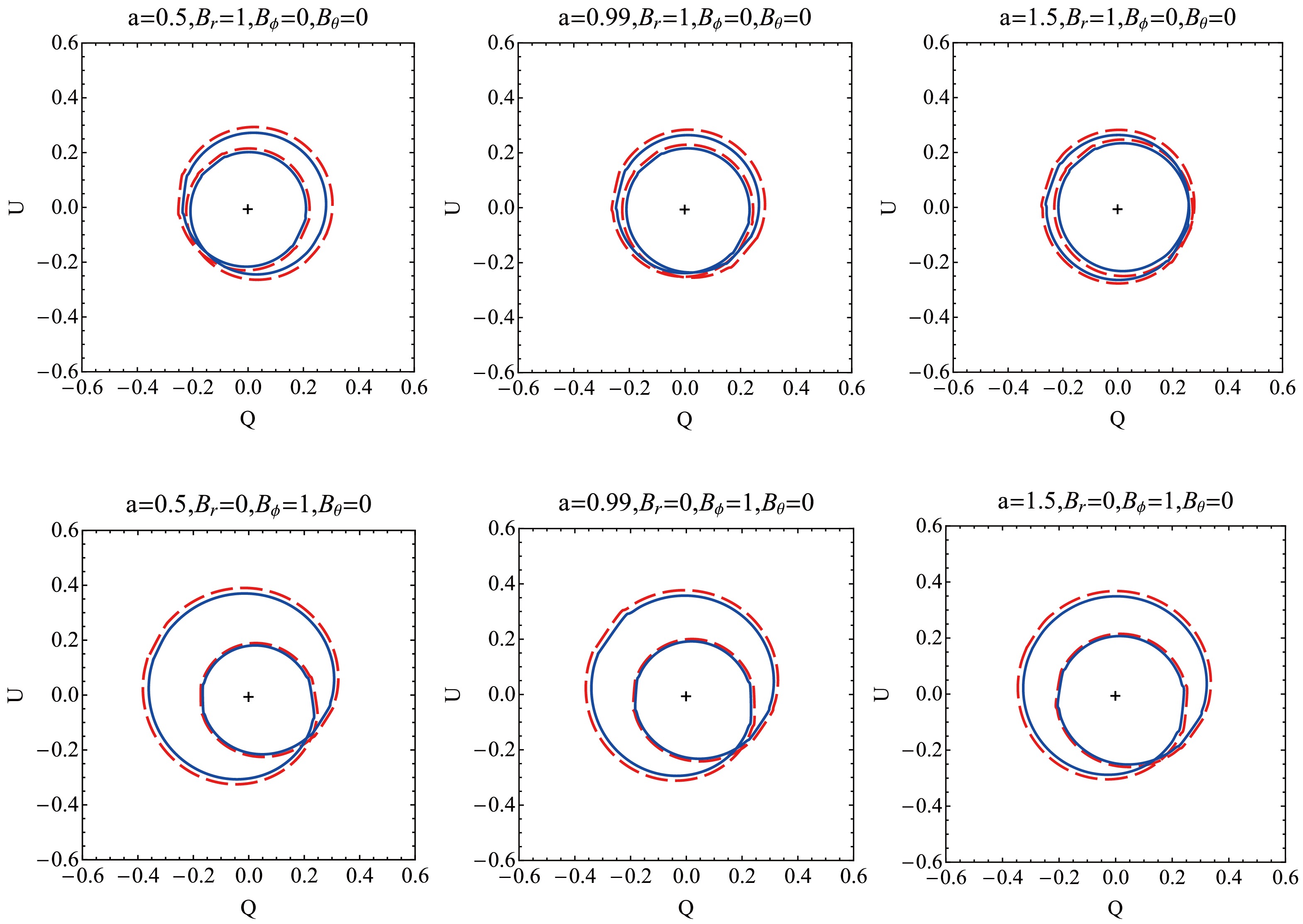
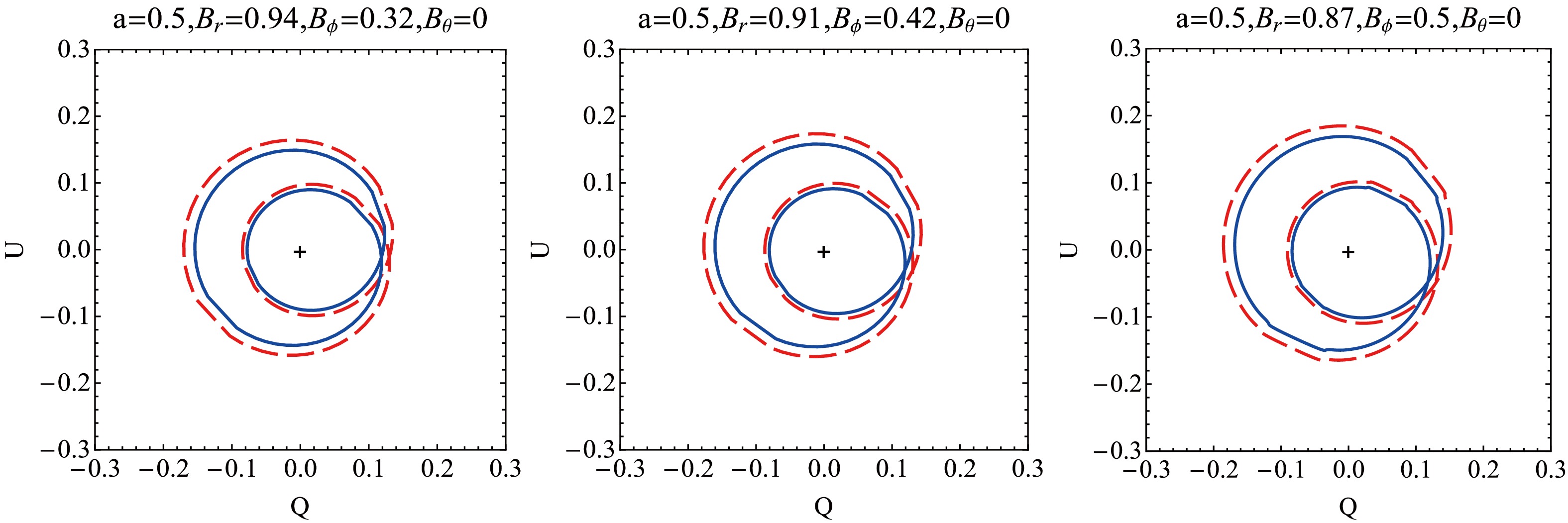
We investigate the polarized images of an equatorial emitting ring around a rotating Konoplya-Zhidenko non-Kerr black hole, which incorporates an additional deformation parameter. This deformation parameter, η, permits the spin parameter to exceed the upper bound imposed by the standard Kerr black hole. Our results indicate that the polarized images depend not only on the magnetic field configuration, fluid velocity, and observer inclination angle, but also on the spin and deformation parameters. As the deformation parameter increases, the polarization intensity decreases monotonically. Conversely, the magnitude of the Electric Vector Position Angle (EVPA) increases with η. Furthermore, we observe that η may induce subtle yet discernible azimuthal separation features, potentially distinguishing its effects from those of the spin parameter and the magnetic field orientation angle. Nevertheless, these features remain difficult to resolve under current observational conditions and will require verification by future high-resolution facilities such as the next-generation Event Horizon Telescope (ngEHT).
We investigate the polarized images of an equatorial emitting ring around a rotating Konoplya-Zhidenko non-Kerr black hole, which incorporates an additional deformation parameter. This deformation parameter, η, permits the spin parameter to exceed the upper bound imposed by the standard Kerr black hole. Our results indicate that the polarized images depend not only on the magnetic field configuration, fluid velocity, and observer inclination angle, but also on the spin and deformation parameters. As the deformation parameter increases, the polarization intensity decreases monotonically. Conversely, the magnitude of the Electric Vector Position Angle (EVPA) increases with η. Furthermore, we observe that η may induce subtle yet discernible azimuthal separation features, potentially distinguishing its effects from those of the spin parameter and the magnetic field orientation angle. Nevertheless, these features remain difficult to resolve under current observational conditions and will require verification by future high-resolution facilities such as the next-generation Event Horizon Telescope (ngEHT).
2026, 50(9): 095102. doi: 10.1088/1674-1137/ae7706
Abstract:
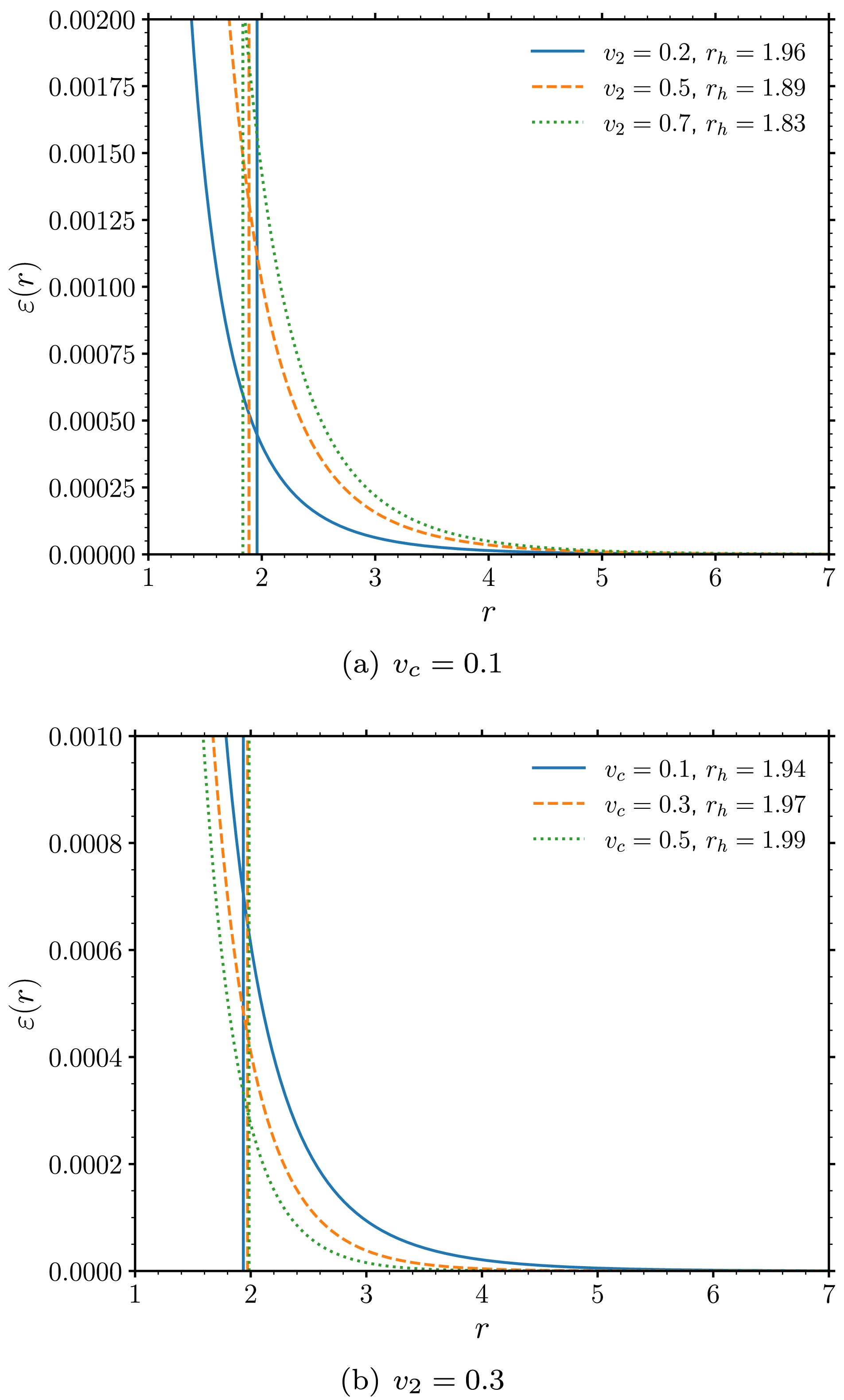
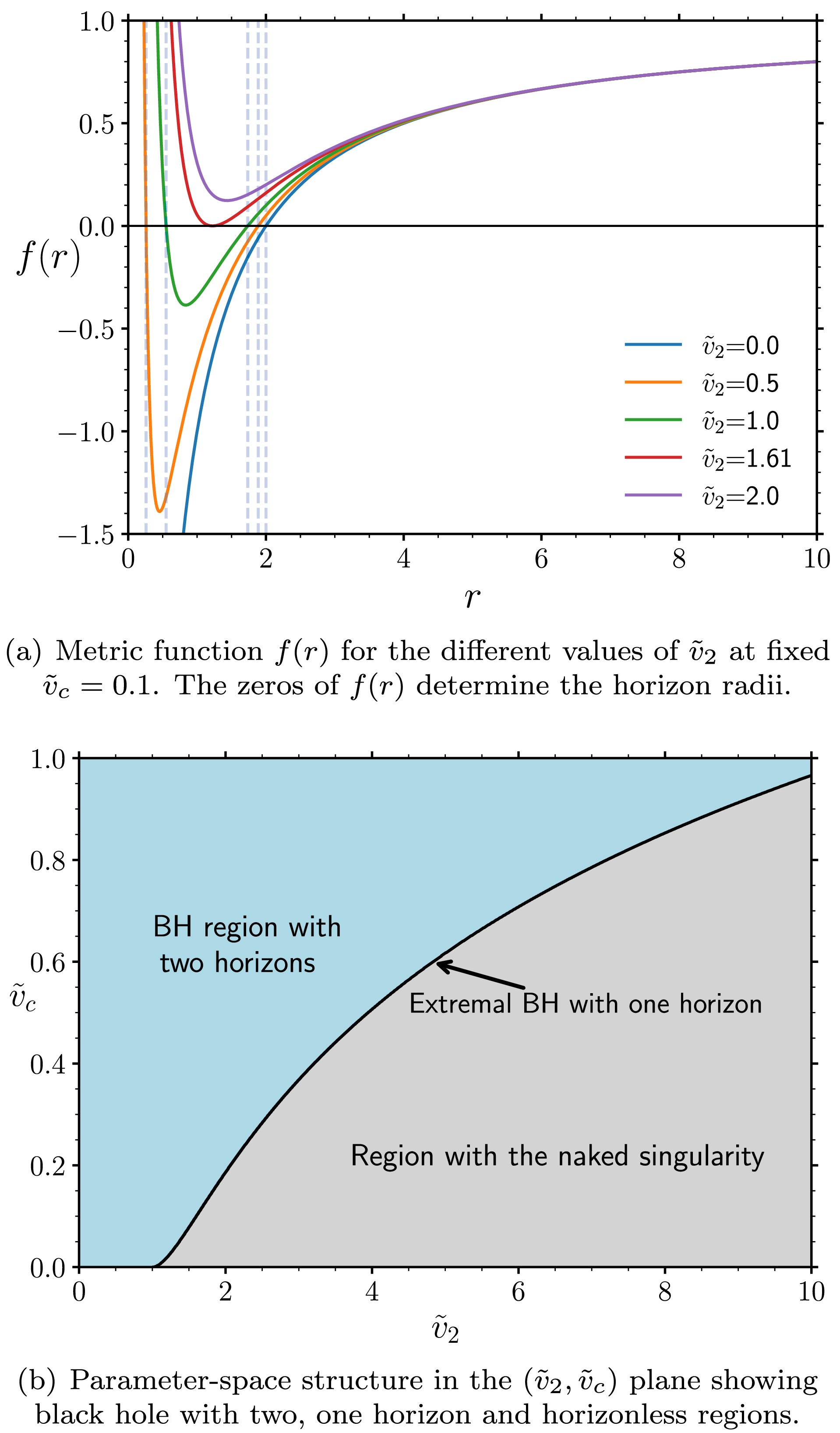
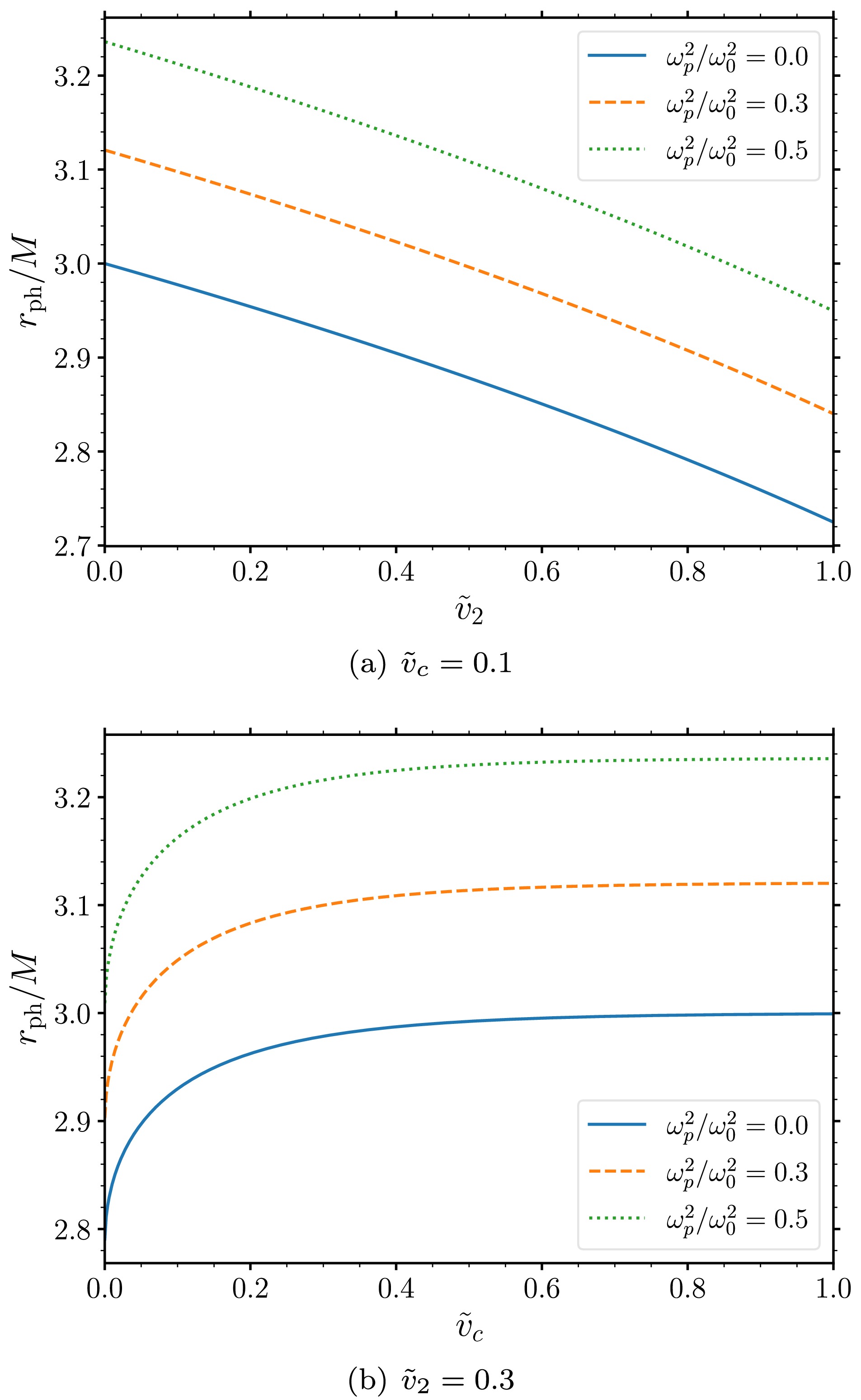
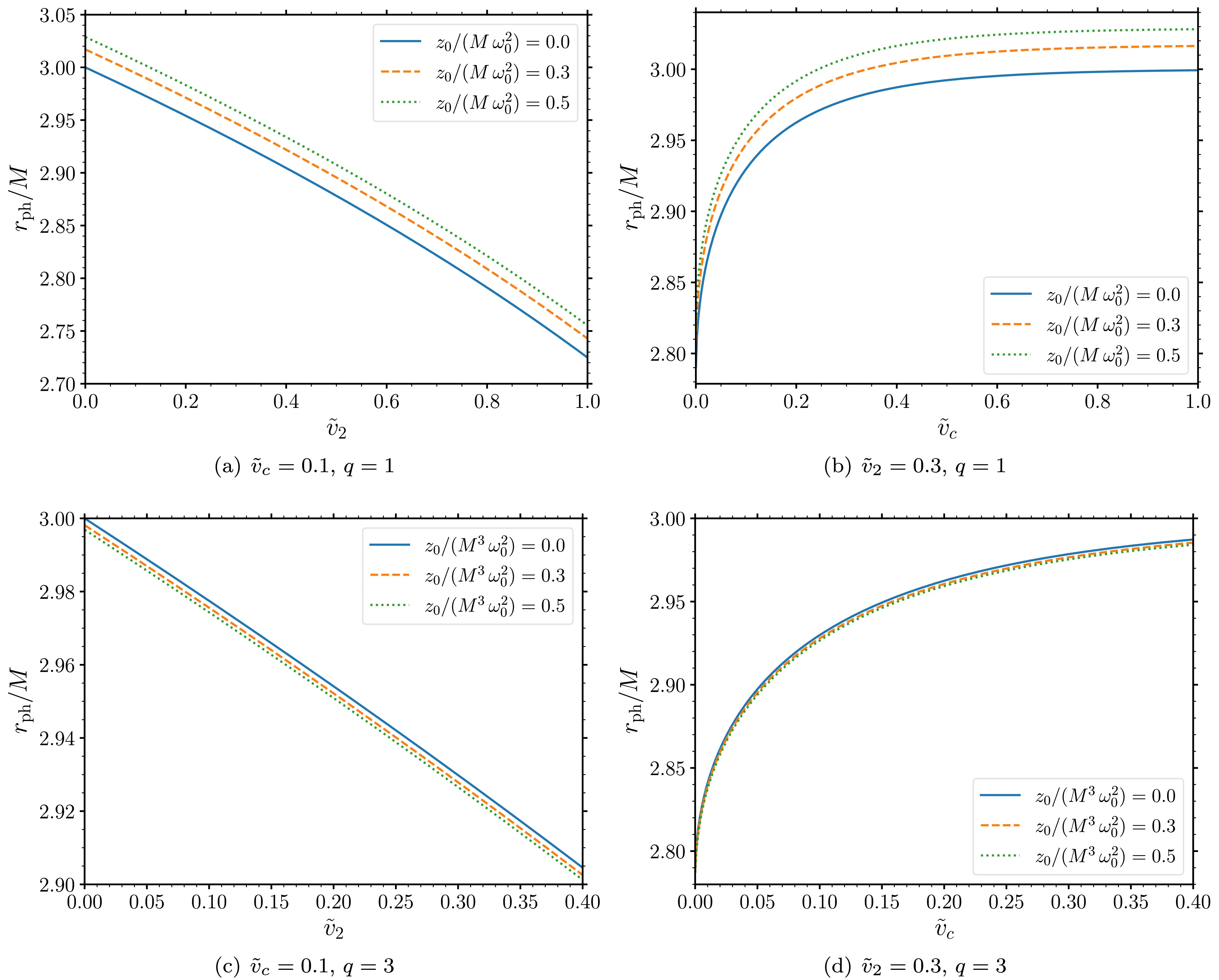
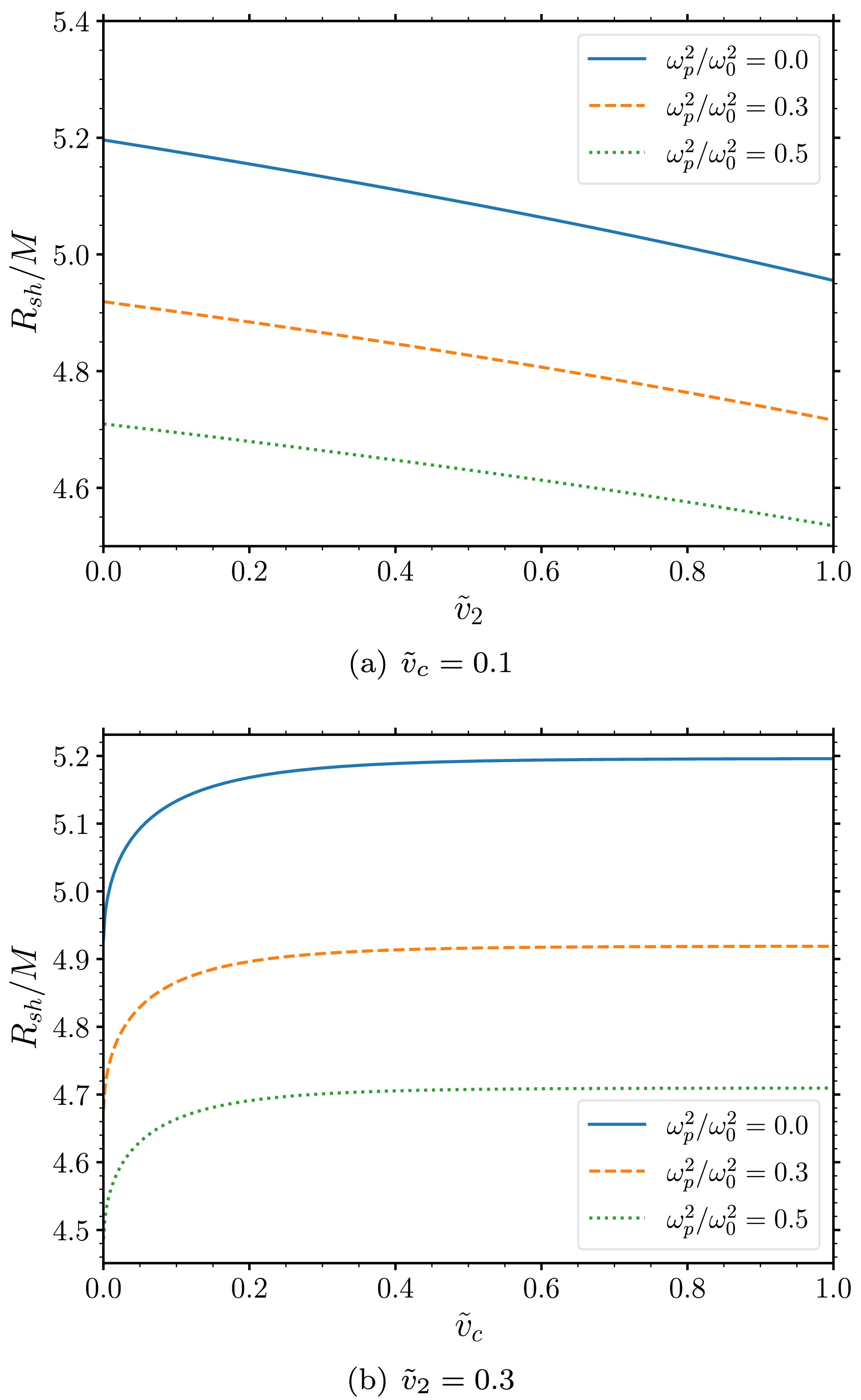
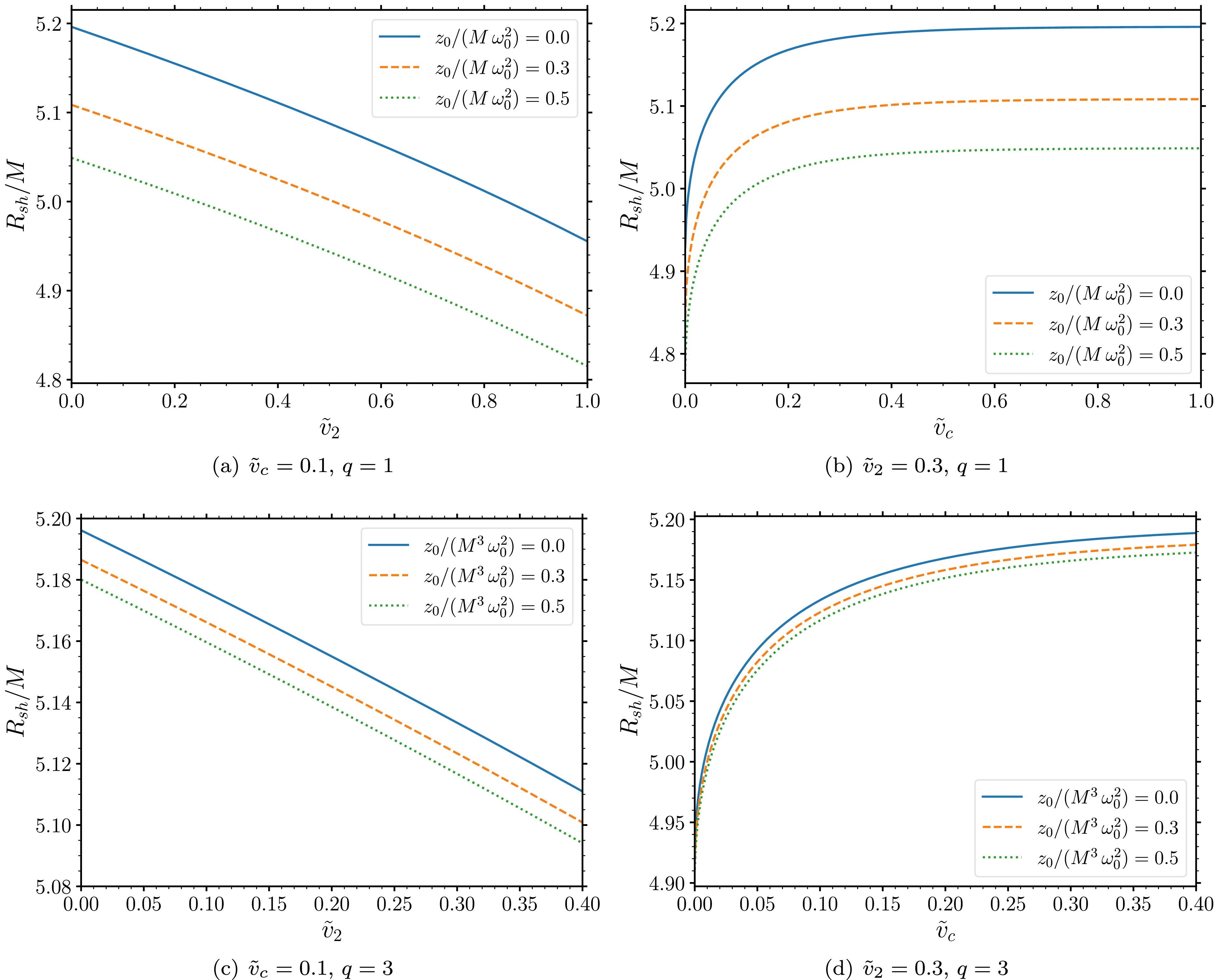
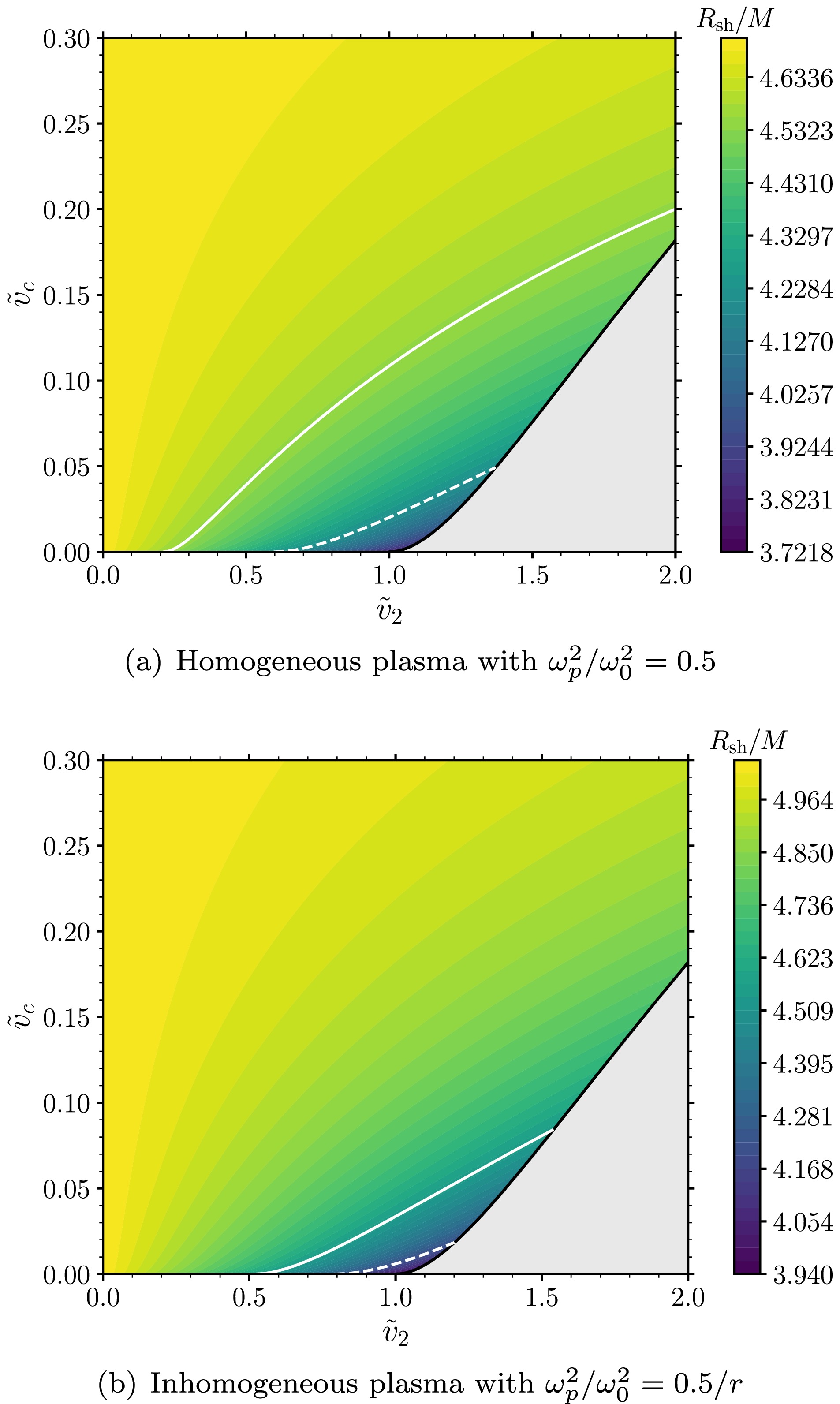
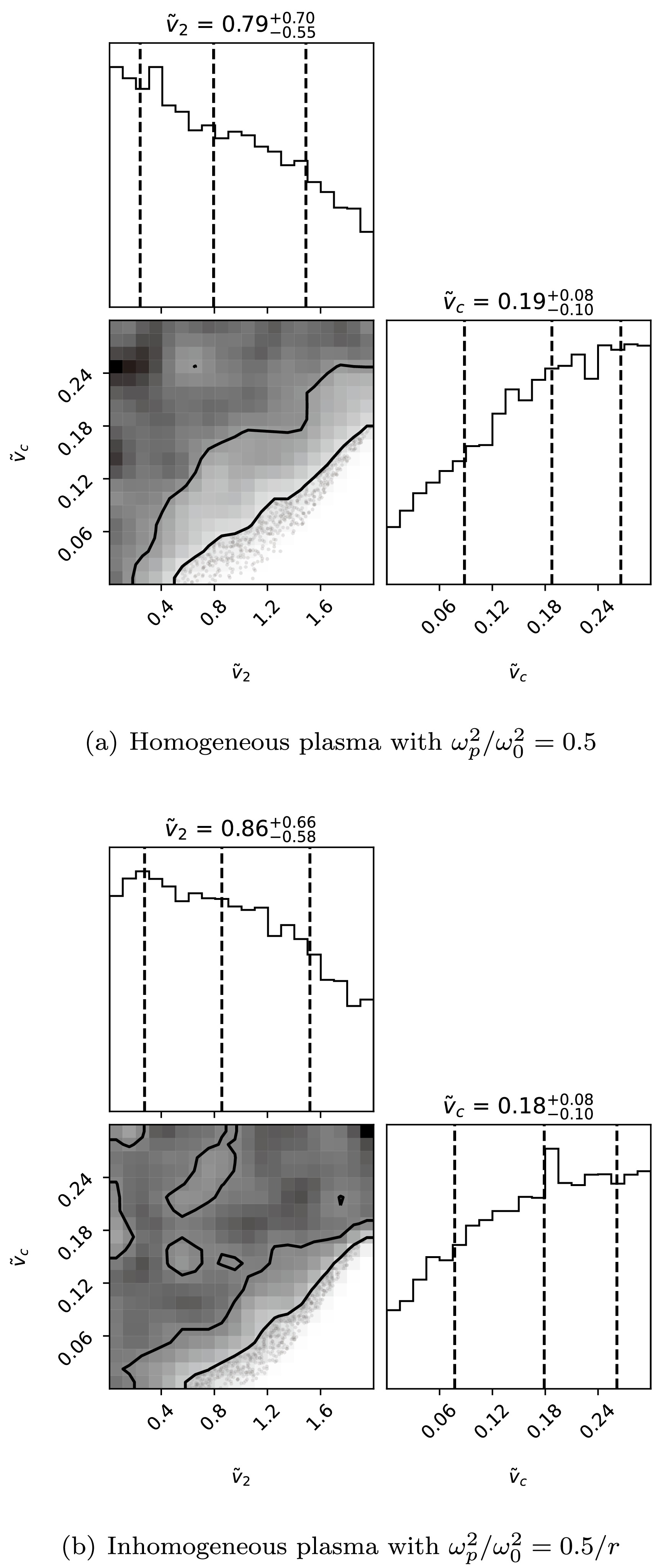
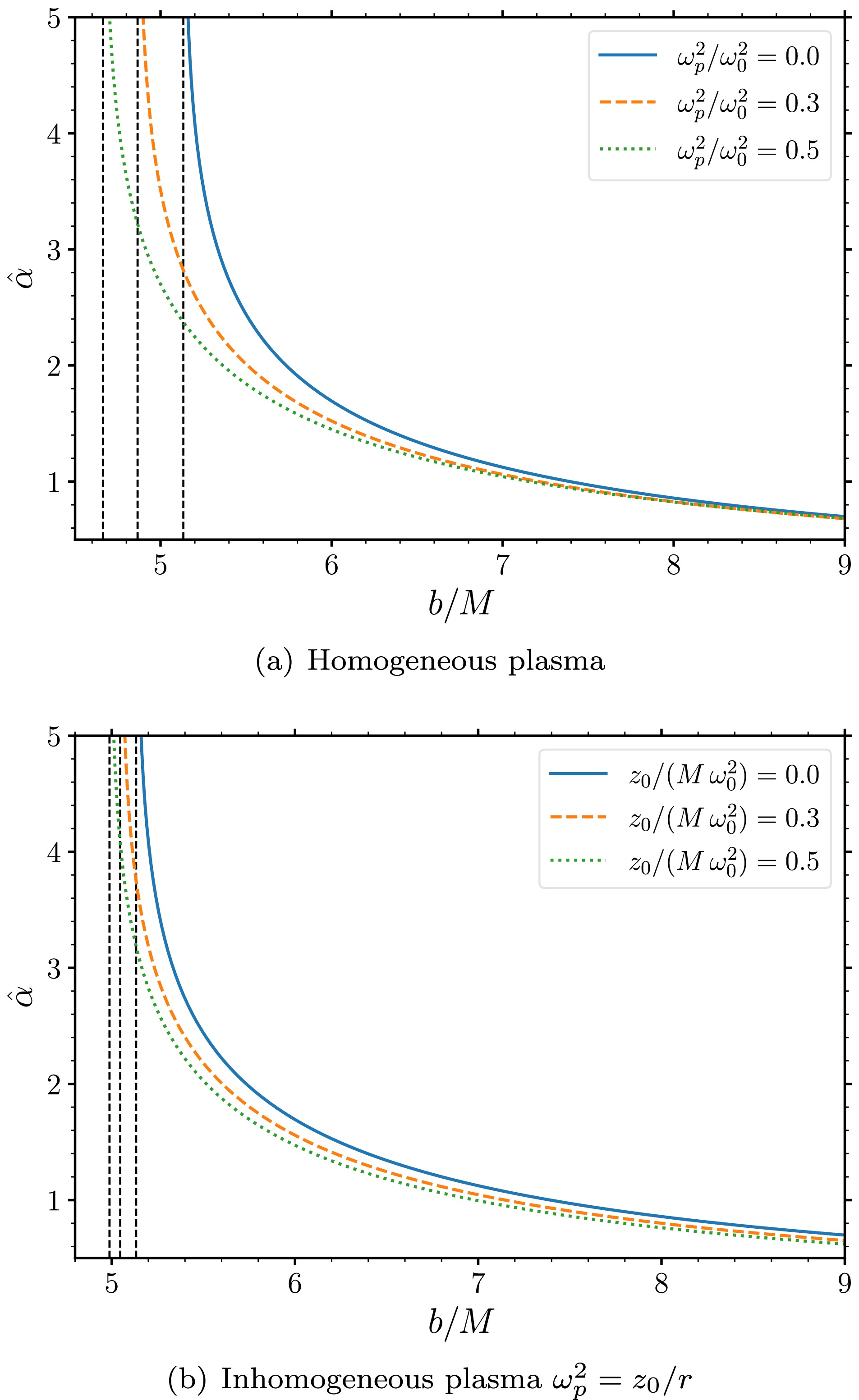
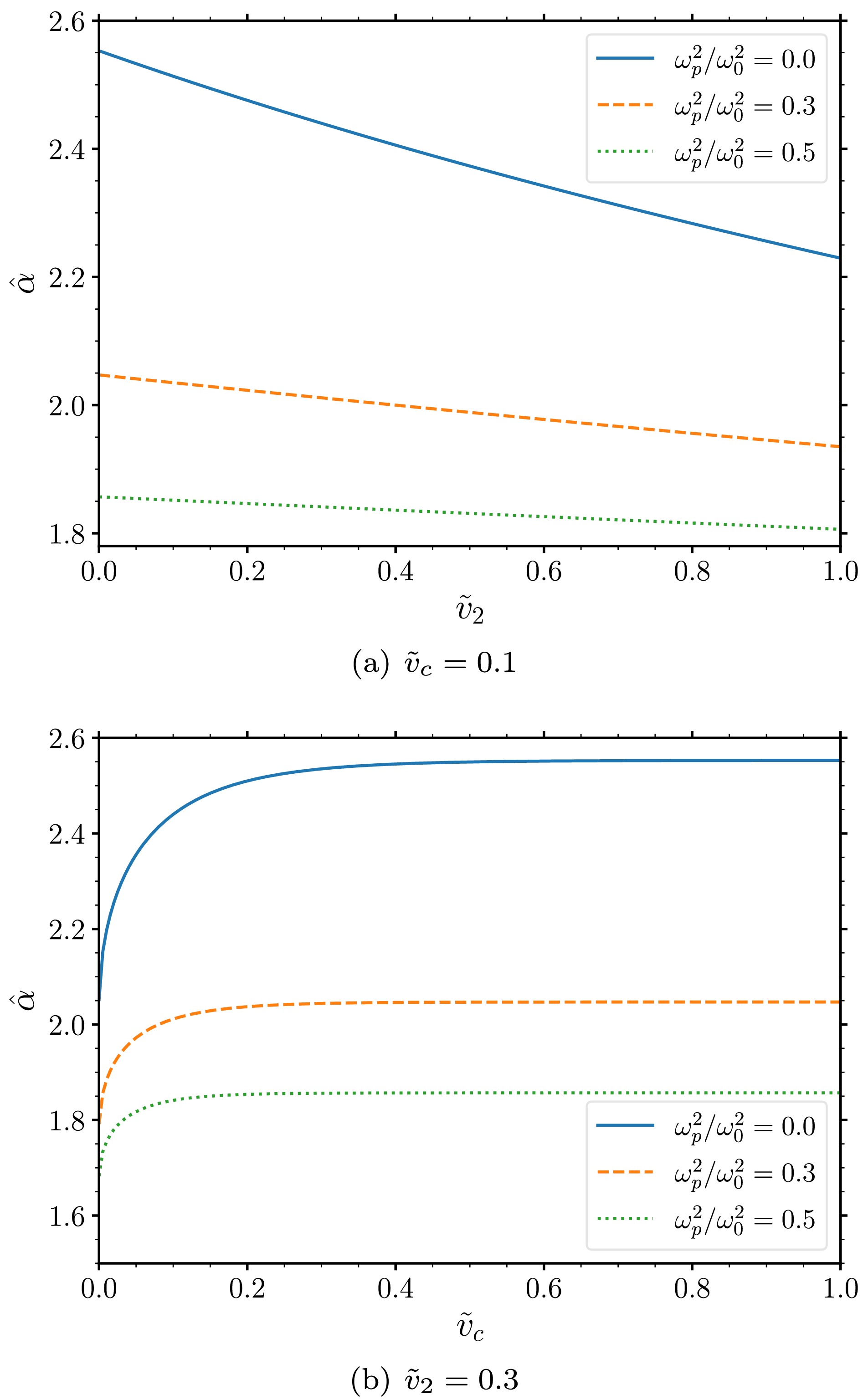
We study strong gravitational lensing and black hole shadow in a static, spherically symmetric spacetime sourced by anisotropic matter with exponentially decaying hair, in the presence of a non-magnetized plasma. The geometry is characterized by deformation parameters\begin{document}$\tilde{v}_2$\end{document} \begin{document}$\tilde{v}_c$\end{document} \begin{document}$\tilde{v}_2$\end{document} \begin{document}$\tilde{v}_c$\end{document}
We study strong gravitational lensing and black hole shadow in a static, spherically symmetric spacetime sourced by anisotropic matter with exponentially decaying hair, in the presence of a non-magnetized plasma. The geometry is characterized by deformation parameters
2026, 50(9): 095103. doi: 10.1088/1674-1137/ae7960
Abstract:
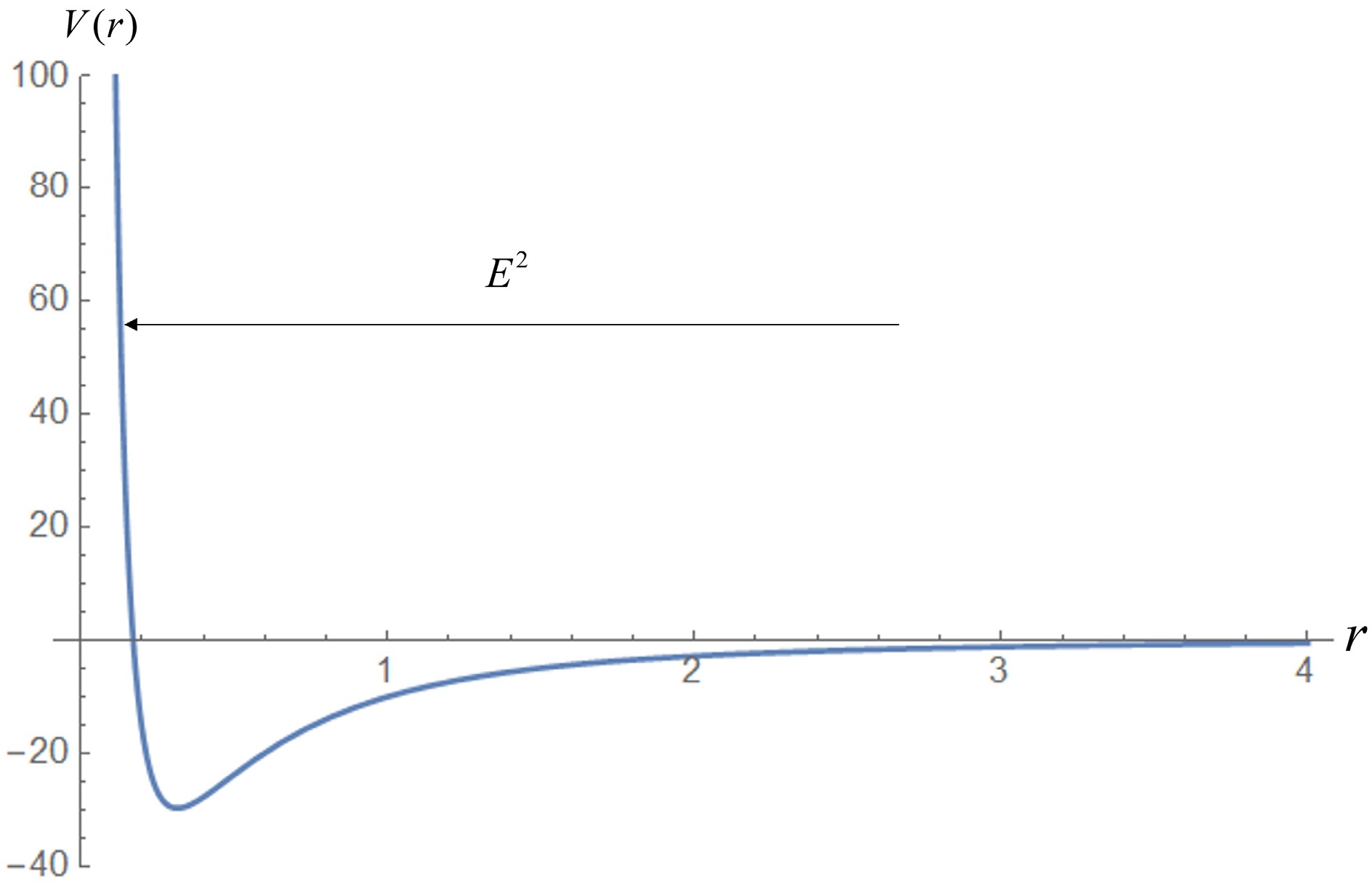
We report new findings on the subtle relationships among geodesic completeness, curvature singularities, and tidal forces. It is well known that particles may encounter infinite tidal forces near a black hole singularity. However, we find that singularities are not the only source of tidal-force divergence. Even on the surface of the Earth, the tidal force experienced by a particle can become arbitrarily large if the particle moves arbitrarily close to the speed of light in a nonradial direction. For fixed particle energy, the maximum tidal acceleration occurs for motion parallel to the surface with separation vectors oriented radially. Recent discoveries of spacetimes in which the metric remains well defined at curvature singularities have suggested that geodesics might extend through such points. Taking into account the fact that any real particle is an extended body, we calculate the tidal force acting on a particle in a static and spherically symmetric spacetime. We explicitly show that an infinite tidal force always occurs near such a singularity. Therefore, no particle can actually reach the curvature singularity, even if the metric is well defined at that point. We also demonstrate that the tidal acceleration along a null geodesic at the coordinate origin is divergent. Finally, we examine a wormhole solution that possesses a curvature singularity at its throat and was previously asserted to be geodesically complete in the literature. However, we prove that no metric can be defined at the throat and that the spacetime is therefore geodesically incomplete.
We report new findings on the subtle relationships among geodesic completeness, curvature singularities, and tidal forces. It is well known that particles may encounter infinite tidal forces near a black hole singularity. However, we find that singularities are not the only source of tidal-force divergence. Even on the surface of the Earth, the tidal force experienced by a particle can become arbitrarily large if the particle moves arbitrarily close to the speed of light in a nonradial direction. For fixed particle energy, the maximum tidal acceleration occurs for motion parallel to the surface with separation vectors oriented radially. Recent discoveries of spacetimes in which the metric remains well defined at curvature singularities have suggested that geodesics might extend through such points. Taking into account the fact that any real particle is an extended body, we calculate the tidal force acting on a particle in a static and spherically symmetric spacetime. We explicitly show that an infinite tidal force always occurs near such a singularity. Therefore, no particle can actually reach the curvature singularity, even if the metric is well defined at that point. We also demonstrate that the tidal acceleration along a null geodesic at the coordinate origin is divergent. Finally, we examine a wormhole solution that possesses a curvature singularity at its throat and was previously asserted to be geodesically complete in the literature. However, we prove that no metric can be defined at the throat and that the spacetime is therefore geodesically incomplete.
2026, 50(9): 095104. doi: 10.1088/1674-1137/ae836d
Abstract:
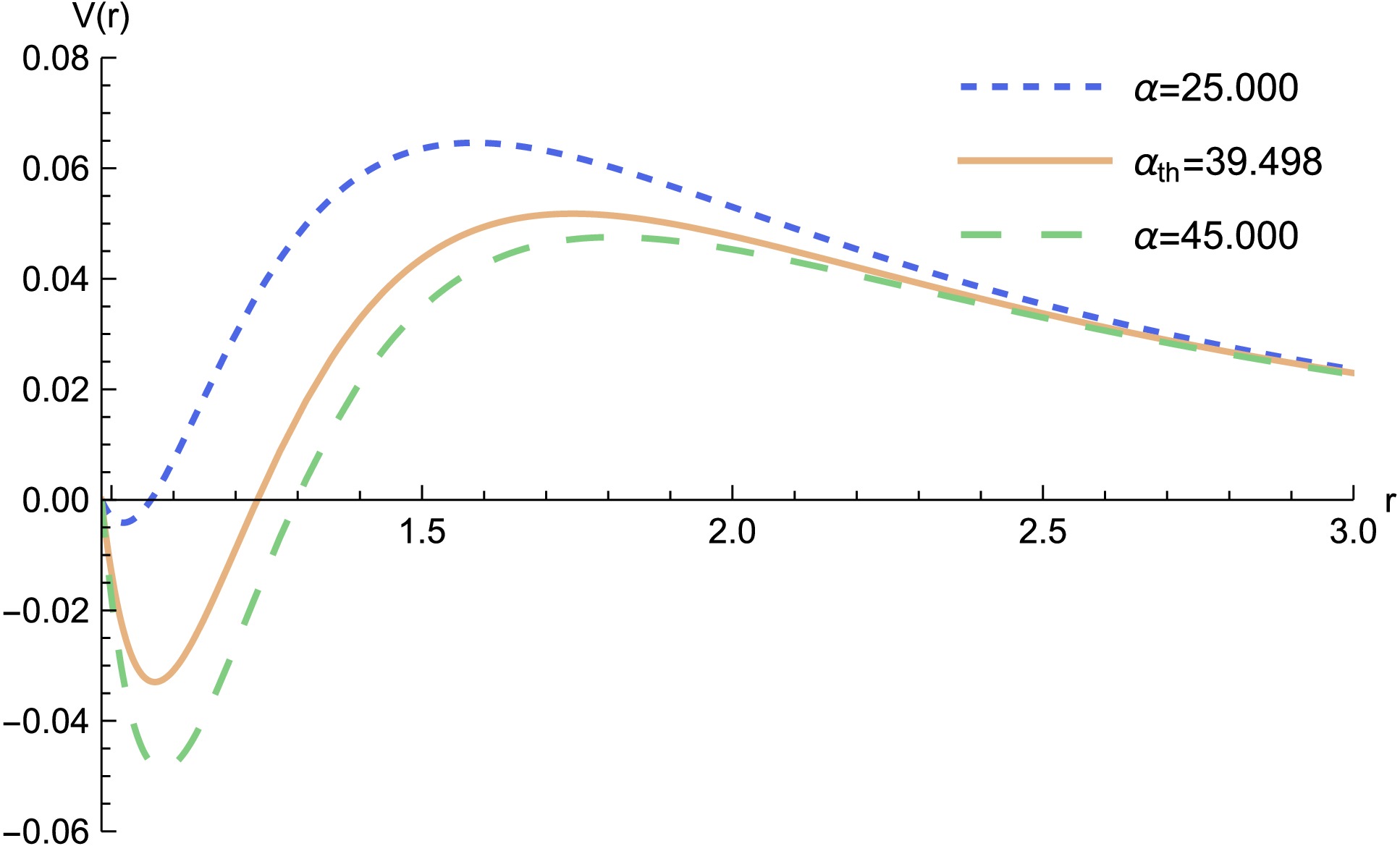
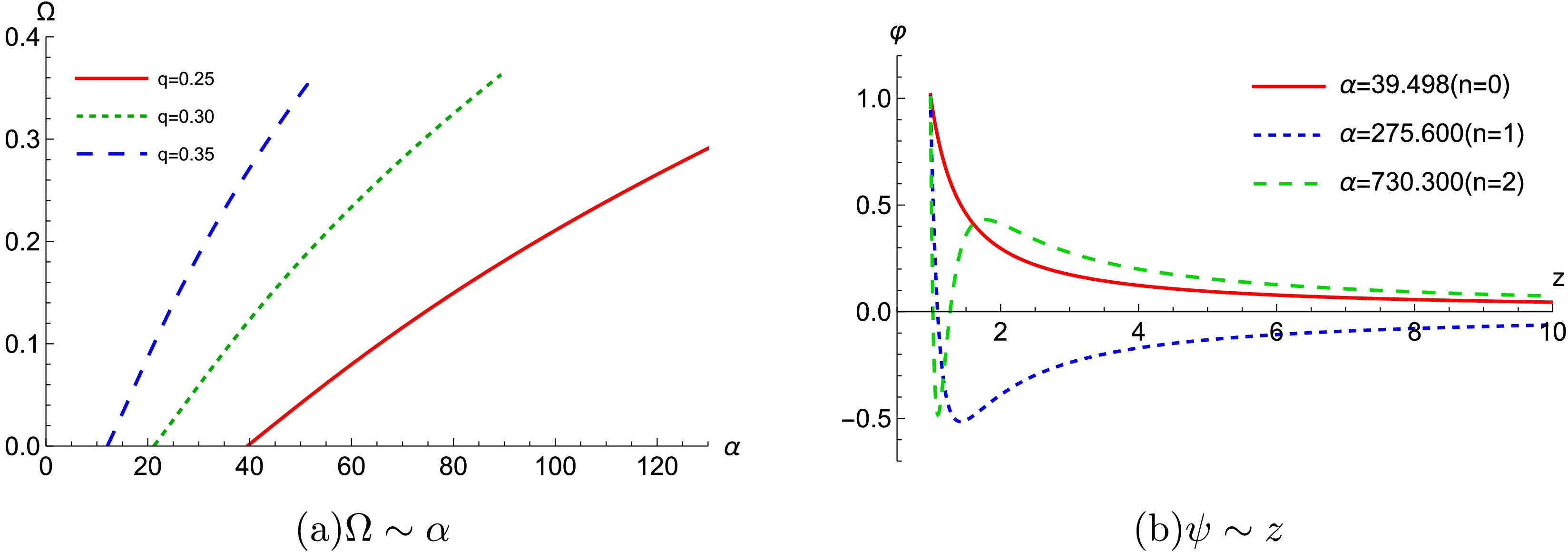
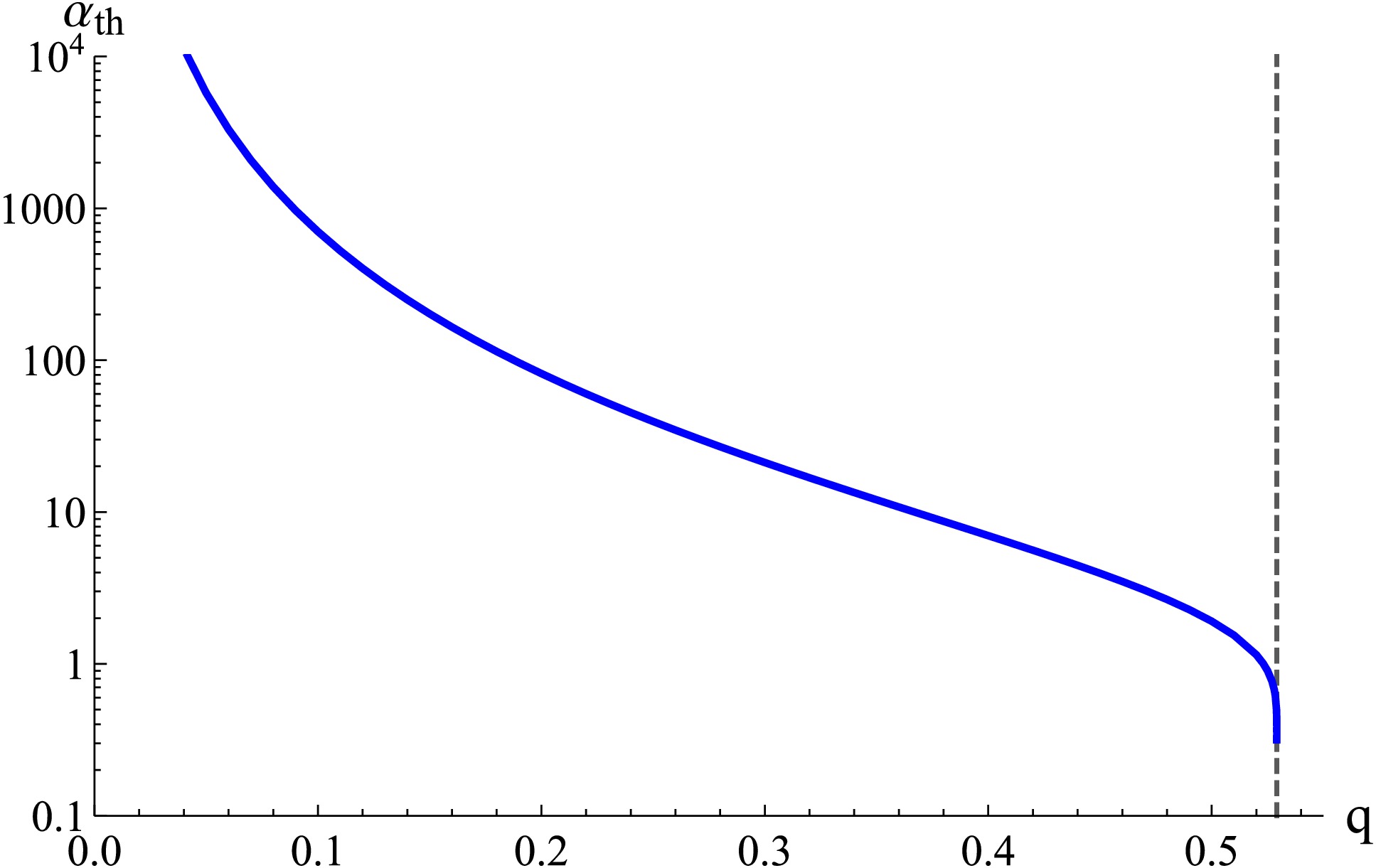
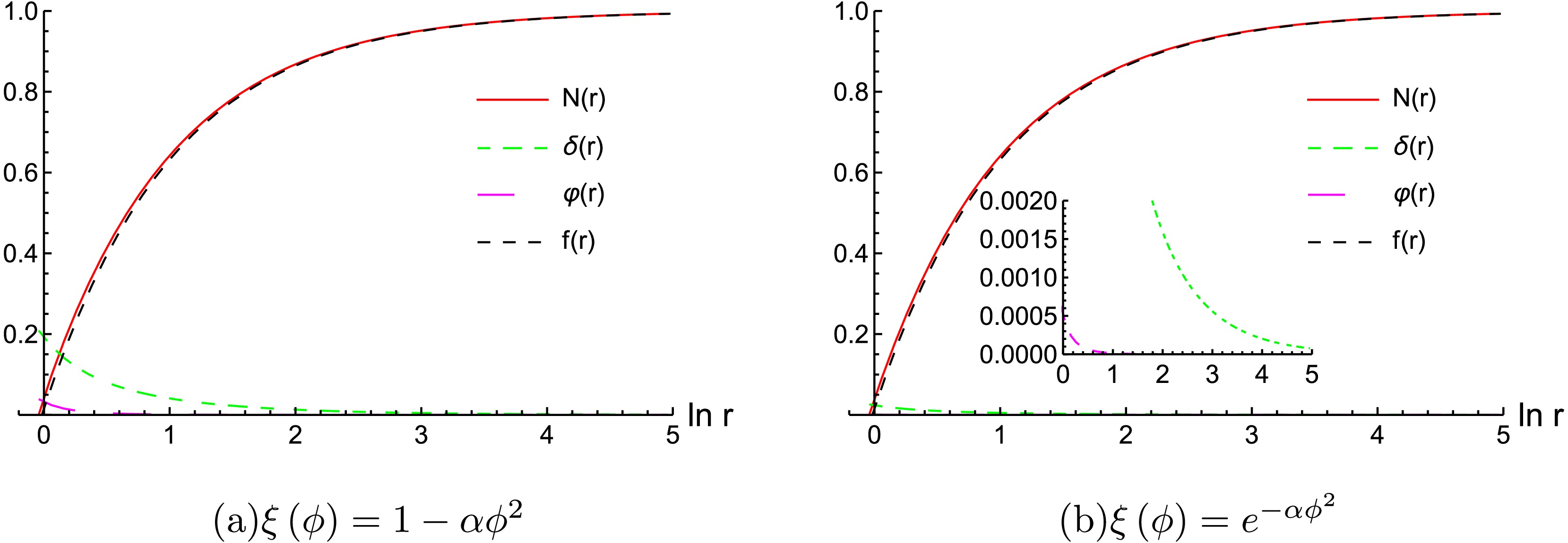
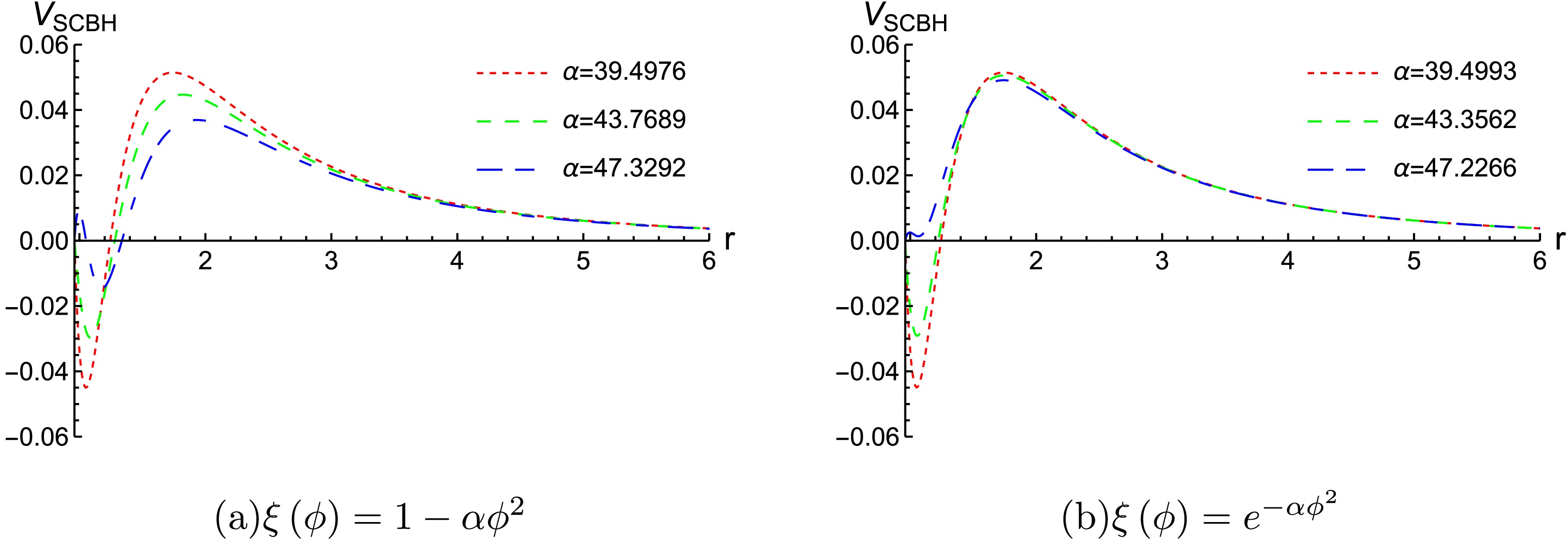
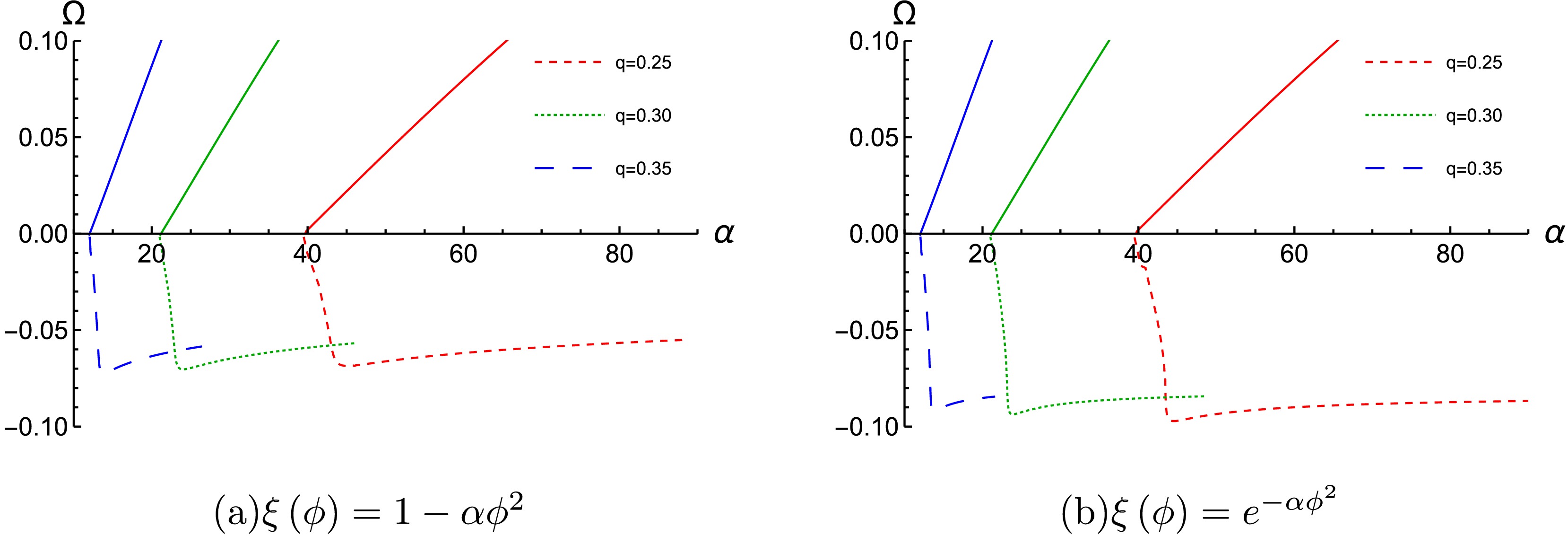
Regular Hayward black holes provide a useful setting for investigating scalarization in theories with nonminimally coupled matter sectors. Within the framework of Einstein-nonlinear electromagnetic-scalar gravity, we identify the tachyonic threshold that signals the bifurcation from the bald Hayward background and then obtain scalarized charged black holes for both quadratic\begin{document}$ (1-\alpha\phi^2) $\end{document} \begin{document}$ ({\rm e}^{-\alpha \phi^2}) $\end{document} \begin{document}$ n=0 $\end{document} \begin{document}$ n\geq 1 $\end{document}
Regular Hayward black holes provide a useful setting for investigating scalarization in theories with nonminimally coupled matter sectors. Within the framework of Einstein-nonlinear electromagnetic-scalar gravity, we identify the tachyonic threshold that signals the bifurcation from the bald Hayward background and then obtain scalarized charged black holes for both quadratic

IF: 3.0
Monthly issued, founded in 1977
Sponsored by:
ISSN 1674-1137 CN 11-5641/O4
Original research articles, Ietters and reviews Covering theory and experiments in the fieids of
- Particle physics
- Nuclear physics
- Particle and nuclear astrophysics
- Cosmology
Author benefits
- A SCOAP3 participating journal - free Open Access publication for qualifying articles
- Average 24 days to first decision
- Fast-track publication for selected articles
- Subscriptions at over 3000 institutions worldwide
- Free English editing on all accepted articles
News
- Chinese Physics C Best Paper Awards 2026 Announced
- Editorial Office Closed
- CPC Announces 2025 Outstanding Reviewers
- Chinese Physics C Outstanding Reviewer Award 2023
- Impact factor of Chinese Physics C is 3.6 in 2022
Cover Story
- Cover Story (Issue 9, 2026): Charge Separation Measurements in Au+Au collisions at \sqrt{S_{NN}} = 7.7-200 GeV in Search of the Chiral Magnetic Effect
- Cover Story (Issue 5, 2026): Determination of Fragmentation Functions from Charge Asymmetries in Hadron Production
- Cover Story (Issue 4, 2026): Initial performance results of the JUNO detector
- Cover Story (Issue 3, 2026): Comprehensive investigation on baryon number violating nucleon decays involving an axion-like particle
- Cover Story (Issue 2, 2026) |The images of Brans-Dicke-Kerr type naked singularities
Advertising